
The State of Outdoor Filmmaking: Brands NEED Storytelling
Outdoor filmmaking has reached a strange moment.
The cameras are better. The drones are better. Stabilization is better. Color tools are better. A solo creator can carry a kit into the mountains that would have felt impossible ten years ago. Brands can gather cinematic images from nearly any trail, ridge, river, road, coastline, ski line, or desert camp. The barrier to beautiful outdoor footage has dropped dramatically.
And yet, many outdoor brand films feel more forgettable than ever.
The issue is rarely craft. The footage looks expensive. The light is lovely. The athletes are talented. The locations are stunning. The edit has pace. The music swells in the right places. Everything appears polished. Then, thirty seconds later, the viewer has already moved on.
Outdoor filmmaking has become visually strong and emotionally thin.
That is a problem for outdoor brands. Audiences see endless mountains, endless trail shots, endless campfire scenes, endless drone passes, endless slow-motion hands brushing across gear. These images still have value, but they no longer carry a campaign by themselves. For a brand film to stay with someone, it needs more than beauty. It needs a point of view.
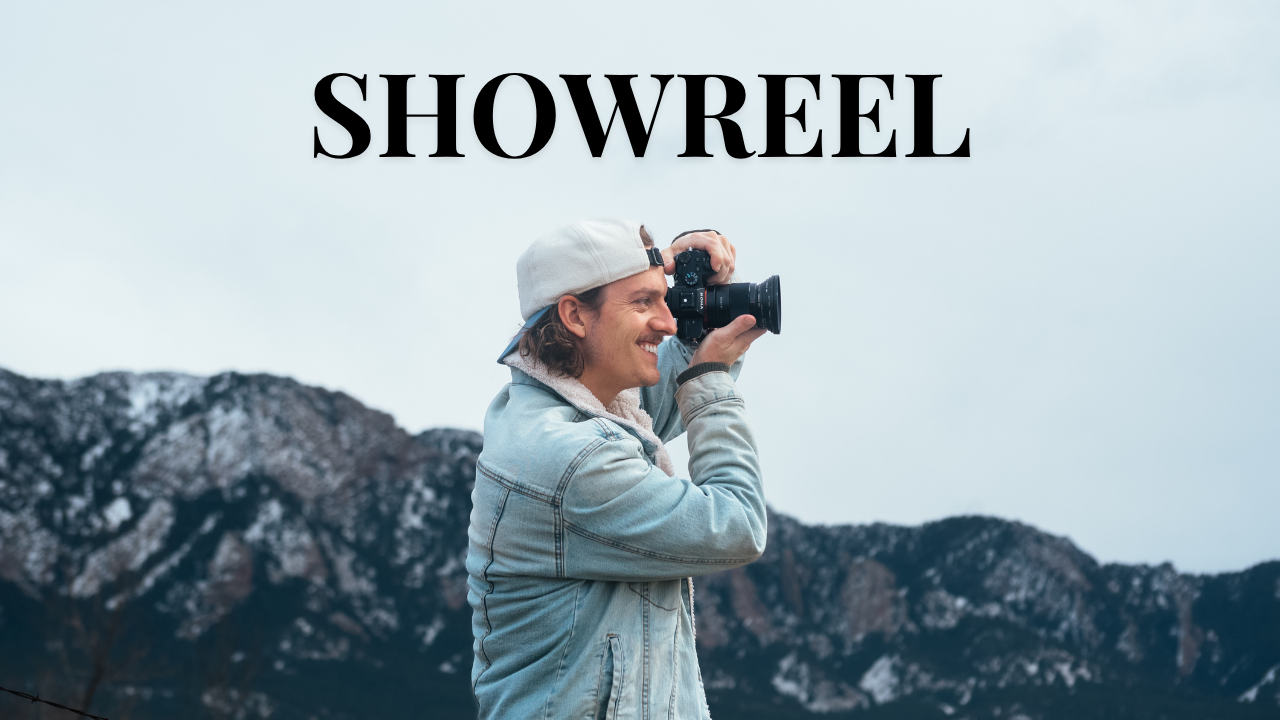
As a Colorado-based outdoor filmmaker, I have spent years working across running, skiing, climbing, surfing, cycling, travel, and documentary-style commercial projects for brands and platforms including Netflix, HBO, Patagonia, The North Face, the Olympics, Outside Magazine, La Sportiva, Mammut, and many more. That work has shaped a simple belief: the strongest outdoor brand films come from story, movement, terrain, weather, people, and purpose working together.
The future of outdoor filmmaking belongs to brands that understand this…
The Cool Outdoor Footage Boom Changed Everything
Outdoor filmmaking used to require rare access, heavy equipment, specialized knowledge, and large production support. Today, a skilled filmmaker with a compact camera, drone, mirrorless kit, lightweight audio setup, and strong editing tools can create polished work in challenging environments.
This has been good for the industry. More people can tell stories from the field. More athletes can document their process. More small brands can build campaigns. More outdoor filmmakers can develop a distinct voice without needing a traditional production hub behind them.
But there is a downside.
When beautiful footage becomes easier to create, beauty becomes less distinctive.
A sunrise ridge shot used to feel special. Now it appears in every outdoor reel. A drone flying over a mountain road used to signal scale. Now it can feel like filler. A slow-motion runner moving through golden light still looks great, but the viewer has seen it hundreds of times.
This is where outdoor brands need to raise the bar.

The question is no longer, “Can we make this look cinematic?” Most competent teams can. The sharper question is, “Will anyone care after the scroll?”
That answer depends on story.
Outdoor Audiences Know When a Film Feels Empty
Outdoor audiences are visually literate. They understand the difference between a scene built from lived experience and a scene assembled only for aesthetics.
They can sense when a trail running campaign misses the rhythm of the sport. They can tell when a climbing film uses danger as decoration without showing trust, patience, partnership, or process. They can feel when a ski film chases hype but misses the texture of the day: the early drive, the layers, the fear, the waiting, the laughter, the weather call, the relief at the bottom.
This is where outdoor filmmaking becomes more than content creation.
A great outdoor filmmaker understands culture. They know the small details that make a scene believable. They understand how athletes move when nobody is performing for camera. They know when effort looks forced. They know when gear should be featured and when it should sit inside the experience.
This cultural fluency matters for brands because audiences are tired of generic “epic” campaigns. They want films with texture, specificity, humor, friction, and humanity. They want to see people who seem connected to the world being shown.
That requires more than someone who can operate a camera. It requires a director who understands the environment, the sport, the subject, and the audience.
Better Stories Start Before Production
A stronger outdoor brand film begins long before the first shot.
It begins with better questions.
Who is this campaign for?
What does the audience already believe?
What do they care deeply for?
What tension sits inside the story?
Why does this brand belong in this world?
What should the film make someone feel, remember, or do?
Those questions shape everything that follows: the subject, the location, the schedule, the crew, the interview style, the shot list, the edit, and the deliverables.
Many outdoor campaigns start with visuals first. The brand wants mountains, running, skiing, camp life, product use, golden light, and drone footage. Those elements can support a strong piece, but they should never replace the idea.
An outdoor brand film needs a center.
That center might be an athlete chasing a goal. It might be a founder testing gear in the environment that inspired it. It might be a guide protecting access to a place. It might be a community built around movement. It might be a customer using a product during an ordinary day that carries emotional weight.
The story can be large or small. It just needs to have a pulse.
The Best Outdoor Films Give the Viewer Something to Follow
A common weakness in outdoor filmmaking is the montage trap.
Montages are useful. They create energy, mood, pace, and rhythm. But a full campaign built only on montage often fades quickly. The viewer sees action, but has no reason to stay.
A stronger structure gives the audience something to follow.
A beginning sets the world. A subject gives the film a human anchor. A challenge creates momentum. A journey gives the edit shape. A landing gives the viewer a reason to remember it.
This structure does not need to feel formulaic. In documentary-style outdoor filmmaking, the best moments often come from the space between planned scenes. A glance before a climb. A laugh after a failed attempt. A line from an interview that shifts the entire edit. A weather change that gives the story texture. A small ritual before movement begins.
But those moments only work when the filmmaker knows what they are looking for.
My own approach as an outdoor filmmaker usually starts with the human thread, then builds visuals around it. For brand work, that means the product, place, athlete, and campaign goal all need to serve the same direction. The audience should feel the brand through the story, instead of being told what the brand stands for.
Outdoor Brand Films Need Less Performance, More Specificity
A lot of outdoor advertising leans on performance.
The fastest athlete. The biggest landscape. The hardest line. The most dramatic weather. The most intense voiceover. The grandest music.
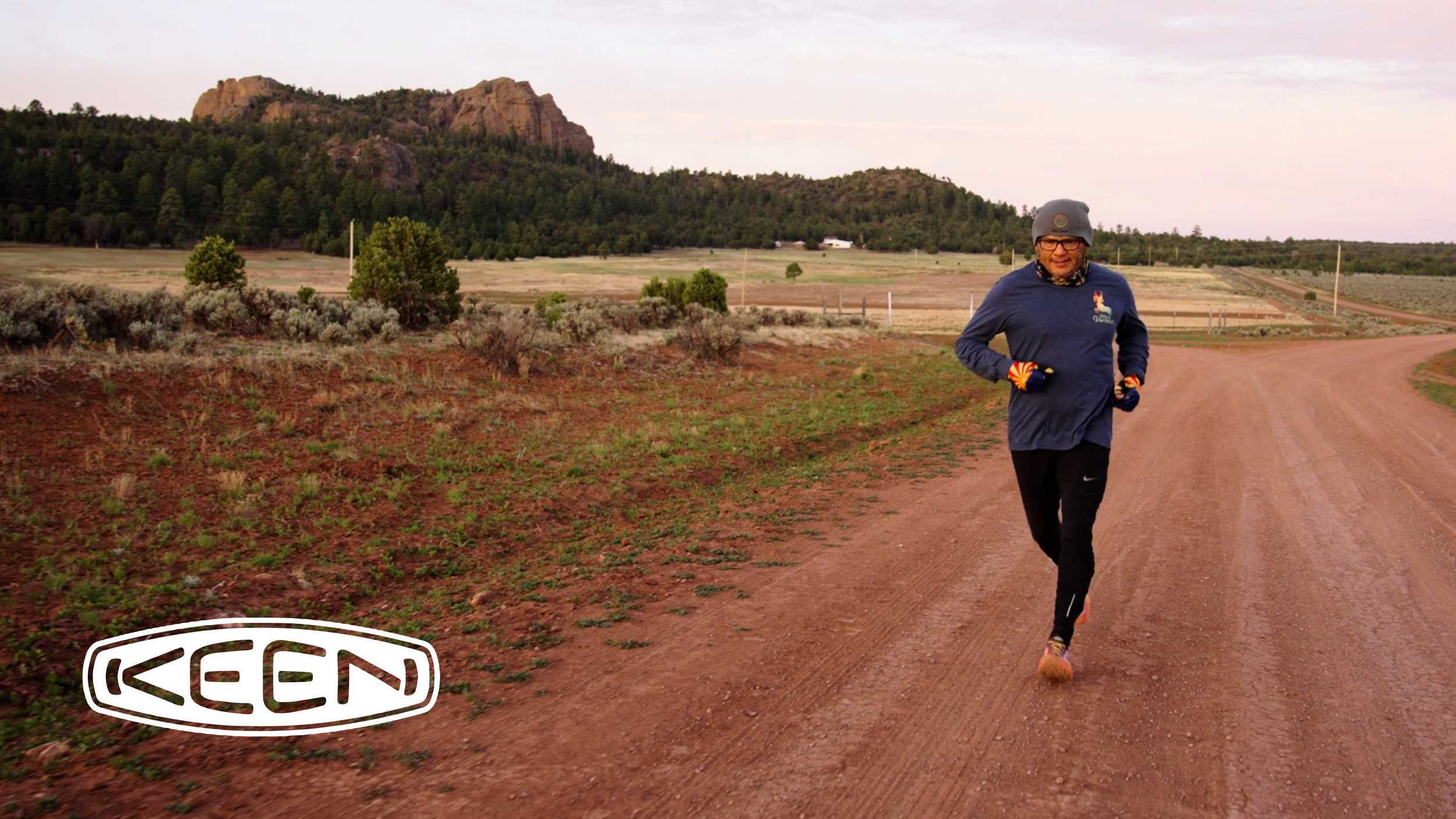
Those elements can work, but they are often overused. Outdoor audiences have plenty of appetite for ambition, but they also respond to specificity. A film becomes memorable when it includes details that feel particular to the subject and the world they inhabit.
A runner taping a sore toe before dawn.
A climber checking a knot with a partner they trust.
A skier scraping ice from a windshield before a storm day.
A surfer waiting through bad sets and laughing with friends.
A designer holding a worn prototype with dirt still in the seams.
A guide describing the first time a place changed their life.
These details do something that spectacle alone cannot. They create connection.
Outdoor filmmaking succeeds when it shows the texture of an experience, rather than only its highlight. For brands, that texture creates trust. It signals that the company understands the audience’s life beyond the product page.
The Role of the Outdoor Filmmaker Is Expanding
The modern outdoor filmmaker is rarely just a camera operator.
For strong campaign work, the filmmaker often needs to think like a director, producer, editor, strategist, athlete, weather watcher, location scout, interviewer, and problem solver. Outdoor production demands flexibility. Conditions shift. Talent gets tired. The best light disappears. The trail takes longer than expected. Wind ruins audio. A location looks different than planned.
A skilled outdoor filmmaker keeps the creative goal intact while the day changes.

That skill comes from experience in the field. Carrying gear through terrain teaches different lessons than working only in controlled spaces. Filming athletes in motion teaches timing, patience, distance, and body language. Working in snow, wind, rain, water, dust, and altitude teaches humility and preparation.
This is one of the reasons my background in outdoor sports matters. Skiing, running, climbing, biking, and surfing shape how I see movement. They help me anticipate where the story might happen, how the subject may respond, what the schedule needs, and which moments deserve protection.
For brands, that field experience can save the production day.
Small Crews Can Create Stronger Outdoor Work
Outdoor campaigns often benefit from smaller, sharper crews.
Large productions can be powerful, especially for complex commercial shoots. But outdoor documentary-style work often needs mobility. A lean crew can move quickly, travel light, stay close to the subject, and adapt when the day changes.
A smaller footprint can also help the subject relax. Many athletes, guides, founders, and customers speak more naturally when they are surrounded by fewer people. The camera becomes less intrusive. The scene can unfold with less staging.
This does not mean under-resourced production. It means matching the crew to the idea.
A strong small crew might include a director/cinematographer, producer, sound mixer, photographer, drone operator, assistant camera, or safety lead depending on the shoot. The goal is to build a team that supports the story without weighing it down.
For outdoor brands, this production model can create more value. More energy goes into the subject, the location, the edit, and the campaign assets. Less energy gets spent moving a giant machine through fragile terrain.
The Product Should Belong Inside the Experience
Outdoor brand films often struggle with product integration.
Too little product, and the brand wonders what it paid for. Too much product, and the film starts to feel like a catalog shoot with dramatic music.
The best product presence sits inside the experience.
A hydration pack matters when the runner reaches for it during a long climb. A jacket matters when the weather turns. A bike matters when the route opens. A headlamp matters before dawn. A tent matters when the subject finally stops moving. A pair of shoes matters when the terrain changes beneath each step.
Product moments should feel earned through use.
This is where documentary-style outdoor filmmaking helps. Instead of staging a product in isolation, the filmmaker can show how it supports movement, decision-making, comfort, safety, endurance, or joy. The product becomes part of the story because the subject needs it.
That approach can be more persuasive than a hard sell. It lets the audience see function, context, and emotion in the same frame.
Outdoor Filmmaking Needs Better Interviews
Interviews can make or break outdoor brand films.
Many campaigns use voiceover or interviews as a way to explain what the footage already shows. That usually leads to vague language. Words like passion, adventure, community, purpose, pushing limits, and connection appear again and again until they lose meaning.
Better interviews create specificity.
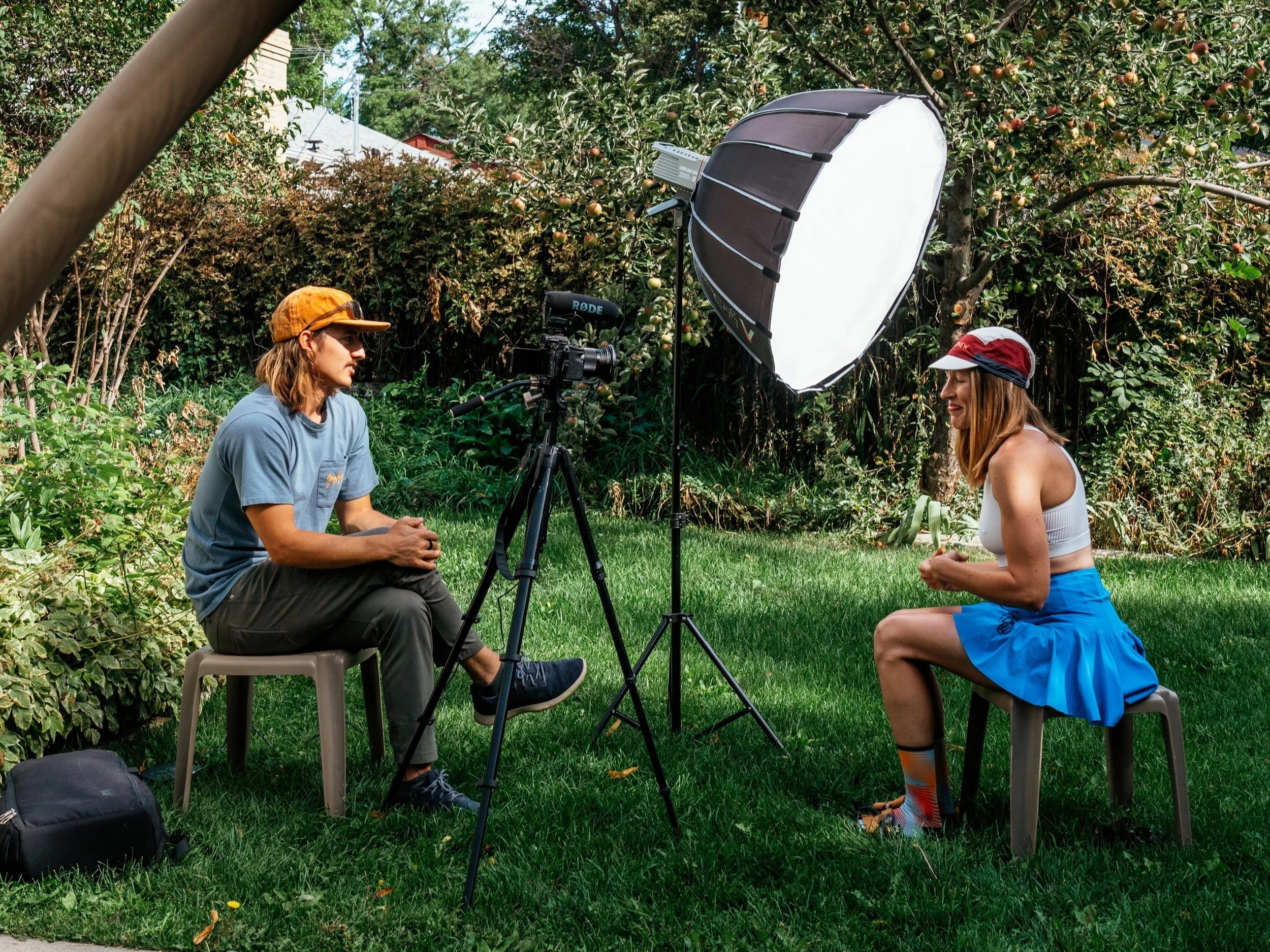
A good director does more than ask a list of questions. They listen. They follow. They help the subject move past polished answers into memory, detail, humor, conflict, and reflection.
Instead of asking an athlete to explain why they love the outdoors, ask for the first trail they memorized. Ask what they pack before a long day. Ask what they fear. Ask what changed after an injury. Ask when a place started to feel like home. Ask what they wish people understood.
These answers can give an outdoor brand film its emotional spine.
In my work with athletes, founders, and outdoor communities, interviews often become the foundation of the edit. The visuals pull people in, but the voice gives the film shape. A strong line can turn a beautiful sequence into a story.
The Future Belongs to Brands With Taste
Outdoor brands are competing in a crowded visual space. Everyone has access to beautiful imagery. Everyone can post reels from the mountains. Everyone can use the language of adventure.
Taste is the differentiator.
Taste means knowing what to leave out. It means resisting the obvious shot when a more human one is available. It means choosing a slower opening when the story earns it, or cutting faster when energy matters. It means avoiding generic inspiration language. It means knowing when the product should lead and when it should support.
Taste also means having a perspective.
Brands that try to appeal to everyone often create films that feel bland. The strongest outdoor brand films usually take a stance. They show a specific world, subject, sport, community, or value system with clarity. They trust the audience to lean in.
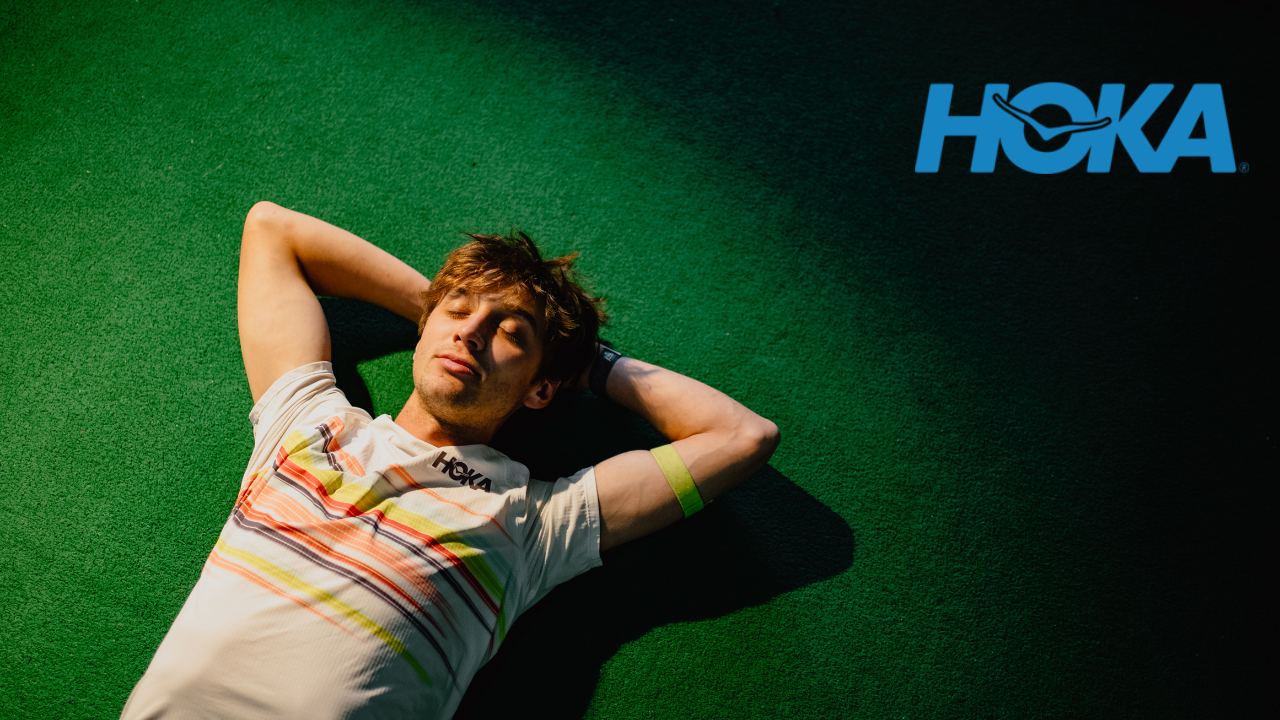
For outdoor filmmakers, this is where craft and strategy meet. A campaign should look beautiful, but it should also feel intentional. Every image should serve the larger idea.
Outdoor Brands Need More Than Content
The demand for content has pushed many brands into constant production.
More reels. More cutdowns. More launches. More athlete clips. More behind-the-scenes pieces. More paid social. More website assets. More footage libraries.
All of that can be useful. But volume without direction creates clutter.
Outdoor brands need campaigns that can carry meaning across platforms. A strong outdoor film can become the center of a launch, then break into shorter assets for social, paid media, email, retail, sales decks, and community channels. But that only works when the story is strong enough to hold together.
Footage libraries are valuable. Story libraries are better.
A brand that knows its core themes, subjects, values, and visual language can create campaigns that build on each other instead of feeling scattered. The outdoor filmmaker’s job is to help shape that continuity.
Why Story Creates Business Value
Story is often discussed as if it only serves emotion. It also serves strategy.
A stronger outdoor brand film can help a company clarify its position, deepen trust, attract the right audience, support a product launch, create sales assets, strengthen athlete partnerships, and give internal teams a shared piece of language around the brand.
A good story makes the brand easier to understand.
That matters in categories where products can appear similar. Many brands make jackets, shoes, bikes, packs, skis, tents, bottles, watches, trips, and wellness products. Features matter, but features rarely create loyalty by themselves. People connect with what the product helps them do, who it helps them become, and which world it invites them into.
Outdoor filmmaking gives brands a way to show that world.
Final Thoughts
The state of outdoor filmmaking is full of possibility.
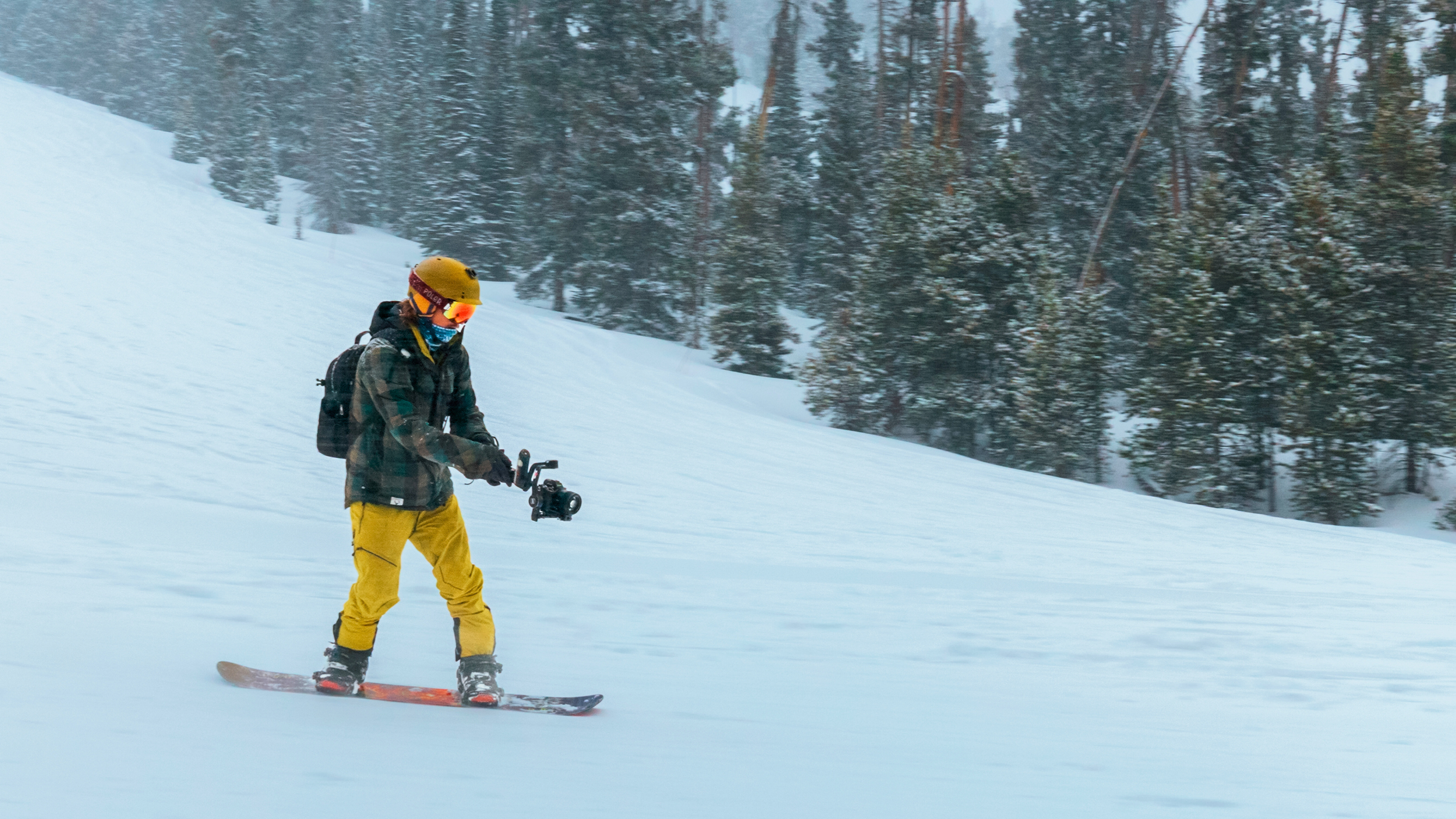
The tools are better than ever. The talent pool is wider. Brands can build campaigns with directors far outside traditional production hubs. Small crews can create polished work in challenging terrain. Documentary-style brand films can travel across websites, YouTube, paid social, retail, and internal channels.
But the next leap will come from story.
Outdoor brands have enough footage. What they need is direction. They need films with sharper subjects, stronger structure, better interviews, more specific details, and a clearer reason to exist. They need outdoor filmmakers who understand movement, weather, athletes, terrain, culture, and campaign strategy.
Beautiful images will always matter. They open the door. Story is what keeps people inside.
For brands willing to think past the expected outdoor montage, the opportunity is huge. The next great outdoor brand film will likely come from a simple place: a strong subject, a specific world, a clear point of view, and a filmmaker who knows how to turn movement through landscape into something that stays with the viewer.
Why We Should Work Together…
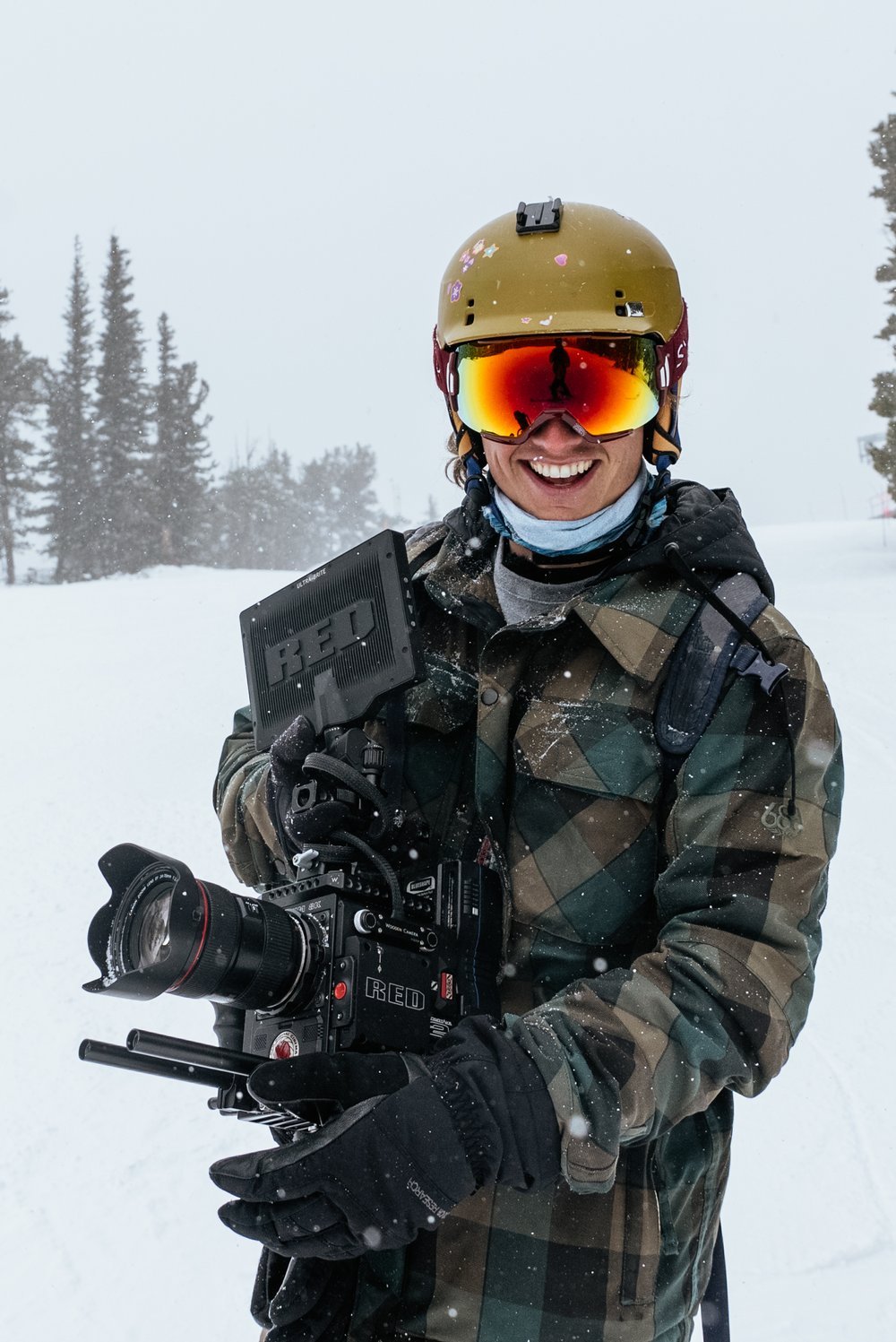
When I’m not on this website rambling on about filmmaking, I’m actually out there making films. From crafting memorable branded documentaries to capturing stories and products that move people, I’ve got you covered. Need a filmmaker who can scale mountains, brave the surf, or just tell a dang good story? Let’s chat!
In case I haven’t convinced you, here are three reasons why it might be fun to work together…
I believe in stories that stick with you - like campfire smoke on your clothes. The kind that makes you laugh, cry, or immediately want to call your mom.
I’m just as comfortable at 14,000ft as I am in front of a timeline. You get me in the mountains, in the ocean and in the editing room, making sure the magic out there really shines in the final cut.
I’ve filmed in some pretty wild places, but the best stories are the ones that bring people together. It’s those shared moments -big or small - that remind me why I love what I do.

Let’s Connect
Roo is an Emmy nominated commercial/documentary filmmaker and photographer based in Boulder, Colorado but travels all around the world for his filmmaking career. He has directed documentaries for Patagonia in California, produced films for Outside Magazine throughout Europe and Africa, camera operated for Netflix in the Rocky Mountain West, photographed among indigenous communities in South America, and has received notable recognition in the outdoor industry for his work telling uplifting stories in the outdoor space.