
How to Hire an Outdoor Filmmaker for Your Brand Campaign
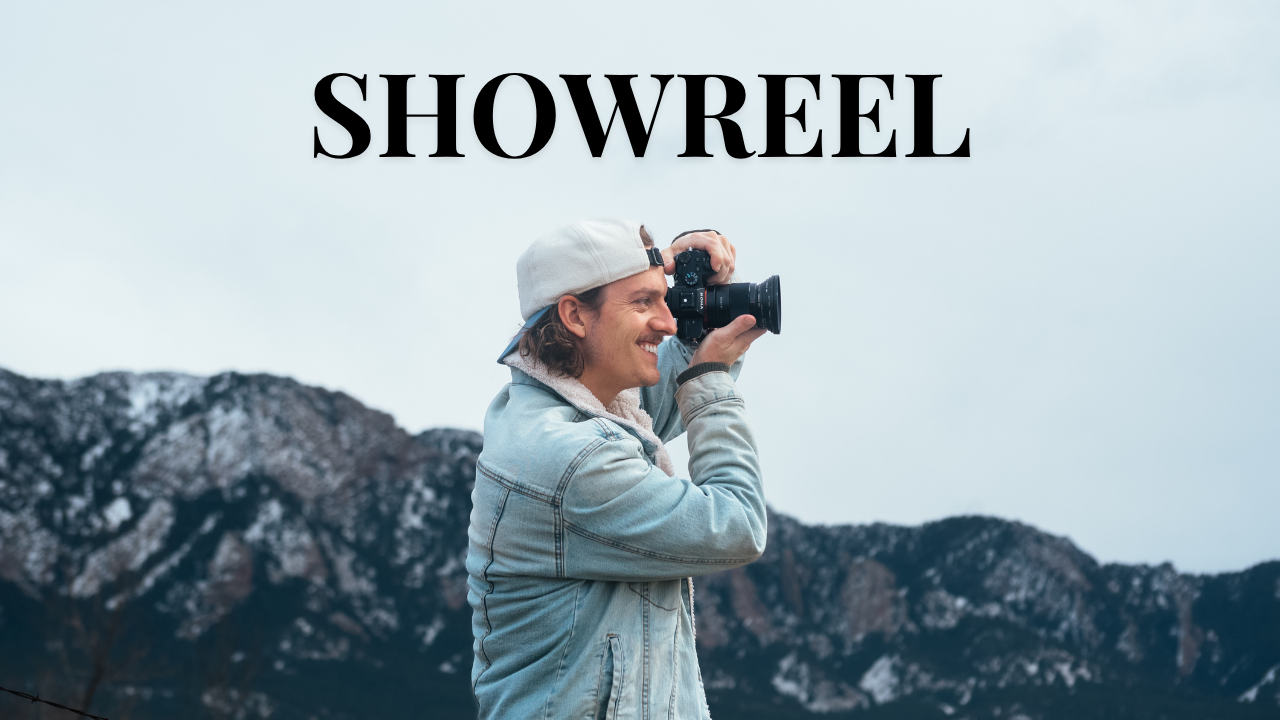
Hiring an outdoor filmmaker isn’t the same as hiring a standard video production team.
Outdoor campaigns have their own style and needs. They involve changing weather, remote locations, athletes in motion, early call times, limited access, difficult sound, shifting light, and moments that can’t always be repeated. A strong outdoor filmmaker knows how to manage all of that while still protecting the story.
For brands, that skill matters. A trail running shoe, ski jacket, hydration vest, bike, tent, resort, conservation project, or wellness product doesn’t become compelling simply because it appears in a beautiful place. The campaign needs a reason to exist. It needs a point of view. It needs someone behind the camera who understands both the production demands and the culture being filmed.
As a Colorado-based outdoor filmmaker and documentary-style commercial director, I have worked across running, skiing, climbing, surfing, cycling, travel, and outdoor brand storytelling for clients and platforms like Netflix, HBO, Patagonia, The North Face, the Olympics, Outside Magazine, La Sportiva, Mammut, and many more. That kind of work has shaped how I think brands should approach the hiring process. The best fit isn’t always the person with the biggest camera package or the flashiest drone reel. It’s the filmmaker who can bring story, movement, terrain, weather, athletes, and brand strategy into one clear creative direction.
Here is what brands should look for when hiring an outdoor filmmaker for a campaign…
Start With the Story, Not the Scenery
Outdoor campaigns often begin with a place and while these settings can be powerful, but they shouldn’t carry the full weight of the campaign.
The first question should be: what is the story?
A good outdoor filmmaker should help you clarify the human thread behind the visuals. Who are we following? What are they trying to do? What tension exists? Why should the audience care? How does the brand fit into the experience without taking over the film?
This is where the difference between pretty footage and strong brand storytelling becomes obvious.
A basic production team might capture a runner moving through a landscape. A stronger outdoor filmmaker will ask why that runner is there, what the effort means, how the product supports the moment, and what the audience should feel by the end. That doesn’t mean every campaign needs to become a dramatic documentary. It means every campaign needs a clear reason for the visuals.
For outdoor brands, story can come from many places: an athlete preparing for a goal, a founder testing a product, a guide sharing a landscape, a community gathering around a sport, or a customer using gear in daily life. The job of the filmmaker is to find the strongest thread and build the shoot around it.
Look for Cultural Fluency
Outdoor audiences can spot imitation quickly.
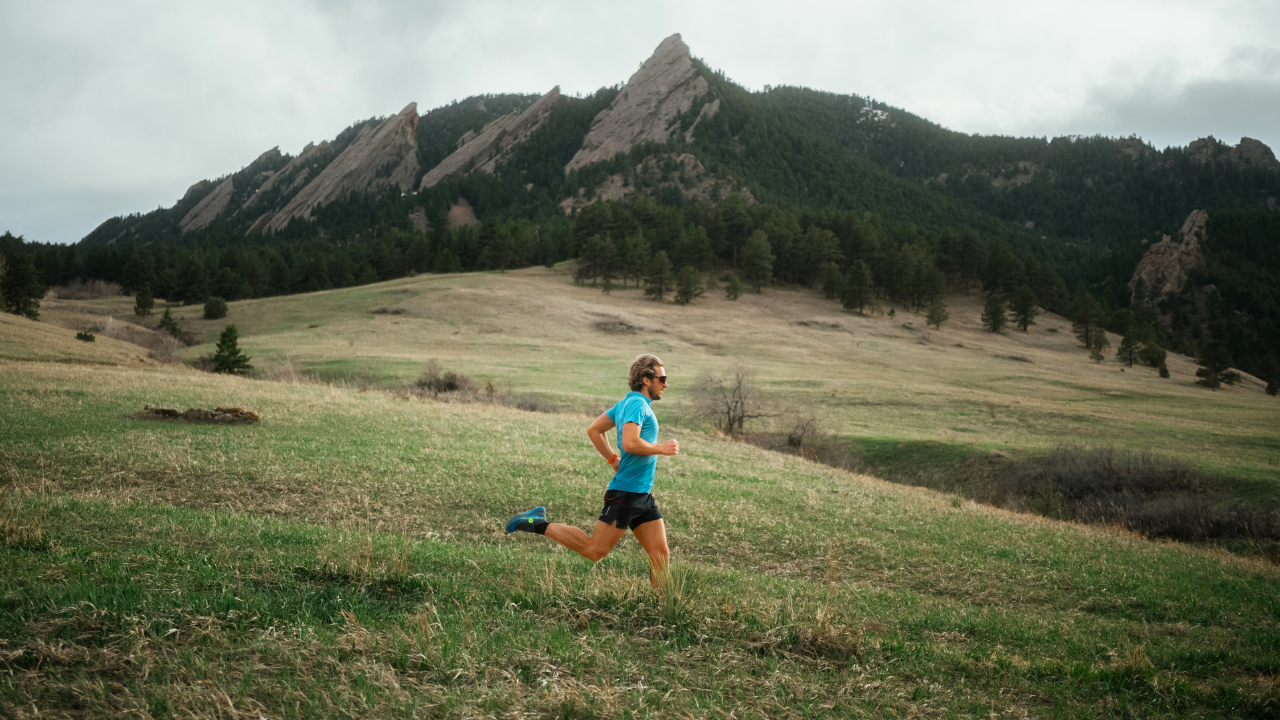
They know when a trail running scene feels staged. They know when a climbing film misses the emotional side of partnership and trust. They know when a ski campaign leans too hard into hype without honoring the patience, fear, joy, and skill that define the sport. They know when a brand uses outdoor aesthetics without understanding outdoor culture.
That is why cultural fluency matters.
An outdoor filmmaker should understand the world your brand is entering. They don’t need to be a professional athlete in every sport, but they should understand the language, pace, ethics, and details of the activity. They should know how people actually move through these spaces. They should understand why certain shots feel natural and others feel forced.
For example, filming a trail runner isn’t only a camera challenge. It is a movement challenge. The filmmaker needs to know how to capture pace, fatigue, rhythm, breath, terrain, and effort. Filming skiing means understanding weather windows, slope angle, safety, layering, transitions, and the difference between a flashy shot and a meaningful sequence. Filming climbing means knowing when to stay out of the way, how to protect trust, and how to show the relationship between the climber, the belayer, the rock, and the route.
This is one of the reasons my own background across skiing, trail running, climbing, surfing, biking, and mountain travel has been central to my work. I’m not arriving to these sports as an outsider chasing a visual trend. I know how these days unfold, where the best moments tend to happen, and when the camera should push closer or step back.
Make Sure They Can Direct People, Not Just Landscapes
A lot of outdoor filmmakers can shoot a great wide shot. Fewer can direct people well. For brand campaigns, that distinction is huge.
The audience may be drawn in by the landscape, but they stay because of the person on screen. That person could be an athlete, founder, guide, customer, designer, or employee. The filmmaker needs to know how to make them comfortable, guide them through scenes, ask better interview questions, and protect the energy of the day.
This is especially important for documentary-style commercial work. Many subjects aren’t trained actors. They may be nervous on camera. They may speak in short answers at first. They may need time before they reach the most useful line. A good director knows how to create the conditions for honest, specific, usable material without turning the interview into a stiff brand script.
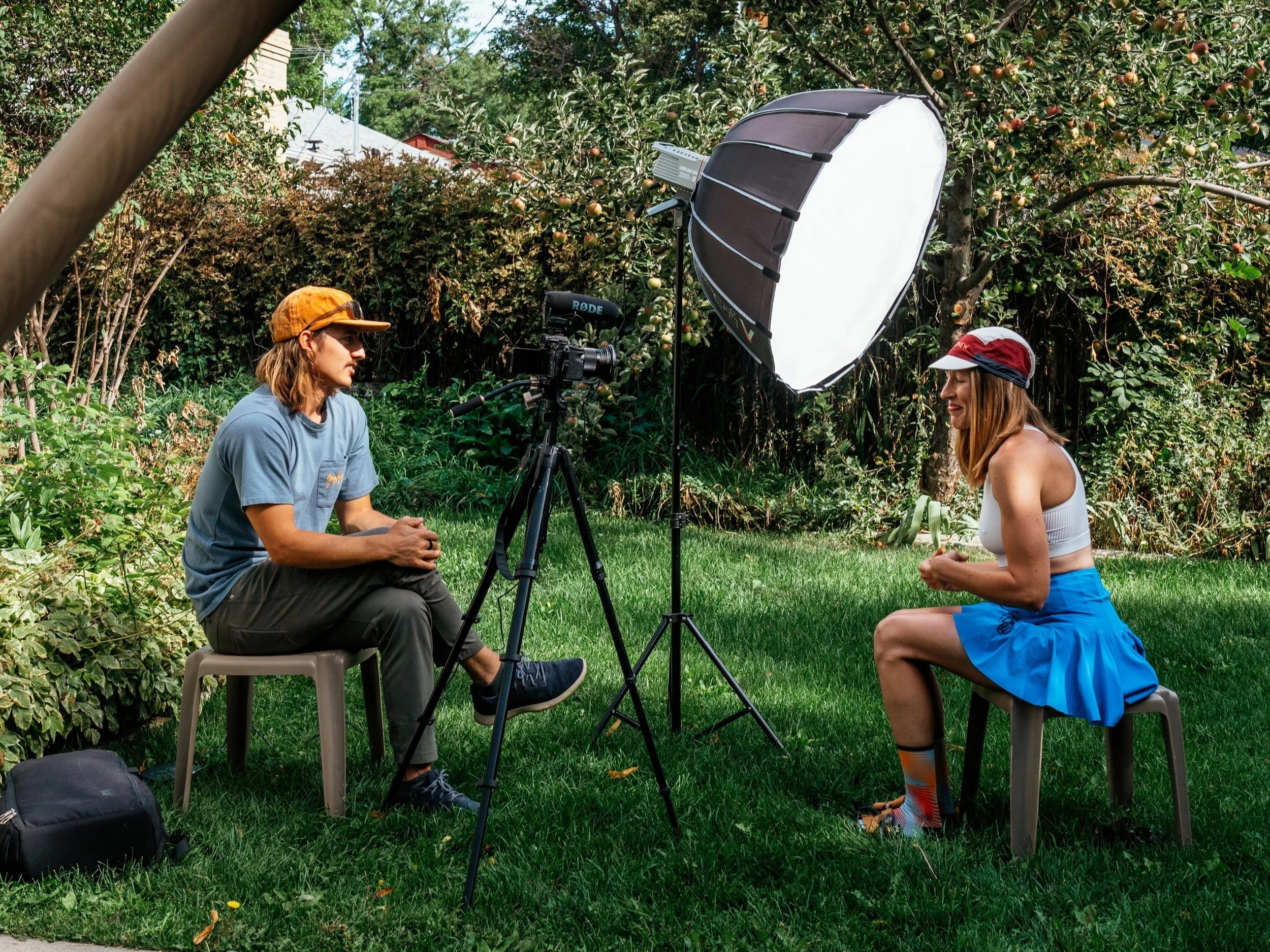
When reviewing portfolios, look for more than the visuals. Listen to the people. Do the interviews feel natural? Are the lines specific? Do the scenes give the subject enough space to become memorable? Does the film reveal character, or does it only show action?
This is where my branded documentary experience often comes into play. On athlete films, founder stories, and outdoor campaigns, the most valuable moments often come from trust: knowing when to ask one more question, when to leave silence after an answer, when to follow a thread, and when to stop directing so something stronger can unfold.
Prioritize Movement Skills
Outdoor campaigns move.
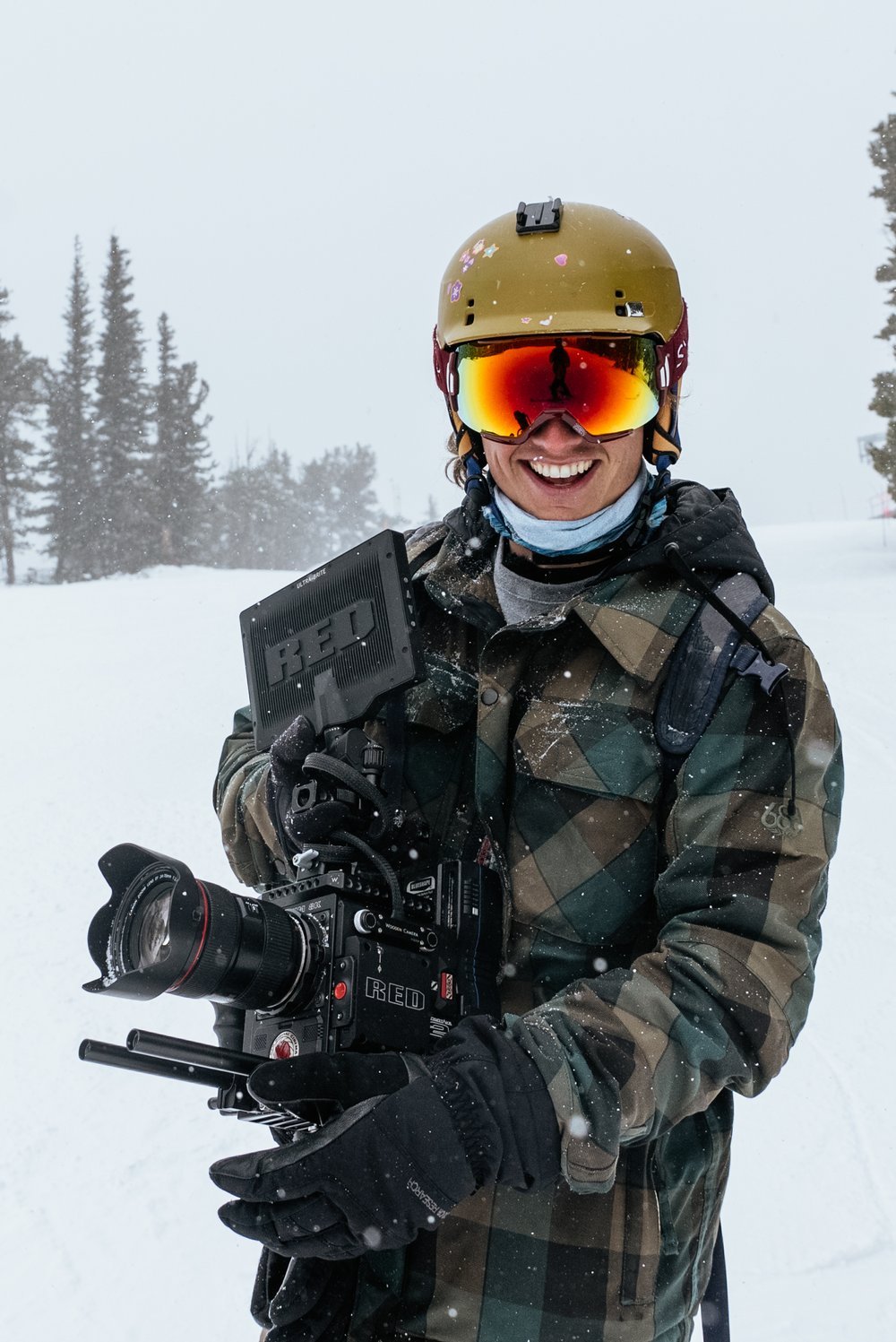
The filmmaker may need to ski with a camera, run with an athlete, climb with a compact kit, bike between locations, hike into a trail system, film from a vehicle, work near water, or shoot handheld in wind and snow. This isn’t always glamorous. It is physical work, and it changes what kind of crew you need.
An outdoor filmmaker should know how to capture movement in a way that feels intentional. That includes lens choice, camera support, pacing, distance, terrain awareness, and edit thinking. They should understand when to use a long lens, when to get close, when to stay wide, when to let the subject move through frame, and when to create a sequence with multiple angles.
A runner leaving a trailhead, settling into rhythm, pushing through a climb, pausing at the top, and finishing in different light gives the edit a natural arc. A skier transitioning from car to skin track to ridge to descent gives the audience a sense of journey. A surfer waiting, paddling, missing waves, laughing, and finally finding one good ride can carry more feeling than a montage of only the best moments.
The right outdoor filmmaker knows how to make motion serve the campaign instead of becoming decoration.
Ask How They Handle Weather and Uncertainty
Outdoor production always includes variables.
Weather shifts. Trails close. Wind ruins audio. Clouds cover the light. Talent gets tired. Roads take longer than expected. Batteries drain faster in cold conditions. Permits change the plan. The best location may not be the best choice once conditions arrive.
This is where experience matters.
When hiring an outdoor filmmaker, ask how they plan for uncertainty. Do they build backup locations? Do they schedule around light? Do they protect interview audio? Do they understand mountain weather? Can they adjust the shot list without losing the campaign goal? Do they know what to prioritize when time gets cut in half?
An experienced outdoor filmmaker shouldn’t promise total control. They should show you how they create a plan that can bend without breaking.
For Colorado-based productions, this is especially important. A morning can start with crisp light and end with thunderstorms, snow, smoke, mud, or high wind depending on the season and elevation. Local knowledge can save a shoot. Knowing when to film, where to go, how to simplify, and which scenes to protect can make the difference between a scattered day and a strong campaign.
Understand the Difference Between a Filmmaker and a Vendor
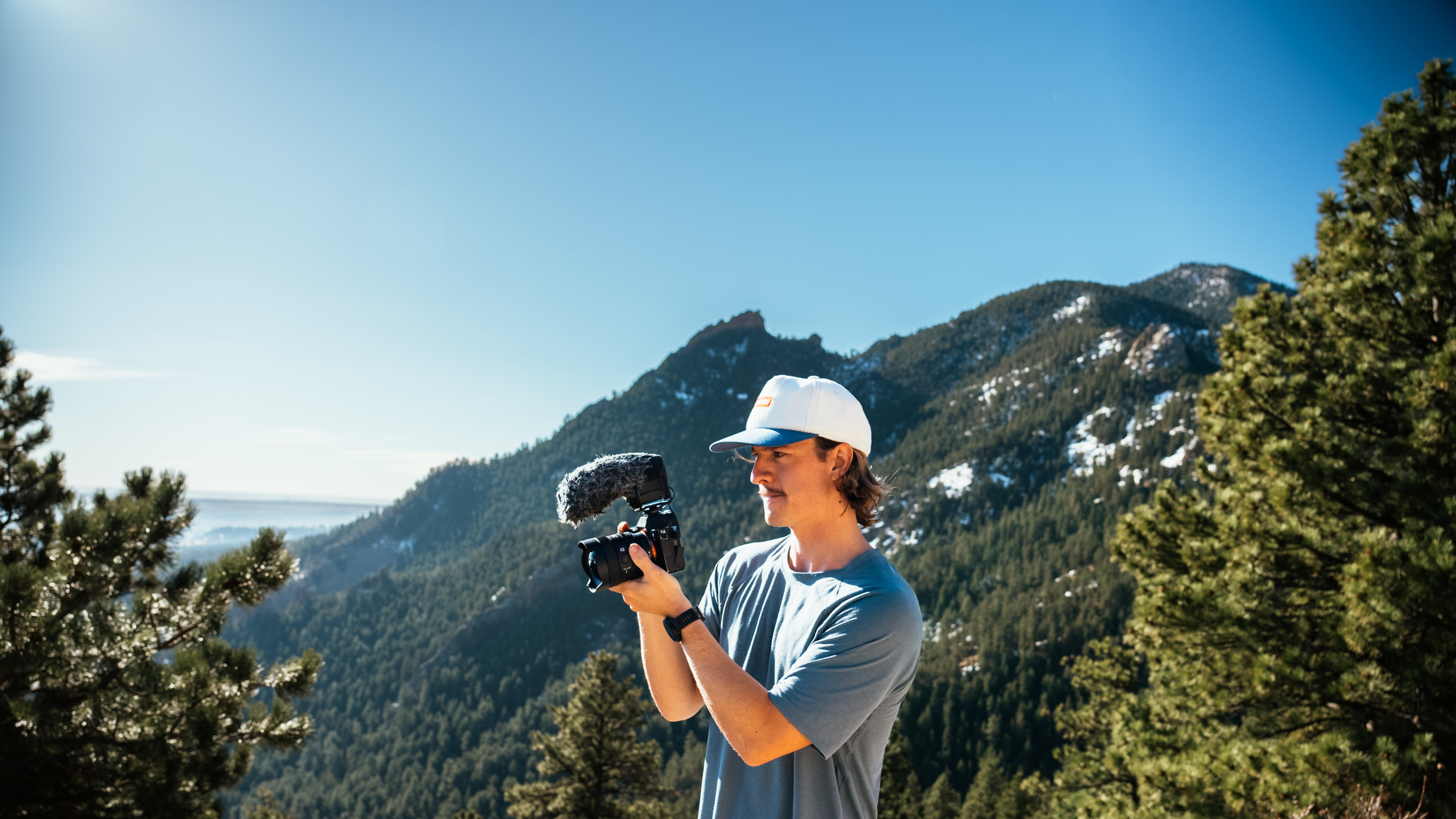
A vendor executes a task. A filmmaker helps shape the campaign.
Both can be useful, but they serve different needs.
When your brand already has a fully developed concept, storyboard, locations, talent, and production plan, you may simply need a crew to capture it. But when you are building a campaign around a product launch, athlete story, brand film, or documentary-style concept, you likely need someone who can help make creative decisions before production begins.
That is where a strong outdoor filmmaker becomes more than a camera operator.
They can help you identify the story, build a treatment, shape interview questions, choose locations, plan deliverables, suggest crew, create a schedule, and think through how the footage will live across website, social, paid ads, email, and sales channels.
This is also where small-crew outdoor production can be powerful. A lean team with strong creative leadership can move faster, stay closer to the subject, and put more of the budget into what the audience will notice: story, talent, locations, cinematography, sound, edit, and color.
Review Their Portfolio for Story and Strategy
When reviewing an outdoor filmmaker’s work, don’t only ask, “Does this look good?”
Ask:
Does the piece hold attention?
Does the subject feel compelling?
Does the product or brand fit naturally?
Is there a clear beginning, middle, and end?
Do the visuals support the idea?
Does the edit feel purposeful?
Can I imagine this filmmaker solving problems on our shoot?
Many reels are built to impress quickly. They show the best frames, fastest motion, biggest landscapes, and strongest music cues. That can be useful, but it doesn’t tell the whole story.
Watch full films or case studies when possible. A filmmaker’s ability to sustain emotion, shape pacing, and land an ending matters more than a thirty-second montage. For brand campaigns, you also want to see whether the filmmaker can balance beauty with message. When the work feels cinematic but vague, the final product may not serve your campaign.
My own work often sits at the intersection of commercial goals and documentary craft. I care deeply that a film looks strong, but I also care whether it gives the brand something useful: a story that helps people understand what the company stands for, why the product matters, or why the subject is worth following.
Clarify Deliverables Early

A brand campaign rarely needs only one film.
You may need a hero video, a shorter cutdown, vertical clips, paid social ads, website banners, still photos, teaser edits, behind-the-scenes pieces, or a library of footage for future use. Those deliverables should be discussed before the shoot, not after the edit begins.
This affects the production plan.
When your brand needs vertical content, the filmmaker should capture vertical or safe-framed material. When paid ads are important, the shoot should include stronger opening moments and concise lines that can work in shorter edits. When still photography is needed, the schedule should include time for it. When the website needs a looping banner, the crew should capture clean, text-friendly motion that can live behind a homepage headline.
An outdoor filmmaker with brand campaign experience will think through these needs early. That makes the shoot more efficient and gives your team more assets from the same production window.
Talk Through Budget and Crew Size
Budgets for outdoor filmmaking can vary widely depending on concept, travel, crew, shoot days, post-production, licensing, talent, permits, and deliverables.
A simple one-day social campaign with a small crew is very different from a multi-day branded documentary with interviews, athletes, photography, paid cutdowns, color, sound mix, and usage across multiple channels.
The goal isn’t always to make the production as big as possible. The goal is to match the production model to the creative need.
Ask the filmmaker what they recommend for crew size. Do you need a producer? A sound mixer? A photographer? A drone operator? A gaffer? A second camera? Hair and makeup? A safety lead? A local fixer? The answer should depend on the project, not on a template.
A strong outdoor filmmaker should be able to explain where the budget matters most. Sometimes that means more prep. Sometimes it means better audio. Sometimes it means an extra shoot day. Sometimes it means a smaller crew and more time with the subject. The best decision is the one that protects the final film.
Choose Someone Who Understands Branded Documentary Work
Many outdoor campaigns now sit somewhere between commercial and documentary.
They need the polish of advertising, but they also need the feeling of lived experience. They need to serve a brand, but they cannot feel like a sales pitch. They need to show product, but they shouldn’t reduce the story to features.

That balance takes practice.
A branded documentary filmmaker understands how to build a piece around character, place, and emotion while still serving the campaign. They know how to weave in the brand without forcing it. They know how to capture scenes that feel natural but still edit with purpose. They know when product should be visible and when the story should lead.
For outdoor brands, this approach is often the strongest fit. The audience isn’t only buying gear or booking a trip. They are buying into a feeling, a lifestyle, a value system, and a way of seeing the world. Documentary-style filmmaking can help a brand express that without over-explaining it.
Final Thoughts
Hiring an outdoor filmmaker isn’t just a production decision. It is a creative decision that shapes how your brand is seen.
The right filmmaker will understand story, movement, weather, athletes, terrain, small crews, and the demands of branded documentary work. They will know how to make a plan, adapt when conditions shift, direct people with care, and create footage that serves the campaign beyond a single polished edit.
For outdoor, travel, wellness, endurance, and lifestyle brands, that combination matters. Your audience has seen plenty of beautiful footage. What they remember is the feeling behind it, the subject they connected with, and the clarity of the story.
Choose an outdoor filmmaker who can bring all of that together.
A strong campaign does not happen because the location is beautiful. It happens because every choice - the subject, the schedule, the crew, the questions, the movement, the edit, and the brand presence - works in the same direction.
Why We Should Work Together…
When I’m not on this website rambling on about filmmaking, I’m actually out there making films. From crafting memorable branded documentaries to capturing stories and products that move people, I’ve got you covered. Need a filmmaker who can scale mountains, brave the surf, or just tell a dang good story? Let’s chat!
In case I haven’t convinced you, here are three reasons why it might be fun to work together…
I believe in stories that stick with you - like campfire smoke on your clothes. The kind that makes you laugh, cry, or immediately want to call your mom.
I’m just as comfortable at 14,000ft as I am in front of a timeline. You get me in the mountains, in the ocean and in the editing room, making sure the magic out there really shines in the final cut.
I’ve filmed in some pretty wild places, but the best stories are the ones that bring people together. It’s those shared moments -big or small - that remind me why I love what I do.

Let’s Connect
Roo is an Emmy nominated commercial/documentary filmmaker and photographer based in Boulder, Colorado but travels all around the world for his filmmaking career. He has directed documentaries for Patagonia in California, produced films for Outside Magazine throughout Europe and Africa, camera operated for Netflix in the Rocky Mountain West, photographed among indigenous communities in South America, and has received notable recognition in the outdoor industry for his work telling uplifting stories in the outdoor space.