
Looking for a production partner? Check out the rest of my work by clicking here
As a Colorado-based commercial and documentary director who has worked on projects for brands and platforms like Patagonia, Outside, Netflix, and The North Face, I have seen a shift happening in the way brands think about production. The old instinct was simple: if you wanted a high-end commercial, you looked toward Los Angeles or New York. Those cities still matter. They always will but they’re no longer the only places brands turn when they want strong creative leadership, thoughtful production, and a film that actually connects with people.
More brands are looking outside the traditional production hubs because the needs of modern campaigns have changed.
A brand film today is rarely just a single polished spot. It might need to work as a homepage film, a launch asset, a YouTube piece, a social campaign, a paid ad, a sales tool, a recruiting piece, and a library of cutdowns. It needs to feel cinematic, but also useful. It needs to have craft, but also clarity and it needs to move fast across platforms without losing its emotional center.
That kind of work doesn’t always require a giant coastal production machine. Often, it requires the opposite: a director who can think strategically, move efficiently, work closely with a brand, and shape a story from the inside out.
That is one reason brands are beginning to look elsewhere…
The Geography of Commercial Filmmaking Has Changed
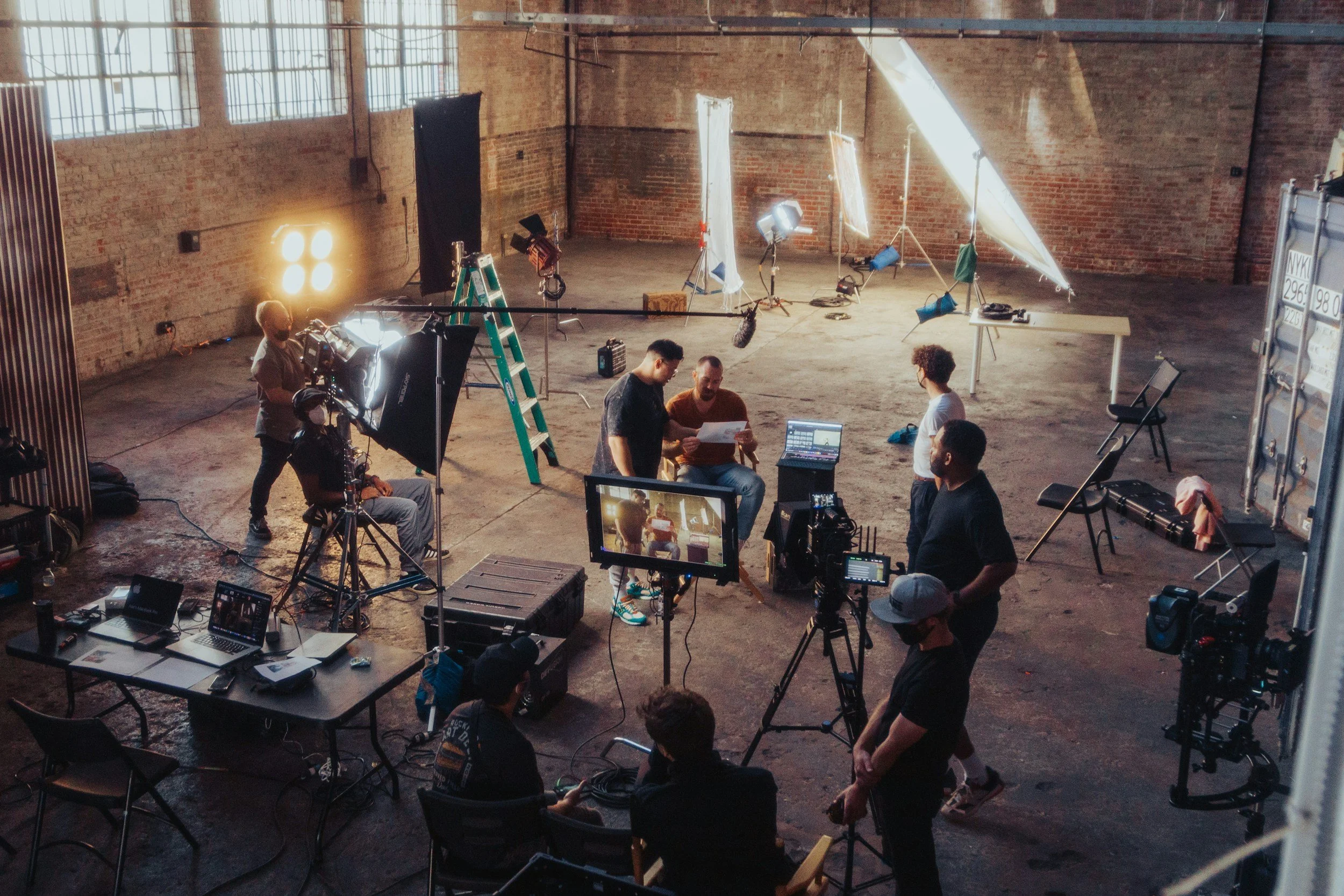
For decades, Los Angeles and New York were the obvious centers of commercial production. They had the agencies, the crews, the studios, the reps, the post houses, the celebrity talent, and the infrastructure. If a brand wanted to make something that looked expensive, those cities were often the default starting point.
But the way brands make content now is much more distributed.
Creative teams are remote. Agencies are spread across the country. Brands hire directors from anywhere. Production companies build crews around each project. Editors, colorists, sound designers, and animators collaborate across time zones. A brand based in Boston might hire a director in Colorado (like me, let’s chat), work with an agency in Portland, film in Utah, and finish the project with a post team in Los Angeles.
That kind of workflow is normal now.
The old map still exists, but it has expanded. Brands no longer need to assume that the best director for a campaign lives in one of two cities. They can hire based on taste, subject matter, process, location knowledge, and alignment with the story.
That shift has opened the door for directors in places like Colorado, Montana, Oregon, Washington, Utah, North Carolina, Vermont, Texas, and other production markets with strong creative communities. For outdoor, lifestyle, wellness, travel, sustainability, and adventure brands, this makes a lot of sense. If the story lives outside, in motion, in community, or in a place with texture, hiring a director who understands that world can be a major advantage.
Brands Want More Than Production Value
Production value still matters, obviously nobody wants their campaign to look sloppy but polished images alone are no longer enough.

Audiences have become fluent in advertising. They can sense when a brand is borrowing the surface of a lifestyle without understanding the culture underneath it. They know when an outdoor campaign feels like a stock footage montage. They know when a documentary-style commercial is using the language of humanity but still feels heavily manufactured.
That is why more brands are looking for directors with a point of view.
A strong commercial director does more than make footage look good. They help a brand understand what the story is, why it’s worth making, who it is for, and how it should unfold on screen. They know when to push for more emotion, when to simplify the message, when to let the subject speak naturally, and when to protect the audience from being over-explained to.
For many brands, especially in the outdoor and lifestyle space, this is where a director outside LA or New York can bring something valuable. They may be closer to the communities, athletes, landscapes, and ways of life the brand is trying to represent. They may understand the difference between a campaign that uses a mountain as a backdrop and a campaign that understands why people go to the mountains in the first place.
That difference shows up on screen.
Colorado Has Become a Strong Home for Brand Storytelling
Colorado is a good example of why the old production map is changing.
For brands searching for a Colorado director, the appeal is not just mountains. The state has a mix of outdoor access, athletic culture, wellness communities, tech companies, creative agencies, tourism destinations, and a strong base of commercial crew. Boulder and Denver both attract people who care about movement, design, entrepreneurship, conservation, health, and storytelling.
That makes Colorado a natural fit for certain kinds of branded work.
A trail running brand can film with athletes on the same kinds of terrain their customers dream about. A cycling company can build a campaign around training, weather, endurance, and daily effort. A wellness brand can connect its product to movement, recovery, food, sunlight, and place. A travel company can show the emotional pull of a destination without needing to fake the feeling. A technology company can use the landscape to test, explain, and humanize what it is building.
A Colorado commercial director can help connect those pieces. The value is not just access to locations. It is understanding how to use those locations with purpose.
A beautiful place can become empty very quickly if the story is thin. A ridge at sunset, a runner moving through golden grass, or a skier walking through town can all look good. But a brand film needs more than atmosphere. It needs tension, character, rhythm, and a reason to keep watching.
The best location supports the idea. It doesn’t carry the entire film by itself.
Smaller Production Markets Can Be More Nimble
Another reason brands are looking beyond LA and New York is efficiency.
Large production hubs are built for scale, which can be a huge advantage on certain projects. If a campaign needs major studio builds, celebrity talent, complex set design, large crews, union logistics, or a big agency structure, the coastal production model can make sense.
But many modern brand films need something more nimble.
A lot of the strongest commercial and documentary-style work today happens with smaller teams that can move quickly, stay close to the subject, and adapt when the story changes. That might mean filming a founder in their workshop, following an athlete through a training day, capturing a product in use on location, or building a campaign around a small number of meaningful scenes rather than a massive production footprint.
This kind of work benefits from a director who can wear multiple hats without losing sight of the bigger idea. Someone who can think like a strategist, shape interviews, collaborate with the brand, guide visuals, work with a lean crew, and still deliver something polished.
For brands, that can mean more of the budget goes on screen. Less time is spent feeding the machinery of production. More energy goes toward the story, the subject, the locations, and the edit.
That doesn’t mean smaller is always better. It means the production model should match the idea. A good director helps a brand figure out what the project actually needs, instead of defaulting to the biggest version of the shoot.
The Best Director May Be Closer to the Culture
When brands hire a director, they’re not just hiring someone to execute shots. They’re hiring taste, judgment, and cultural fluency.
That is especially important for outdoor, endurance, wellness, and lifestyle campaigns. These categories are full of subtle cues. The wrong wardrobe, the wrong language, the wrong pacing, the wrong trail behavior, or the wrong kind of “epic” can make a campaign feel disconnected from the audience it is trying to reach.
A director who lives near the culture may notice things that others miss.
They may understand that a trail running film should not always feel like a superhero trailer. They may know that a climbing story is often as much about trust, partnership, and patience as it is about the send. They may understand that outdoor audiences are drawn to effort, humor, friendship, texture, and humility, not just grandeur. They may know that the strongest brand moment is sometimes not the product close-up, but the human moment that gives the product meaning.
This is why location can matter creatively, not just logistically.
A commercial director in Colorado is often close to the kinds of stories outdoor and lifestyle brands want to tell. That proximity can shape everything from casting to locations to interview questions to the way movement is filmed. It can help a campaign feel more specific, more grounded, and more useful to the audience.
Brands Are Looking for Better Creative Partnerships
The shift away from automatic LA and New York hiring is also a shift toward more direct creative partnerships.
Brands do not just need vendors. They need collaborators who can help them figure out what to make and how to get the most value from the production. They need directors who can enter early, ask sharper questions, shape the concept, and build a plan that connects creative ambition with business goals.
That is a different relationship than simply showing up with a camera.
A strong director can help a brand decide whether the project should be a documentary-style commercial, a founder film, a product story, an athlete profile, a campaign anthem, a customer story, or a content library built around several shorter pieces. They can help identify the emotional center of the project before production begins. They can help make sure the final film serves the brand without feeling like a message dressed up as a story.
This is where the future of commercial directing is heading. Not toward one city. Not toward one production model. Toward directors who can combine taste, strategy, story, and execution wherever the best work can happen.
The Rise of the Director-Producer Mindset
One reason brands are becoming more open to directors outside LA and New York is that the role itself has changed.
In the past, a commercial director was often brought in after a concept was already built. The agency had the campaign. The production company had the structure. The director’s job was to bring taste, performance, visual approach, and execution to an idea that already had shape.
That still happens. On larger agency jobs, it is often the standard process.
But a lot of modern brand work doesn’t move that way anymore.
Many brands are building campaigns with leaner internal teams. They may have a marketing director, a creative lead, a founder, or a social team, but not a full agency shaping every piece of the campaign. They know they need a strong film, but they may not have the entire story figured out yet.
That creates a new need. Brands want directors who can also think like producers, strategists, editors, and creative partners.
They need someone who can ask, “What is this really for?” before asking what camera package to use. They need someone who can look at a rough idea and see the possible story inside it. They need someone who can help decide whether the strongest version is a polished commercial, a documentary profile, a short film, a series of social-first pieces, or a hybrid campaign.
This director-producer mindset is especially valuable outside the traditional production hubs because it allows brands to move more efficiently. Instead of hiring a large team before the idea is fully ready, they can bring in a creative partner who helps shape the path from concept to production to edit.
For a brand, that can make the whole process feel less bloated and more intentional.
The Internet Made Taste More Portable
Another reason geography isn’t as important as it once was is is simple: taste travels.
A director’s work is no longer discovered only through reps, agencies, or proximity to a production hub. A brand manager in Boulder, a creative director in Boston, a founder in San Francisco, or a producer in London can find a director through a portfolio, a Vimeo link, a YouTube film, a LinkedIn post, an Instagram reel, a newsletter, a case study, or an article like this one.
The internet has flattened a lot of the old discovery process.
That doesn’t mean reputation isn’t important, because it is, but reputation can now be built through the work itself, through clear positioning, through useful writing, through behind-the-scenes content, through festival runs, through client referrals, and through the way a director communicates their approach.
This is good news for brands because it gives them more options.
They do not have to choose from the same short list because that is where the industry has always looked. They can search for someone whose work actually matches the tone they want. They can find a Colorado director for a documentary-style outdoor campaign, a director in North Carolina for a surf and lifestyle piece, a filmmaker in Montana for a conservation story, or a team in Oregon for a trail running campaign.
The best fit may be closer to the subject, closer to the audience, or closer to the visual world the brand wants to enter.
That is a healthier creative ecosystem.
Cost Is Part of the Conversation, But Not the Whole Point
It would be easy to say brands are looking outside LA and New York because it is cheaper and sometimes, that is true. Production costs can be different outside major coastal markets. Travel, crew, locations, permitting, overhead, and production company structures can all affect the final budget but cost alone is not the most interesting part of the shift.
The bigger question is value.
A brand doesn’t just want to spend less. It wants to spend better. It wants more of the budget to support the things the audience will feel: the story, the locations, the talent, the cinematography, the edit, the sound, the color, the emotional arc, and the usefulness of the final assets.
Sometimes a smaller-market director can create a better fit because the production model is more efficient. The project may not need ten layers of process. It may need someone with excellent taste, a strong crew network, local knowledge, and a clear understanding of the audience.
A leaner production can also lead to better access. Documentary-style work often benefits from a smaller footprint because subjects can relax more, locations feel less staged, and the crew can move with the moment instead of constantly resetting the machine.
That doesn’t mean cutting corners. It means choosing the right shape for the project.
The best brands are not simply asking, “Where is the cheapest place to make this?” They’re asking, “What kind of creative partner gives this story the best chance of working?”
More often than before, that answer is not limited to LA or New York.
Place Can Give a Brand Film a Point of View

One overlooked reason to hire outside the traditional hubs is that place can influence taste.
A director’s environment affects what they notice. Someone based in Colorado may have a different relationship to weather, movement, endurance, landscape, risk, and outdoor culture than someone who works mostly on soundstages or urban sets. Someone based in the Pacific Northwest may bring a different sense of atmosphere, water, forest, and mood. Someone based in the South may have a different ear for community, food, music, and family stories.
This is not about saying one place produces better directors than another. It is about recognizing that a director’s world can shape their creative instincts.
For brands, that can be powerful.
If a campaign is about outdoor life, endurance, health, conservation, community, travel, or human connection to place, then hiring a director who is close to that world can create more specific work. The details become sharper. The locations feel less generic. The casting feels more natural. The story can breathe in a way that matches the culture instead of borrowing the aesthetic from a distance.
In an era when so many brand films look similar, specificity is important.
A brand doesn’t need another pretty montage of people moving through landscapes. It needs a perspective. It needs a reason for the audience to care. It needs a film that feels connected to an actual way of living, not just a treatment board.
Place can help create that.
Agencies Are Expanding Their Creative Networks
Agencies are part of this shift too.
Many agencies still work with established production companies in LA and New York, especially for larger broadcast campaigns. But agencies are also looking more broadly for directors who fit specific projects. A campaign for a trail running brand may require a different creative partner than a fashion spot, a tech launch, a healthcare story, or a tourism film.
The best agencies want options. They want directors with distinct voices. They want collaborators who understand the culture of a project and can bring something specific to the table.
That is why a director based outside a traditional hub can become appealing. They might offer a combination of subject matter fluency, location access, production efficiency, and a visual style that feels right for the campaign.
For agencies, working with a regional director doesn’t have to mean sacrificing production quality. It can mean building a better team around the idea. The agency still brings strategy, brand context, creative direction, and client knowledge. The director brings story instincts, visual execution, and knowledge of the world being filmed.
When that partnership works, the final campaign feels more alive.
What Brands Should Look For in a Director Outside LA or New York
Hiring outside the traditional hubs can be a smart move, but the criteria still matter.
A brand should not hire someone only because they are local or more affordable. The director still needs to have the right creative judgment, portfolio, process, and ability to lead the project.
Look for work that feels close to what you want, not just work that looks expensive. A director’s portfolio should show that they can handle story, pacing, emotion, visuals, and subjects in a way that matches your brand. If you are making a documentary-style commercial, look for interviews that feel natural, scenes that unfold with purpose, and edits that hold attention beyond the first few beautiful shots.
Also look at process. Does the director understand the business goal? Can they talk about audience, deliverables, usage, cutdowns, and campaign context? Can they help shape the idea before production? Can they build the right crew? Can they guide post-production? Can they communicate clearly when tradeoffs need to be made?
Location knowledge is important too, especially for outdoor or travel-heavy shoots. A director who understands the area can help with timing, access, permits, weather, crew, safety, and backup plans. Those details are not glamorous, but they can determine whether the production works.
The right director should make the project feel more focused, not more complicated.
Why This Shift Is Good for Brands
The move beyond LA and New York is not a rejection of those cities. They remain two of the most important creative centers in the world.
But brands now have a wider field of options. That is the point.
A brand can choose a director based on the story instead of the default geography. It can find someone who understands the culture, the audience, the landscape, the production style, and the emotional tone of the campaign. It can build a team that fits the project rather than forcing the project into a familiar system.
That gives brands more creative freedom.
It also creates better conditions for work that feels specific. And in modern marketing, specificity is one of the hardest things to manufacture. Anyone can make something look polished. Fewer people can make something feel precise, human, and memorable.
That is why brands are looking elsewhere.
They’re not just trying to find different production markets, they’re just trying to find better creative fits.
Final Thoughts
Los Angeles and New York will always matter in commercial production. They have deep talent pools, unmatched infrastructure, and decades of creative history. For many projects, they are still the right choice.
But they’re no longer the only choice.
The future of brand filmmaking is more distributed, more specialized, and more closely tied to the communities and cultures brands want to represent. A commercial director in Colorado, Oregon, Montana, North Carolina, Utah, or anywhere else can now compete not by pretending to be in LA or New York, but by bringing something those markets cannot always offer: proximity to a specific world, a sharper sense of place, and a production model built around the needs of modern brands.
For outdoor, lifestyle, wellness, travel, and mission-driven companies, that shift is especially meaningful. The best director for the job may not be the person closest to the agency. It may be the person closest to the story.
And that is why more brands are looking beyond LA and New York.
Why We Should Work Together…
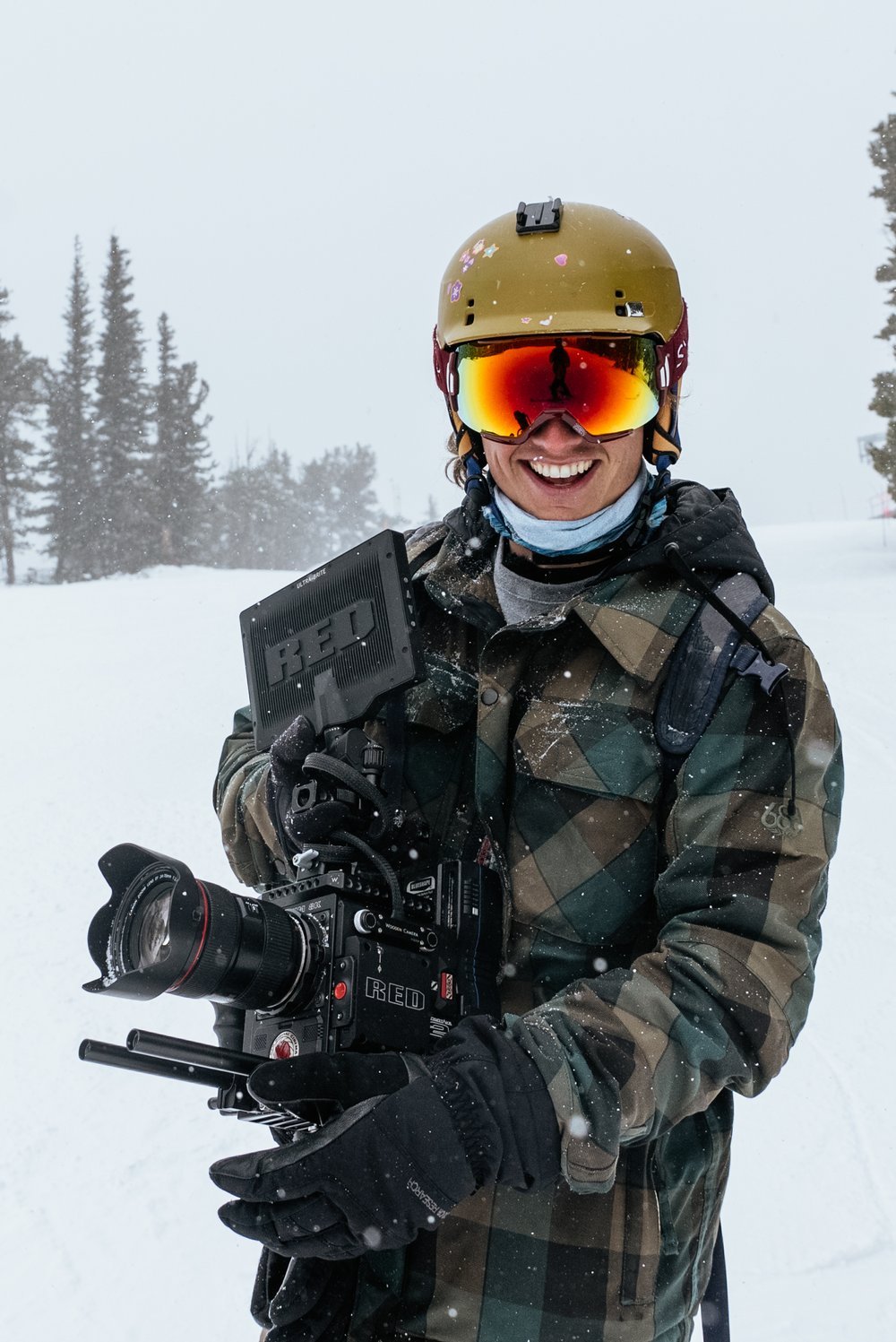
When I’m not on this website rambling on about filmmaking, I’m actually out there making films. From crafting memorable branded documentaries to capturing stories and products that move people, I’ve got you covered. Need a filmmaker who can scale mountains, brave the surf, or just tell a dang good story? Let’s chat!
In case I haven’t convinced you, here are three reasons why it might be fun to work together…
I believe in stories that stick with you - like campfire smoke on your clothes. The kind that makes you laugh, cry, or immediately want to call your mom.
I’m just as comfortable at 14,000ft as I am in front of a timeline. You get me in the mountains, in the ocean and in the editing room, making sure the magic out there really shines in the final cut.
I’ve filmed in some pretty wild places, but the best stories are the ones that bring people together. It’s those shared moments -big or small - that remind me why I love what I do.

Let’s Connect
Roo is an Emmy nominated commercial/documentary filmmaker and photographer based in Boulder, Colorado but travels all around the world for his filmmaking career. He has directed documentaries for Patagonia in California, produced films for Outside Magazine throughout Europe and Africa, camera operated for Netflix in the Rocky Mountain West, photographed among indigenous communities in South America, and has received notable recognition in the outdoor industry for his work telling uplifting stories in the outdoor space.