
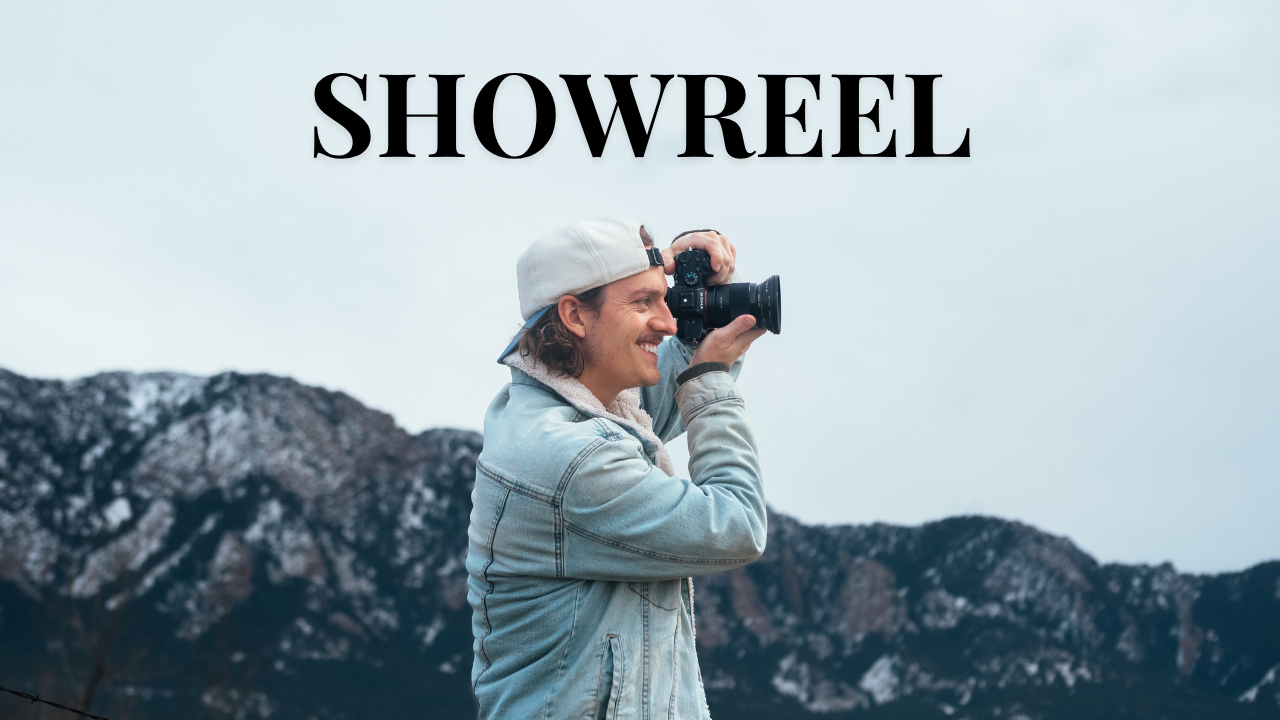

While filming Goat Surf Club in Ireland, I eventually put the camera away and went surfing. Ben and Thomas were out there, the waves had come together, and being part of the day mattered. I had spent some time filming and flying the drone. Then it was my turn to get in.
That decision feels pretty relevant to outdoor brand social media. The friendships and slightly awkward logistics are part of what gives the activity its character, including the reasons someone keeps showing up. A camera can help other people feel that world when we spend enough time understanding it.
So here’s my starting point: give people something worth joining. That could be a useful conversation, a recurring film series, a repair habit, a local run or a person whose story they want to follow. Beautiful scenery helps. A reason to care does more of the work.
What does “working” actually mean?
Public likes and views tell us that something happened on a screen, although I’d want to understand what the brand hoped would happen next. Someone learning how to use a product has had a different experience from someone returning for another episode. Joining a group or sending a film to a friend might matter more for a particular project. Deciding which response we want gives us a better way to judge the work.
An outdoor brand can reach a million distracted people and still struggle to explain why it exists. A smaller film can reach a useful audience and start a relationship. Both possibilities deserve a place in the conversation, and neither follows automatically from a view count.
The examples here show creative approaches worth studying. They are examples of publishing and storytelling choices, rather than evidence of private sales results. I can explain my own filmmaking decisions, while another company’s commercial results would require evidence beyond the work it publishes.
Before making anything, I’d choose a job for it, whether that means helping a new customer understand some gear or introducing the people behind a product. A film intended to welcome someone into a community needs a different ending from a practical demonstration. Getting clear on that early makes the creative discussion much easier.
Show a person doing something specific
Outdoor marketing has an incredible supply of mountains. I love mountains. I also think the person eating a snack halfway up one may give us a more useful opening than the fifteenth aerial of the summit.
Specificity gives a viewer a way in by helping them understand who a person is and what they’re trying to do today. An elite athlete, a weekend climber and someone learning to ride a bike will have different stakes. Each person can still give us a compelling reason to care once we understand what the day means to them.
Arc’teryx’s Keep It Real 2 offers an interesting example. The brand describes a Fontainebleau bouldering trip built around a crew of friends and the experiences surrounding the climbing. That premise has room for performance and personality together. A viewer can enjoy the relationships even with very little interest in climbing grades.
That’s a useful brief for a brand film: give the audience more than one way to care. Athletic achievement can carry one part of the story. Friendship, uncertainty, humor and effort can carry others. You end up welcoming people into the experience instead of asking them to arrive with the same vocabulary as your most dedicated customers.
Let the product earn its place in the story
A product belongs in outdoor storytelling when it has a real role, whether someone is using a boot or repairing a jacket. Seeing how that item affects a person’s day gives us something observable to film. The details can explain its value in a way that feels connected to the activity.
Patagonia’s Worn Wear stories are useful to study here. Repair and continued use create a whole world of characters, choices and history around clothing. The item can become a way into someone’s life. That is a richer starting point than a list of adjectives attached to a perfectly clean product.
My film with Katie Lamb, Make It Last, lives in that territory of making, repairing and caring for clothing. The human practice gives the film its shape. The brand connection has somewhere meaningful to sit because the person and activity already deserve attention.
For another brand, the right approach could look completely different. A technical demonstration may be exactly what the audience needs. The question is whether the product’s presence helps the viewer understand something. If a scene works only because a logo is visible, I’d keep looking for a stronger reason to include it.
Useful content can have a personality
There’s plenty of room between a glossy campaign and a dry instructional video. I think outdoor brands can do good work in that middle ground: answer a real question with someone viewers enjoy spending time with.
A guide preparing for the day could answer useful questions while giving us a sense of their personality. A designer handling an early prototype can explain a choice through something we can see. Even a conversation about what an athlete packs has room for the slightly strange personal item that makes the person memorable.
The information should be accurate enough to trust. The delivery can still be relaxed. A person demonstrating something clearly, in an environment where they actually use it, has a natural advantage over a script trying to sound casually enthusiastic.
I’d build these ideas from customer questions, conversations at events and the things people repeatedly ask a team. Search data can help too. Start with the words people already use, then make the answer feel like it came from a person who cares. That gives the piece a useful life beyond the first afternoon it appears in a feed.
Create a world people can return to
A single campaign can introduce a brand beautifully. A recurring format gives people a reason to come back. The distinction matters because a social calendar full of disconnected posts can ask the audience to start from zero every week.
Trail House has been a useful project for thinking through this. Following runners sharing a house creates recurring people, a place and developing questions. A training decision in one episode can have consequences later. Viewers have something to carry forward.
The first episode involved eight days of filming and editing for a roughly twenty-minute film. That is a specific production experience, rather than a template for what every brand series costs or requires. The bigger lesson is that a series needs enough access and editorial attention to follow change.
An outdoor brand could build a smaller recurring format around one repair with one customer or a local route explored with a different guide each month. The promise should be clear enough to recognize and flexible enough for real people to surprise us. Returning to a familiar format can be enjoyable when each person brings something different to it.
Give each platform an actual job
I’d begin with the audience’s situation, then choose the format. A short vertical piece may introduce a character while someone scrolls on a phone. A longer YouTube film may give that character room to develop. An email can bring interested people back when the next chapter is ready.
These pieces can share a story while doing different work. A good short edit offers a complete small experience. It can also point toward a longer film. Simply removing the middle of a film rarely produces a satisfying short version, because the opening, context and ending usually need fresh decisions.
In its 2025 annual letter, YouTube said TV had surpassed mobile as its primary US viewing device by watch time. That is a useful reminder that a YouTube audience can be sitting on a couch, ready to stay. It is a platform-wide figure, with many kinds of viewing inside it, so it gives us context rather than a guaranteed outcome for an outdoor film.
I’d plan the main film and supporting edits together. Discuss channels, framing, captions and usage before the shoot. Then scope the work around those choices. That protects the creative idea and helps a team avoid discovering a whole extra delivery list halfway through post-production.
A useful production conversation also includes permissions, music, talent agreements and the length of time a brand intends to use the finished work. Those details affect what can travel between channels. Get them clear while the creative is taking shape, so the final edits have a sensible home.
Bring the relationship off the feed
Outdoor brands have a lovely advantage: the things they celebrate often happen with other people, in actual places. A screening, repair session or local outing can give a digital story another life.
The event still needs a reason to exist for the people attending. A run should feel like a good run. A screening should reward the trip across town. The camera can document what happens, but the experience deserves care before anyone decides where the recap will go.
Arc’teryx’s February 2024 film night in Edmonton offers one concrete example of this connection between films and gathering. The point for another brand is the underlying relationship: a story can invite people into a shared experience, and that experience can generate further stories naturally.
I’d look for the shops, coaches, clubs and volunteer groups already bringing people together in a place. Working with those people takes listening and clear expectations. It also gives the brand a chance to contribute something useful. The strongest community idea may be fairly simple, which is good news for everyone carrying the folding chairs.
Measure the relationship you hoped to build
For a practical review, I’d separate attention, engagement and business outcomes. Attention might include reach and video starts. Engagement might include viewing time, returning viewers, saves, meaningful replies and visits to a relevant page. Business outcomes might include qualified inquiries, purchases or repeat customers where tracking actually supports the connection.
Each measure has limits. A person may watch on one device and buy later on another. A customer may discover a brand through a friend. Attribution can be useful while remaining incomplete. I’d rather make a clear, modest claim than hand a beautiful film credit for every good thing that happened afterward.
Read the comments and messages alongside the numbers. Look for responses that mention a character, raise a useful product question or describe something the viewer recognized from their own experience. Those responses can help explain why a piece connected and suggest what deserves a follow-up.
Give the team enough time to learn from a format before replacing it. Keep a simple record of the creative premise, intended audience, distribution choices and results. Otherwise every review turns into an argument over whichever number happens to look largest that day.
A manageable place to start
If I were shaping the first month with an outdoor brand, I’d choose one real person, one useful question and one opportunity for the audience to participate. That is enough material for a thoughtful conversation before anyone builds a giant content calendar.
Spend time with the person. Find the decision or activity that reveals who they are. Make one strong piece, then plan a few supporting edits with distinct purposes. Give viewers somewhere relevant to go next and make sure someone is there to respond.
The production can be small or substantial depending on access, locations, creative ambition and deliverables. I build the crew around those needs. The scale should help the story happen well, with enough room for people to feel comfortable and for the team to do careful work.
I keep coming back to that Ireland surf session. The film mattered, and so did getting in the water with my friends. Outdoor marketing gets more interesting when it remembers the second part. Make something that helps people feel the activity, meet the people and imagine joining in. That feels like a pretty good reason to open a camera bag.
For the next round, follow the strongest unanswered question. Maybe viewers want to meet another member of the crew. Maybe a practical explanation deserves its own film. That gives the calendar a thread. The team can still respond to a timely moment, while the larger body of work gradually becomes recognizable as something only this brand could make.

Why We Should Work Together…
When I’m not on this website rambling on about filmmaking, I’m actually out there making films. From crafting memorable branded documentaries to directing and producing , I’ve got you covered. Need a filmmaker who can scale mountains or producer/director who can bring your $100k campaign to life? Let’s chat!
Let’s Connect
Roo is an Emmy nominated commercial/documentary filmmaker and photographer based in Boulder, Colorado but travels all around the world for his filmmaking career. He has directed documentaries for Patagonia in California, produced films for Outside Magazine throughout Europe and Africa, camera operated for Netflix in the Rocky Mountain West, photographed among indigenous communities in South America, and has received notable recognition in the outdoor industry for his work telling uplifting stories in the outdoor space.