
A finance company can make a film that people choose to watch, remember, and pass along. The ingredients are a story with a reason to care, thoughtful filmmaking, and a plan for reaching the people who will find it useful.
Awards and viral reach are outcomes. They depend on audiences, timing, competition, distribution, and plenty of variables outside a production team’s control. I’d build the film around something we can actually shape: a clear creative idea, real people, and a viewing experience worth someone’s time.
I’m Roo Smith, a documentary and commercial filmmaker based in Boulder, Colorado. Here’s how I approach ambitious financial services video production, drawing on my work directing and producing commercials for Elevations Credit Union.

Start with a story someone would tell a friend
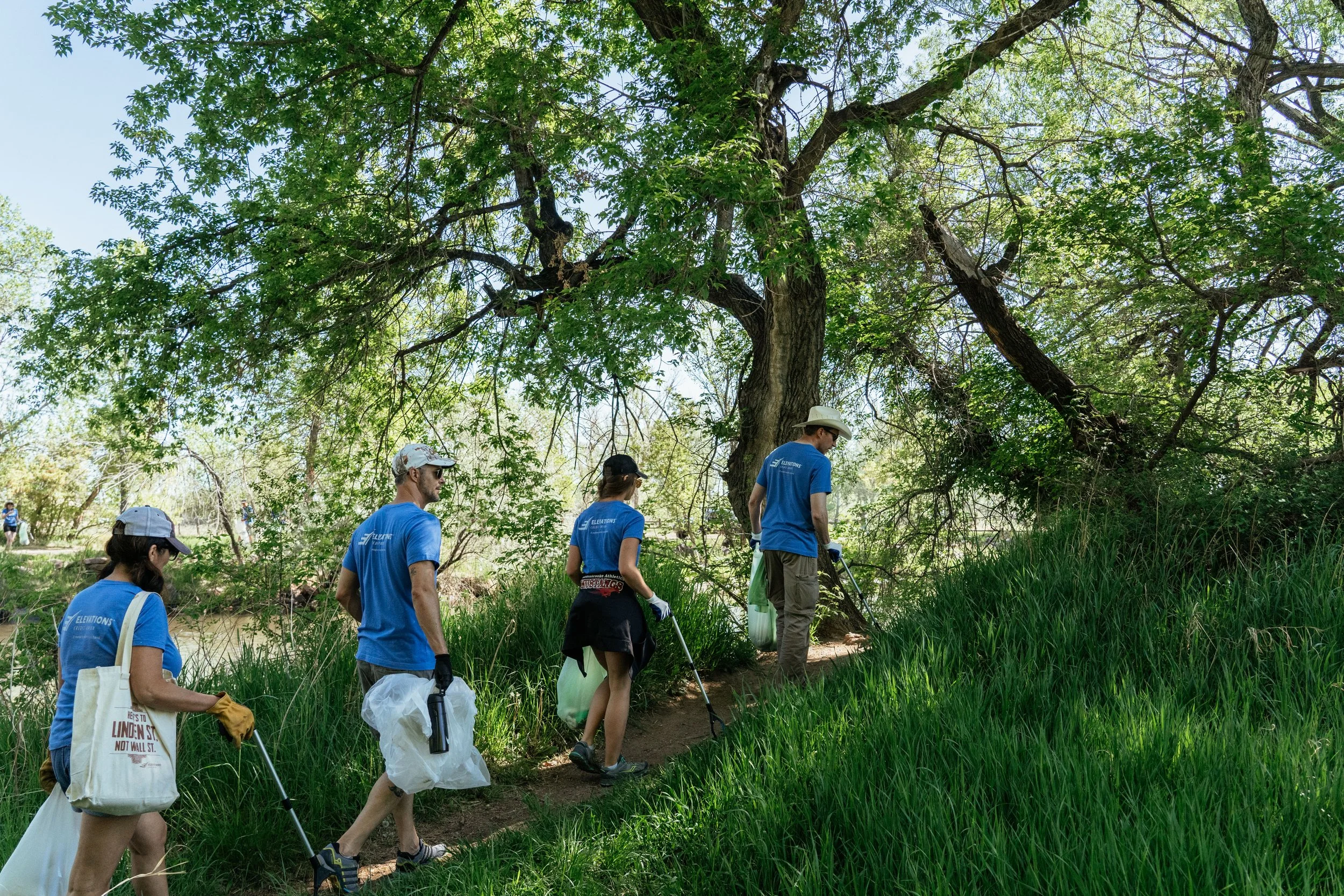
“We care deeply for our community” gives a viewer a claim to consider. An employee spending a morning pulling trash from a river gives them a person, a place, and an action they can remember. That difference is where I’d begin.
For a financial company, the strongest starting point may live well beyond a conference room. It could be a business owner opening the doors each morning, an employee teaching a useful skill, or a team solving a practical problem for the people it serves.
I’d spend time learning which of those stories your company can tell honestly. We would look for a person with something at stake, a situation that can be filmed, and a clear connection to your business. A good subject gives the production something to discover.
Find a specific reason to care
The audience needs a way into the story. A familiar frustration, an interesting character, a surprising detail, or a question can provide that opening. I want the first few seconds to make a promise the rest of the film can keep.
For example, a restaurant owner preparing for the lunch rush gives us immediate motion and a recognizable situation. We can see the effort behind the business before anyone explains the larger idea. That creates room for a financial institution’s role to become meaningful within the story.
Keep the company’s role clear
A moving film still needs a useful connection to the organization commissioning it. During development, I’d ask why this company is the right one to tell this story and what the viewer should understand by the end.
That answer helps guide the interviews, the visual approach, and the final invitation. It also gives your marketing team a practical way to judge ideas before spending money on production.
What my Elevations Credit Union work shows
I directed and produced two thirty-second commercials with Elevations Credit Union’s internal team and Cultivator. One followed a community river cleanup. The other centered on Marco’s Hot Dogs & Tacos in Longmont.
The restaurant film involved filming during real business hours, with the lunch rush unfolding around us. The production needed preparation, releases, and enough flexibility to respond to the people and activity already there. A handheld approach helped the footage stay connected to the energy of the place.
The spots were made for Hulu, regional broadcast television, and digital use. Those destinations shaped the work from the beginning. You can read the full Elevations Credit Union commercial case study to see the process behind the campaign.
I’m using this project as an example of a human approach to finance storytelling. The useful lesson is how a financial brand can enter a story through the people and community it supports.
Make the craft serve the person on screen
Beautiful images can draw someone in. The images work harder when each one tells us something. A hand moving across a counter, a glance between coworkers, or the rhythm of a familiar task can give a short film texture and character.
I think through the camera position, light, movement, and sound together. A wide frame can establish a place. A close detail can help us understand the work. A held shot can give a meaningful moment enough time to register.
Good interviews begin before the question
People usually give better answers when they feel comfortable with the person asking. I’d make time for a conversation before recording, explain the process clearly, and give someone room to answer in their own language.
Specific prompts help. Walk me through the morning. What happened next? Which part was harder than you expected? Those questions tend to produce details an audience can picture. Follow-up questions are often where the best material appears.
Sound makes the place feel real
The sound of an order being called, water moving past a cleanup crew, or a door opening can carry information and feeling. I plan for those sounds during the shoot so the edit has more to work with than interview audio and a music track.
Music then becomes a deliberate choice. It can support pace and emotion while leaving space for a person’s voice. Licensing needs to cover the intended use, including the platforms and campaign plan your team has approved.
Give people a reason to share the film
People share things for different reasons. A film may help them explain an idea, recognize their community, celebrate someone they know, or express a value they care for. I’d identify that reason while developing the concept.
A finance video aimed at small business owners might be especially useful inside a local business community. An employee story may travel through professional networks. A practical product demonstration may reach a narrower audience and still be valuable to the company.
That is why I’d ask who you hope will pass the film along, and to whom. The answer helps us choose a story and build a realistic release plan.
Plan a meaningful finance film
Build distribution into the production
A website film, a paid social ad, and a conference screening create different viewing conditions. Before filming, I’d want to know the expected screen size, whether viewers will hear the audio, and how much context surrounds the video.
That conversation affects composition, captions, opening shots, graphics, and the length of each version. Planning vertical framing during the shoot gives us better options for a mobile edit. Planning a short opening sequence gives us material for several introductions.
Create versions with distinct jobs
A campaign could include a main film, a shorter introduction, individual character moments, still photographs, and selected frames for the landing page. Each asset should have a destination and a reason to exist.
I’d define the delivery list in the scope, including aspect ratios, captions, review rounds, and any photography coverage. That makes the creative ambition easier to budget and gives your team a clearer plan for using the finished work.
Leave room for review
Financial services teams often bring several perspectives into a review. I’d identify the people responsible for brand, subject accuracy, and any required approvals early, then build their review points into the schedule.
The production can prepare clear treatments, interview themes, and rough cuts for those conversations. Your team’s designated reviewers can determine which claims, permissions, and disclosures the final use requires. Clear ownership keeps feedback useful.
Choose success measures before the release
If your goal is a better first impression with potential clients, the useful measures may include engaged visits, qualified inquiries, or feedback from the sales team. If the film supports recruiting, the questions may center on candidate understanding and application quality.
Views can help describe reach. They tell a fuller story alongside the audience reached, the viewing context, and what happened afterward. I’d decide which signals matter before the campaign launches so the team can learn from the results.
Awards have their own criteria and entry requirements. If entering a particular competition matters to your company, bring that into the planning conversation. We can account for deadlines, delivery specifications, and the materials needed to present the work accurately.
Put the budget where the idea needs it
An ambitious film may need more development, several shoot days, a larger crew, or a detailed sound and graphics finish. Another idea may work beautifully with a focused day and a small team. The concept should explain the production choices.
My role can include creative development, directing, cinematography, production, interviews, and the edit, with additional collaborators brought in around the scope. I want you to understand what each part contributes to the finished film.
The branded documentary pricing guide is a useful place to start thinking through that investment. Then we can shape a proposal around your audience, access, timeline, and actual deliverables.
Make a film your company is proud to stand behind
I’d love to make work that travels, earns recognition, and creates opportunities for your team. The starting point is a story we can tell well, with people treated thoughtfully and a clear purpose guiding the creative decisions.
Bring me the company, the audience, and the opportunity you see. We can work together to find the human story and turn it into a memorable film your team can use with confidence.
Let’s Connect!

If you’re looking for creative partner to lead a story-driven campaign from start to finish, I’m here to help you create work that actually moves people.
My goal isn’t just to make beautiful content, it’s to make something that you feel good about, the audience feels great about and everybody leaves the process full of joy.
Fill out the form and tell me a bit about your vision.
I personally read every inquiry and usually respond within 24 - 48 hours.
This isn’t just a contact form - it’s the start of making something meaningful together :)