
Filming Enveda: Biotech Video Production and Lab Photography in Colorado
An all-white backdrop, a series of lab products, and a plant that glows under a black light. Those are a few of the ingredients from my recent shoot for Enveda, and they give you a pretty good sense of the visual range we were working with.
For this part of their larger campaign, I filmed and photographed the lab and warehouse. We built a white cyc using paper backdrops, lit products to showcase the company’s innovation, and used a black light with a red filter to photograph a fluorescent plant.
We got some sweet stuff.
The project also captures how I approach biotech video production in Colorado: find the interesting things actually happening inside a company, then give them the attention, lighting, and visual treatment they deserve. There were people, plants, products, and technology to work with here. The fun was figuring out how to bring each of them into the campaign.
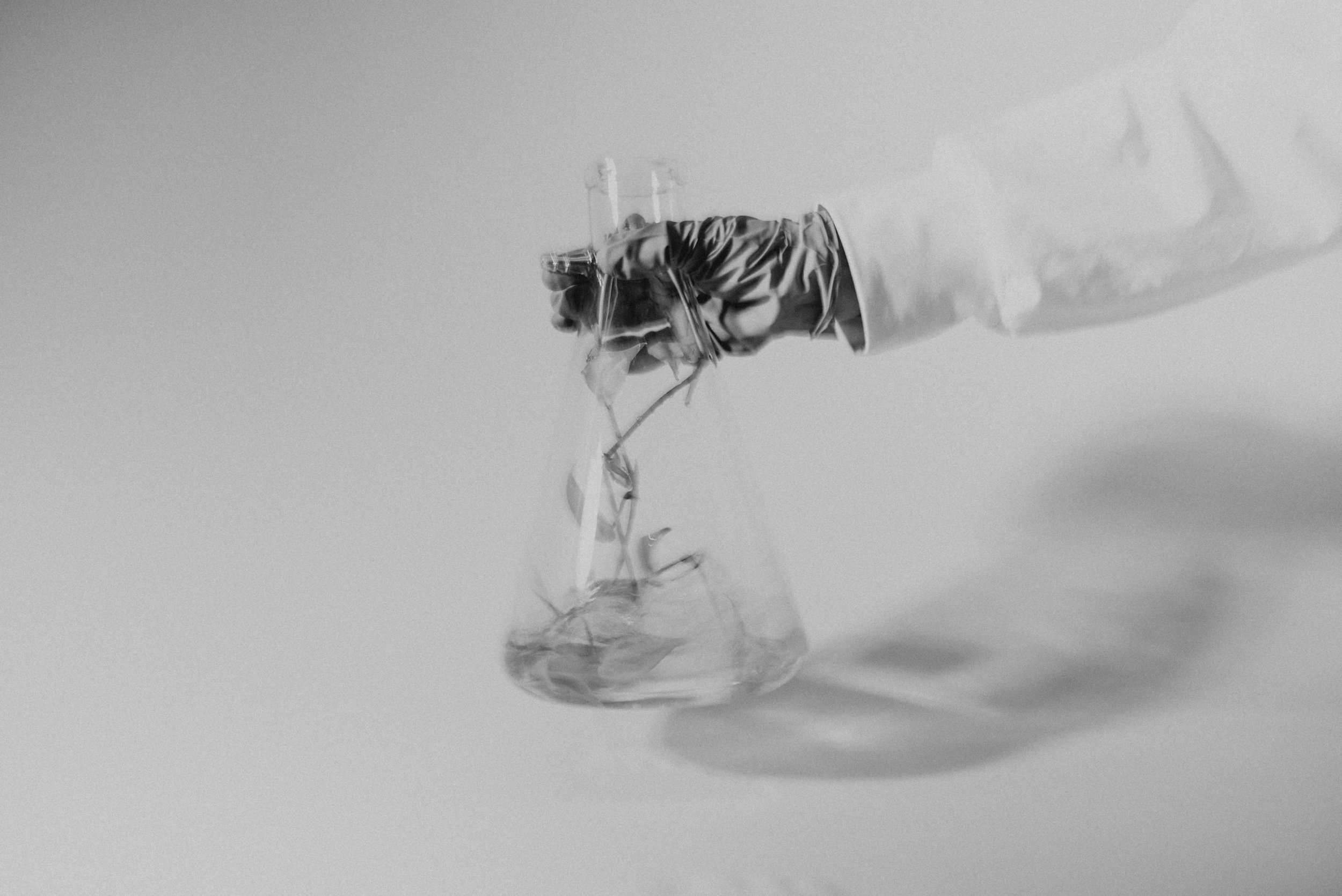
The brief asked us to think cinematically
The shoot outline included a question that gave the whole production a clear creative direction: could the images feel like the opening sequence of a high-end science fiction series?
That is a useful starting point. It gives you permission to consider scale, unusual perspectives, reflections, and isolated details. It also asks you to think beyond recording what a room looks like.
The feeling still needed to be sophisticated and hopeful. The imagery had to support the company and the people doing the work.
Enveda’s drug discovery platform brings together natural chemistry, artificial intelligence, and automated laboratory work in the search for new medicines. For this shoot, the lab and warehouse gave us physical subjects through which to explore that bigger story.
The creative direction connected those subjects. A plant could receive the same careful visual attention as a piece of technology. A product could become the center of an image. The campaign gave us a reason to look closely at things that someone working there might pass every day.
Building a white cyc for the lab products
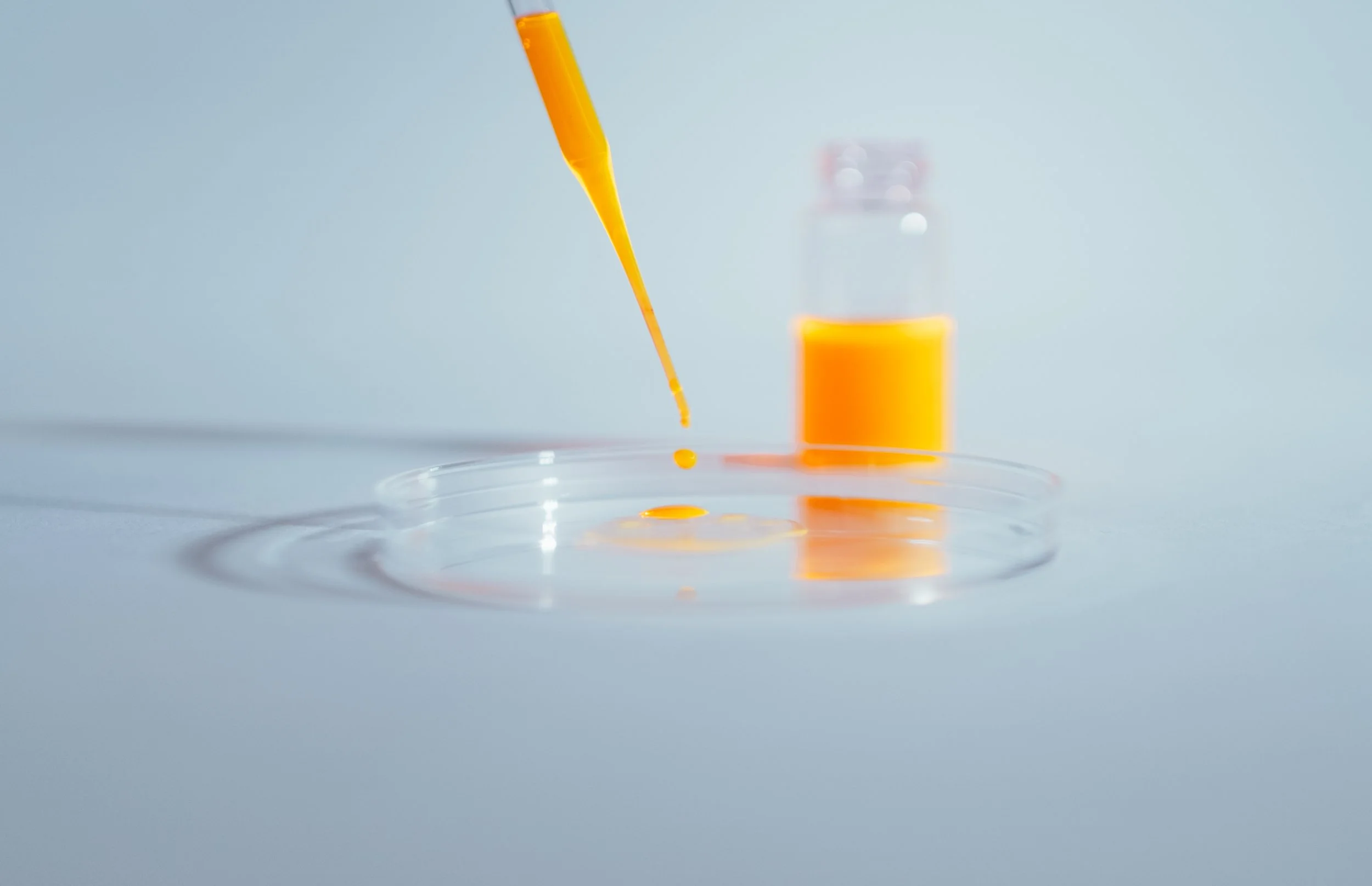
One of our setups was an all-white cyc built with paper backdrops. Think of it as a seamless white environment that lets the subject take over the frame.
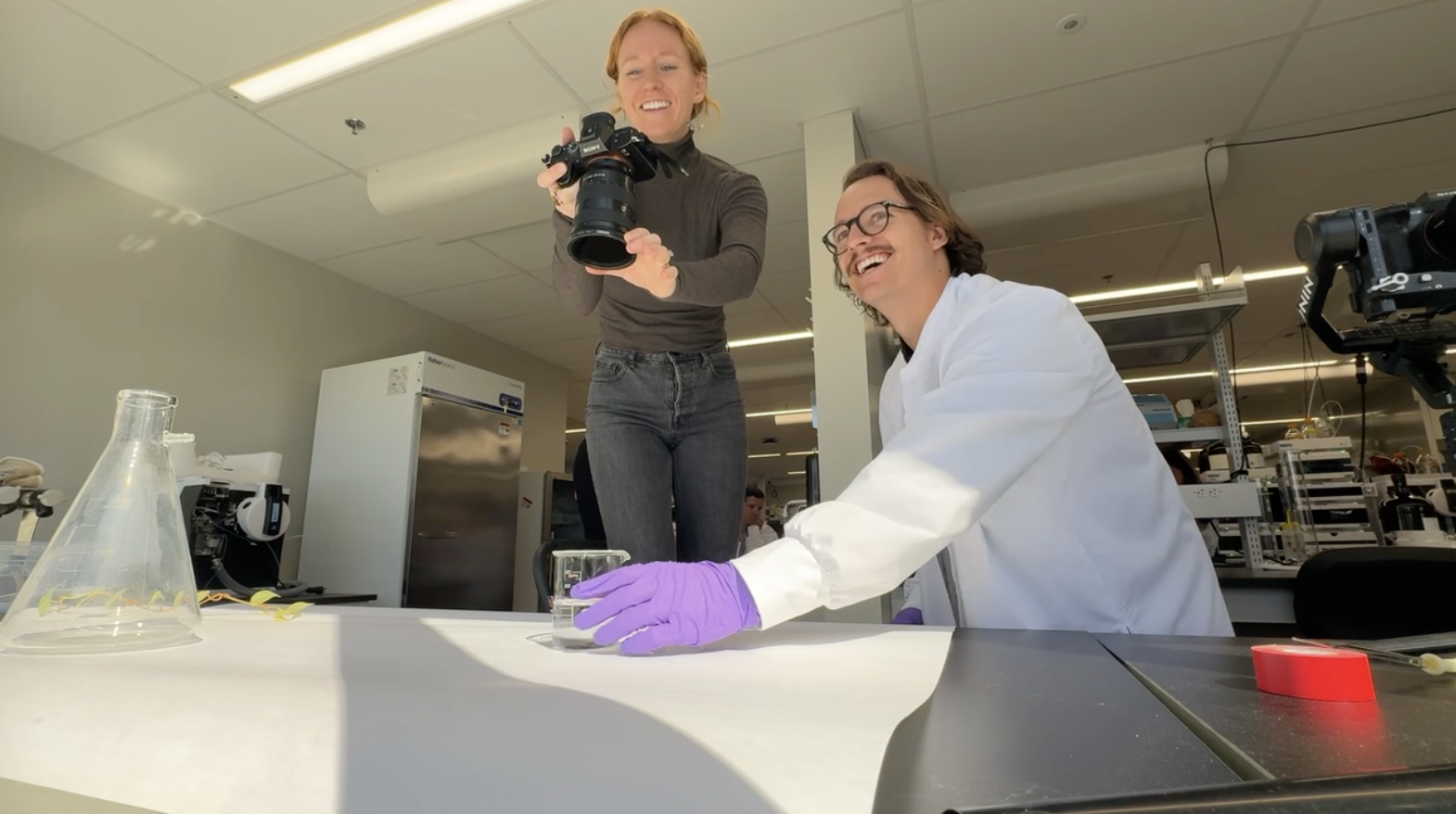
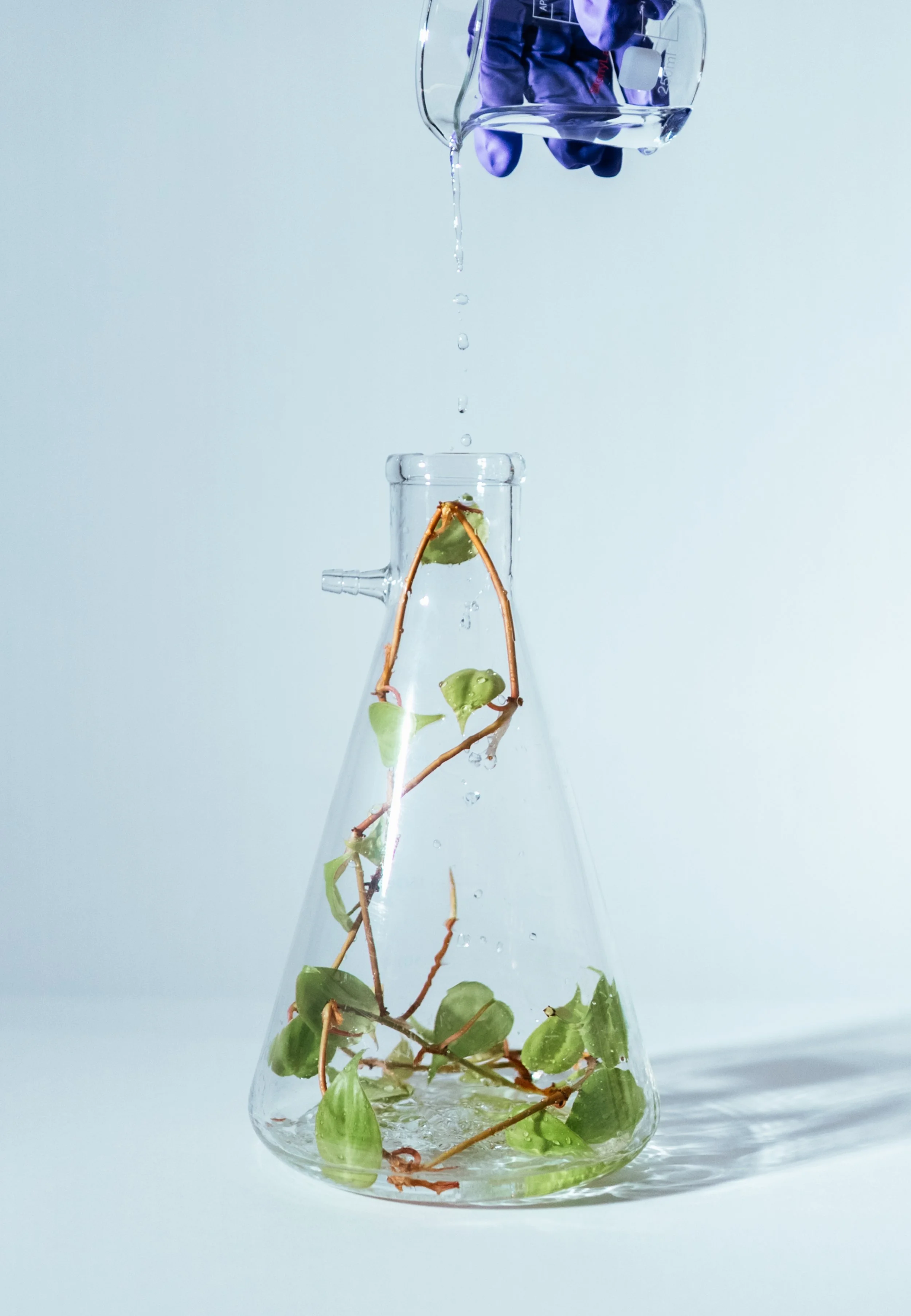
We used it to light a series of lab products and showcase Enveda’s innovation. That gave this part of the shoot a more deliberate product photography treatment, with the objects themselves carrying the image.
A white background sounds simple. In practice, it asks you to pay attention to everything that remains visible. The shape of the subject, its edges, the way light falls across it, and the space around it all become more noticeable.
That is why this kind of setup works well alongside footage from a working lab. An environmental image gives the viewer context. An isolated product image gives them one thing to look at closely. Together, they offer different ways into the same company.
For me, the interesting part is finding the right degree of simplicity. I want enough information for the subject to feel tangible. Texture, shape, and a sense of dimension still matter inside a clean frame.
The white cyc also gave us a shared environment for a series of subjects. That consistency is useful for campaign photography because the images can sit together while allowing each product to have its own presence.
It is a small production setup with a very specific purpose: create a clear place for the audience to look.
Making the laboratory feel active
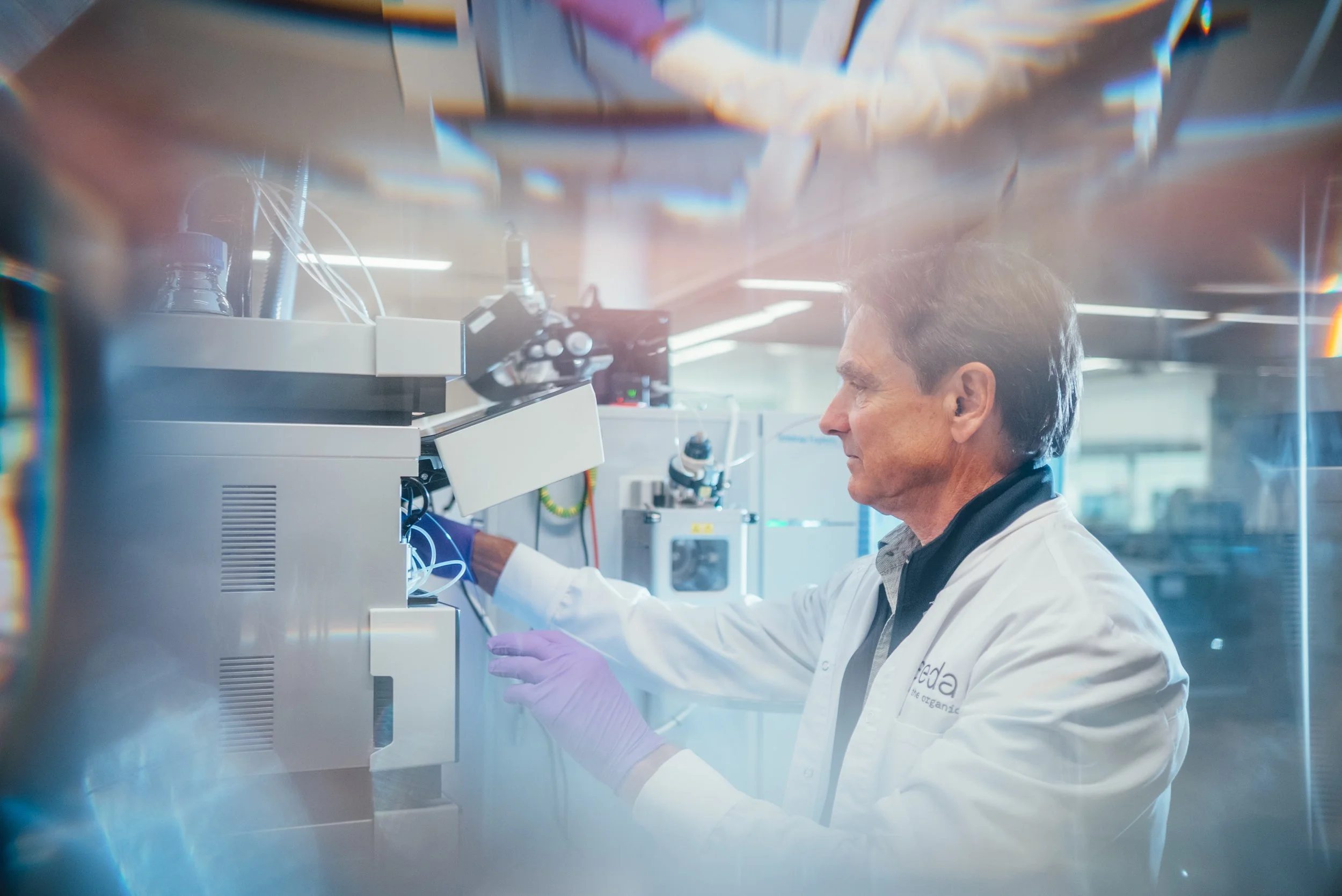
The lab was the priority in the shoot outline. Its direction centered on people actively working, scientists alongside machines, equipment details, and robotics with visible movement.
Those subjects need different kinds of coverage. A wide composition helps establish the environment. A closer frame can show how a person relates to the equipment. A detail draws attention to an action that might disappear in the larger view.
I think of that as giving the audience somewhere to stand, then bringing them closer.
Movement is another consideration. Some of the most important work in a lab can be visually subtle. The outline specifically called for actions a viewer could follow, including automated sample handling and interactions between people and machinery.
A robotic arm moving a plate, for example, offers a beginning, a movement, and an arrival. A person loading equipment introduces another point of attention. Those are useful visual building blocks for an editor.
The camera can respond in different ways. A held composition lets the action set the pace. A gradual move can reveal a relationship within the frame. The choice depends on what deserves the viewer’s attention.
That is where cinematic lab video production gets interesting for me: using the camera to make real activity feel clear and compelling.
A fluorescent plant and a different kind of light
Another setup took the imagery in a very different direction.
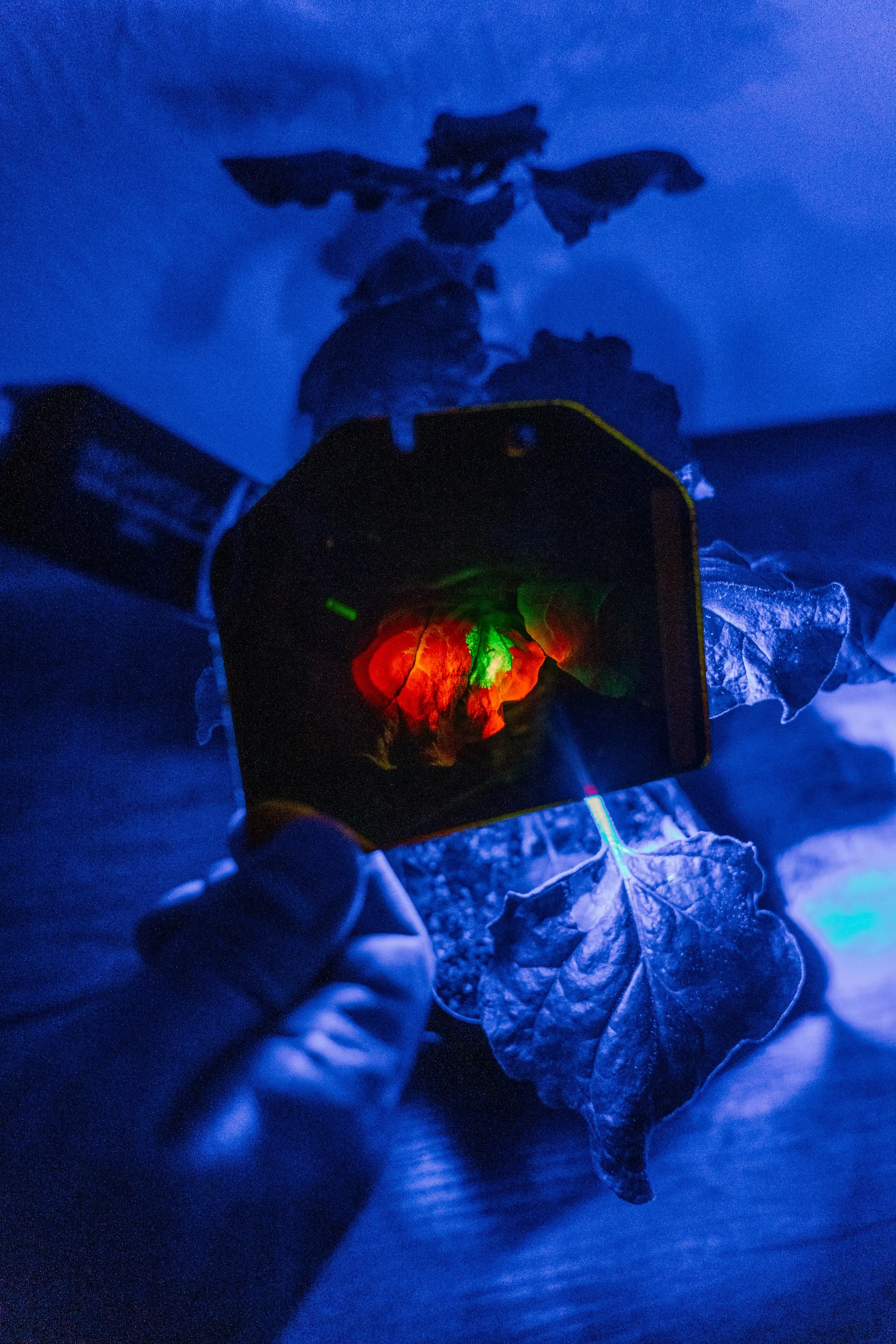
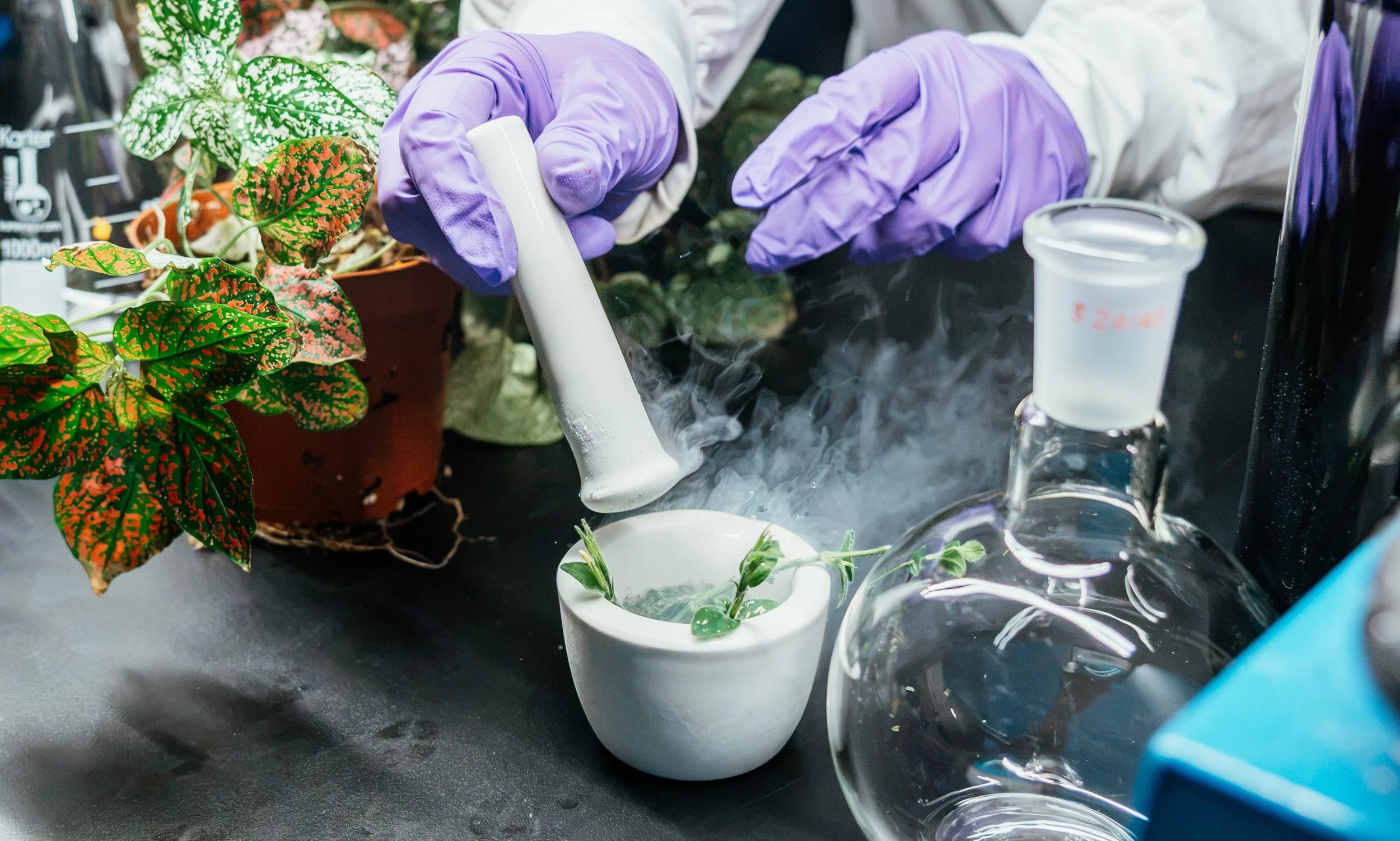
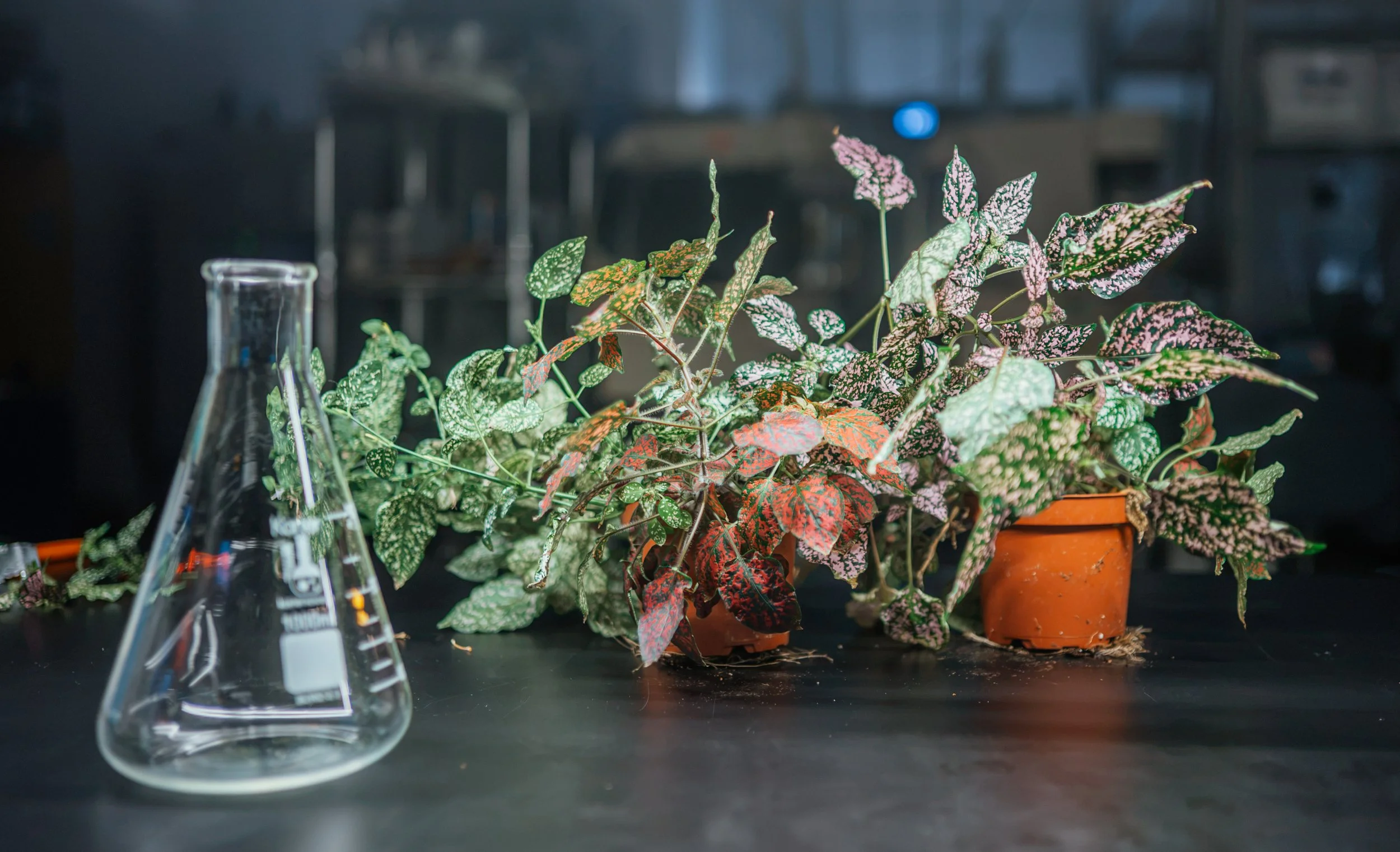
We photographed a plant that fluoresced after the Enveda team introduced a gene into it. To showcase the glowing effect, we used a black light with a red filter.
That was one of the shots I was especially stoked on.
It is such a specific subject. The visual interest comes directly from the plant and the science connected to it. The lighting approach gives the camera a way to show something that requires a different viewing condition to appreciate.
For a campaign like this, that specificity matters. The image has a reason to look the way it does. Its character comes from the subject, and the production choices help bring that character forward.
It also sits interestingly alongside the white cyc setup. One approach gives the viewer a clean environment around a product. The other uses a particular combination of light and filtration to showcase an unusual quality in a living subject.
They offer different visual experiences while belonging to the same project.
That range was part of the opportunity in Enveda’s brief. The campaign could move between the lab, the products, and the plants, with a visual treatment suited to each. A consistent creative direction still leaves room for individual images to surprise you.
The fluorescent plant was a pretty great subject for that.
Finding texture and scale in the warehouse
The warehouse direction focused on the plants: their texture, variety, and detail, along with the people working with them.
That gives the camera several ways into the space. An individual specimen can become a portrait. A collection introduces repetition and differences in shape. A close view lets a small detail occupy much more of the frame.
The outline included those possibilities alongside hands interacting with plants and samples. It gave the warehouse a role in the story that connected the natural material to the work happening around it.
For this kind of photography, changing scale can change the entire feeling of an image. A wide view helps someone understand the setting. Moving closer gives them a specific subject to spend time with.
That relationship between the overall environment and its smaller details carried through the approach to both locations. The lab and warehouse had different subjects, but the same basic invitation: come a little closer and see what is happening here.
Getting closer with a specialty probe lens
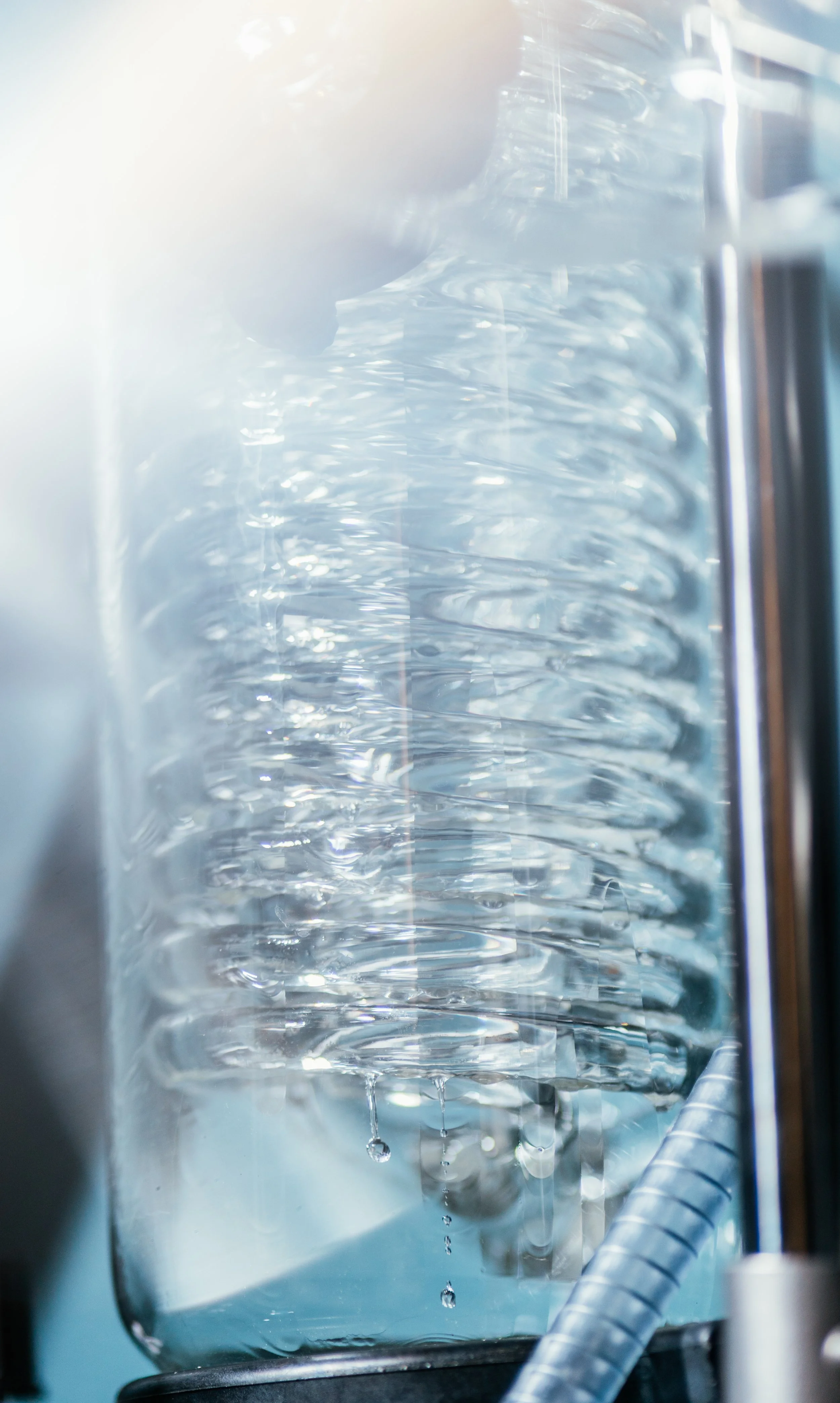
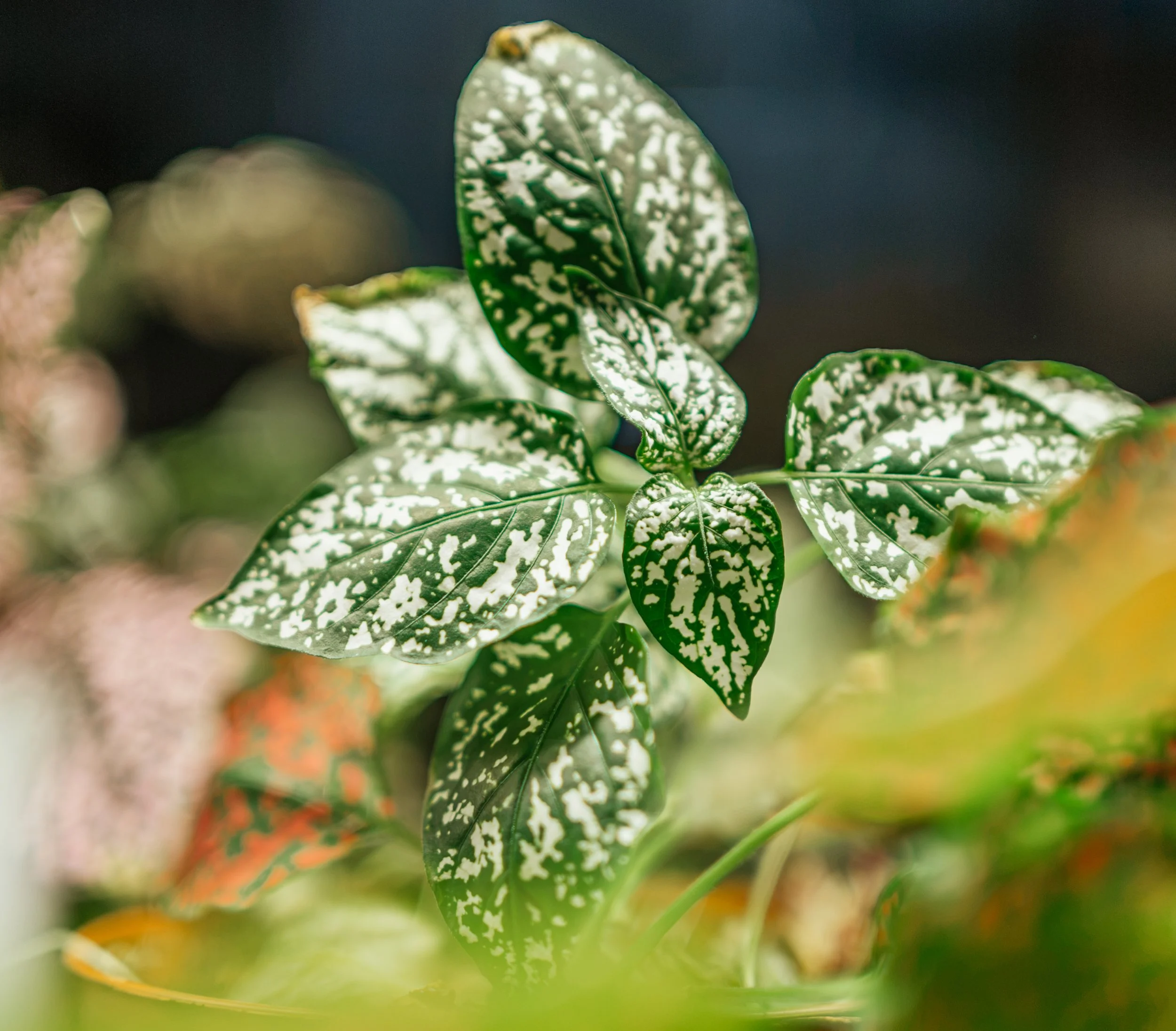
We also used a specialty probe lens to capture extra-close macro details and textures. That added another way to explore the subjects in front of us, right down at a scale where a small surface can fill the frame.
I like the relationship between that kind of detail and a wider image. First you understand where you are. Then a close view gives you a reason to look again. Texture becomes something you can spend a moment with, especially when the surrounding campaign also contains clean product photography and larger views of the working environment.
For this shoot, the probe lens belonged to the same creative idea as the white cyc and the fluorescent plant setup: choose a tool that helps reveal something specific. Each approach gave us a different way to present the material. That is where specialized equipment earns its place in a production. The resulting image has something useful to contribute to the story.
Keeping the people connected to the process
Technical subjects become easier to enter when there is a person connected to them. A gesture can give an image direction. A pair of hands can establish scale. Someone concentrating on a task can become the point your eye returns to inside a busy frame.
My approach to documentary storytelling puts a lot of value on that human connection. Even when the subject is a product or a process, I want to understand its relationship to the people around it.
In a working lab, that also means listening. The people doing the work know its sequence, timing, and practical requirements. Their guidance helps shape where the camera can go and which actions make sense to photograph.
That collaboration has a creative benefit, too. Understanding a task helps you recognize what is meaningful inside it. You can make more useful decisions with the frame when you know why someone is doing what they are doing.
The outline’s emphasis on people actively working gave that relationship a place in the visual plan from the beginning.
Treating photography as its own part of the shoot
The production called for still photography alongside video, including wide, medium, and detail images from the major setups. That is worth planning deliberately because the two formats ask different things of a scene.
A video shot has time. An action can develop, the camera can reveal something, and the image can connect to the next moment in an edit.
A photograph needs to hold together in a single frame.
For the stills, composition and timing have to do a lot of work at once. Where does the eye land? What belongs around the subject? Does the image communicate enough to stand on its own?
For video, I’m also thinking through how an action begins and ends, and what another shot might add to it. A detail becomes more useful when there is context elsewhere in the material.
Planning both formats together helps the campaign feel coherent. The light, subjects, and overall tone can connect the photographs and footage while leaving room for each format’s strengths.
That relationship has also been part of my work on projects such as the WishGarden Herbs campaign. The subjects were different, but the value of giving stills and motion a shared creative direction carries across both projects.
Giving the larger campaign useful material
A campaign shoot needs a way of thinking that extends beyond any one frame. The individual images matter, and so do the connections between them.
That is where the different setups start working together. The lab establishes an environment. The product setup isolates a subject. The plant imagery introduces another kind of detail. People connect the work to a human scale.
The outline gave us a direction for that variety while keeping the lab and warehouse central to this shoot.
From a production perspective, that is useful. A clear priority helps guide the day, while a shared visual approach helps the material feel related. You can give different subjects different treatments and still have a sense of what holds the campaign together.
I also think that is an important part of the value a filmmaker brings. There are choices to make before the camera comes out, while the image is being created, and when the material becomes part of something larger.
The aim is to give the campaign images with enough clarity, character, and variety to work with.
Biotech filmmaking and laboratory photography in Colorado
We focused this part of Enveda’s campaign on the lab and warehouse, and came away with footage and photographs I’m excited to share. The white cyc and fluorescent plant are two examples of how much visual range can exist within one company.
As a Boulder-based commercial filmmaker and photographer, I help teams find that range and turn it into a practical creative plan. That can include visual development, production planning, filming, photography, and post-production shaped around the project.
If you are planning biotech video production, laboratory photography, or a corporate campaign in Denver, Boulder, or elsewhere in Colorado, explore my commercial and documentary work.
Ready to plan your shoot? Use the form below to share your project, timing, and the photographs or films you need. You can also contact me directly. I’d love to help your team turn its work into a campaign people remember.