
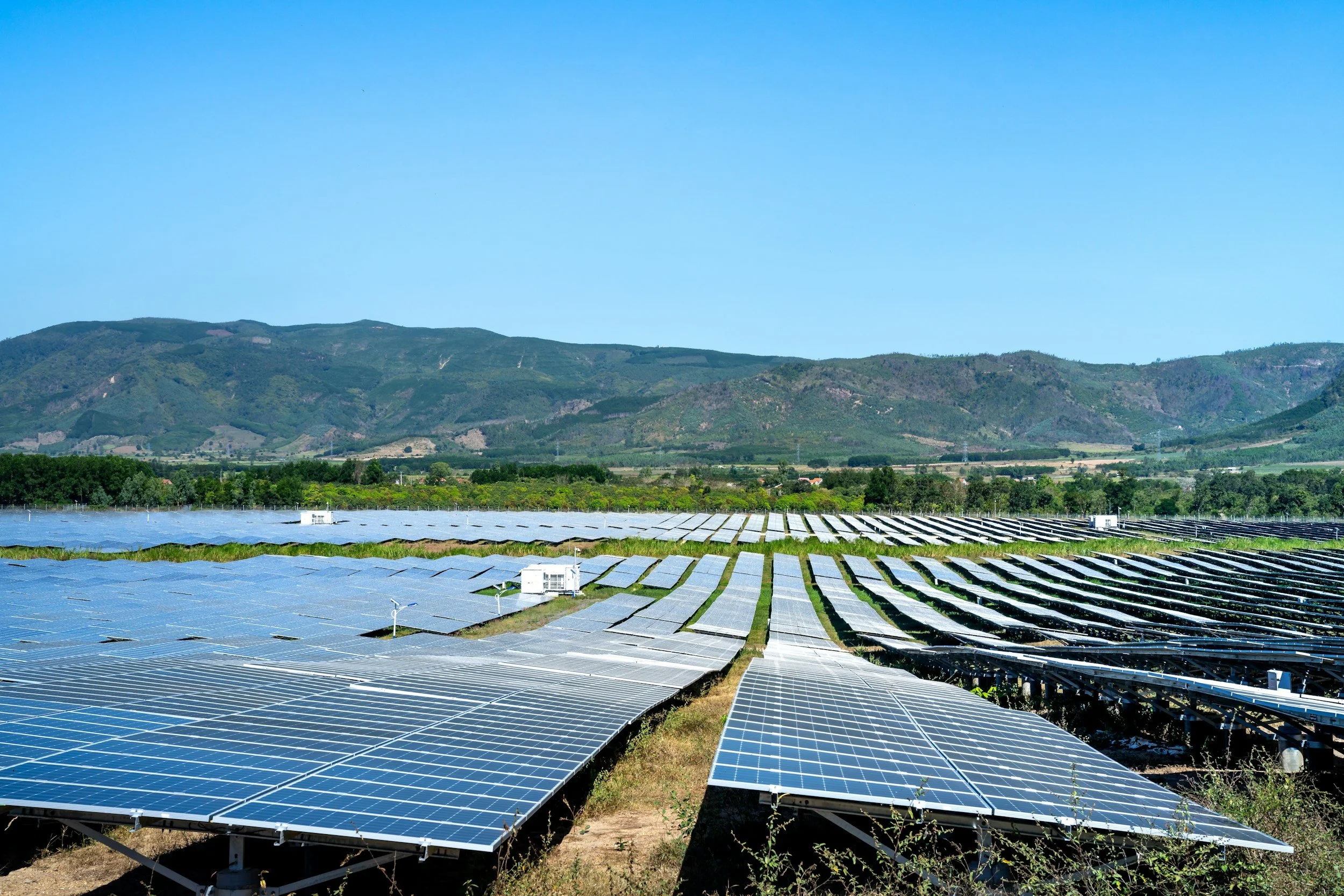
Climate tech can be difficult to explain because the work often lives at several scales at once: a technical mechanism, a practical product, and a much larger ambition. A viewer needs an entry point into that complexity.
My approach to climate tech video production starts with a person doing something we can see. Then we connect that action to the technology and the reason it matters. The science stays accurate, and the film gives someone a human way to understand it.
I’m Roo Smith, a documentary and commercial filmmaker based in Boulder, Colorado. I help companies turn complicated work into stories people can follow and remember. Here’s how I’d approach that challenge with a climate or energy team.
Give the audience a place to begin
A company’s team may have spent years developing a process. By the time a filmmaker arrives, the vocabulary, diagrams, and context can feel obvious to everyone in the room. A first-time viewer is entering from a very different place.
I’d ask your team to describe one real situation where the work becomes useful. Who encounters the problem? What happens during their day? Where does the technology enter that experience? Those questions help us choose a scene the audience can understand.
For an energy company, the starting point could be a technician preparing a system for use. For a robotics team, it could be an operator working with the product. For a materials company, it could be the moment a sample moves from the lab into a test.
Choose one viewer and one question
A prospective customer may want to understand how the product fits into an existing workflow. A potential hire may want to see the team and the problems it is solving. A partner may need a clear picture of the company’s capabilities.
Those are different films, even when they draw from the same shoot. I’d identify the primary audience and the question the video needs to answer before choosing interviews, locations, or a visual style.
Put the larger mission in a concrete setting
A broad mission becomes easier to grasp when it is connected to something specific. Show the workbench. Let us hear the machine. Give an engineer time to explain one decision using the object in front of them.
That approach creates room for the larger context. Once a viewer understands what they are looking at, a carefully chosen explanation of the company’s ambition has somewhere to land.
What the Scythe campaign taught me
For Scythe Robotics, I created photography and video for a website rebrand and advertising campaign. The focused six-hour shoot produced three videos and seventy-five photographs. The marketing manager helped coordinate the work, and the team provided robots, participants, and support.
That scope worked because the production had a clear visual job. We needed the product in action, people interacting with it, and details that helped show the design. Each category gave the company a different way to introduce its work.
For a viewer, seeing a robot move through a real setting can answer a question immediately. A person beside it adds scale. A close view of a component gives the broader image specificity. Together, those images start building understanding before an interview explains anything.
You can explore the Scythe photo and video case study for the production details. I’d bring that same attention to practical use and human context into a climate tech project, while shaping the story around your particular technology.
A repair story that makes the idea tangible
My Patagonia film Make it Last follows Katie Lamb in her sewing studio as she repairs her gear. I directed, co-produced, filmed, and edited it. The subject comes from outdoor apparel, and the storytelling lesson travels well: a person doing specific work gives a larger idea something we can see.
For a climate tech film, I’d look for a similarly concrete entry point into your own process. Watch the Patagonia film with that relationship between the hands-on work and the bigger story in mind.
Build the story around something happening
A film gains momentum when someone is trying to do something. That can be a modest, everyday task: preparing a demonstration, checking a sample, working through a design decision, or teaching someone to use a product.
I’d look for activity that reveals the work honestly. What can we film as it happens? Which parts of the process need an explanation? What does your team find interesting that a visitor might walk past?
Let the people carry their own expertise
An engineer handling a component can often explain it more naturally than the same person delivering a memorized statement in a chair. A founder walking through the original problem may give us details that a polished company description leaves out.
I’d use interviews and observation together. The conversation gives us meaning. The scenes give that meaning a place, a rhythm, and something to look at. The edit can move between them as the audience’s understanding develops.
Leave room for useful technical detail
The right detail can make a film more compelling. It might be a specific measurement, a material choice, or a constraint the team had to solve. I’d ask why the detail matters to the viewer and how we can make it legible.
Some ideas need a diagram, an animation, or a screen capture. Others become clear through a demonstration. We can choose the tool that best serves each part of the explanation, then give the whole film a consistent visual language.
Keep claims tied to what the team can support
Climate and energy stories often involve numbers, comparisons, and future plans. Before filming, I’d want your subject experts to identify which claims are approved, what evidence supports them, and which details need context.
A prototype, a pilot, and a product in regular use each tell a different story. The film should make that stage understandable. The same care applies to a demonstration: viewers should be able to tell what they are seeing and what the example establishes.
Your team owns the technical accuracy. My job is to ask clear questions, make the explanation accessible, and build review points into the process so the final film reflects the work faithfully.
Discuss your climate tech story
Plan a shoot around real access
A factory, lab, field site, and office each create different production needs. I’d work with your team to understand access, approved filming areas, sound conditions, required supervision, and the moments we need to catch.
If a process happens only once during the day, it belongs near the top of the schedule. If a demonstration needs setup time, we should account for it. If an interview subject has a narrow opening, the crew should be ready before they arrive.
Choose the crew for the work
A small team may suit an intimate interview or a focused product shoot. A larger production may need dedicated sound, lighting, production support, or a specialist to help capture a particular process.
I can lead the creative development and production, direct interviews, shoot the film, and shape the edit, bringing in collaborators around the scope. The goal is a set that works smoothly for your team and gives the story the attention it needs.
Capture photography with a clear purpose
Still images can help the same story travel across the website, a presentation, recruiting pages, and campaign materials. I’d plan a distinct photo list alongside the video coverage so each medium gets the time it needs.
The Scythe project is a useful example of how a focused production can create a collection of assets. Your shoot might have a different balance of interviews, product coverage, and photography. We would define that balance before the day begins.
Give each finished asset a useful job
A main film might introduce the company’s work. A shorter cut could answer one practical question. A product sequence may support a sales conversation, while an employee story helps someone picture joining the team.
I’d map those uses with your marketing team before editing. That lets us shape the opening, pace, captions, and ending for each viewing situation. It also gives the production a clearer definition of finished.
For planning the investment, my branded documentary pricing guide explains how scope, shoot days, crew, and post-production affect the budget. Your proposal should connect those costs to the work the film needs to do.
Explore production scope and budgets
Make the next conversation easier
A useful climate tech film gives someone a clearer understanding of the company and a reason to learn more. I’d judge the creative choices against that purpose throughout development, filming, and editing.
After release, your team can look at the signals that match the film’s job: questions from prospective customers, use in sales conversations, engaged visits, or feedback from candidates and partners. That learning can guide the next round of content.
If your company has a complicated idea and a meaningful reason for bringing it into the world, I’d love to help you find its human story. We can make a film that respects the technical work and gives people a memorable way to understand it.
If you’re looking for creative partner to lead a story-driven campaign from start to finish, I’m here to help you create work that actually moves people.
My goal isn’t just to make beautiful content, it’s to make something that you feel good about, the audience feels great about and everybody leaves the process full of joy.
Fill out the form and tell me a bit about your vision.
I personally read every inquiry and usually respond within 24 - 48 hours.
This isn’t just a contact form - it’s the start of making something meaningful together :)
What the Scythe campaign taught me
For Scythe Robotics, I created photography and video for a website rebrand and advertising campaign. The focused six-hour shoot produced three videos and seventy-five photographs. The marketing manager helped coordinate the work, and the team provided robots, participants, and support.
That scope worked because the production had a clear visual job. We needed the product in action, people interacting with it, and details that helped show the design. Each category gave the company a different way to introduce its work.
For a viewer, seeing a robot move through a real setting can answer a question immediately. A person beside it adds scale. A close view of a component gives the broader image specificity. Together, those images start building understanding before an interview explains anything.
You can explore the Scythe photo and video case study for the production details. I’d bring that same attention to practical use and human context into a climate tech project, while shaping the story around your particular technology.
A repair story that makes the idea tangible
My Patagonia film Make it Last follows Katie Lamb in her sewing studio as she repairs her gear. I directed, co-produced, filmed, and edited it. The subject comes from outdoor apparel, and the storytelling lesson travels well: a person doing specific work gives a larger idea something we can see.
For a climate tech film, I’d look for a similarly concrete entry point into your own process. Watch the Patagonia film with that relationship between the hands-on work and the bigger story in mind.
Build the story around something happening
A film gains momentum when someone is trying to do something. That can be a modest, everyday task: preparing a demonstration, checking a sample, working through a design decision, or teaching someone to use a product.
I’d look for activity that reveals the work honestly. What can we film as it happens? Which parts of the process need an explanation? What does your team find interesting that a visitor might walk past?
Let the people carry their own expertise
An engineer handling a component can often explain it more naturally than the same person delivering a memorized statement in a chair. A founder walking through the original problem may give us details that a polished company description leaves out.
I’d use interviews and observation together. The conversation gives us meaning. The scenes give that meaning a place, a rhythm, and something to look at. The edit can move between them as the audience’s understanding develops.
Leave room for useful technical detail
The right detail can make a film more compelling. It might be a specific measurement, a material choice, or a constraint the team had to solve. I’d ask why the detail matters to the viewer and how we can make it legible.
Some ideas need a diagram, an animation, or a screen capture. Others become clear through a demonstration. We can choose the tool that best serves each part of the explanation, then give the whole film a consistent visual language.
Keep claims tied to what the team can support
Climate and energy stories often involve numbers, comparisons, and future plans. Before filming, I’d want your subject experts to identify which claims are approved, what evidence supports them, and which details need context.
A prototype, a pilot, and a product in regular use each tell a different story. The film should make that stage understandable. The same care applies to a demonstration: viewers should be able to tell what they are seeing and what the example establishes.
Your team owns the technical accuracy. My job is to ask clear questions, make the explanation accessible, and build review points into the process so the final film reflects the work faithfully.
Discuss your climate tech story
Plan a shoot around real access
A factory, lab, field site, and office each create different production needs. I’d work with your team to understand access, approved filming areas, sound conditions, required supervision, and the moments we need to catch.
If a process happens only once during the day, it belongs near the top of the schedule. If a demonstration needs setup time, we should account for it. If an interview subject has a narrow opening, the crew should be ready before they arrive.
Choose the crew for the work
A small team may suit an intimate interview or a focused product shoot. A larger production may need dedicated sound, lighting, production support, or a specialist to help capture a particular process.
I can lead the creative development and production, direct interviews, shoot the film, and shape the edit, bringing in collaborators around the scope. The goal is a set that works smoothly for your team and gives the story the attention it needs.
Capture photography with a clear purpose
Still images can help the same story travel across the website, a presentation, recruiting pages, and campaign materials. I’d plan a distinct photo list alongside the video coverage so each medium gets the time it needs.
The Scythe project is a useful example of how a focused production can create a collection of assets. Your shoot might have a different balance of interviews, product coverage, and photography. We would define that balance before the day begins.
Give each finished asset a useful job
A main film might introduce the company’s work. A shorter cut could answer one practical question. A product sequence may support a sales conversation, while an employee story helps someone picture joining the team.
I’d map those uses with your marketing team before editing. That lets us shape the opening, pace, captions, and ending for each viewing situation. It also gives the production a clearer definition of finished.
For planning the investment, my branded documentary pricing guide explains how scope, shoot days, crew, and post-production affect the budget. Your proposal should connect those costs to the work the film needs to do.
Explore production scope and budgets
Make the next conversation easier
A useful climate tech film gives someone a clearer understanding of the company and a reason to learn more. I’d judge the creative choices against that purpose throughout development, filming, and editing.
After release, your team can look at the signals that match the film’s job: questions from prospective customers, use in sales conversations, engaged visits, or feedback from candidates and partners. That learning can guide the next round of content.
If your company has a complicated idea and a meaningful reason for bringing it into the world, I’d love to help you find its human story. We can make a film that respects the technical work and gives people a memorable way to understand it.
What the Scythe campaign taught me
For Scythe Robotics, I created photography and video for a website rebrand and advertising campaign. The focused six-hour shoot produced three videos and seventy-five photographs. The marketing manager helped coordinate the work, and the team provided robots, participants, and support.
That scope worked because the production had a clear visual job. We needed the product in action, people interacting with it, and details that helped show the design. Each category gave the company a different way to introduce its work.
For a viewer, seeing a robot move through a real setting can answer a question immediately. A person beside it adds scale. A close view of a component gives the broader image specificity. Together, those images start building understanding before an interview explains anything.
You can explore the Scythe photo and video case study for the production details. I’d bring that same attention to practical use and human context into a climate tech project, while shaping the story around your particular technology.
A repair story that makes the idea tangible
My Patagonia film Make it Last follows Katie Lamb in her sewing studio as she repairs her gear. I directed, co-produced, filmed, and edited it. The subject comes from outdoor apparel, and the storytelling lesson travels well: a person doing specific work gives a larger idea something we can see.
For a climate tech film, I’d look for a similarly concrete entry point into your own process. Watch the Patagonia film with that relationship between the hands-on work and the bigger story in mind.
Build the story around something happening
A film gains momentum when someone is trying to do something. That can be a modest, everyday task: preparing a demonstration, checking a sample, working through a design decision, or teaching someone to use a product.
I’d look for activity that reveals the work honestly. What can we film as it happens? Which parts of the process need an explanation? What does your team find interesting that a visitor might walk past?
Let the people carry their own expertise
An engineer handling a component can often explain it more naturally than the same person delivering a memorized statement in a chair. A founder walking through the original problem may give us details that a polished company description leaves out.
I’d use interviews and observation together. The conversation gives us meaning. The scenes give that meaning a place, a rhythm, and something to look at. The edit can move between them as the audience’s understanding develops.
Leave room for useful technical detail
The right detail can make a film more compelling. It might be a specific measurement, a material choice, or a constraint the team had to solve. I’d ask why the detail matters to the viewer and how we can make it legible.
Some ideas need a diagram, an animation, or a screen capture. Others become clear through a demonstration. We can choose the tool that best serves each part of the explanation, then give the whole film a consistent visual language.
Keep claims tied to what the team can support
Climate and energy stories often involve numbers, comparisons, and future plans. Before filming, I’d want your subject experts to identify which claims are approved, what evidence supports them, and which details need context.
A prototype, a pilot, and a product in regular use each tell a different story. The film should make that stage understandable. The same care applies to a demonstration: viewers should be able to tell what they are seeing and what the example establishes.
Your team owns the technical accuracy. My job is to ask clear questions, make the explanation accessible, and build review points into the process so the final film reflects the work faithfully.
Discuss your climate tech story
Plan a shoot around real access
A factory, lab, field site, and office each create different production needs. I’d work with your team to understand access, approved filming areas, sound conditions, required supervision, and the moments we need to catch.
If a process happens only once during the day, it belongs near the top of the schedule. If a demonstration needs setup time, we should account for it. If an interview subject has a narrow opening, the crew should be ready before they arrive.
Choose the crew for the work
A small team may suit an intimate interview or a focused product shoot. A larger production may need dedicated sound, lighting, production support, or a specialist to help capture a particular process.
I can lead the creative development and production, direct interviews, shoot the film, and shape the edit, bringing in collaborators around the scope. The goal is a set that works smoothly for your team and gives the story the attention it needs.
Capture photography with a clear purpose
Still images can help the same story travel across the website, a presentation, recruiting pages, and campaign materials. I’d plan a distinct photo list alongside the video coverage so each medium gets the time it needs.
The Scythe project is a useful example of how a focused production can create a collection of assets. Your shoot might have a different balance of interviews, product coverage, and photography. We would define that balance before the day begins.
Give each finished asset a useful job
A main film might introduce the company’s work. A shorter cut could answer one practical question. A product sequence may support a sales conversation, while an employee story helps someone picture joining the team.
I’d map those uses with your marketing team before editing. That lets us shape the opening, pace, captions, and ending for each viewing situation. It also gives the production a clearer definition of finished.
For planning the investment, my branded documentary pricing guide explains how scope, shoot days, crew, and post-production affect the budget. Your proposal should connect those costs to the work the film needs to do.
Explore production scope and budgets
Make the next conversation easier
A useful climate tech film gives someone a clearer understanding of the company and a reason to learn more. I’d judge the creative choices against that purpose throughout development, filming, and editing.
After release, your team can look at the signals that match the film’s job: questions from prospective customers, use in sales conversations, engaged visits, or feedback from candidates and partners. That learning can guide the next round of content.
If your company has a complicated idea and a meaningful reason for bringing it into the world, I’d love to help you find its human story. We can make a film that respects the technical work and gives people a memorable way to understand it.
What the Scythe campaign taught me
For Scythe Robotics, I created photography and video for a website rebrand and advertising campaign. The focused six-hour shoot produced three videos and seventy-five photographs. The marketing manager helped coordinate the work, and the team provided robots, participants, and support.
That scope worked because the production had a clear visual job. We needed the product in action, people interacting with it, and details that helped show the design. Each category gave the company a different way to introduce its work.
For a viewer, seeing a robot move through a real setting can answer a question immediately. A person beside it adds scale. A close view of a component gives the broader image specificity. Together, those images start building understanding before an interview explains anything.
You can explore the Scythe photo and video case study for the production details. I’d bring that same attention to practical use and human context into a climate tech project, while shaping the story around your particular technology.
A repair story that makes the idea tangible
My Patagonia film Make it Last follows Katie Lamb in her sewing studio as she repairs her gear. I directed, co-produced, filmed, and edited it. The subject comes from outdoor apparel, and the storytelling lesson travels well: a person doing specific work gives a larger idea something we can see.
For a climate tech film, I’d look for a similarly concrete entry point into your own process. Watch the Patagonia film with that relationship between the hands-on work and the bigger story in mind.
Build the story around something happening
A film gains momentum when someone is trying to do something. That can be a modest, everyday task: preparing a demonstration, checking a sample, working through a design decision, or teaching someone to use a product.
I’d look for activity that reveals the work honestly. What can we film as it happens? Which parts of the process need an explanation? What does your team find interesting that a visitor might walk past?
Let the people carry their own expertise
An engineer handling a component can often explain it more naturally than the same person delivering a memorized statement in a chair. A founder walking through the original problem may give us details that a polished company description leaves out.
I’d use interviews and observation together. The conversation gives us meaning. The scenes give that meaning a place, a rhythm, and something to look at. The edit can move between them as the audience’s understanding develops.
Leave room for useful technical detail
The right detail can make a film more compelling. It might be a specific measurement, a material choice, or a constraint the team had to solve. I’d ask why the detail matters to the viewer and how we can make it legible.
Some ideas need a diagram, an animation, or a screen capture. Others become clear through a demonstration. We can choose the tool that best serves each part of the explanation, then give the whole film a consistent visual language.
Keep claims tied to what the team can support
Climate and energy stories often involve numbers, comparisons, and future plans. Before filming, I’d want your subject experts to identify which claims are approved, what evidence supports them, and which details need context.
A prototype, a pilot, and a product in regular use each tell a different story. The film should make that stage understandable. The same care applies to a demonstration: viewers should be able to tell what they are seeing and what the example establishes.
Your team owns the technical accuracy. My job is to ask clear questions, make the explanation accessible, and build review points into the process so the final film reflects the work faithfully.
Discuss your climate tech story
Plan a shoot around real access
A factory, lab, field site, and office each create different production needs. I’d work with your team to understand access, approved filming areas, sound conditions, required supervision, and the moments we need to catch.
If a process happens only once during the day, it belongs near the top of the schedule. If a demonstration needs setup time, we should account for it. If an interview subject has a narrow opening, the crew should be ready before they arrive.
Choose the crew for the work
A small team may suit an intimate interview or a focused product shoot. A larger production may need dedicated sound, lighting, production support, or a specialist to help capture a particular process.
I can lead the creative development and production, direct interviews, shoot the film, and shape the edit, bringing in collaborators around the scope. The goal is a set that works smoothly for your team and gives the story the attention it needs.
Capture photography with a clear purpose
Still images can help the same story travel across the website, a presentation, recruiting pages, and campaign materials. I’d plan a distinct photo list alongside the video coverage so each medium gets the time it needs.
The Scythe project is a useful example of how a focused production can create a collection of assets. Your shoot might have a different balance of interviews, product coverage, and photography. We would define that balance before the day begins.
Give each finished asset a useful job
A main film might introduce the company’s work. A shorter cut could answer one practical question. A product sequence may support a sales conversation, while an employee story helps someone picture joining the team.
I’d map those uses with your marketing team before editing. That lets us shape the opening, pace, captions, and ending for each viewing situation. It also gives the production a clearer definition of finished.
For planning the investment, my branded documentary pricing guide explains how scope, shoot days, crew, and post-production affect the budget. Your proposal should connect those costs to the work the film needs to do.
Explore production scope and budgets
Make the next conversation easier
A useful climate tech film gives someone a clearer understanding of the company and a reason to learn more. I’d judge the creative choices against that purpose throughout development, filming, and editing.
After release, your team can look at the signals that match the film’s job: questions from prospective customers, use in sales conversations, engaged visits, or feedback from candidates and partners. That learning can guide the next round of content.
If your company has a complicated idea and a meaningful reason for bringing it into the world, I’d love to help you find its human story. We can make a film that respects the technical work and gives people a memorable way to understand it.
What the Scythe campaign taught me
For Scythe Robotics, I created photography and video for a website rebrand and advertising campaign. The focused six-hour shoot produced three videos and seventy-five photographs. The marketing manager helped coordinate the work, and the team provided robots, participants, and support.
That scope worked because the production had a clear visual job. We needed the product in action, people interacting with it, and details that helped show the design. Each category gave the company a different way to introduce its work.
For a viewer, seeing a robot move through a real setting can answer a question immediately. A person beside it adds scale. A close view of a component gives the broader image specificity. Together, those images start building understanding before an interview explains anything.
You can explore the Scythe photo and video case study for the production details. I’d bring that same attention to practical use and human context into a climate tech project, while shaping the story around your particular technology.
A repair story that makes the idea tangible
My Patagonia film Make it Last follows Katie Lamb in her sewing studio as she repairs her gear. I directed, co-produced, filmed, and edited it. The subject comes from outdoor apparel, and the storytelling lesson travels well: a person doing specific work gives a larger idea something we can see.
For a climate tech film, I’d look for a similarly concrete entry point into your own process. Watch the Patagonia film with that relationship between the hands-on work and the bigger story in mind.
Build the story around something happening
A film gains momentum when someone is trying to do something. That can be a modest, everyday task: preparing a demonstration, checking a sample, working through a design decision, or teaching someone to use a product.
I’d look for activity that reveals the work honestly. What can we film as it happens? Which parts of the process need an explanation? What does your team find interesting that a visitor might walk past?
Let the people carry their own expertise
An engineer handling a component can often explain it more naturally than the same person delivering a memorized statement in a chair. A founder walking through the original problem may give us details that a polished company description leaves out.
I’d use interviews and observation together. The conversation gives us meaning. The scenes give that meaning a place, a rhythm, and something to look at. The edit can move between them as the audience’s understanding develops.
Leave room for useful technical detail
The right detail can make a film more compelling. It might be a specific measurement, a material choice, or a constraint the team had to solve. I’d ask why the detail matters to the viewer and how we can make it legible.
Some ideas need a diagram, an animation, or a screen capture. Others become clear through a demonstration. We can choose the tool that best serves each part of the explanation, then give the whole film a consistent visual language.
Keep claims tied to what the team can support
Climate and energy stories often involve numbers, comparisons, and future plans. Before filming, I’d want your subject experts to identify which claims are approved, what evidence supports them, and which details need context.
A prototype, a pilot, and a product in regular use each tell a different story. The film should make that stage understandable. The same care applies to a demonstration: viewers should be able to tell what they are seeing and what the example establishes.
Your team owns the technical accuracy. My job is to ask clear questions, make the explanation accessible, and build review points into the process so the final film reflects the work faithfully.
Discuss your climate tech story
Plan a shoot around real access
A factory, lab, field site, and office each create different production needs. I’d work with your team to understand access, approved filming areas, sound conditions, required supervision, and the moments we need to catch.
If a process happens only once during the day, it belongs near the top of the schedule. If a demonstration needs setup time, we should account for it. If an interview subject has a narrow opening, the crew should be ready before they arrive.
Choose the crew for the work
A small team may suit an intimate interview or a focused product shoot. A larger production may need dedicated sound, lighting, production support, or a specialist to help capture a particular process.
I can lead the creative development and production, direct interviews, shoot the film, and shape the edit, bringing in collaborators around the scope. The goal is a set that works smoothly for your team and gives the story the attention it needs.
Capture photography with a clear purpose
Still images can help the same story travel across the website, a presentation, recruiting pages, and campaign materials. I’d plan a distinct photo list alongside the video coverage so each medium gets the time it needs.
The Scythe project is a useful example of how a focused production can create a collection of assets. Your shoot might have a different balance of interviews, product coverage, and photography. We would define that balance before the day begins.
Give each finished asset a useful job
A main film might introduce the company’s work. A shorter cut could answer one practical question. A product sequence may support a sales conversation, while an employee story helps someone picture joining the team.
I’d map those uses with your marketing team before editing. That lets us shape the opening, pace, captions, and ending for each viewing situation. It also gives the production a clearer definition of finished.
For planning the investment, my branded documentary pricing guide explains how scope, shoot days, crew, and post-production affect the budget. Your proposal should connect those costs to the work the film needs to do.
Explore production scope and budgets
Make the next conversation easier
A useful climate tech film gives someone a clearer understanding of the company and a reason to learn more. I’d judge the creative choices against that purpose throughout development, filming, and editing.
After release, your team can look at the signals that match the film’s job: questions from prospective customers, use in sales conversations, engaged visits, or feedback from candidates and partners. That learning can guide the next round of content.
If your company has a complicated idea and a meaningful reason for bringing it into the world, I’d love to help you find its human story. We can make a film that respects the technical work and gives people a memorable way to understand it.
What the Scythe campaign taught me
For Scythe Robotics, I created photography and video for a website rebrand and advertising campaign. The focused six-hour shoot produced three videos and seventy-five photographs. The marketing manager helped coordinate the work, and the team provided robots, participants, and support.
That scope worked because the production had a clear visual job. We needed the product in action, people interacting with it, and details that helped show the design. Each category gave the company a different way to introduce its work.
For a viewer, seeing a robot move through a real setting can answer a question immediately. A person beside it adds scale. A close view of a component gives the broader image specificity. Together, those images start building understanding before an interview explains anything.
You can explore the Scythe photo and video case study for the production details. I’d bring that same attention to practical use and human context into a climate tech project, while shaping the story around your particular technology.
A repair story that makes the idea tangible
My Patagonia film Make it Last follows Katie Lamb in her sewing studio as she repairs her gear. I directed, co-produced, filmed, and edited it. The subject comes from outdoor apparel, and the storytelling lesson travels well: a person doing specific work gives a larger idea something we can see.
For a climate tech film, I’d look for a similarly concrete entry point into your own process. Watch the Patagonia film with that relationship between the hands-on work and the bigger story in mind.
Build the story around something happening
A film gains momentum when someone is trying to do something. That can be a modest, everyday task: preparing a demonstration, checking a sample, working through a design decision, or teaching someone to use a product.
I’d look for activity that reveals the work honestly. What can we film as it happens? Which parts of the process need an explanation? What does your team find interesting that a visitor might walk past?
Let the people carry their own expertise
An engineer handling a component can often explain it more naturally than the same person delivering a memorized statement in a chair. A founder walking through the original problem may give us details that a polished company description leaves out.
I’d use interviews and observation together. The conversation gives us meaning. The scenes give that meaning a place, a rhythm, and something to look at. The edit can move between them as the audience’s understanding develops.
Leave room for useful technical detail
The right detail can make a film more compelling. It might be a specific measurement, a material choice, or a constraint the team had to solve. I’d ask why the detail matters to the viewer and how we can make it legible.
Some ideas need a diagram, an animation, or a screen capture. Others become clear through a demonstration. We can choose the tool that best serves each part of the explanation, then give the whole film a consistent visual language.
Keep claims tied to what the team can support
Climate and energy stories often involve numbers, comparisons, and future plans. Before filming, I’d want your subject experts to identify which claims are approved, what evidence supports them, and which details need context.
A prototype, a pilot, and a product in regular use each tell a different story. The film should make that stage understandable. The same care applies to a demonstration: viewers should be able to tell what they are seeing and what the example establishes.
Your team owns the technical accuracy. My job is to ask clear questions, make the explanation accessible, and build review points into the process so the final film reflects the work faithfully.
Discuss your climate tech story
Plan a shoot around real access
A factory, lab, field site, and office each create different production needs. I’d work with your team to understand access, approved filming areas, sound conditions, required supervision, and the moments we need to catch.
If a process happens only once during the day, it belongs near the top of the schedule. If a demonstration needs setup time, we should account for it. If an interview subject has a narrow opening, the crew should be ready before they arrive.
Choose the crew for the work
A small team may suit an intimate interview or a focused product shoot. A larger production may need dedicated sound, lighting, production support, or a specialist to help capture a particular process.
I can lead the creative development and production, direct interviews, shoot the film, and shape the edit, bringing in collaborators around the scope. The goal is a set that works smoothly for your team and gives the story the attention it needs.
Capture photography with a clear purpose
Still images can help the same story travel across the website, a presentation, recruiting pages, and campaign materials. I’d plan a distinct photo list alongside the video coverage so each medium gets the time it needs.
The Scythe project is a useful example of how a focused production can create a collection of assets. Your shoot might have a different balance of interviews, product coverage, and photography. We would define that balance before the day begins.
Give each finished asset a useful job
A main film might introduce the company’s work. A shorter cut could answer one practical question. A product sequence may support a sales conversation, while an employee story helps someone picture joining the team.
I’d map those uses with your marketing team before editing. That lets us shape the opening, pace, captions, and ending for each viewing situation. It also gives the production a clearer definition of finished.
For planning the investment, my branded documentary pricing guide explains how scope, shoot days, crew, and post-production affect the budget. Your proposal should connect those costs to the work the film needs to do.
Explore production scope and budgets
Make the next conversation easier
A useful climate tech film gives someone a clearer understanding of the company and a reason to learn more. I’d judge the creative choices against that purpose throughout development, filming, and editing.
After release, your team can look at the signals that match the film’s job: questions from prospective customers, use in sales conversations, engaged visits, or feedback from candidates and partners. That learning can guide the next round of content.
If your company has a complicated idea and a meaningful reason for bringing it into the world, I’d love to help you find its human story. We can make a film that respects the technical work and gives people a memorable way to understand it.
What the Scythe campaign taught me
For Scythe Robotics, I created photography and video for a website rebrand and advertising campaign. The focused six-hour shoot produced three videos and seventy-five photographs. The marketing manager helped coordinate the work, and the team provided robots, participants, and support.
That scope worked because the production had a clear visual job. We needed the product in action, people interacting with it, and details that helped show the design. Each category gave the company a different way to introduce its work.
For a viewer, seeing a robot move through a real setting can answer a question immediately. A person beside it adds scale. A close view of a component gives the broader image specificity. Together, those images start building understanding before an interview explains anything.
You can explore the Scythe photo and video case study for the production details. I’d bring that same attention to practical use and human context into a climate tech project, while shaping the story around your particular technology.
A repair story that makes the idea tangible
My Patagonia film Make it Last follows Katie Lamb in her sewing studio as she repairs her gear. I directed, co-produced, filmed, and edited it. The subject comes from outdoor apparel, and the storytelling lesson travels well: a person doing specific work gives a larger idea something we can see.
For a climate tech film, I’d look for a similarly concrete entry point into your own process. Watch the Patagonia film with that relationship between the hands-on work and the bigger story in mind.
Build the story around something happening
A film gains momentum when someone is trying to do something. That can be a modest, everyday task: preparing a demonstration, checking a sample, working through a design decision, or teaching someone to use a product.
I’d look for activity that reveals the work honestly. What can we film as it happens? Which parts of the process need an explanation? What does your team find interesting that a visitor might walk past?
Let the people carry their own expertise
An engineer handling a component can often explain it more naturally than the same person delivering a memorized statement in a chair. A founder walking through the original problem may give us details that a polished company description leaves out.
I’d use interviews and observation together. The conversation gives us meaning. The scenes give that meaning a place, a rhythm, and something to look at. The edit can move between them as the audience’s understanding develops.
Leave room for useful technical detail
The right detail can make a film more compelling. It might be a specific measurement, a material choice, or a constraint the team had to solve. I’d ask why the detail matters to the viewer and how we can make it legible.
Some ideas need a diagram, an animation, or a screen capture. Others become clear through a demonstration. We can choose the tool that best serves each part of the explanation, then give the whole film a consistent visual language.
Keep claims tied to what the team can support
Climate and energy stories often involve numbers, comparisons, and future plans. Before filming, I’d want your subject experts to identify which claims are approved, what evidence supports them, and which details need context.
A prototype, a pilot, and a product in regular use each tell a different story. The film should make that stage understandable. The same care applies to a demonstration: viewers should be able to tell what they are seeing and what the example establishes.
Your team owns the technical accuracy. My job is to ask clear questions, make the explanation accessible, and build review points into the process so the final film reflects the work faithfully.
Discuss your climate tech story
Plan a shoot around real access
A factory, lab, field site, and office each create different production needs. I’d work with your team to understand access, approved filming areas, sound conditions, required supervision, and the moments we need to catch.
If a process happens only once during the day, it belongs near the top of the schedule. If a demonstration needs setup time, we should account for it. If an interview subject has a narrow opening, the crew should be ready before they arrive.
Choose the crew for the work
A small team may suit an intimate interview or a focused product shoot. A larger production may need dedicated sound, lighting, production support, or a specialist to help capture a particular process.
I can lead the creative development and production, direct interviews, shoot the film, and shape the edit, bringing in collaborators around the scope. The goal is a set that works smoothly for your team and gives the story the attention it needs.
Capture photography with a clear purpose
Still images can help the same story travel across the website, a presentation, recruiting pages, and campaign materials. I’d plan a distinct photo list alongside the video coverage so each medium gets the time it needs.
The Scythe project is a useful example of how a focused production can create a collection of assets. Your shoot might have a different balance of interviews, product coverage, and photography. We would define that balance before the day begins.
Give each finished asset a useful job
A main film might introduce the company’s work. A shorter cut could answer one practical question. A product sequence may support a sales conversation, while an employee story helps someone picture joining the team.
I’d map those uses with your marketing team before editing. That lets us shape the opening, pace, captions, and ending for each viewing situation. It also gives the production a clearer definition of finished.
For planning the investment, my branded documentary pricing guide explains how scope, shoot days, crew, and post-production affect the budget. Your proposal should connect those costs to the work the film needs to do.
Explore production scope and budgets
Make the next conversation easier
A useful climate tech film gives someone a clearer understanding of the company and a reason to learn more. I’d judge the creative choices against that purpose throughout development, filming, and editing.
After release, your team can look at the signals that match the film’s job: questions from prospective customers, use in sales conversations, engaged visits, or feedback from candidates and partners. That learning can guide the next round of content.
If your company has a complicated idea and a meaningful reason for bringing it into the world, I’d love to help you find its human story. We can make a film that respects the technical work and gives people a memorable way to understand it.
What the Scythe campaign taught me
For Scythe Robotics, I created photography and video for a website rebrand and advertising campaign. The focused six-hour shoot produced three videos and seventy-five photographs. The marketing manager helped coordinate the work, and the team provided robots, participants, and support.
That scope worked because the production had a clear visual job. We needed the product in action, people interacting with it, and details that helped show the design. Each category gave the company a different way to introduce its work.
For a viewer, seeing a robot move through a real setting can answer a question immediately. A person beside it adds scale. A close view of a component gives the broader image specificity. Together, those images start building understanding before an interview explains anything.
You can explore the Scythe photo and video case study for the production details. I’d bring that same attention to practical use and human context into a climate tech project, while shaping the story around your particular technology.
A repair story that makes the idea tangible
My Patagonia film Make it Last follows Katie Lamb in her sewing studio as she repairs her gear. I directed, co-produced, filmed, and edited it. The subject comes from outdoor apparel, and the storytelling lesson travels well: a person doing specific work gives a larger idea something we can see.
For a climate tech film, I’d look for a similarly concrete entry point into your own process. Watch the Patagonia film with that relationship between the hands-on work and the bigger story in mind.
Build the story around something happening
A film gains momentum when someone is trying to do something. That can be a modest, everyday task: preparing a demonstration, checking a sample, working through a design decision, or teaching someone to use a product.
I’d look for activity that reveals the work honestly. What can we film as it happens? Which parts of the process need an explanation? What does your team find interesting that a visitor might walk past?
Let the people carry their own expertise
An engineer handling a component can often explain it more naturally than the same person delivering a memorized statement in a chair. A founder walking through the original problem may give us details that a polished company description leaves out.
I’d use interviews and observation together. The conversation gives us meaning. The scenes give that meaning a place, a rhythm, and something to look at. The edit can move between them as the audience’s understanding develops.
Leave room for useful technical detail
The right detail can make a film more compelling. It might be a specific measurement, a material choice, or a constraint the team had to solve. I’d ask why the detail matters to the viewer and how we can make it legible.
Some ideas need a diagram, an animation, or a screen capture. Others become clear through a demonstration. We can choose the tool that best serves each part of the explanation, then give the whole film a consistent visual language.
Keep claims tied to what the team can support
Climate and energy stories often involve numbers, comparisons, and future plans. Before filming, I’d want your subject experts to identify which claims are approved, what evidence supports them, and which details need context.
A prototype, a pilot, and a product in regular use each tell a different story. The film should make that stage understandable. The same care applies to a demonstration: viewers should be able to tell what they are seeing and what the example establishes.
Your team owns the technical accuracy. My job is to ask clear questions, make the explanation accessible, and build review points into the process so the final film reflects the work faithfully.
Discuss your climate tech story
Plan a shoot around real access
A factory, lab, field site, and office each create different production needs. I’d work with your team to understand access, approved filming areas, sound conditions, required supervision, and the moments we need to catch.
If a process happens only once during the day, it belongs near the top of the schedule. If a demonstration needs setup time, we should account for it. If an interview subject has a narrow opening, the crew should be ready before they arrive.
Choose the crew for the work
A small team may suit an intimate interview or a focused product shoot. A larger production may need dedicated sound, lighting, production support, or a specialist to help capture a particular process.
I can lead the creative development and production, direct interviews, shoot the film, and shape the edit, bringing in collaborators around the scope. The goal is a set that works smoothly for your team and gives the story the attention it needs.
Capture photography with a clear purpose
Still images can help the same story travel across the website, a presentation, recruiting pages, and campaign materials. I’d plan a distinct photo list alongside the video coverage so each medium gets the time it needs.
The Scythe project is a useful example of how a focused production can create a collection of assets. Your shoot might have a different balance of interviews, product coverage, and photography. We would define that balance before the day begins.
Give each finished asset a useful job
A main film might introduce the company’s work. A shorter cut could answer one practical question. A product sequence may support a sales conversation, while an employee story helps someone picture joining the team.
I’d map those uses with your marketing team before editing. That lets us shape the opening, pace, captions, and ending for each viewing situation. It also gives the production a clearer definition of finished.
For planning the investment, my branded documentary pricing guide explains how scope, shoot days, crew, and post-production affect the budget. Your proposal should connect those costs to the work the film needs to do.
Explore production scope and budgets
Make the next conversation easier
A useful climate tech film gives someone a clearer understanding of the company and a reason to learn more. I’d judge the creative choices against that purpose throughout development, filming, and editing.
After release, your team can look at the signals that match the film’s job: questions from prospective customers, use in sales conversations, engaged visits, or feedback from candidates and partners. That learning can guide the next round of content.
If your company has a complicated idea and a meaningful reason for bringing it into the world, I’d love to help you find its human story. We can make a film that respects the technical work and gives people a memorable way to understand it.
What the Scythe campaign taught me
For Scythe Robotics, I created photography and video for a website rebrand and advertising campaign. The focused six-hour shoot produced three videos and seventy-five photographs. The marketing manager helped coordinate the work, and the team provided robots, participants, and support.
That scope worked because the production had a clear visual job. We needed the product in action, people interacting with it, and details that helped show the design. Each category gave the company a different way to introduce its work.
For a viewer, seeing a robot move through a real setting can answer a question immediately. A person beside it adds scale. A close view of a component gives the broader image specificity. Together, those images start building understanding before an interview explains anything.
You can explore the Scythe photo and video case study for the production details. I’d bring that same attention to practical use and human context into a climate tech project, while shaping the story around your particular technology.
A repair story that makes the idea tangible
My Patagonia film Make it Last follows Katie Lamb in her sewing studio as she repairs her gear. I directed, co-produced, filmed, and edited it. The subject comes from outdoor apparel, and the storytelling lesson travels well: a person doing specific work gives a larger idea something we can see.
For a climate tech film, I’d look for a similarly concrete entry point into your own process. Watch the Patagonia film with that relationship between the hands-on work and the bigger story in mind.
Build the story around something happening
A film gains momentum when someone is trying to do something. That can be a modest, everyday task: preparing a demonstration, checking a sample, working through a design decision, or teaching someone to use a product.
I’d look for activity that reveals the work honestly. What can we film as it happens? Which parts of the process need an explanation? What does your team find interesting that a visitor might walk past?
Let the people carry their own expertise
An engineer handling a component can often explain it more naturally than the same person delivering a memorized statement in a chair. A founder walking through the original problem may give us details that a polished company description leaves out.
I’d use interviews and observation together. The conversation gives us meaning. The scenes give that meaning a place, a rhythm, and something to look at. The edit can move between them as the audience’s understanding develops.
Leave room for useful technical detail
The right detail can make a film more compelling. It might be a specific measurement, a material choice, or a constraint the team had to solve. I’d ask why the detail matters to the viewer and how we can make it legible.
Some ideas need a diagram, an animation, or a screen capture. Others become clear through a demonstration. We can choose the tool that best serves each part of the explanation, then give the whole film a consistent visual language.
Keep claims tied to what the team can support
Climate and energy stories often involve numbers, comparisons, and future plans. Before filming, I’d want your subject experts to identify which claims are approved, what evidence supports them, and which details need context.
A prototype, a pilot, and a product in regular use each tell a different story. The film should make that stage understandable. The same care applies to a demonstration: viewers should be able to tell what they are seeing and what the example establishes.
Your team owns the technical accuracy. My job is to ask clear questions, make the explanation accessible, and build review points into the process so the final film reflects the work faithfully.
Discuss your climate tech story
Plan a shoot around real access
A factory, lab, field site, and office each create different production needs. I’d work with your team to understand access, approved filming areas, sound conditions, required supervision, and the moments we need to catch.
If a process happens only once during the day, it belongs near the top of the schedule. If a demonstration needs setup time, we should account for it. If an interview subject has a narrow opening, the crew should be ready before they arrive.
Choose the crew for the work
A small team may suit an intimate interview or a focused product shoot. A larger production may need dedicated sound, lighting, production support, or a specialist to help capture a particular process.
I can lead the creative development and production, direct interviews, shoot the film, and shape the edit, bringing in collaborators around the scope. The goal is a set that works smoothly for your team and gives the story the attention it needs.
Capture photography with a clear purpose
Still images can help the same story travel across the website, a presentation, recruiting pages, and campaign materials. I’d plan a distinct photo list alongside the video coverage so each medium gets the time it needs.
The Scythe project is a useful example of how a focused production can create a collection of assets. Your shoot might have a different balance of interviews, product coverage, and photography. We would define that balance before the day begins.
Give each finished asset a useful job
A main film might introduce the company’s work. A shorter cut could answer one practical question. A product sequence may support a sales conversation, while an employee story helps someone picture joining the team.
I’d map those uses with your marketing team before editing. That lets us shape the opening, pace, captions, and ending for each viewing situation. It also gives the production a clearer definition of finished.
For planning the investment, my branded documentary pricing guide explains how scope, shoot days, crew, and post-production affect the budget. Your proposal should connect those costs to the work the film needs to do.
Explore production scope and budgets
Make the next conversation easier
A useful climate tech film gives someone a clearer understanding of the company and a reason to learn more. I’d judge the creative choices against that purpose throughout development, filming, and editing.
After release, your team can look at the signals that match the film’s job: questions from prospective customers, use in sales conversations, engaged visits, or feedback from candidates and partners. That learning can guide the next round of content.
If your company has a complicated idea and a meaningful reason for bringing it into the world, I’d love to help you find its human story. We can make a film that respects the technical work and gives people a memorable way to understand it.