
The first episode of The Trail House began with a simple challenge: introduce a new house, three athletes, a larger experiment, and the stakes behind each person, all within a film that still felt human.
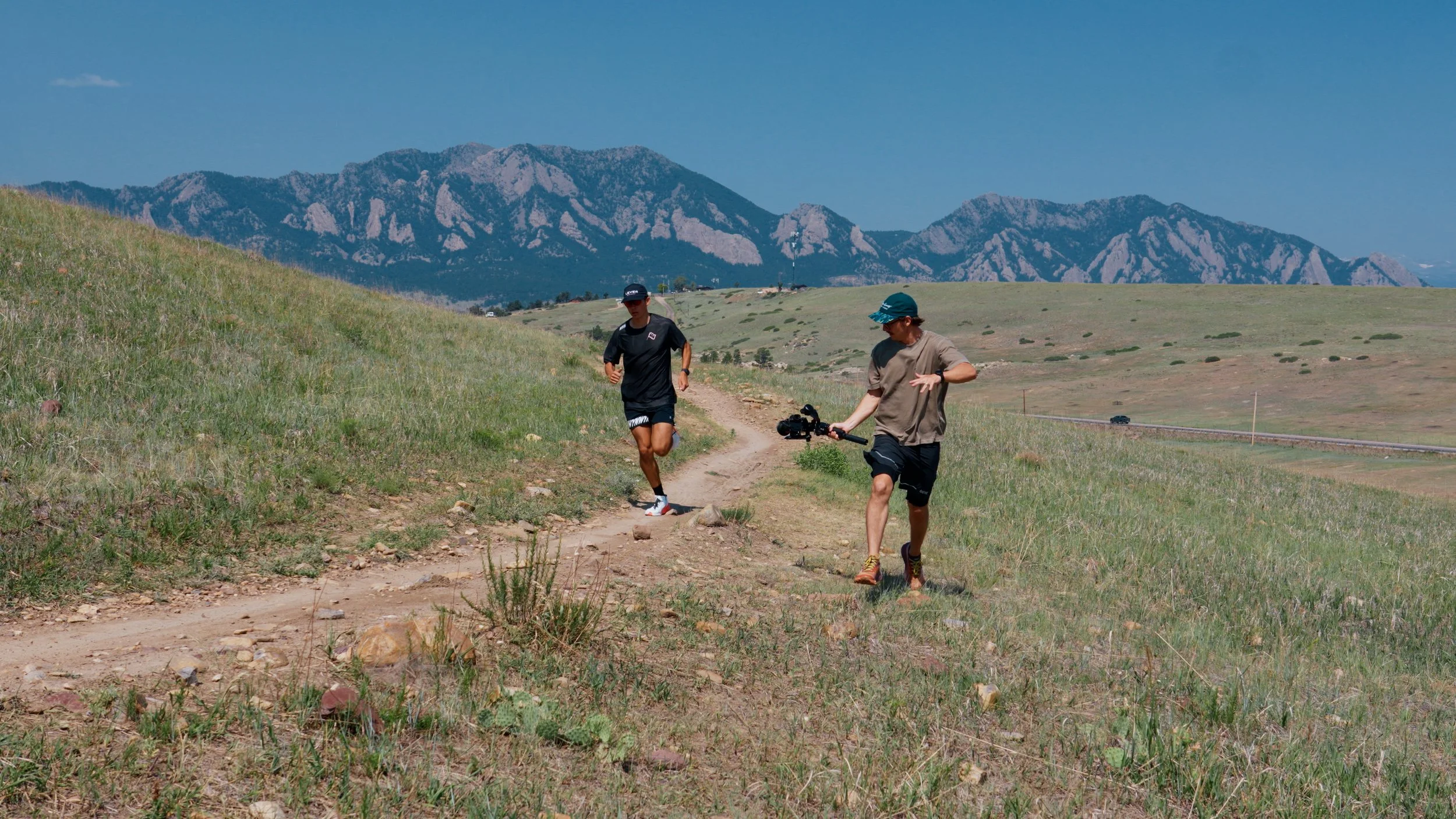
I had eight days to film and edit a twenty minute episode. That schedule shaped every creative choice. I had to learn who the athletes were, find the strongest storylines, capture enough visual material, build trust, and turn new footage into a clear beginning of the series. Every scene had to reveal character, explain the project, or move the story forward.
The project follows four emerging trail runners living together in Boulder for fourteen months as they try to earn professional contracts. Three sponsors came together to give them support, community, and greater training focus. Episode 1 had to make that premise clear within seconds. Viewers needed to understand who they were, why they moved in, and what success could change.
That became my first major editing challenge.
Finding the Thesis
The earliest interview footage contained several versions of the Trail House premise. Each athlete understood the project through his own lens. Ares saw a chance to remove barriers. Dylan saw a bridge from collegiate running toward the highest level of trail racing. Bayden saw an environment where athletes could pursue their own goals with support.
All three perspectives were useful, yet the opening needed one clean idea. I built the thesis around four runners, one house, fourteen months, and professional contracts. The opening sets up the dream, structure, and reward before move in begins.
That transition into the storytelling was really important to me. A polished explanation alone could feel like an advertisement and a house tour alone could feel like a casual vlog so combining the two created a documentary promise, followed by immediate life and personality.
Letting Move In Day Carry the Beginning
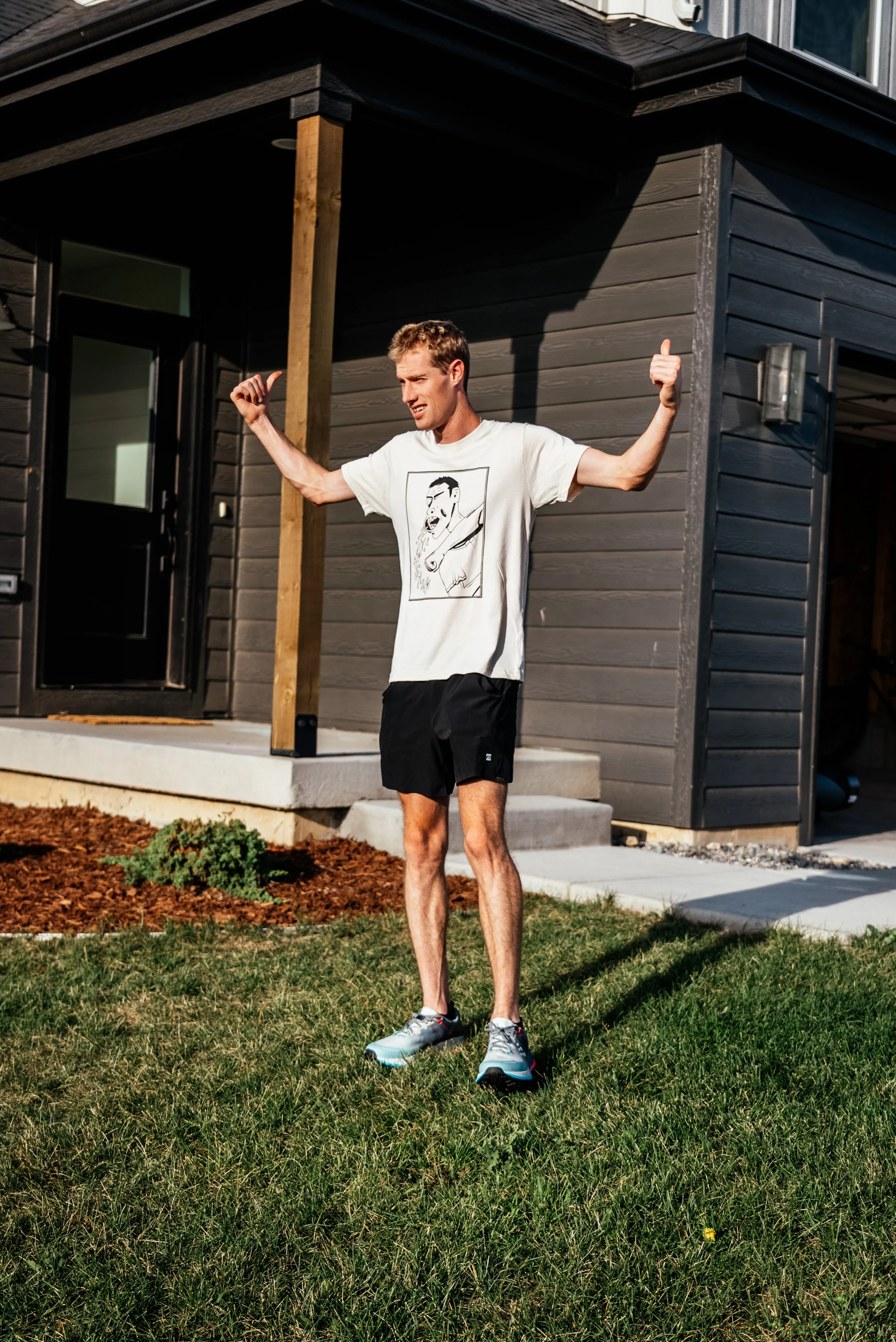
Move in scenes reveal who these athletes are through pretty ordinary tasks. They choose rooms, carry bags, assess closets, joke with strangers, and decide where their lives will fit. Bare walls and open boxes provide all the exposition needed.
I filmed the athletes arriving, meeting each other, walking through bedrooms, and imagining how each space might change. The basement became a recurring source of humor. Before any equipment arrived, they were already calling it a workout dungeon and planning treadmills, mats, free weights, and a squat rack.
Those details gave the house character. It began as a large, mostly empty building. By the end of the episode, it had photos on dressers, shoes near the door, race plans in conversation, and a small gym taking shape downstairs.
I wanted viewers to feel the house becoming theirs in real time.
A key directing choice was allowing conversations to run past the clean informational line. The little jokes often carried more value than the formal answers. Free laundry reveals financial reality. A giant bathroom reveals where these athletes came from. A basement debate reveals how quickly a group identity can form. The camera had to stay present long enough for those moments to unfold.
Building Three Distinct Athlete Portraits
The first episode also needed three short backstories. Each athlete required enough history to feel specific, while the full film still needed momentum. I chose a central emotional idea for each person.
Dylan became the competitor who had slowly built himself into a stronger runner. His story began in Maine, moved through an obstacle race and the Appalachian Trail, then reached college running. Plymouth State showed how much he valued group training, giving his move into the house deeper logic. His section also carried sacrifice: he left paid coaching work for a less certain athletic future.
Bayden became the mountain kid guided by joy and curiosity. Joseph, Oregon, and Gunnison gave his story a strong sense of place. He spoke of ridges, skimo, and trail running before he understood its professional side. His tension came from chasing elite performance while protecting the joy that brought him there.
Ares became the athlete with unfinished business. His path moved through several states, college programs, health setbacks, and a shift from roads toward trails. His belief felt strong, yet his results had never fully matched it. The house offered a fresh chance then injury arrived immediately.
Each profile used the same basic structure: origin, relationship with running, turning point, present goal, and current obstacle. The emotional color changed with each athlete.
That separation helped the audience remember them. Dylan was driven by steady progress. Bayden was pulled by mountains. Ares was chasing proof.
Using Archival Material as Emotional Evidence
Phone clips and old photos became essential. New interviews can tell viewers where someone came from, yet an old image lets viewers feel it.
For Dylan, images from Maine, college teams, snowy runs, and the Appalachian Trail could support his shift from a competitive teenager into a high volume mountain runner. For Bayden, childhood mountain photos, Western Colorado team images, skimo clips, and memories from Gunnison could turn his backstory into a lived world. For Ares, high school races, college programs, health struggles, and early trail races could show the length of his journey.
I asked for material that felt personal rather than polished. A shaky summit clip can carry more authenticity than a perfect branded reel. A team photo can explain community in one second. A hospital image, shared only with full comfort and consent, can give weight to a health story that might otherwise remain abstract.
Archival material also helped the edit move through time. Rather than hold on an interview frame through a list of schools, races, or injuries, I could use images that changed rhythm and added emotional detail.
Ares and the First Real Stakes
The strongest dramatic turn arrived through Ares.
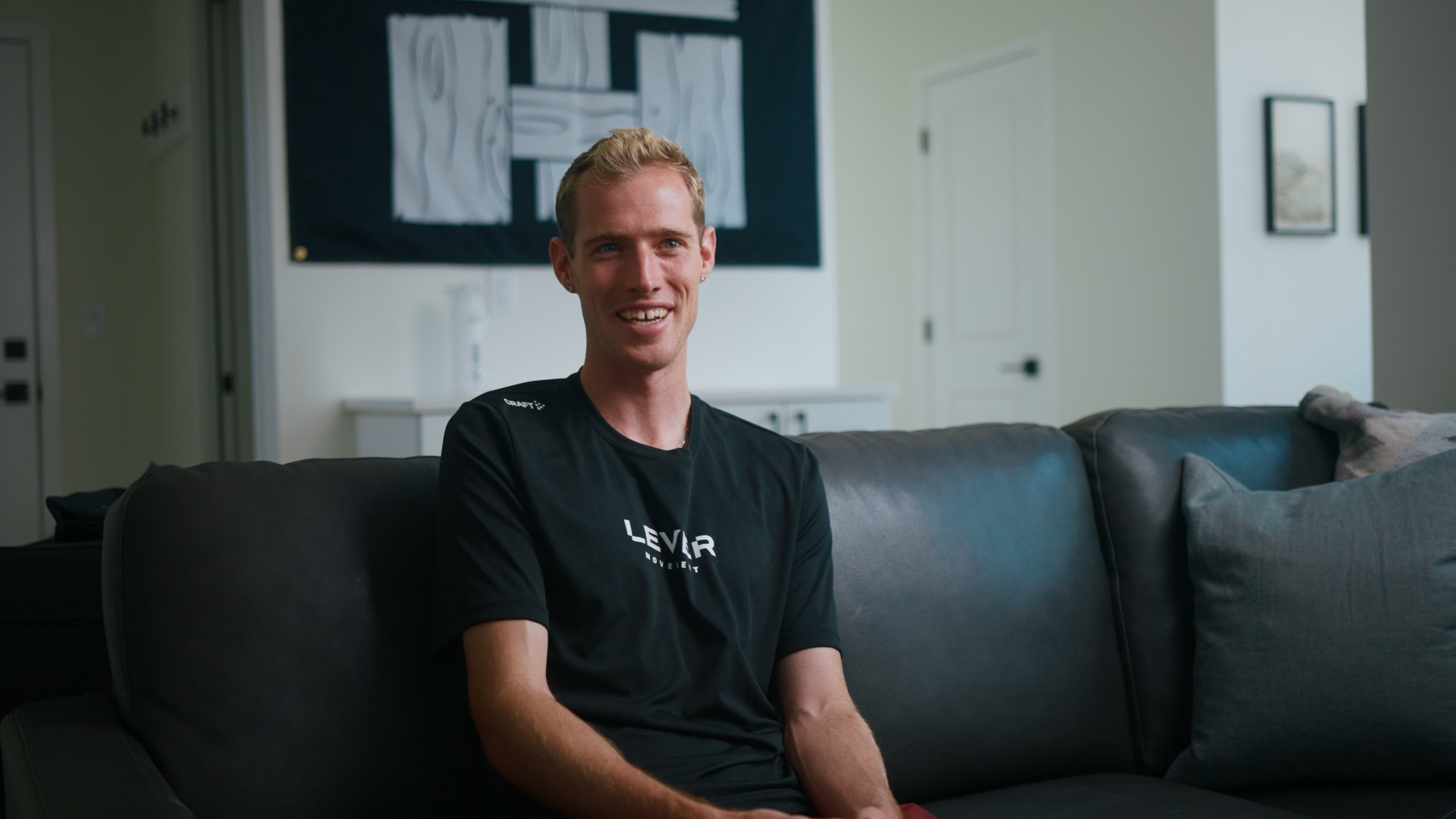
Early in his section, he described the possibility of signing a shoe contract and making his younger self proud. Soon after, the film shifted into his current injury. The optimism and physical limitation lived side by side. He could picture the career he wanted, yet he was struggling with daily movement and had no clear diagnosis.
That contrast gave the episode its emotional center.
I filmed him doing simple exercises, describing where the pain moved, and preparing for medical imaging. The MRI scene carried little spectacle, which made it valuable. He entered the Trail House to pursue running with greater focus, then spent part of his first week inside a medical facility trying to learn why he could barely run.
The transcript captures that uncertainty as he explains that the pain could worsen during basic tasks and that he is seeking answers through pelvic and sacral imaging.
My goal was to avoid forcing drama. Injury already contains fear, frustration, and lost time. The camera only needed to stay close and let Ares speak plainly.
The scene also widened the meaning of going all in. Full commitment offers no guarantee of forward motion. Sometimes it means giving recovery the same attention as training.
Bayden Brings the First Competitive Payoff
While Ares searched for answers, Bayden left for Alaska.
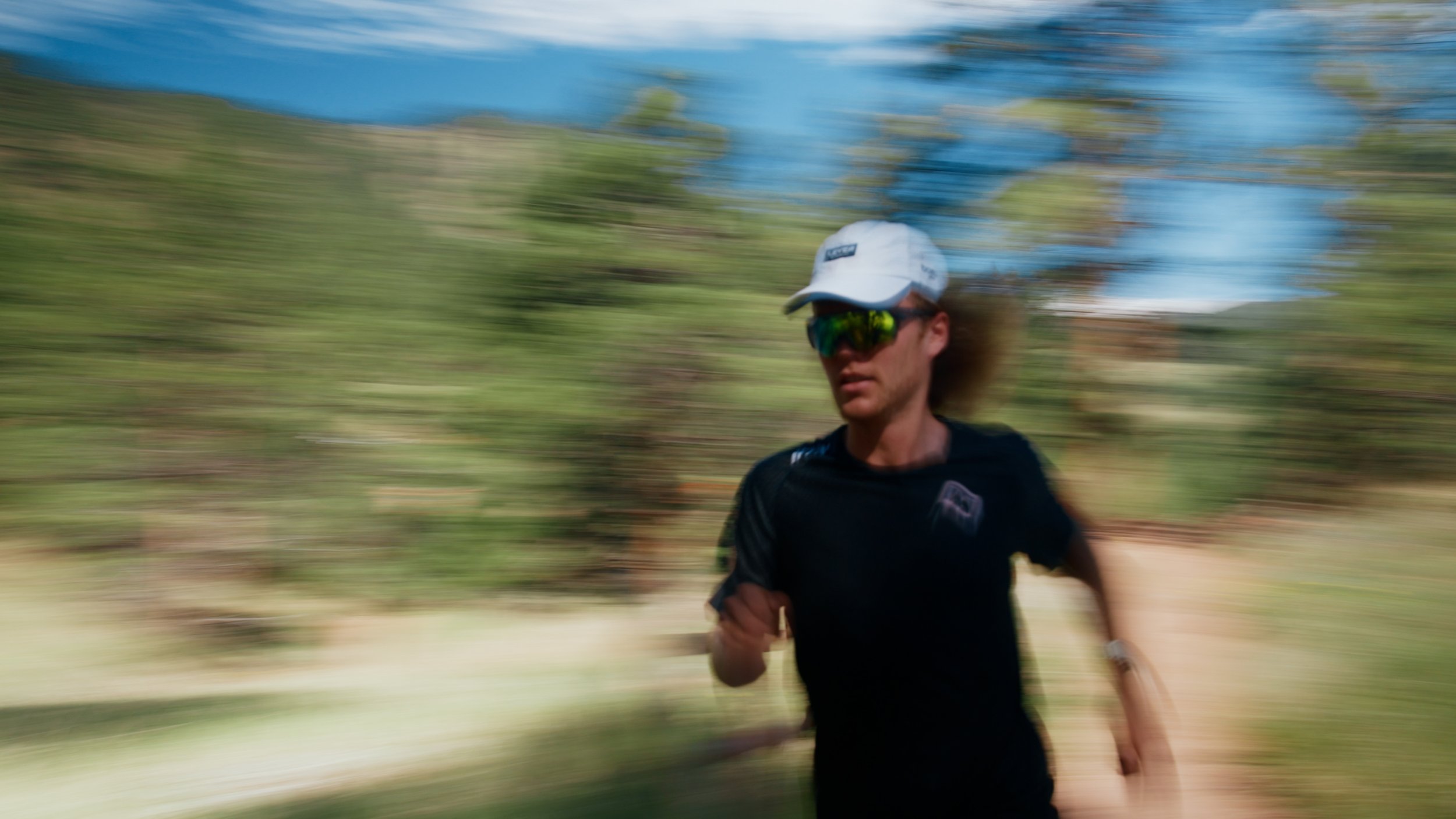
That gave the episode a strong parallel structure. One athlete was unable to run. One athlete was preparing for a steep, fast race in Seward. Bayden described Mount Marathon as a three mile event with 2,800 feet of climbing and descending, followed by a direct return down the mountain.
The production challenge was distance. I was in Boulder while Bayden was in Alaska. His self filmed camcorder footage, family clips, livestream material, and later recap became the visual bridge.
That limitation shaped the scene in a useful way. Rather than presenting a conventional race film, I built the sequence through anticipation, remote viewing, and Bayden’s own memory of the event. Back at the house, the guys watched and reacted. Bayden then walked through his effort, the cold summit, the steep descent, and his move into third place.
The scene gave Episode 1 a real result. Baden had only just moved in, yet he already had a Trail House debut worth celebrating.
It also showed how this series could expand beyond one location. The house is the center, but the races create a wider world.
Turning a Basement Into a Story
Near the end of the episode, the guys bought used gym equipment and carried it into the basement.
On paper, this scene is simple - buy a squat rack, move it downstairs, assemble a small gym. Within the episode, it served several purposes.
It showed financial resourcefulness, cooperation and gave the house visible progress. It also offered a release after the MRI and race sections. The guys could joke, lift awkward equipment, debate placement, and celebrate a basic setup.
The gym was modest, yet the pride was real. The transcript moves from a two hundred dollar purchase into the reveal of the mat, kettlebell, weights, bar, and bench.
That scene reflects the larger project. The Trail House is ambitious, but the daily work remains practical. Professional dreams still require carrying a bench down the stairs.
Filming and Editing a Twenty Minute Episode in Eight Days
The edit began while filming was still active. Each evening, I reviewed interviews, pulled selects, marked themes, and tracked missing visual material. That process shaped the following shoot day.
When an interview mentioned an old race, I requested archival footage. When a character described an injury, I planned exercises, medical scenes, and daily life details. When a section felt too verbal, I looked for an action that could carry the same idea.
I built the first assembly around a simple progression:
Premise. Arrival. Dylan. Bayden. Ares. Injury. Race. Settling into the House. Training.
That order allowed the episode to move from explanation into character, then from character into stakes. It also created contrast. Fun house details sat beside major life goals. A beautiful mountain memory sat beside a medical scan. A race podium sat beside a used squat rack.
The hardest part was deciding what to leave out. Each interview could support a full profile. A twenty minute episode needed restraint. I kept lines that revealed motive, fear, contradiction, or change. Biography stayed only when it served the present story.
Sound connected those scenes. House ambience made arrival scenes tactile. Running audio gave race clips energy. Pauses around the MRI gave uncertainty room. Music carried transitions, while dialogue remained the main engine.
The Role of Trust
This series depends on access and access depends on trust.
The first episode asked the athletes to share unfinished dreams, financial uncertainty, health history, injury fears, and personal memories almost immediately after meeting me. That required a filming style built around conversation rather than performance.
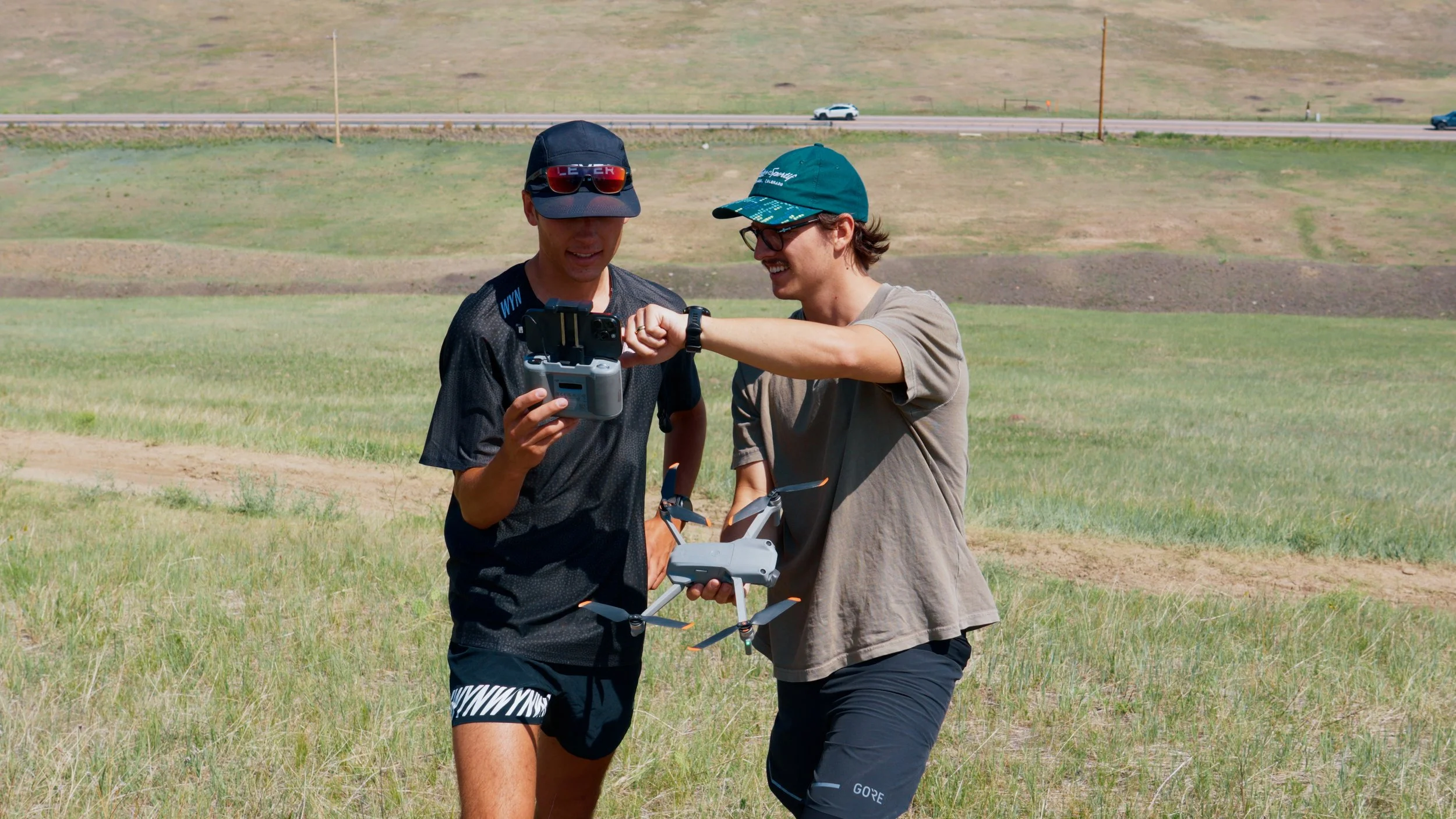
I kept the crew footprint small (VERY small. This episode was just me filming and editing everything). I tried to explain why I was asking each question, and gave the guys room to speak in their own language. Imperfect moments stayed in the cut like a phone call, a strange joke, or a clumsy room tour can make someone feel human.
The aim was to introduce people with ambition, humor, doubt, and lives beyond race results.
I made these choices because the long term value of the series will come from change. If viewers meet polished heroes, growth has little room to appear. If viewers meet young athletes at the beginning, every later breakthrough carries history.
What Episode 1 Taught Me
The first episode reminded me that documentary structure comes from careful attention and intention.
The premise gave me direction, but the real story arrived through details I could never have scripted - one athlete leaving for Alaska almost immediately, one athlete entering an MRI, one guy hoping the house might cover his rice, and a basement slowly becoming a gym.
Those details held the spirit of the project. Money is limited but ambition is huge. The house is new, the athletes are still learning each other and their futures remain open.
My job was to shape that raw beginning into a film with clarity and heart.

Eight days forced fast decisions, yet speed never had to erase care. The process worked because the episode had a clear central question: what happens when talented runners receive a genuine chance to pursue the next level?
Episode 1 gives no final answer. It gives us the people, the place, the dream, and the first signs of how hard the path may become.
That was enough for a beginning.
Why We Should Work Together…
When I’m not on this website rambling on about filmmaking, I’m actually out there making films. From crafting memorable branded documentaries to capturing stories and products that move people, I’ve got you covered. Need a filmmaker who can scale mountains, brave the surf, or just tell a dang good story? Let’s chat!

Let’s Connect
Roo is an Emmy nominated commercial/documentary filmmaker and photographer based in Boulder, Colorado but travels all around the world for his filmmaking career. He has directed documentaries for Patagonia in California, produced films for Outside Magazine throughout Europe and Africa, camera operated for Netflix in the Rocky Mountain West, photographed among indigenous communities in South America, and has received notable recognition in the outdoor industry for his work telling uplifting stories in the outdoor space.