
The first episode of The Trail House had a clear responsibility. It needed to introduce the athletes, explain the premise, and establish what each runner was risking by moving into a house in Boulder to pursue professional trail running.
Episode 2 presented a different challenge.
The introductions were over. The runners had moved in. Viewers understood the goal. Now the series needed to begin moving beyond its premise and show what attempting to become a professional trail runner actually looks like.
As the documentary director behind the series, I wanted Episode 2 to feel wider, more active, and more embedded in the athletes’ lives. The episode follows Ares as he attempts his first run after several weeks away, Dylan and Bayden as they explore Boulder’s Flatirons, Bayden as he prepares for an unusually difficult 100-mile race, and the group as they begin establishing their training routines.
The challenge was shaping all of those threads into one cohesive trail running documentary rather than a collection of workouts.
Starting With the Most Vulnerable Moment
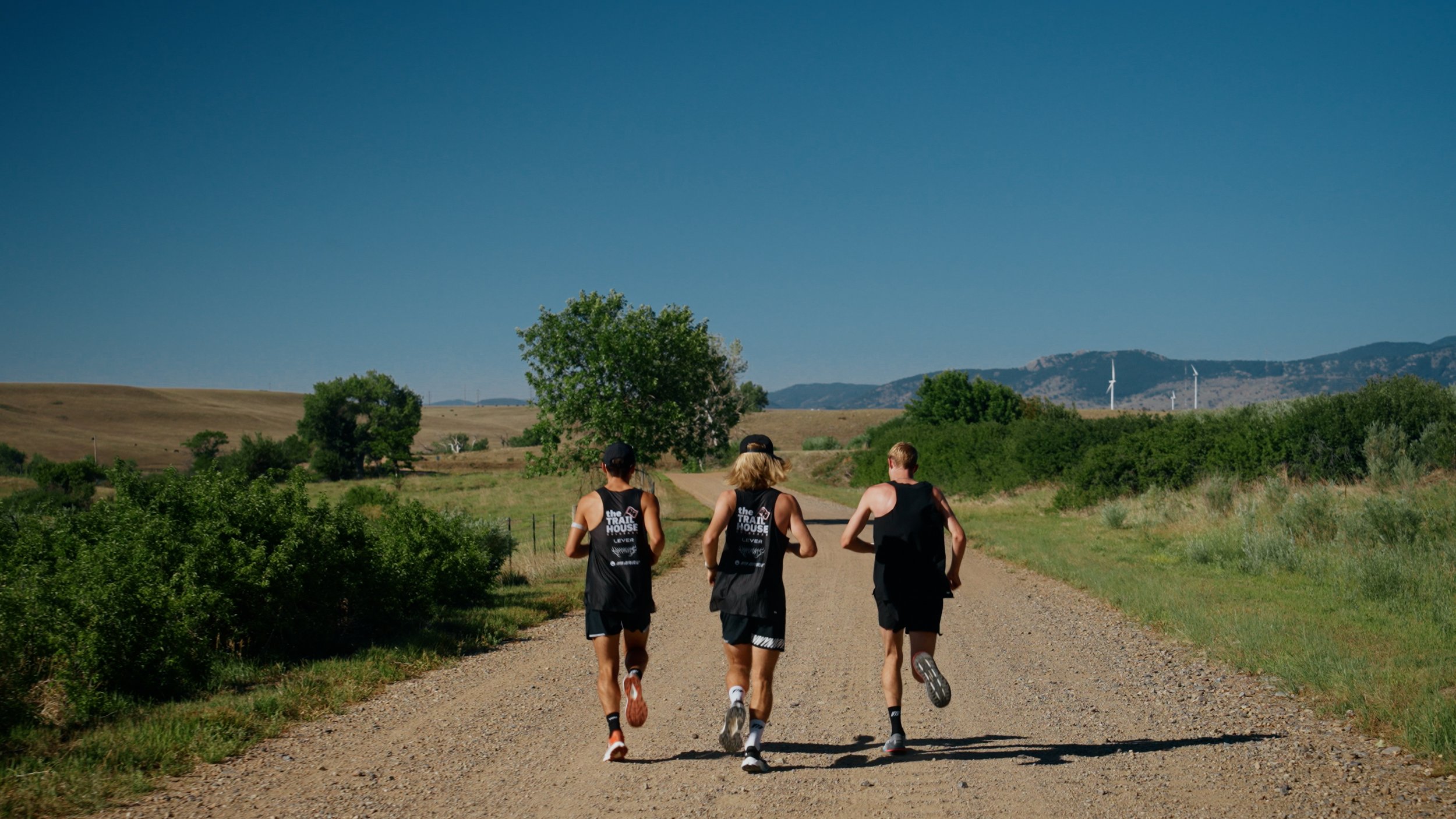
I opened the episode with Ares attempting to run again.
At the beginning of the series, Ares arrived at the Trail House injured. An MRI had ruled out a sacral stress fracture, but he was still dealing with pain and had lost several weeks of training. His first run back was only supposed to last around fifteen to twenty minutes.
That made it more dramatically useful than a huge mountain workout.
The physical action was simple. Ares put on his shoes, stepped outside with Dylan and Bayden, and tried to run. Emotionally, the scene carried much more weight. He had moved into a house created for trail runners while being unable to do the one activity holding the entire project together.
The scene worked because Ares did not hide how difficult the return felt. He joked about being out of shape, struggled to hold a pace that once would have felt casual, and acknowledged that this was the longest break from running he had ever experienced.
Yet the scene was ultimately hopeful. He finished the run, recognized that his fitness could return, and described himself as happy simply to be moving from the Trail House for the first time.
As a sports filmmaker, I am often drawn toward visually impressive moments: dramatic ridgelines, difficult races, athletes moving quickly through beautiful places. This scene reminded me that spectacle and stakes are different things.
A two-mile run can carry more emotional tension than a twenty-mile run when the audience understands what those two miles mean.
Giving Every Running Scene a Different Purpose
Episode 2 contains a lot of running, which created an editorial problem.
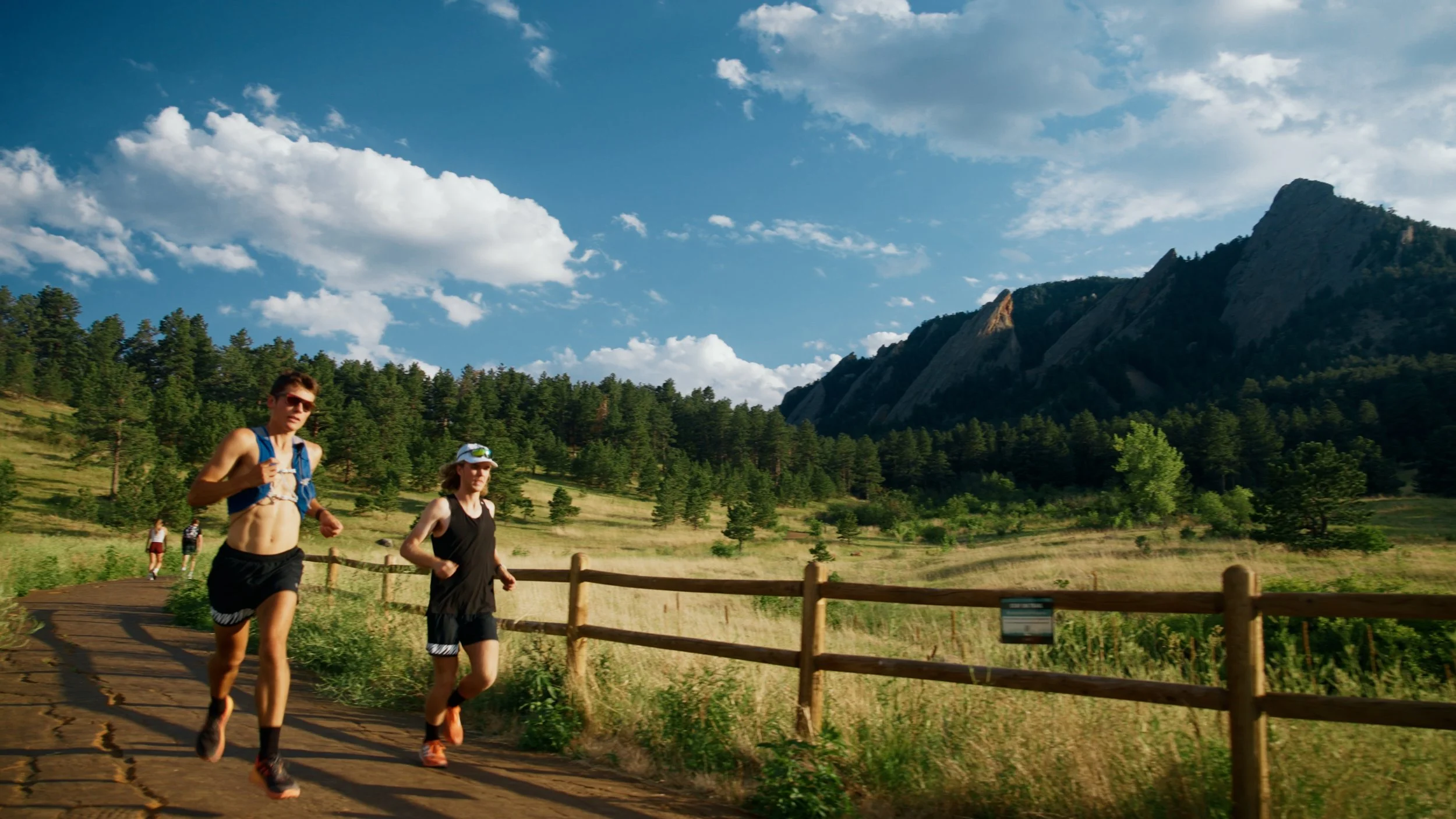
Repeated shots of athletes moving through mountains can quickly lose their effect. No matter how beautiful the footage is, a sequence needs a purpose beyond showing that trail runners run. I tried to give each running scene a separate dramatic function. Ares’ first run represented vulnerability and return. The Flatirons sequence represented discovery and friendship. Bayden’s High Five training represented preparation for the unknown. Dylan’s Green Mountain and Eldorado Canyon footage represented accumulating volume and adapting to Boulder.
By separating those functions, I could include a large amount of trail running without making every scene communicate the same idea. This is something I think about constantly as a running filmmaker. The activity may stay consistent, but the meaning has to change.
Using the Flatirons to Introduce Their New World
One of the largest scenes in the episode follows Dylan and Bayden scrambling the Second Flatiron.
They were still new to Boulder and knew very little about the formation. They initially mispronounced Chautauqua, questioned whether they needed running vests, read instructions from a scrambling guide, and began climbing in nearly 100-degree heat.
I could have approached the scene as a polished Boulder adventure sequence. Instead, I leaned into their lack of familiarity.
Their confusion was part of the charm.
They smelled ponderosa pine, debated the easiest route, tried to trust their shoes on the sandstone, and slowly became more comfortable as they climbed. What began as an awkward experiment became one of their first real experiences of Boulder as home.
The Flatirons also gave the episode visual scale. Most of the early material took place inside the house, around neighborhood trails, or at physical therapy. Suddenly, the athletes were high above Boulder on a continuous slab of rock, moving through terrain neither had experienced before.
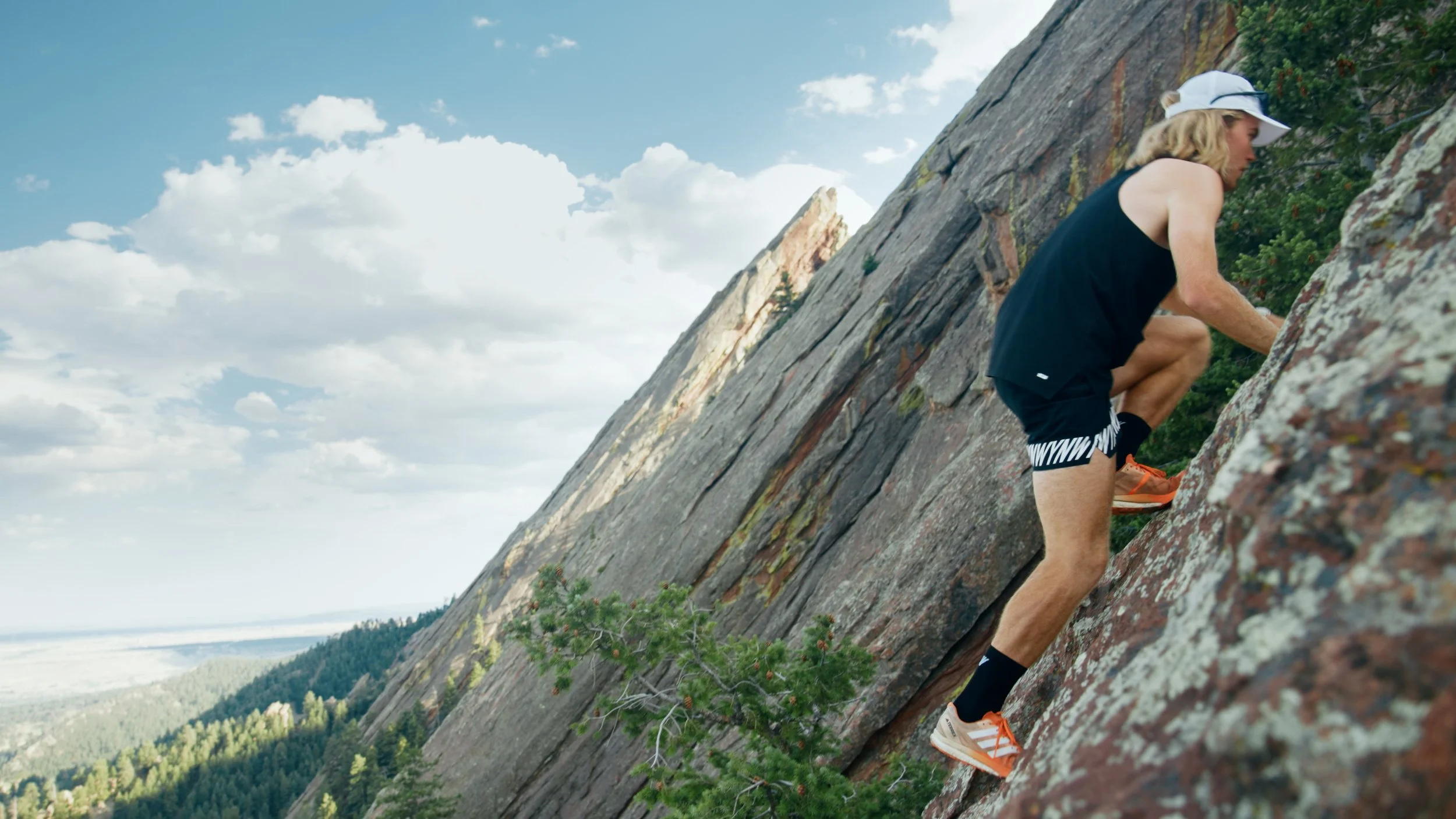
Yet I wanted the scene to remain character-driven.
Bayden appeared immediately at home in the mountains. Dylan was excited but more cautious. Their different relationships with risk emerged without either athlete explaining them directly. By the end, both wanted to return, but Dylan acknowledged that he would need more experience before moving onto harder routes.
Those distinctions matter in a long-form documentary series. A good scene should advance the episode while also teaching us something that may become important several episodes later.
Filming a Coach Without Creating a Lecture
Episode 2 also needed to establish the role of coach Matt Daniels.
A coaching scene can easily become overly informational. The coach explains training theory, athletes listen, and the story stops while viewers receive a lesson.
I wanted Matt’s philosophy to emerge through action and individual relationships.
We began with a relaxed group run from the house. Matt explained the general duration and effort, reminded everyone that the higher elevation affected recovery, and specifically asked Ares to keep his portion shorter as he returned from injury. That immediately demonstrated his approach.
The athletes shared a house and a goal, but they were never going to receive identical training. Dylan was building large aerobic volume. Bayden was moving between short, steep mountain races and an upcoming 100-miler. Ares needed to regain health before pursuing fitness.
During the conversation, Matt emphasized individuality. He warned against shaping yourself into an imagined version of what a professional runner should be. Instead, he encouraged each athlete to understand what made him effective and what kept him excited by the sport.
His feedback became specific:
Dylan needed opportunities to develop speed without abandoning the aerobic volume that made him strong.
Bayden needed to stay connected to the mountains and adventure that fueled his motivation.
Ares needed to get healthy while continuing to explore the raw speed and toughness that could translate to trail racing.
That scene helped articulate one of the larger ideas behind The Trail House: becoming professional does not mean following one universal formula.
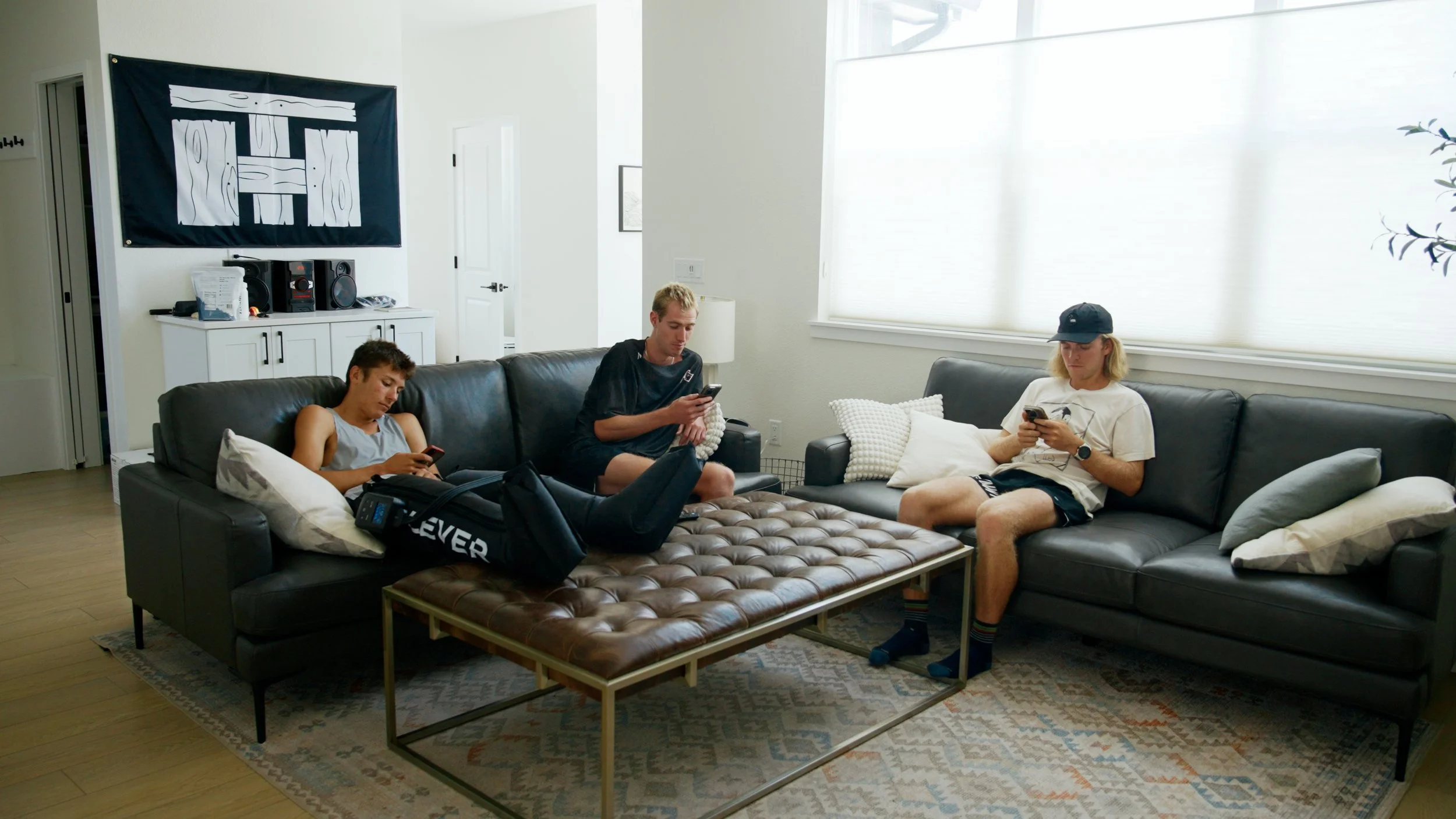
It also introduced Matt as more than someone assigning workouts. He had made mistakes during his own career and wanted the athletes to reach the professional level without having to repeat all of them.
From a documentary directing perspective, this was far more useful than asking Matt to provide a broad definition of good coaching. His philosophy became visible through the differences between the runners.
Making Bayden’s 100-Miler Understandable
Bayden’s next major goal was the High Five 100 in Lake City, Colorado.
The race was difficult to explain because it was not a traditional marked ultramarathon. Competitors had to reach twenty-four checkpoints in order, but they could choose their own routes between them. The likely course included five fourteeners, numerous 13,000-foot peaks, roughly 40,000 feet of climbing, and prolonged exposure at extreme altitude.
Those numbers are dramatic, but numbers alone rarely create emotion.
My task was to help viewers understand what those statistics meant practically.
Bayden would likely spend more than a full day moving through remote mountains. He needed to navigate, fuel consistently, manage altitude, stay warm, and continue traveling over technical terrain through darkness.
That is why a scene about shopping for a waist light became useful.
In isolation, choosing a light is mundane. Within the larger race, it represented one of many small decisions that could become serious after twenty or thirty hours. Bayden had never experienced the race conditions himself, so he was relying partly on advice from other ultrarunners. His preferred light was sold out, and the alternatives did not fit cleanly with the belt and vest he planned to wear.
The equipment problem made the scale of the race more relatable.
Most viewers cannot immediately imagine 40,000 feet of climbing. Everyone understands the anxiety of realizing that a piece of equipment they need is unavailable.
I paired that preparation with footage and reflections from Bayden’s final scouting trip. He had spent six hours moving at an average altitude close to 12,000 feet and felt encouraged that he avoided headaches or significant altitude problems.
The sequence therefore moved from huge abstract stakes into specific evidence:
The route was unusually difficult.
Bayden had tested himself at altitude.
His body responded well.
Several practical unknowns remained.
That creates anticipation without falsely claiming that he was ready.
Following Ares Beyond the MRI
Ares’ MRI result was good news. There was no sacral stress fracture, and his injury appeared to be primarily related to soft tissue.
Good news does not automatically resolve a documentary storyline.
Ares still had pain, limited fitness, and no precise explanation for everything he was feeling. He was relieved by the imaging but also confused by it. The result removed one frightening possibility without giving him a perfect answer.
I followed him to Evolution Physical Therapy in Golden to document the next stage.
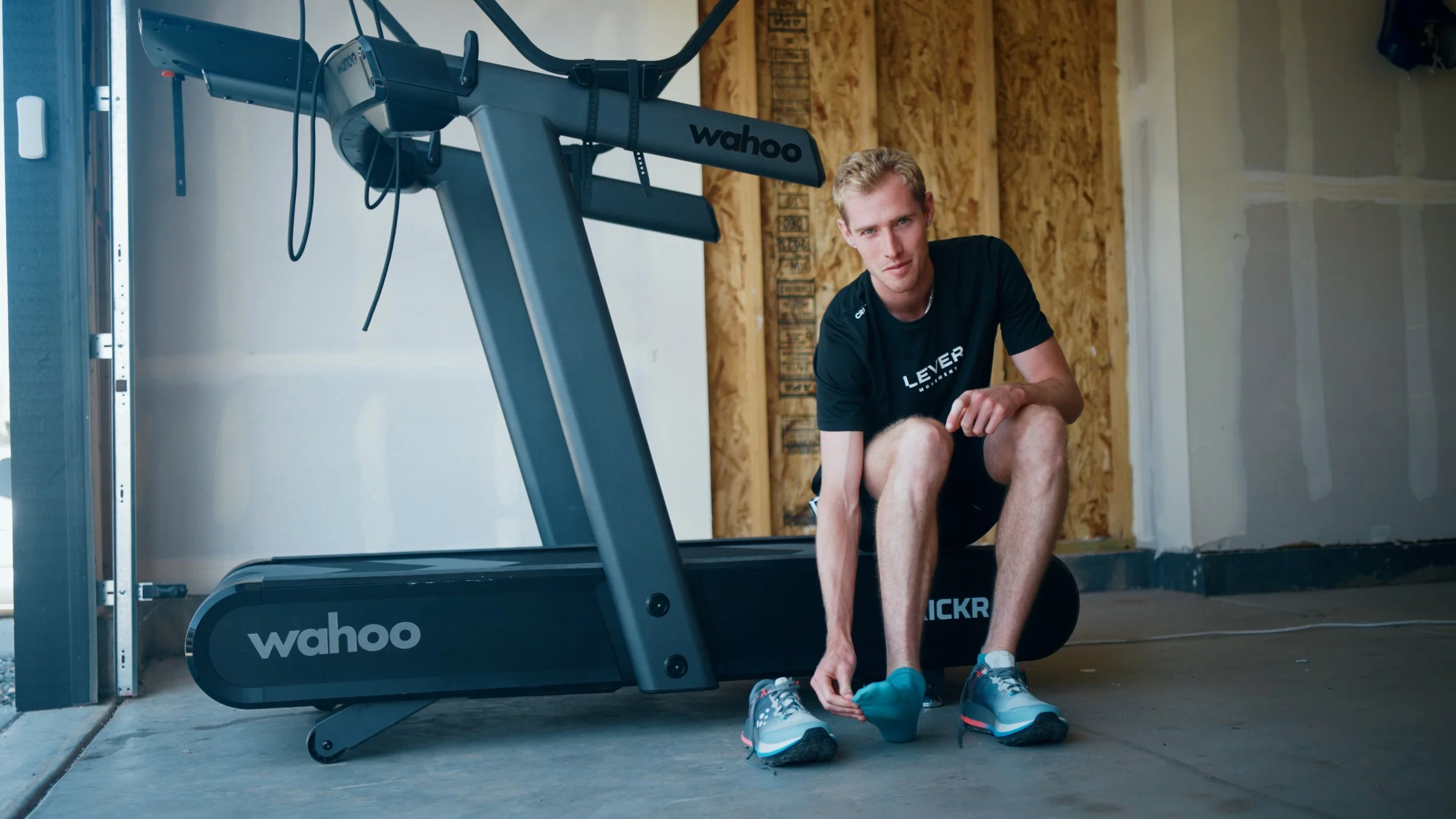
The therapist discussed progressively reintroducing load rather than treating the clear MRI as permission to immediately resume full training. They considered his two-mile test run, current soreness, strengthening exercises, and the use of a Lever system to remove approximately twenty pounds of body weight during treadmill running.
The phrase that stood out was that they could not “overcook” him.
That became the essence of the scene.
Ares was motivated to return as quickly as possible, but progress depended on doing enough to stimulate adaptation without creating a setback. The Lever allowed him to practice the movement of running, elevate his heart rate, and regain familiarity without placing his full body weight through the affected area.
Visually, physical therapy presents challenges. The environment is clinical, movements are repetitive, and much of the important information exists inside the athlete’s body.
I looked for details that could make the process tangible:
Ares identifying the location of discomfort
The therapist assessing movement
His feet turning over on the treadmill
The adjustment of body-weight support
His expression as he evaluated each sensation
Small exercises that looked easy but exposed weakness
The scene was less cinematic than the Flatirons, but it carried equal importance. A long-form sports documentary needs both the dream and the maintenance required to continue pursuing it.
Showing Strength Training as Part of the Story
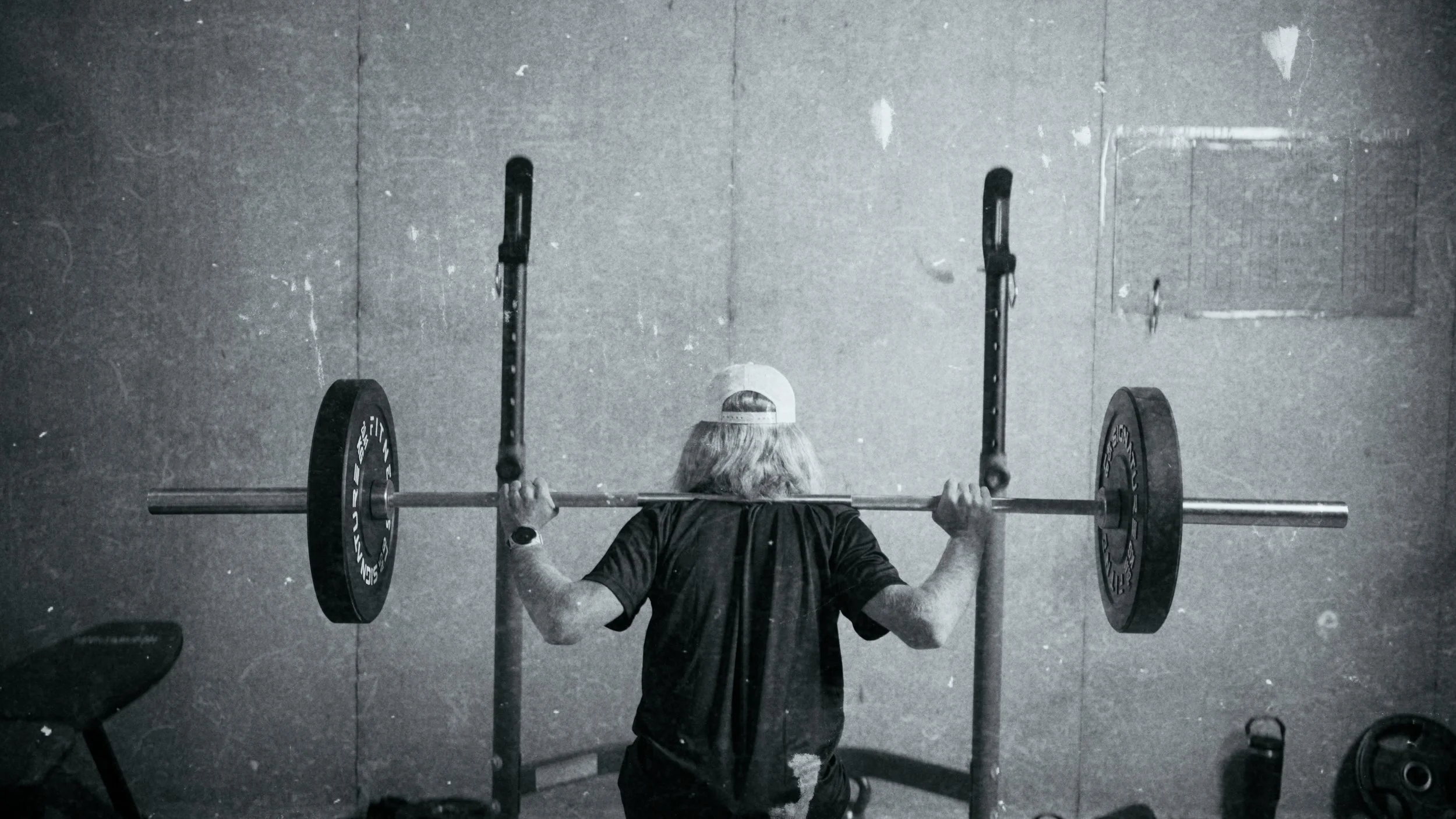
The Trail House basement gym began as an empty room and a joke during Episode 1. By Episode 2, it had become part of the athletes’ routine.
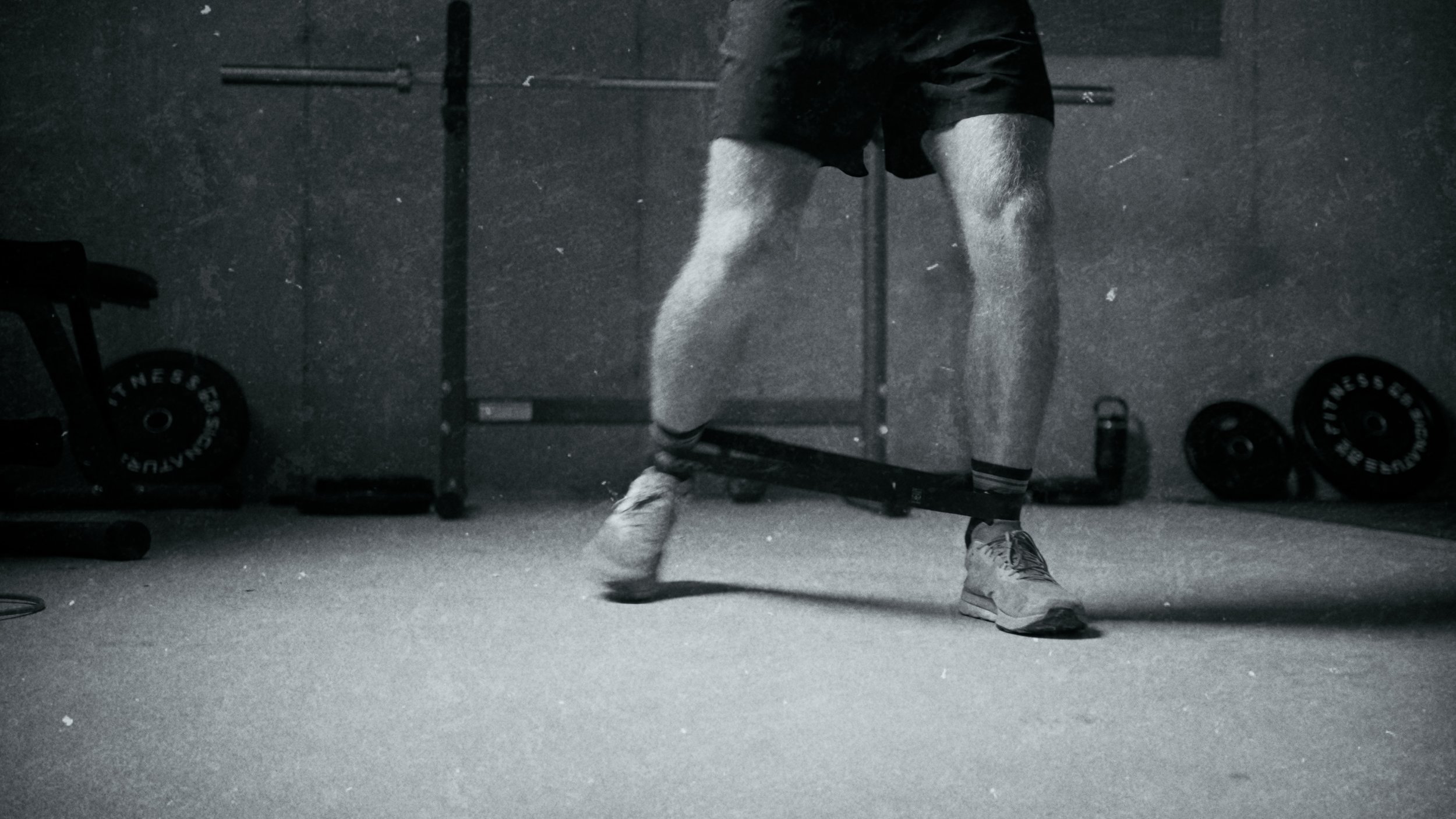
I filmed the runners discussing their approaches to strength work rather than creating a traditional workout montage.
One athlete had a written structure built around supersets, eccentric loading, muscular durability, injury prevention, and power. Another lifted twice per week using many of the same movements but followed a looser plan.
That contrast gave the conversation value.
Neither athlete was presented as universally correct. Instead, viewers could see how two serious runners approached the same supporting discipline with different levels of structure.
Strength training also reinforced the episode’s broader transition. The athletes were no longer merely moving into a house and imagining what the project could become. They were beginning to create routines, track work, compare methods, and influence one another.
Those ordinary systems are where the Trail House experiment will either succeed or fail.
Balancing Performance With Personality
A sports documentary can become exhausting if every scene focuses on ambition, pain, and performance.
The athletes need space to be funny, distracted, inexperienced, and young.
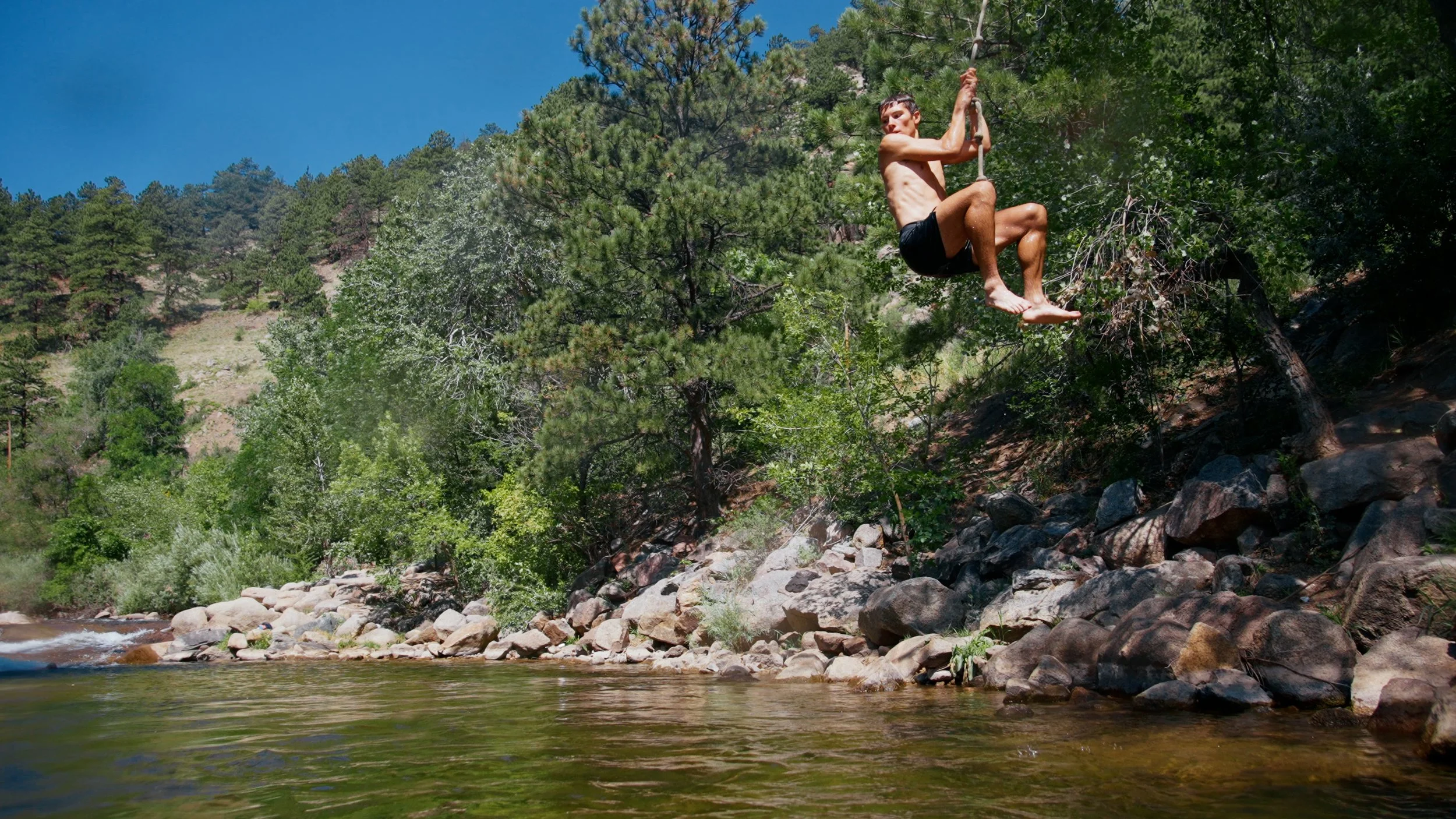
Episode 2 includes a giant delivery of rice and tortillas, confusion over Boulder place names, casual disagreements about equipment, live music downtown, break dancers, and an unexpected cat being spun around by its owners.
None of those moments directly advances an athletic goal.
They still matter.
The viewer needs to enjoy spending time with the people inside the film. Results may create stakes, but personality creates attachment.
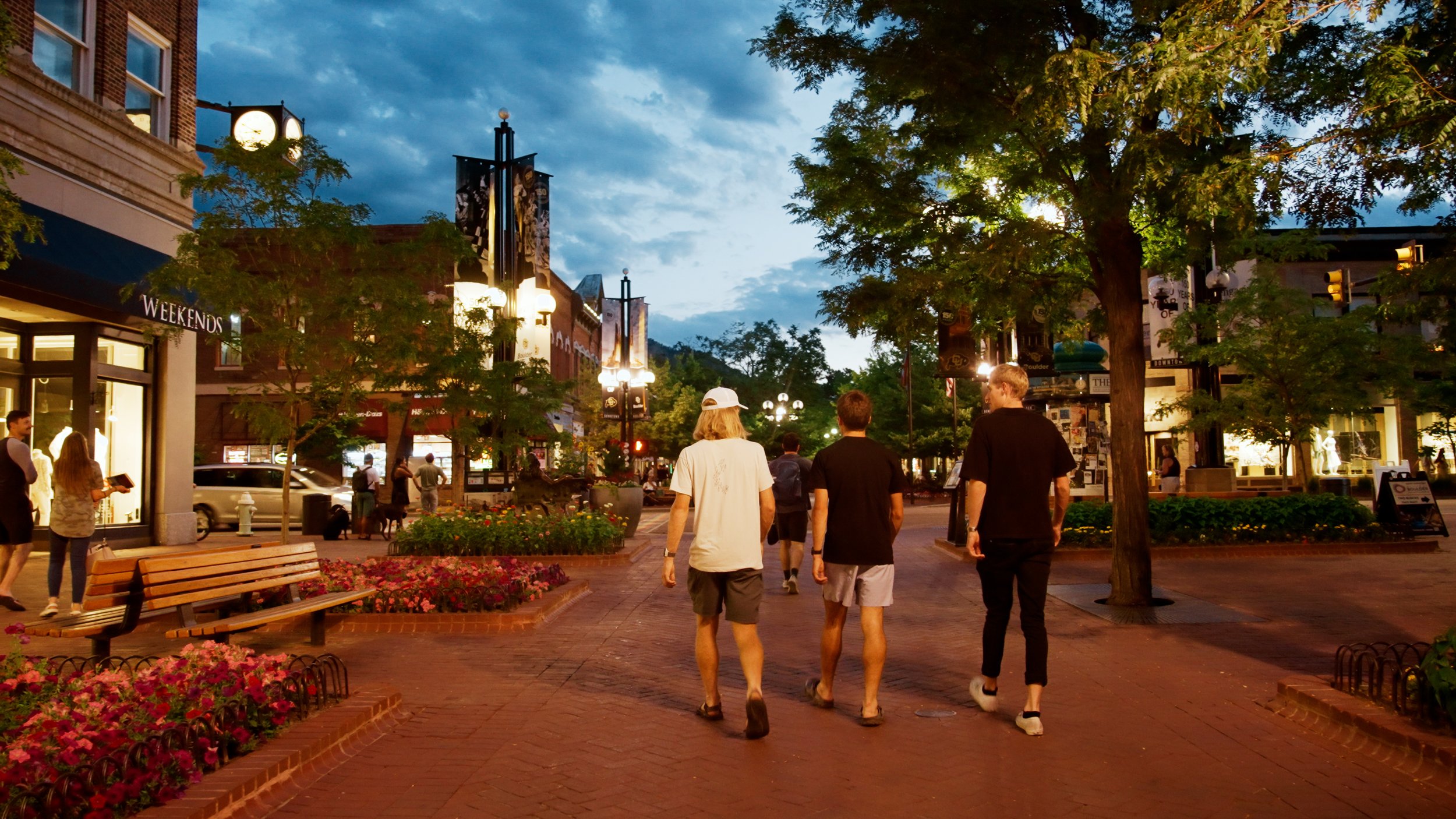
The Bands on the Bricks sequence allowed the episode to breathe after substantial sections devoted to injury, training theory, race logistics, and workout volume. The guys walked through downtown Boulder, watched live music, joked with each other, and experienced part of the city beyond trail running.
Those lifestyle scenes also expand the central question of the series. The athletes are trying to determine whether running can become a career, but they are simultaneously building a life together.
A career cannot be sustained through workouts alone.
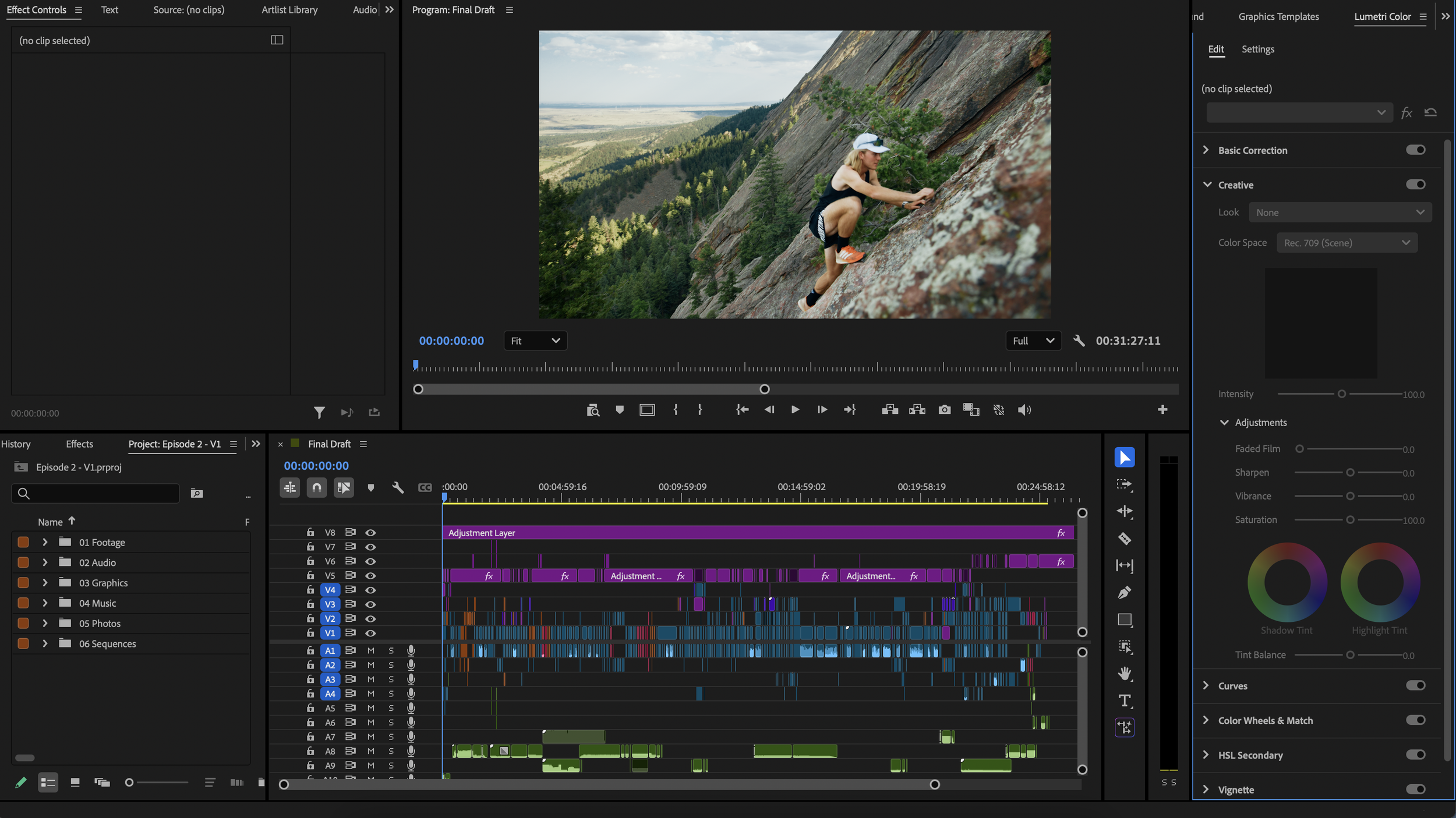
Editing Several Storylines Into One Episode
The completed episode moves among multiple levels of scale:
Ares taking his first steps back
Dylan and Bayden climbing above Boulder
Matt considering a fourteen-month developmental process
Bayden planning for more than 100 miles of remote terrain
The athletes discussing individual strength sessions
The group exploring downtown after training
The edit depended on contrast.
A physically small moment could lead into a huge goal. A serious conversation could give way to humor. A beautiful mountain sequence could be followed by the repetitive work of rehabilitation.
I also used interviews as bridges rather than isolated blocks. When an athlete mentioned a race, the edit moved into training footage. When Matt identified a strength or weakness, visuals showed that trait. When Bayden explained the High Five course, maps, scouting footage, equipment, and mountain imagery helped turn exposition into a developing story.
My goal was to make each section feel like evidence rather than explanation.
That is one of the most important lessons I have learned as a documentary director. An interview can tell us what a person believes. A scene allows us to decide whether we believe it too.
Ending With a New Problem
The final moments introduce the possibility that the High Five 100 could be cancelled because of wildfire smoke.
That development arrived after the episode had spent considerable time showing the scope of Bayden’s preparation. Viewers had learned the route, understood the elevation, watched him scout the mountains, and seen him solve equipment problems.
Then the entire plan became uncertain.
The ending works because it changes the meaning of the preceding scenes. Bayden was preparing for terrain, altitude, darkness, navigation, and fatigue. None of that preparation could control whether the race happened.
That is the kind of development a documentary filmmaker cannot manufacture.
The job is to recognize when reality delivers a stronger ending than the one originally planned and ensure the episode has built enough context for that moment to matter.
What Episode 2 Taught Me as a Sports Filmmaker
Episode 2 reinforced that a good running film cannot rely only on running.
The most meaningful material came from the contrast between movement and uncertainty:
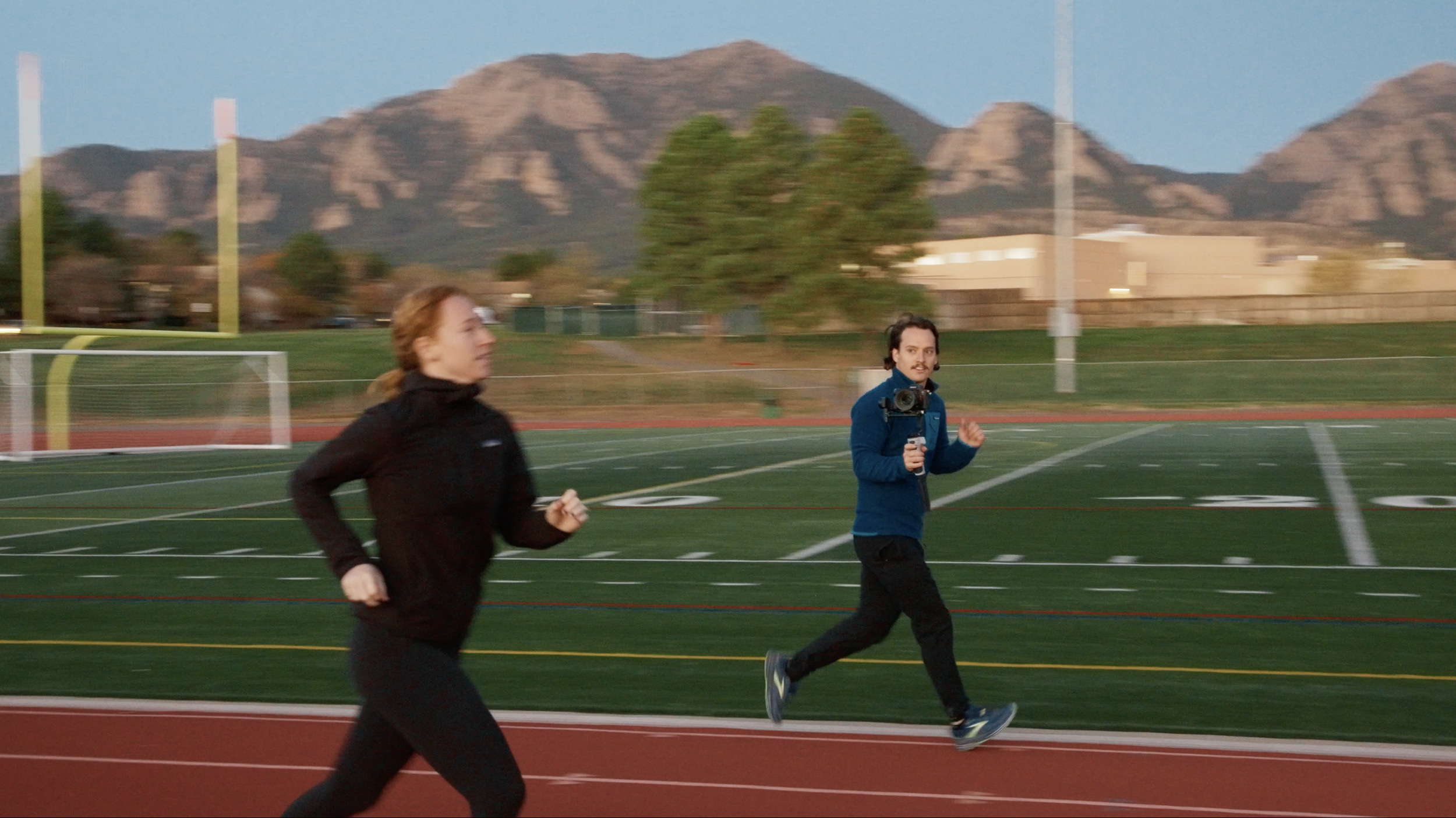
Ares could run again, but only briefly.
Bayden appeared prepared, but his race was suddenly threatened.
Dylan could absorb huge training volume, but still needed to develop other abilities.
The athletes shared a goal, but required different paths.
Boulder offered an ideal training environment, but the house still needed to become a sustainable life.
As an outdoor documentary director, I am always looking for visually powerful environments. Boulder made that part easy. The more important work was connecting those environments to character.
The Flatirons mattered because Dylan and Bayden were discovering them together.
The treadmill mattered because Ares had been unable to run.
The basement mattered because the athletes were building routines.
The downtown scenes mattered because they were beginning to create a home.
Episode 2 marked the point where The Trail House stopped being an idea and started becoming a lived experiment. The athletes were training, adapting, recovering, and making plans. Reality was already beginning to disrupt those plans.
That is exactly where I want to be as a documentary filmmaker: close enough to recognize the story as it changes, and patient enough to let the people inside it reveal what the story really means.
Why We Should Work Together…
When I’m not on this website rambling on about filmmaking, I’m actually out there making films. From crafting memorable branded documentaries to capturing stories and products that move people, I’ve got you covered. Need a filmmaker who can scale mountains, brave the surf, or just tell a dang good story? Let’s chat!

Let’s Connect
Roo is an Emmy nominated commercial/documentary filmmaker and photographer based in Boulder, Colorado but travels all around the world for his filmmaking career. He has directed documentaries for Patagonia in California, produced films for Outside Magazine throughout Europe and Africa, camera operated for Netflix in the Rocky Mountain West, photographed among indigenous communities in South America, and has received notable recognition in the outdoor industry for his work telling uplifting stories in the outdoor space.