
The Complete Guide to Producing a Branded Documentary Shoot
A great branded documentary does not begin when the camera turns on.
It begins weeks earlier, in the work of figuring out what the film is really trying to say. Before the first interview is scheduled, before the location is scouted, before the shot list is built, there needs to be a clear understanding of the story, the audience, the stakes, and the reason the film should exist in the first place.
That is what separates a branded documentary from a nice-looking marketing video.
A traditional commercial often starts with a message and builds scenes around it. A branded documentary starts with a story and finds the message inside it. The goal is still strategic. The film still needs to serve the brand. But the path there is different. Instead of forcing a product into the center of every frame, branded documentary production works best when the brand becomes part of a larger human story.
That might be an athlete preparing for a race. A founder trying to bring a new technology into the world. A community built around a shared love of the outdoors. A customer whose life was changed by a product, a place, or an experience. The brand is present, but it is not yelling. It is woven into the world of the story.
For outdoor, lifestyle, wellness, travel, and mission-driven brands, this approach can be powerful because audiences are increasingly good at recognizing when something feels manufactured. People do not just want to be told that a brand is authentic, innovative, sustainable, community-driven, or adventurous. They want to feel it through people, places, and genuine stakes.
That is why documentary shoot planning matters so much. A branded documentary may look natural on screen, but the best ones are carefully designed behind the scenes. The planning process gives the production enough structure to stay focused while leaving enough room for moments to happen.
Here is how to plan a branded documentary shoot from the first idea to the final production day.
Start With the Core Story
The first step in planning a branded documentary shoot is not choosing cameras, locations, or interview questions. It is identifying the core story.
A simple way to begin is to ask: who is this film really following, and what is changing for them?
That question matters because a branded documentary needs movement. It does not always need a dramatic plot, but it does need some kind of progression. Someone is preparing for something. Someone is trying to solve a problem. Someone is returning to a place. Someone is building, risking, remembering, recovering, launching, or discovering.
Without that sense of change, the film can quickly become a collection of pretty images and vague statements. It may look polished, but it will not hold attention.
For example, a trail running brand could make a film that simply shows runners moving through beautiful landscapes. That may work as a visual piece, but it is not much of a documentary. A stronger story might follow one runner preparing for their first ultramarathon after years of injury. Another might follow a group of runners creating a more inclusive local community. Another could explore a shoe designer testing a product on the same trails that inspired its creation.
Each version gives the audience something to follow. The visuals become more meaningful because they are attached to a human experience.
When developing the core story, brands should look for three things: a compelling subject, a clear emotional thread, and a connection to the brand’s larger purpose.
The subject is the person, group, or place the audience will spend time with. The emotional thread is what makes the story matter. The brand connection is why this story makes sense for this specific company to tell.
The strongest branded documentaries sit at the intersection of all three.
Define the Strategic Goal
Even though a branded documentary should feel human, it still needs a business purpose.
Before production begins, the brand and creative team should define what the film is meant to accomplish. Is it introducing the brand to a new audience? Supporting a product launch? Building trust around a complicated idea? Recruiting partners, investors, employees, or customers? Creating a flagship piece of content for the website? Giving the sales team a more emotional way to explain the company?
This goal will shape the entire production.
A film designed to support a product launch may need more specific product context, usage scenes, and cutdowns for paid social. A film designed to build brand awareness may focus more on emotion, identity, and shareability. A film designed to explain a complex technology may need a stronger narrative structure, clearer visuals, and carefully planned interviews that make the idea understandable without feeling like a lecture.
This is where branded documentary production requires both creative and strategic thinking. The story needs to stand on its own, but it also needs to serve the larger campaign.
A helpful planning question is: what should the audience feel, understand, and do after watching?
Feel comes first because emotion is what makes people remember. Understand comes next because the film should clarify something important. Do comes last because not every branded documentary needs a hard call to action, but it should still guide the viewer toward a next step, even if that step is simply trusting the brand more.

Identify the Audience
A branded documentary made for everyone usually connects with no one.
During pre-production, it is important to define who the film is for. This does not mean reducing the audience to a stiff marketing persona. It means understanding the viewer’s world well enough to make creative choices that feel specific.
A documentary for outdoor athletes will likely use a different rhythm, visual language, and emotional tone than a film made for investors in a clean energy company. A film for consumers may need to be more immediate and feeling-driven. A film for B2B buyers may need to build credibility, show expertise, and make a complex offering feel more tangible.
Audience clarity also helps determine where the film will live.
A branded documentary for a homepage may need to clearly communicate who the brand is within the first minute. A festival-style film may allow for a slower opening. A YouTube film can take more time to build atmosphere if the title and thumbnail create enough curiosity. A paid ad cutdown needs to earn attention almost immediately.
This is one of the most common mistakes in documentary shoot planning: treating the film like one deliverable instead of planning for the full ecosystem. A 5-minute hero film, a 90-second cutdown, a 30-second ad, vertical reels, still photos, and behind-the-scenes clips all require slightly different thinking. They can come from the same shoot, but only if they are planned from the beginning.
Build the Creative Brief
Once the story, goal, and audience are clear, the next step is building a creative brief.
A creative brief is the foundation for the entire production. It does not need to be overly complicated, but it should answer the essential questions before the shoot begins.
At minimum, the brief should include the project objective, target audience, core message, story summary, key characters, visual direction, interview approach, locations, deliverables, timeline, and approval process.
This document gives everyone something to return to when decisions get complicated. Should the film be more emotional or more informational? Should the product be shown directly or more subtly? Should the edit feel fast and energetic or patient and cinematic? Should the interview questions focus on personal transformation, technical explanation, or brand mission?
The creative brief helps answer those questions before the team is standing on location, burning daylight, and trying to make decisions under pressure.
For branded documentary production, the brief should also leave room for discovery. Unlike a scripted commercial, a documentary shoot often changes once you meet the subject, hear the interview, or see how the day unfolds. The brief should provide direction without becoming a cage.
Think of it as a compass, not a script.
Choose the Right Subject
The subject can make or break a branded documentary.
A good subject does not have to be famous, polished, or perfectly articulate. In fact, the most compelling documentary subjects are often not the people who sound like they have been media trained. They are the people with a relationship to the story.
Look for someone with lived experience, emotional honesty, and a natural connection to the brand. They should have something at stake. They should be able to speak from experience rather than talking points. They should give the film access to a world the audience would not otherwise see.
For an outdoor brand, that could be an athlete, guide, designer, conservationist, community organizer, or everyday customer with a meaningful story. For a technology company, it could be an engineer, founder, field operator, partner, or person affected by the problem the company is trying to solve. For a wellness brand, it could be a practitioner, customer, farmer, maker, or someone whose daily life reflects the values of the company.
The key is to avoid choosing a subject only because they are convenient. A branded documentary needs more than availability. It needs presence.
Before confirming the subject, the creative team should usually have a pre-interview call. This call is not just logistical. It helps reveal how the person speaks, what themes naturally come up, where the emotional weight might be, and whether there is enough story to carry the film.
Sometimes the best line in the finished film begins as a casual sentence in the pre-interview. Sometimes the entire direction of the documentary becomes clearer once the subject starts telling the story in their own words.
That is the beauty of documentary work. You are not just manufacturing meaning. You are listening for it.
Map the Story Structure Before the Shoot
Once the subject is chosen, the next step is shaping the rough structure of the film.
This does not mean scripting every line. In branded documentary production, the goal is not to force people into a predetermined narrative. The goal is to know what kind of story you are trying to capture so the shoot has direction.
A helpful structure might look like this:
Opening: Introduce the world, subject, and emotional tone.
Context: Explain who this person is and why this story matters.
Tension: Show the challenge, question, obstacle, or deeper need.
Journey: Follow the subject through action, reflection, process, or place.
Resolution: Land on what changed, what was learned, or why the story matters now.
Brand connection: Let the brand’s role feel earned instead of forced.
For example, if the documentary follows a runner preparing for a mountain race, the structure might begin with an early morning training scene, move into the runner’s relationship with the sport, reveal a past injury or personal challenge, follow the final days before the race, and end with a reflection on why running still matters to them.
If the film is about a clean tech company, the structure might begin with the scale of the problem, introduce the people trying to solve it, show the technology moving from theory to real-world testing, and end with a sense of momentum toward what comes next.
The structure gives the team a shared target. It helps the director know what scenes are essential. It helps the brand understand how the film will serve the campaign. It helps the editor later because the production was designed with story progression in mind.
The final documentary may still change in the edit, but the shoot should never begin with the hope that the story will somehow appear later.
Plan the Interviews Carefully

Interviews are often the backbone of a branded documentary. They provide the emotional spine, context, and voice of the film. Because of that, they deserve more planning than most teams give them.
A strong documentary interview does not feel like a questionnaire. It feels like a conversation with a purpose.
Before the shoot, the director should create an interview outline based on the story structure. The questions should move from simple background into deeper reflection. Early questions help the subject get comfortable. Later questions can explore emotion, conflict, meaning, memory, and transformation.
For a branded documentary shoot, interview questions might explore:
Who are you?
What is your relationship to this place, product, community, or mission?
What problem were you facing?
What changed?
What does this work, sport, place, or pursuit give you?
Why does this story matter now?
What do you hope people understand after watching?
The best answers often come from follow-up questions. “What did that feel like?” “Can you take me back to that moment?” “Why did that matter to you?” “What do you mean by that?” These questions help people move beyond polished statements and into something more specific.
Specificity is everything. A subject saying, “This community means a lot to me,” is fine. A subject describing the first person who welcomed them on a group run, the sound of shoes on gravel before sunrise, or the moment they realized they belonged is much stronger.
That is where the film becomes memorable.
Create a Shot List Around Story, Not Just Beauty
A branded documentary should look beautiful, but beauty alone is not enough.
One of the most important parts of documentary shoot planning is building a shot list that supports the story. The goal is to capture the world of the subject, the process they are part of, and the emotional details that make the film feel lived-in.
A strong shot list usually includes several categories:
Establishing shots to introduce place and atmosphere.
Action scenes that show the subject doing the thing the story is built around.
Process details that reveal craft, preparation, or routine.
Environmental portraits that place the subject inside their world.
Brand or product moments that feel natural within the story.
Intimate details that bring texture and humanity to the film.
Transition shots that help the edit move smoothly from one section to another.
For an outdoor brand, that might include lacing shoes, packing gear, checking weather, driving to the trailhead, warming up, moving through terrain, pausing at a ridgeline, laughing with friends, or sitting quietly after the effort is over.
For a founder story, it might include hands on prototypes, whiteboards, old notebooks, lab spaces, team conversations, field testing, the moments before a presentation, or the founder walking through the place where the idea began.
The best documentary b-roll is not random coverage. It is evidence. It shows the audience what the story feels like.
When planning the shot list, it is also worth thinking about what the editor will need later. Wide shots establish space. Medium shots show action. Close-ups create intimacy. Natural sound moments give the edit breath. Repeated visual motifs can tie the film together.
A thoughtful shot list does not make the shoot rigid. It makes the shoot more responsive because the team knows what matters.
Scout Locations With Story in Mind
Location scouting is not just about finding pretty backgrounds. The right location should support the story, reveal something about the subject, and make the production more practical.
Before the shoot, the team should ask a few basic questions.
Does this location matter to the story?
Does it give us visual variety?
Is the light good at the time we need to film?
Can we capture clean audio?
Are there permits, access issues, crowds, weather concerns, or safety risks?
Can the crew realistically move through the space with the gear they need?
For outdoor productions, location planning becomes especially important. Mountain weather changes quickly. Trailheads can be crowded. Certain areas require commercial film permits. Drone use may be restricted. Sunrise and sunset windows are short. The prettiest location may not be the best production location if it creates too much risk or slows the day down.
For indoor productions, the biggest issue is often sound and light. A beautiful office with hard walls, loud HVAC, and constant interruptions may be difficult for interviews. A workshop, lab, or home may need time for staging, cleaning, lighting, and blocking.
The best locations do multiple things at once. They look good, feel true to the subject, support the story, and allow the crew to work efficiently.
Build a Realistic Production Schedule
A branded documentary shoot often has more moving parts than it seems.
Interviews, b-roll, travel time, setup time, meals, company stakeholders, talent availability, weather, permits, and unexpected delays all need to be considered. A schedule that looks efficient on paper can fall apart quickly if it does not account for the reality of production.
A good production schedule should include call time, interview windows, location moves, b-roll blocks, golden hour scenes, meal breaks, backup plans, and wrap time. It should also identify the most important scenes of the day so the team knows what to protect if time gets tight.
For most documentary shoots, interviews should not be rushed. A 45-minute interview may require two hours on the schedule once you include setup, lighting, audio, camera adjustments, warm-up conversation, and breakdown. B-roll also takes longer than people expect, especially if the goal is to capture genuine action rather than staged gestures.
It is better to do fewer scenes well than to race through too many scenes and end up with thin footage.
This is especially true for small-crew documentary production. A lean team can move quickly, but only if the day is designed around focus. The schedule should match the crew size, locations, and creative ambition.
Prepare the Brand Without Over-Controlling the Story
One of the trickiest parts of branded documentary production is balancing brand input with documentary honesty.
Brands naturally want the film to communicate certain messages. That is understandable. The film exists because there is a strategic goal. But the strongest branded documentaries rarely come from over-controlled talking points.
If every answer sounds approved by a committee, the audience will feel it.
The better approach is to align on themes before the shoot, then let the subject speak naturally inside those themes. The director can guide the conversation. The editor can shape the final narrative. The brand can review for accuracy, tone, and alignment. But the raw material needs to feel human.
Before the shoot, the brand should share key messages, product details, accuracy requirements, and any topics to avoid. The director should translate that into natural interview areas rather than scripted lines.
For example, instead of telling a subject to say, “This product empowers outdoor athletes to push beyond their limits,” the interview might explore what the subject struggled with, what changed in their training, what gear they trust, and what the experience taught them. The final message may be similar, but it will feel earned.
A branded documentary works because it gives the audience enough space to trust the story.
Plan Deliverables Before Production
One of the biggest mistakes brands make is planning the hero film but forgetting the rest of the content ecosystem.
A branded documentary shoot can produce far more than one video, but only if the team plans for those deliverables ahead of time. A 5-minute documentary, a 90-second cutdown, a 30-second ad, vertical reels, still photos, teaser clips, website banners, and behind-the-scenes content all require different framing and moments.
If vertical content matters, the crew needs to capture vertical or safe-framed footage on location. If paid ads matter, the opening moments need to be especially strong. If the sales team needs a shorter version, the interview should include concise answers that can stand alone. If stills are part of the campaign, photography should be integrated into the schedule instead of squeezed in as an afterthought.
Planning deliverables early helps the shoot become more efficient and valuable.
It also helps the brand get more mileage from the production. A strong branded documentary can become a campaign centerpiece, but the supporting assets are often what keep the story alive across social, email, paid media, sales decks, landing pages, and launch campaigns.
Prepare for the Edit Before the Shoot Ends

The edit begins long before the footage enters the timeline.
During production, the director and crew should constantly think about what the final film will need. Do we have a strong opening? Do we have enough scene-setting? Do we have transitions? Do we understand the emotional arc? Did the subject say the key idea clearly? Do we have natural sound? Do we have enough product context? Do we have a final image that can close the film?
This mindset prevents the most frustrating problem in documentary editing: discovering that the footage is beautiful but incomplete.
Before wrapping, it is worth reviewing the story needs one more time. If there is a missing piece, capture it while the crew, subject, and location are still available. Sometimes that means asking one more interview question. Sometimes it means grabbing a quick detail shot. Sometimes it means filming a simple transition of the subject walking into a building, packing a bag, or looking out at the place the story has been circling around.
Small moments can save an edit.
Final Thoughts
Planning a branded documentary shoot is a balance between structure and openness.
Too much structure, and the film feels stiff. Too little structure, and the story gets lost. The best approach is to define the strategy, understand the audience, choose the right subject, build a flexible story plan, prepare thoughtful interviews, scout meaningful locations, and create a production schedule that leaves room for real life.
A branded documentary should not feel like a commercial wearing documentary clothes. It should feel like a story the brand had a meaningful reason to tell.
That is why documentary shoot planning matters. The more intentional the process is before production, the more natural the final film can feel. The audience may never see the planning, but they will feel the difference.
A well-planned branded documentary gives a brand more than content. It gives them a story with texture, emotion, and staying power. It creates something people can watch, remember, and share because it feels connected to actual human experience.
That is the real value of branded documentary production. It helps a brand stop explaining what it stands for and start showing it through people, place, and story.
Why We Should Work Together…
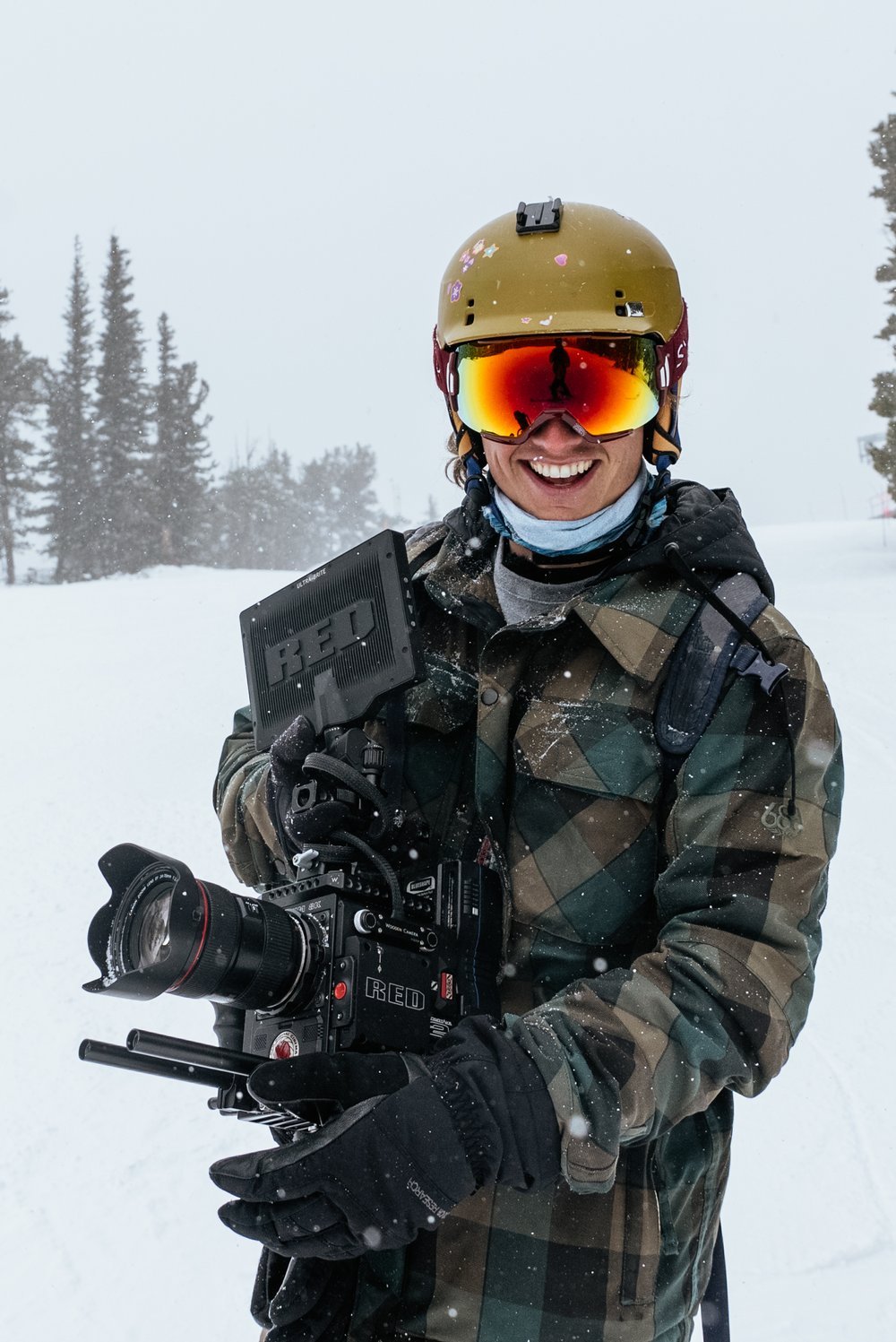
When I’m not on this website rambling on about filmmaking, I’m actually out there making films. From crafting memorable branded documentaries to capturing stories and products that move people, I’ve got you covered. Need a filmmaker who can scale mountains, brave the surf, or just tell a dang good story? Let’s chat!
In case I haven’t convinced you, here are three reasons why it might be fun to work together…
I believe in stories that stick with you - like campfire smoke on your clothes. The kind that makes you laugh, cry, or immediately want to call your mom.
I’m just as comfortable at 14,000ft as I am in front of a timeline. You get me in the mountains, in the ocean and in the editing room, making sure the magic out there really shines in the final cut.
I’ve filmed in some pretty wild places, but the best stories are the ones that bring people together. It’s those shared moments -big or small - that remind me why I love what I do.

Let’s Connect
Roo is an Emmy nominated commercial/documentary filmmaker and photographer based in Boulder, Colorado but travels all around the world for his filmmaking career. He has directed documentaries for Patagonia in California, produced films for Outside Magazine throughout Europe and Africa, camera operated for Netflix in the Rocky Mountain West, photographed among indigenous communities in South America, and has received notable recognition in the outdoor industry for his work telling uplifting stories in the outdoor space.