
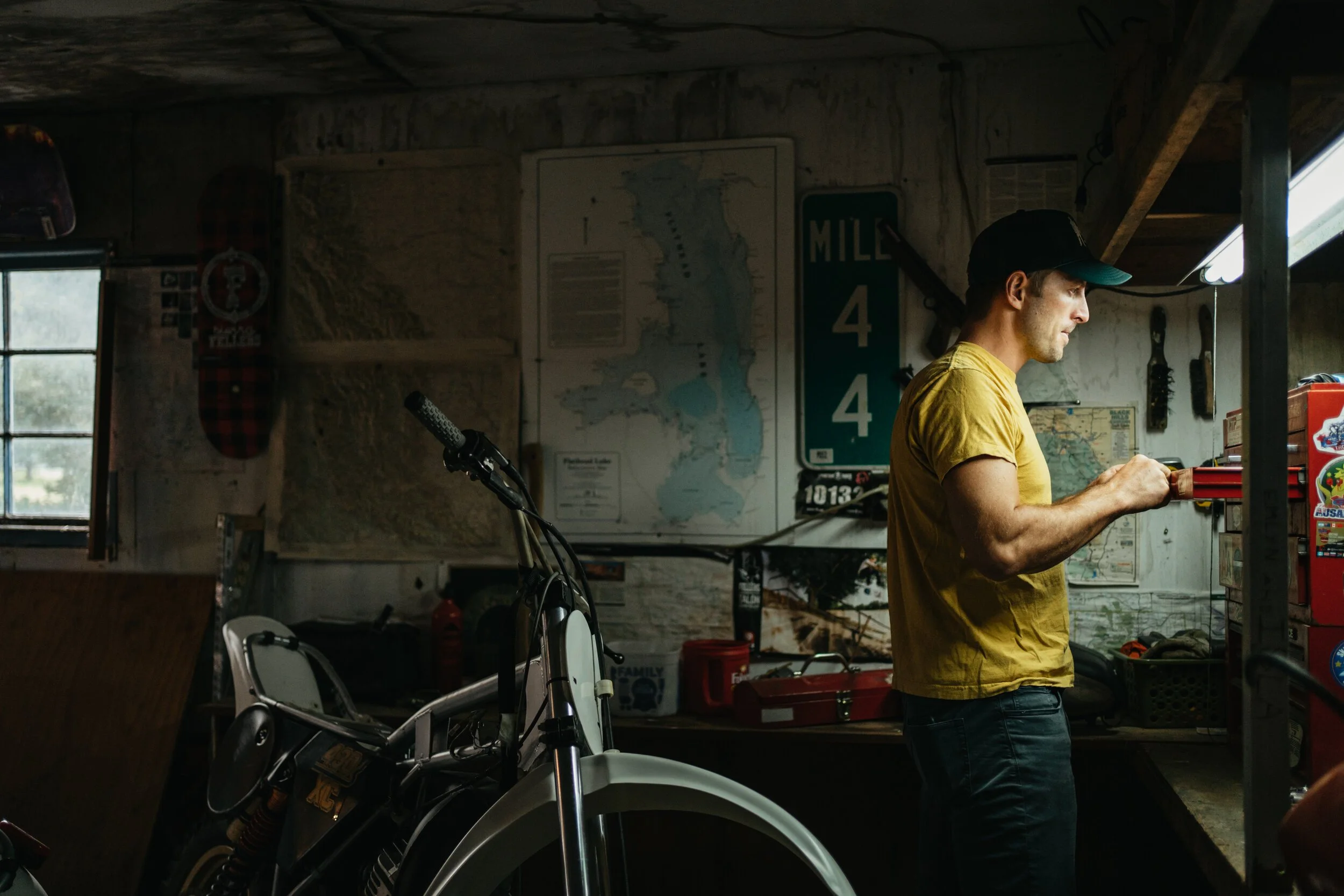
The first Trail House episode gave me eight days to film and edit a piece running roughly twenty minutes. The series followed four runners living together while pursuing professional goals, so the opening episode had a pretty clear job: introduce the people, the house and the world we were going to spend time in.
Eight days makes decisions feel smaller since I can’t wait too long overthinking things. Eventually the idea has to become a sequence, that sequence has to become an edit and then somebody other than the person who has stared at it for hours needs to watch it.
That is the kind of speed I’m interested in and I think faster is almost always the best way to make films, provided we are clear on what deserves to move faster. That’s why I shoot on small mirrorless cameras, like the Sony A7siii, to keep things light and easy without having to carry big-heavy cameras.
A finished attempt gives the idea somewhere to stand
An idea can feel wonderful while it exists entirely in my head. Every transition works. The interview gives us exactly the line we need. The music arrives at the right moment. Very accommodating, this imaginary film.
An actual cut is more useful. It tells me where the idea holds together and where it needs help. I can see whether the introduction gives enough context, whether a scene earns its length and whether the ending grows from what came before it.
That information is available only after making some kind of version. More planning can improve the attempt, but there is a point where the next useful step is putting the material in order and watching it.
I’d rather reach that point sooner. A rough cut is a tool for learning. It can have unfinished sound and temporary transitions, as long as everyone understands what they are looking at. The aim is to make the important question visible so the next decision can respond to the film we have, rather than the one we have been describing.
Define the small film inside the larger ambition
Speed gets easier when the project has a clear center. Who are we following? What are they trying to do? What does the viewer need to understand by the end? Those answers give me a way to choose among all the possible things a film could include.
With Trail House, the larger story covered fourteen months. An individual episode still needed its own purpose. The first one could introduce the world without resolving everything that might happen inside it. That boundary made a beginning possible.
Commercial work benefits from the same discipline. A campaign can contain several films, photographs and supporting edits. Each piece should have a job that fits its length and audience. Asking one short film to communicate an entire company is a reliable way to create a very busy edit.
Before making a shot list, I’d write the central idea in a sentence that a friend could understand. If I need a long explanation to defend the sentence, the creative probably needs another conversation. A clear premise saves time because it gives all the later decisions something shared to return to.
Make the decisions that unblock other people
Some decisions are interesting because they affect the work. Others are interesting because everyone has an opinion on them. Those categories overlap less than a production meeting might suggest.
A location, an interview subject, access requirements or the agreed deliverables can change what an entire team needs to prepare. A small stylistic preference may be easier to decide once the material exists. Putting those decisions in the right order helps the project move without asking people to redo work unnecessarily.
I’d make the dependencies visible. What does the producer need to confirm? What does the camera team need to know? Which approval affects the next stage? Give those questions an owner and a useful deadline, then keep the answers somewhere the people doing the work can find them.
This is a practical version of creative leadership. Clear decisions free people to contribute their skills. An unresolved brief can make even a talented crew spend its energy guessing. I want the production to feel like a group moving toward the same film, with enough information to do good work along the way.
Shoot with an edit in mind
Filming more material can feel reassuring. There is always another angle, another variation and another chance to collect something that might become useful. The edit eventually has to sort through all of it.
I think purposeful coverage is a better goal than maximum coverage. Understand what a scene needs to communicate. Give it a beginning, an action and enough context for the viewer to follow. Capture details because they reveal something, and wider frames because they establish a relationship the close-up leaves unclear.
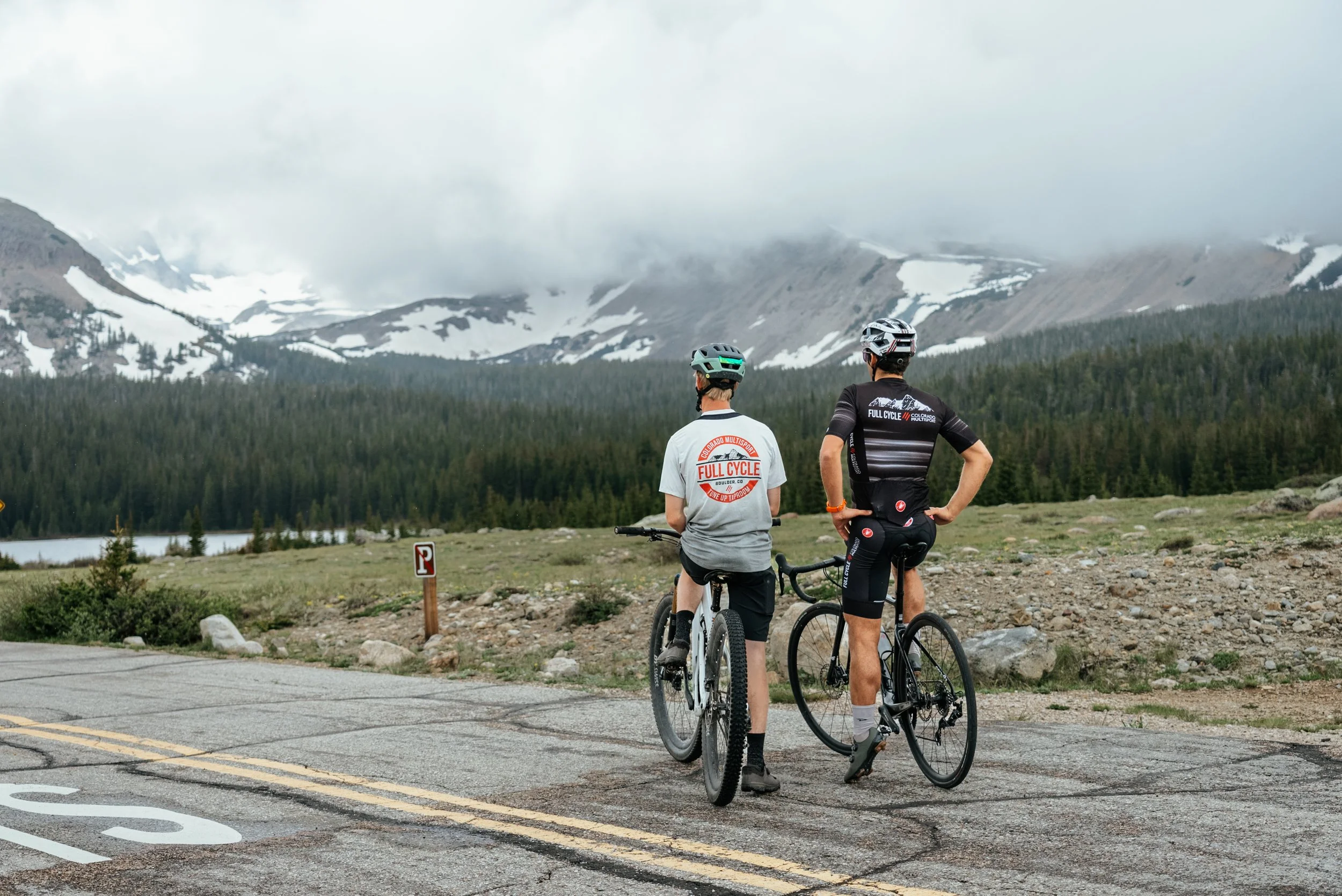
That still leaves room to explore. Documentary filmmaking needs attention to what actually happens, including moments the plan could never have predicted. The point is to recognize the difference between responding to something alive and repeating a setup because deciding to move on feels uncomfortable.
The right crew helps here too. Responsibilities can be shared according to the scale of the project, whether that means a focused documentary team or a larger commercial production. Speed should grow from preparation, communication and appropriate resources. Asking fewer people to carry more work is a different proposition entirely.
Cut the story before decorating the story
There is a particular kind of editing task that feels productive because the improvement is immediately visible. A color adjustment looks nicer. A transition gets smoother. A title becomes more attractive. These are useful tasks at the right stage.
If the structure is still uncertain, though, that polish may be attached to a scene that later leaves the film. I’d prefer to understand the sequence first. What information enters here? Why does the next scene follow? Where does the viewer’s curiosity move?
A simple assembly can answer those questions. Keep enough sound and image quality to evaluate the material fairly, but resist treating every shot as a finished miniature while the larger film is still taking shape.
Then the finishing work has a stable place to land. Color, sound, graphics and detailed pacing can support a structure the team understands. I enjoy those stages more when their purpose is clear. They become ways to deepen the experience, rather than attempts to make an unresolved story feel complete through sheer attractiveness.
Feedback works better when it has a question
“What do you think?” can produce almost any kind of response. Someone comments on music. Someone else focuses on a temporary graphic. Another person raises a question that changes the entire opening. All of it arrives in the same pile.
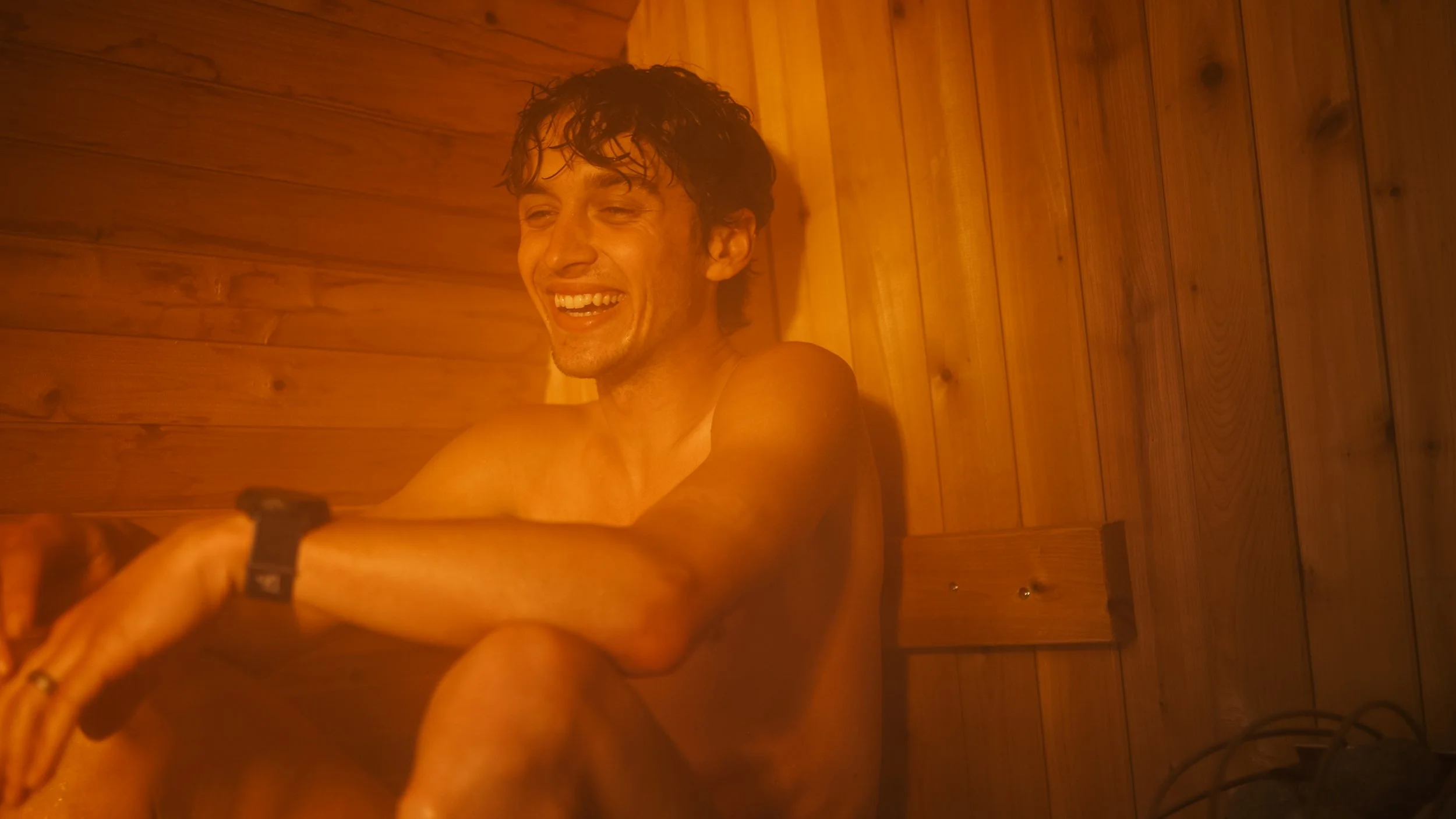
For an early cut, I’d explain what I need to learn. Can you follow the story? Does the person feel understandable? Is the main idea clear? Which moment loses your attention, and what were you expecting there? Those questions invite feedback suited to the stage of the work.
Later, the questions can become more specific. Check the factual language. Review the graphic placement. Confirm the required versions. A shared review process helps the team separate a creative choice from a correction and a new request from the agreed scope.
Consolidated feedback also saves everyone effort. The editor can see the full picture before making changes, and the client can resolve conflicting notes before they become competing edits. Faster collaboration often comes from improving the conversation around the film, rather than moving the cursor more quickly inside the editing software.
A deadline can give a decision a useful edge
I’ve written on treating creativity like an appointment. Tuesday at ten can be a time to make something, even if the perfect mood has yet to arrive. Showing up creates an opportunity that waiting leaves theoretical.
A deadline can do something similar for a film. It turns the next version into a real event. The work needs to reach a state where someone can watch it, respond and help move it forward.
The deadline should fit the production. A fast turnaround for one episode says very little on its own regarding the time another project needs. Access, research, interviews, crew, licensing, animation and delivery requirements all change the schedule. I want an honest plan, with clear priorities and room for the work that genuinely takes time.
Inside that plan, smaller milestones are useful. A sequence by this afternoon. A story assembly for the next review. A final check before export. Each milestone gives the day a purpose and makes progress easier to see. The creative task becomes something we can work on now, instead of a large cloud hovering over the calendar.
Know which parts deserve a slower pace
The “almost” in the title has work to do. A documentary relationship may need time. A participant may need a fuller explanation before deciding how they want to be involved. An interview can benefit from a pause that lets someone finish the thought in their own way.
Safety, permissions, backups and factual checks deserve proper attention. Outdoor environments add practical requirements that remain in place regardless of the delivery date. The pace of a production should respect the people and conditions involved.
Some films also need time to observe change. A story unfolding across months loses something essential if we insist it behave like a one-day campaign shoot. The production schedule has to serve the story’s actual shape.
I think this makes the argument for speed more useful, rather than weaker. Once we recognize what needs time, we can protect it by removing avoidable delay elsewhere. Make the administrative decision. Clarify the brief. Share the cut. Save the patience for the parts where patience helps the film become more truthful or more complete.
Small experiments make larger choices easier
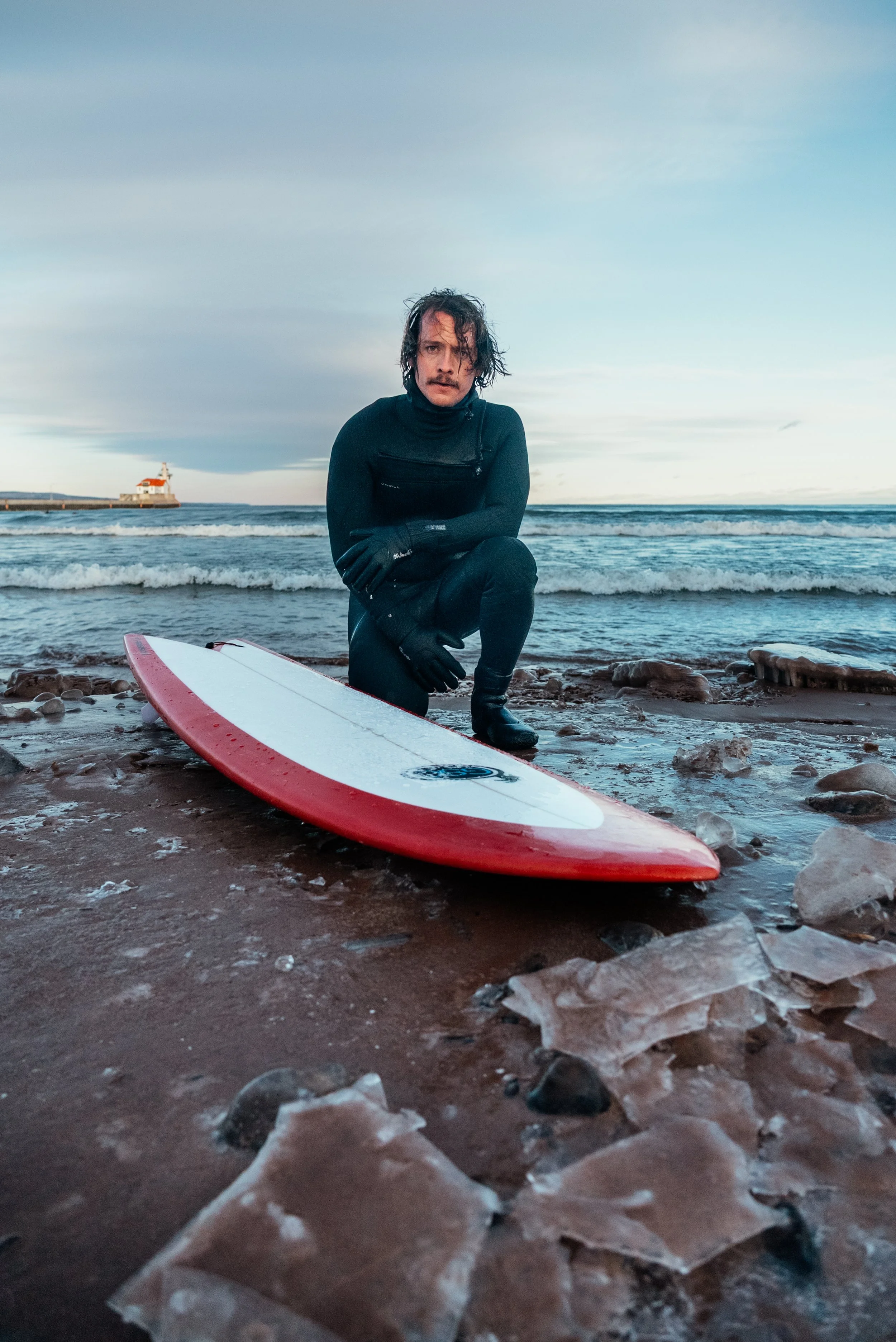
When a creative direction feels uncertain, a modest test can answer more than a long discussion. Try a short sequence, a framing approach or a sample of the proposed graphic treatment. Give the question a visible form.
The test should be proportionate. We are trying to learn something, so choose the smallest useful version. A rough arrangement of existing material may be enough to evaluate rhythm. A brief conversation can reveal whether an interview approach makes sense. A location visit may settle a practical question before a full crew arrives.
Then decide what the experiment taught us. Keep the part that works, change the part that needs work and move into the next stage. The value comes from applying the learning, rather than collecting an impressive number of tests.
This can make collaboration more enjoyable too. People respond to something they can see and understand. A director has room to explain the intention, and the team can offer specific improvements. The film grows through a series of concrete decisions, each one giving the next decision a better starting point.
Finish, check and let the film leave the room
A film needs a point where the team can say the agreed work is complete. That includes the less glamorous checks: spelling, names, factual details, sound, captions, versions, rights and delivery specifications. A proper final review is part of moving efficiently because it catches issues before they travel further.
There will usually be another possible edit. Another piece of music could change the feeling. Another shot could shift the emphasis. Possibility alone is a weak reason to keep a project open forever. The useful question is whether the current film does the job we agreed it should do, at the standard the work deserves.
When it does, let it reach an audience. The next lesson may come from seeing how people understand it, or simply from making the next film with the skills this one helped develop.
That is why I keep arguing for momentum. A clear idea becomes a real attempt. The attempt gives us information. We use that information, finish with care and carry the learning forward. There is a lot of filmmaking inside that cycle. I’d rather spend my time there.
Say Hello!
Have a film idea that’s been living in a folder for a while? Send me a note. I’d love to hear what you’re imagining and help find a useful first step.