
10 Lessons from 10 Years of Adventure Filmmaking

Ten years of adventure filmmaking sounds like a tidy collection of lessons. In practice, it includes a lot of learning the same thing again under slightly different circumstances, usually with a camera bag nearby.
My route into this career was hardly direct. I studied political science and languages, worked for the State Department and considered a life in diplomacy before choosing filmmaking. Since then, the work has taken me into mountains, communities, companies and conversations I could never have planned from a classroom.
Some lessons are technical. Most of the ones I keep returning to are human. They involve attention, preparation, the people beside me and the willingness to keep making things while I’m still figuring them out.
So these are ten lessons from ten years of adventure filmmaking. A working list, with room for the next decade to change my mind.
1. Being good company is part of the job
I wrote an essay called Being Nice Is Better Than Being Great because the way a person behaves matters deeply in this work. A film set is a shared environment. People bring different responsibilities, levels of experience and amounts of comfort with the camera. Technical ability lives inside that environment.
Being good company means listening, communicating clearly and treating someone’s time with care. It means helping the day feel manageable when the plan changes. Those things may never appear in a finished frame, but they affect the conditions in which every frame gets made.
That applies to clients and crew, and it applies to the person whose story we are filming. Someone who feels respected has more room to be themselves. A useful interview begins long before the first formal question; it begins with how we explain what is happening and how we respond when someone has a question of their own.
I still want to make excellent work. I want people to enjoy the experience of making it with me too. A beautiful film and a good day together can be part of the same ambition.
2. The person is the story, even when the landscape is incredible
Adventure filmmaking gives us a lot of visual help. Mountains, snow, water and movement can make almost any frame feel worth watching. The harder question is why a viewer should care once that first impression has passed.
I keep looking for the person inside the activity. What does this day mean to them? Who do they share it with? What has shaped the way they approach it? Those questions can turn an impressive action into a scene with emotional context.
In the stories I’ve written and filmed, that human scale appears in all kinds of places: a mother mountain biking with her son, a teacher building a wooden canoe in landlocked Colorado, or friends who have built a life around time outside. The activity opens the door. The relationship invites us in.
This lesson also travels beyond outdoor work. A robotics company, a wellness brand or a laboratory still contains people making decisions and caring for something. My job changes with the project, but curiosity toward the individual remains a useful place to begin.
3. Preparation creates room for the unexpected
For the Xtratuf project in El Potrero Chico, Mexico, I went to the climbing gym before the trip to prepare for working in that environment. The assignment involved filming Noah Kane and Jaidon, and I needed to think through my own readiness as the filmmaker.
Preparation was part of the work throughout the trip, including backing up footage at night. That kind of task is easy to leave out of a career highlight reel. It is also the reason the footage can become a film after everyone goes home.
I think good preparation gives creativity a more dependable place to happen. Understand the location. Build the right team. Know what is essential to the story. Make room for access, safety, equipment, sound and the practical requirements that keep a production moving responsibly.
Then, when something interesting happens beyond the plan, there is enough capacity to notice it. A prepared crew can respond. A crew using all its attention to recover from avoidable confusion has a harder time doing that. The unglamorous work earns its place in the final film.
4. My athletic ability and my filmmaking ability are separate things
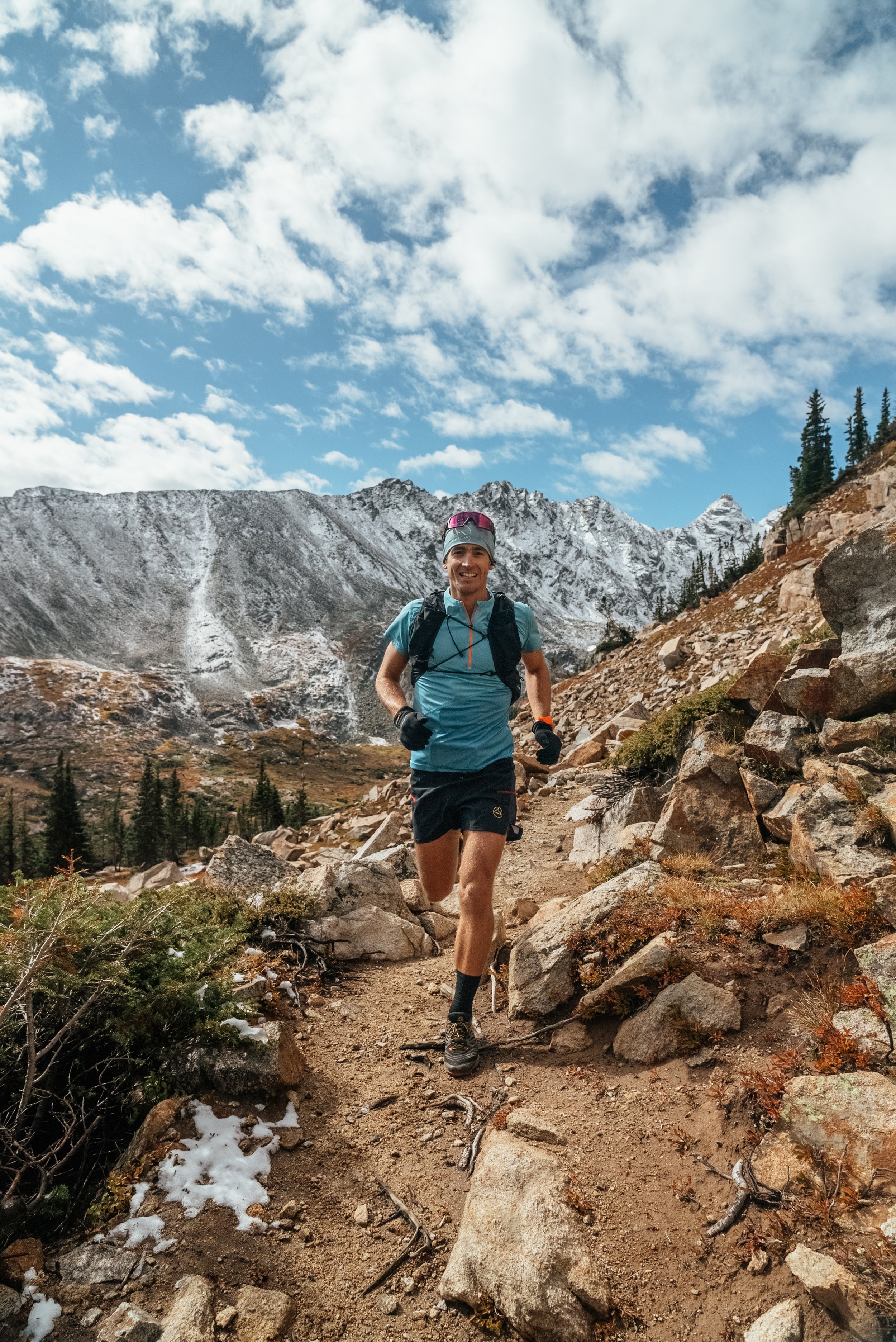
Spending time with talented athletes is a wonderful way to keep your ego in perspective. I live in Boulder, where a perfectly ordinary conversation can include a run that sounds like a major expedition to someone elsewhere.
In 2022, I set a goal of running 1,000 miles while preparing for a 31-mile race. I wrote afterward that the year made me hungry, rather than transforming me into the dramatically different athlete I might have imagined. There is something useful in keeping that sense of proportion.
As a filmmaker, I need the fitness and skills appropriate to the environment. I also need the judgment to understand my limits, work with qualified people and choose a setup that serves the story. Trying to prove myself athletically is a different objective, and it can get in the way of doing the actual job.
Respect for the activity includes respect for what the people in front of the camera have learned. I can arrive curious and prepared without pretending to share all their abilities. That honesty tends to make the questions better too.
5. Small details give a film its fingerprints
On the La Sportiva trip near Carbondale, the days included skiing, hot springs, converted wagon cabins and breakfast burritos. Davide Giardini and I listened to Jack Johnson in the car. Those details place the experience somewhere more specific than the general category of a ski trip.
I think a film becomes memorable through that kind of specificity. A landscape tells us where we are. A person’s habits, relationships and ordinary choices help us understand what being there feels like for them.
The detail still needs to serve the piece. We have limited time, and every charming moment has to earn a place beside the main story. But if the edit removes every odd little human thing in pursuit of efficiency, the film can lose the texture that made the experience worth following.
I’d protect at least a few moments that could only belong to these people. A way of speaking. A useful pause. The activity around the activity. Those are often the things a viewer remembers after the grander images have blended together.
6. Finished work teaches me things planning cannot
The first Trail House episode had a fast turnaround: eight days to film and edit a piece running roughly twenty minutes. The larger project followed three runners sharing a house while pursuing professional goals over fourteen months.
That early episode needed to introduce a world. The house, routines and relationships gave the audience a place to begin. A completed version made the storytelling questions tangible: who do we understand, what feels clear and where do we want to spend more time?
I can learn a lot through planning, but an actual edit reveals different information. A sequence that sounded strong in a conversation may need another connection. A small moment may carry much more weight than expected. The footage gets a vote.
This is one reason I value making an early version. It gives collaborators something concrete to respond to and gives me a better question for the next pass. The goal is to move toward clarity, with enough care that speed supports the work instead of simply increasing the amount of activity around it.
7. Someone else’s footage can be the most honest way into a moment
For the Trail House story involving Bayden’s Mount Marathon race in Alaska, I was in Boulder. The storytelling drew on athlete and family footage, along with a remote recap. That distinction matters because being the director of a sequence and physically filming every moment are different contributions.
Material made by the people inside an experience can offer access a production crew would struggle to recreate. Family footage carries its own perspective. A phone recording may contain the moment that explains why an event mattered to someone.
The creative task is to use that material thoughtfully, with permission and accurate context. Preserve who made it, what it shows and what it can reasonably support. Then find a structure that helps the viewer understand how the pieces belong together.
I like what this does to my idea of control. A film can become richer when I make room for other people’s observations. Directing includes recognizing which perspective serves the story, even when it comes from a camera I was nowhere near.
8. My life outside filmmaking belongs in the work
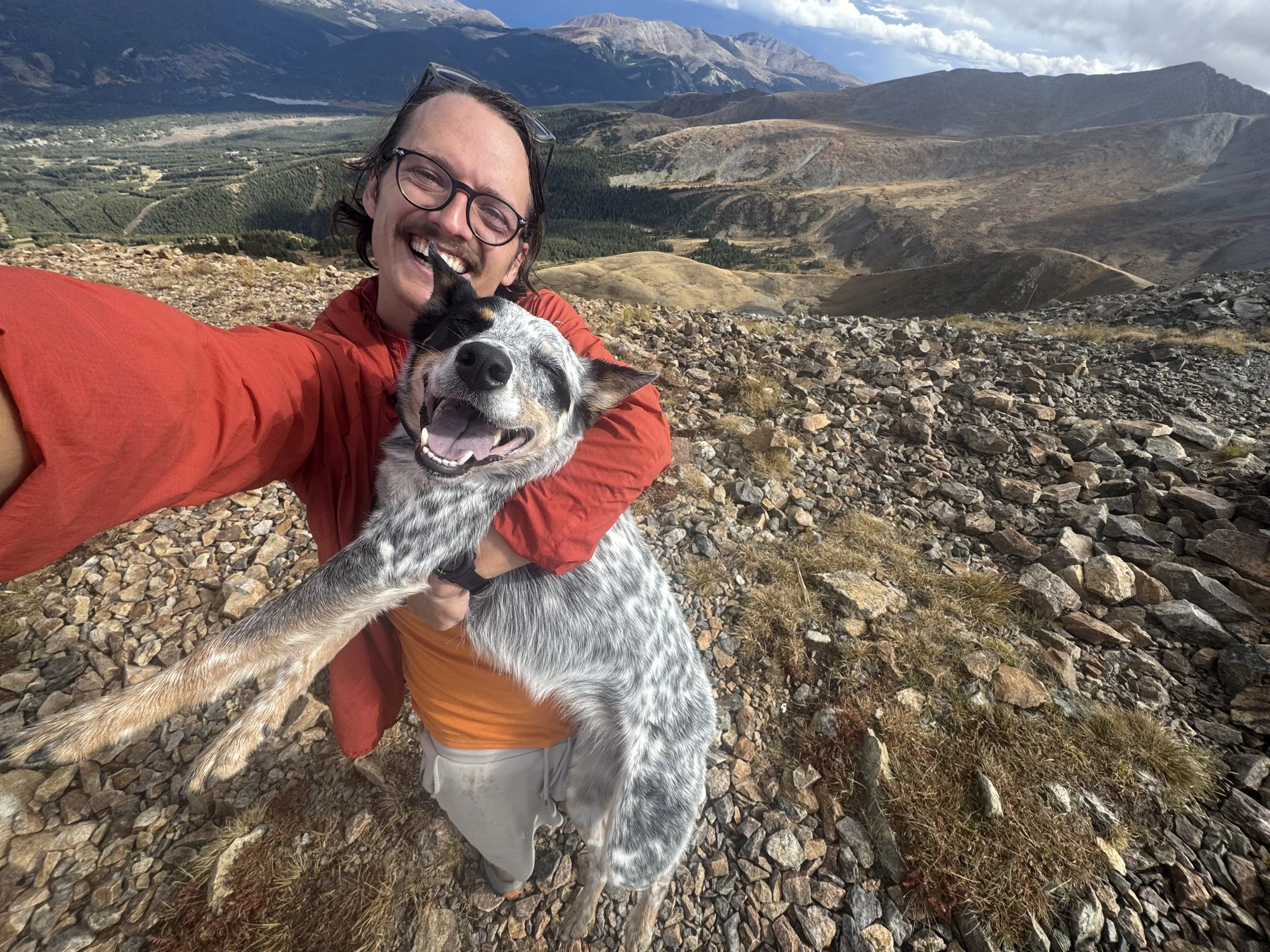
Playing music, writing, surfing and volunteering with kids have all given me things I bring back to filmmaking. They ask me to practice rhythm, communication, timing and attention in settings that feel different from a production.
That variety matters because a film is more than a collection of camera decisions. It is an experience built for another person. Understanding how people listen, learn, laugh and spend time together gives me more to work with when shaping that experience.
I also want life outside work to remain valuable for its own sake. A run can simply be a run. A meal can be worth making because it tastes good and someone shares it with you. There is something a little exhausting in demanding that every enjoyable activity improve a professional skill.
The connection happens anyway. A life with some range gives attention new places to go. Later, those experiences may change a question I ask in an interview or the rhythm of a scene. They arrive with more personality because they were lived before they were used.
9. The right crew depends on the story
Adventure work can reward a focused team that moves carefully through a location. Commercial production may need more people, more coordination and a different division of responsibilities. I want to choose the crew around the project instead of asking every project to fit a preferred team size.
The conversation starts with the creative and practical needs. Where are we filming? What access is involved? How many people are participating? What coverage, photography, interviews or supporting edits are part of the scope? What needs specialist knowledge?
Those answers shape the production. I can remain the director and creative point of contact while bringing in the people who help the work reach the right standard. Collaboration is part of the capability I offer, rather than an exception to a personal filmmaking identity.
The same thinking applies to delivery. Every production is custom-scoped around the creative, shoot days, crew, locations, deliverables, licensing and post-production. Clarity helps everyone. It lets the team put effort into the things that genuinely matter for this film and this audience.
10. Keep enough room to enjoy being there
In Ireland with Ben and Thomas, I eventually put the camera away and went surfing. I had spent time filming and flying the drone. Then I joined in on the day instead of enjoying it from afar.
I keep that memory close because this career grew from wanting to participate in the world. The work can take us to wonderful places and introduce us to people we would otherwise never meet. It is easy to become so focused on collecting the material that we miss some of the experience we came for.
There are responsibilities on a production, of course. A client and crew are relying on us. Enjoying the work includes doing those responsibilities well. It can also include noticing the person beside you, sharing a meal and allowing a good moment to be more than coverage.
Ten years in, that feels like a useful place to end the list. I want to keep improving the craft, keep making films that matter to people and keep enjoying the company along the way. There is plenty left to learn. Thankfully, that means there are still good reasons to pick up the camera tomorrow.

Let’s Connect
Roo is an Emmy nominated commercial/documentary filmmaker and photographer based in Boulder, Colorado but travels all around the world for his filmmaking career. He has directed documentaries for Patagonia in California, produced films for Outside Magazine throughout Europe and Africa, camera operated for Netflix in the Rocky Mountain West, photographed among indigenous communities in South America, and has received notable recognition in the outdoor industry for his work telling uplifting stories in the outdoor space.