
Appointment filmmaking - why we get paid to be creative on the spot
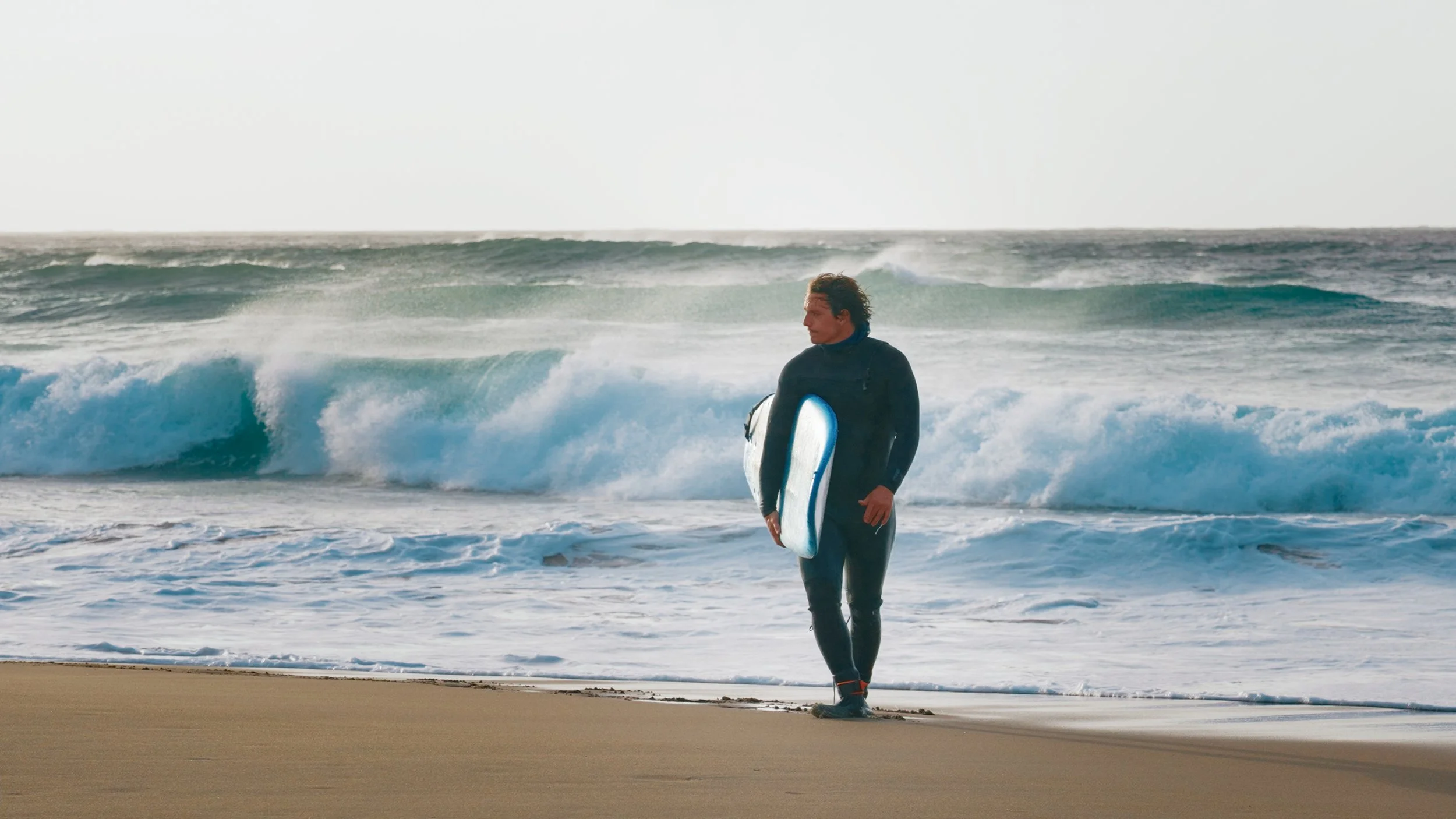
The wind had turned onshore and the swell had doubled overnight. There was basically no good waves to surf amidst the 50mph winds of the biggest storm of the summer. We had missed the window.
This was my reality on a recent surf trip to Scotland. The moment where wind, tide, swell, and location briefly aligned had passed a few hours earlier. The conditions I was left with were not ideal. They weren’t even good but they were there. I had an appointment with the ocean and I traveled a super long way so it wasn’t going to reschedule itself.
I paddled out.
The waves were sloppy and uninspiring and it was the kind of surf no one posts about. But I went anyway. I rode a few forgettable waves and I shook the salt out of my hair in the van. I left sand on the passenger seat. I drove away happier than I arrived.
Not because the conditions were perfect but because I showed up.
That’s what appointment filmmaking feels like.
Creativity on a schedule
There’s a romantic idea of creativity that says it only shows up when inspired. That great work requires perfect conditions. That you need time, space, and ideal circumstances to make something meaningful.
That idea doesn’t survive long in professional filmmaking.
When a brand hires me, they don’t hire me for a moment of inspiration. They hire me for a Tuesday at 10am. Or a dawn call time in the cold. Or a window between storms. Or a shoot day that can’t move because athletes, permits, and logistics are already locked.
They are hiring me to show up and deliver regardless of conditions.
That’s appointment filmmaking.
It’s the understanding that creativity isn’t a mood but a practice. It’s something you train for, so that when the moment arrives, ideal or not, you can respond.
What clients are actually paying for
On paper, a client might be paying me for a shoot day. Or a film. Or a deliverable list.
In reality, they are paying for the decade that came before that day.
They are paying for:
the thousands of hours behind a camera
the missed waves and missed light and missed chances
the reps that trained my instincts
the failures that taught me how to recover quickly
the films that didn’t work, so the next ones could
When I show up to a shoot and solve problems on the fly, it’s the accumulation of all my experience that allows it to happen.
I know how to adjust when weather changes because I’ve done it in basically every one of my films. I know to rewrite a scene when an athlete is off, how to find story when the original plan collapses and how to stay calm when time disappears.
The myth of perfect conditions
Marketing teams sometimes worry when conditions aren’t ideal because, honestly, it rarely is. The light isn’t what was promised and the environment doesn’t match the mood board (a constant struggle I deal with tbh).
But some of the strongest work I’ve made has come from imperfect days because imperfection forces creativity.
When everything goes according to plan, films can drift into a sort of stiffness without soul. When something breaks, you’re forced to respond to what’s actually happening instead of what you hoped would happen.
Just like surfing on a blown-out afternoon in Scotland, the act itself becomes the point
Cultivating readiness
Appointment filmmaking doesn’t start on shoot day. It’s cultivated everywhere else.
It comes from:
watching films analytically, not casually
studying brands and why certain stories resonate
paying attention to how people move, speak, hesitate
practicing photography and filmmaking even when no one is paying
staying curious about culture, business, and human behavior
I don’t separate my creative life from the rest of my life. Everything feeds it.
Writing songs and performing at coffeeshops teaches me rhythm, which can help my editing. Surfing teaches me timing and showing up in difficult conditions, which helps me show up as my best self during that filmmaking appointment. Volunteering with 4th and 5th graders every weekend teaches me how to keep peace in chaotic situations which allows me to stay calm in the chaos on set. Writing teaches me clarity. Failure teaches me humility.
By the time a client shows up with a problem, I’m not inventing solutions from scratch. I’m drawing from a well that’s been filling for years.
Reliability is creative currency
There’s a truth in this industry that doesn’t get talked about enough.
The creatives who get rehired are the most reliable but aren’t always the most visionary.
They show up prepared, stay calm, adapt and don’t need perfect conditions to do meaningful work.
From a brand’s perspective, that reliability is creativity.
Because when stakes are high and time is short, the ability to make clear decisions under pressure matters more than chasing a fleeting spark of inspiration. Cool footage doesn’t get you very far when your ability to be creative crumbles under pressure.
Showing up anyway
That afternoon surf session in Scotland wasn’t memorable because of the waves. It was memorable because I honored the appointment.
The ocean didn’t owe me anything. The conditions didn’t cooperate but by paddling out anyway, I stayed connected to the practice.
Filmmaking is the same.
You don’t always get the perfect story handed to you. Sometimes you get the leftovers but if you’ve put in the reps, those small moments are enough.
If you show up, pay attention and do your best with the appointment you’re given, you can make something truly magical.
That’s why, when a brand calls at 10am and asks if I can solve a problem that afternoon, I can say yes - with confidence.
Not because I know exactly what will happen but because I trust the work that led me there.
Why We Should Work Together…
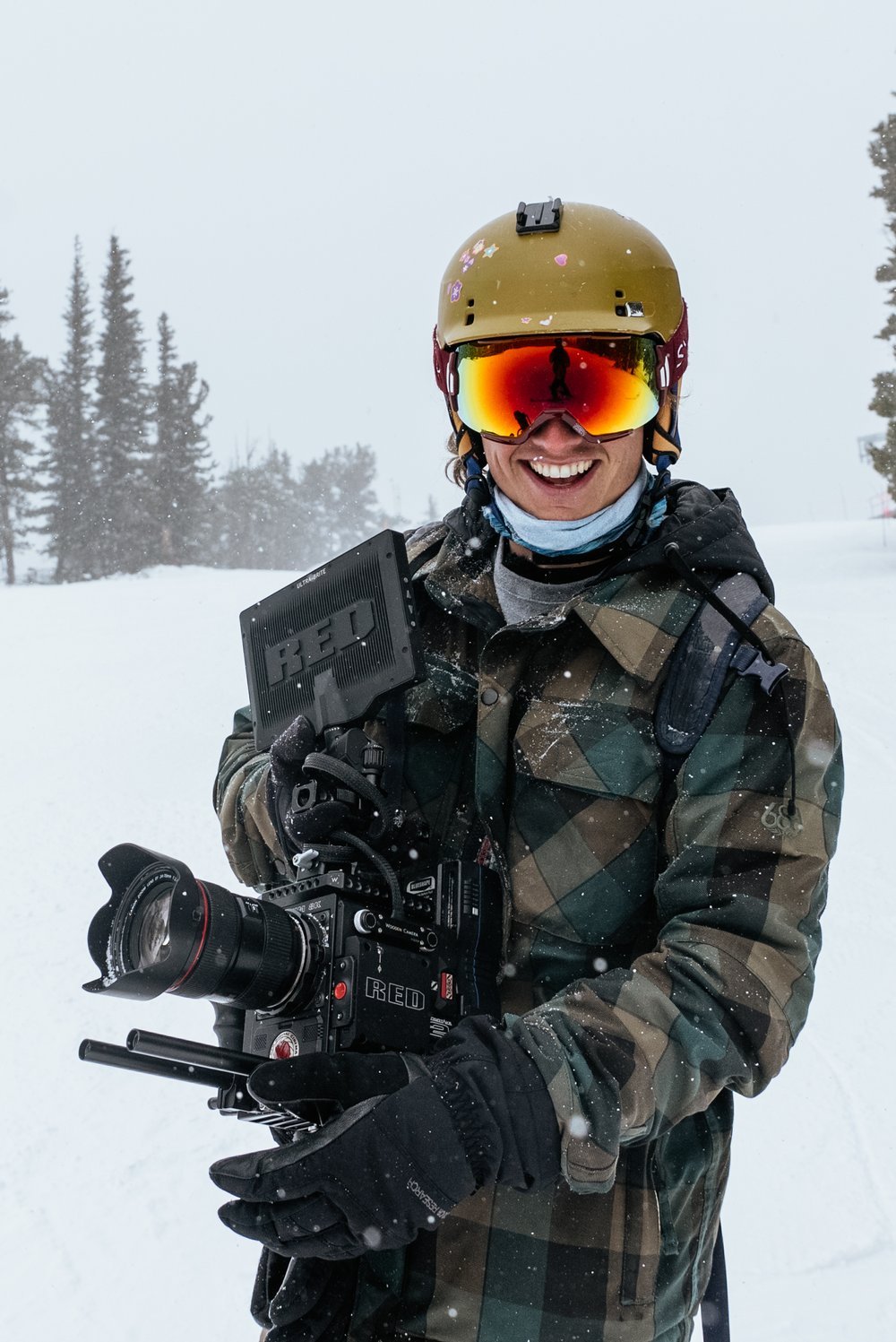
When I’m not on this website rambling on about filmmaking, I’m actually out there making films. From crafting memorable branded documentaries to capturing stories and products that move people, I’ve got you covered. Need a filmmaker who can scale mountains, brave the surf, or just tell a dang good story? Let’s chat!
In case I haven’t convinced you, here are three reasons why it might be fun to work together…
I believe in stories that stick with you - like campfire smoke on your clothes. The kind that makes you laugh, cry, or immediately want to call your mom.
I’m just as comfortable at 14,000ft as I am in front of a timeline. You get me in the mountains, in the ocean and in the editing room, making sure the magic out there really shines in the final cut.
I’ve filmed in some pretty wild places, but the best stories are the ones that bring people together. It’s those shared moments -big or small - that remind me why I love what I do.

Let’s Connect
Roo is an Emmy nominated commercial/documentary filmmaker and photographer based in Boulder, Colorado but travels all around the world for his filmmaking career. He has directed documentaries for Patagonia in California, produced films for Outside Magazine throughout Europe and Africa, camera operated for Netflix in the Rocky Mountain West, photographed among indigenous communities in South America, and has received notable recognition in the outdoor industry for his work telling uplifting stories in the outdoor space.