
Camera Gear to Film Running
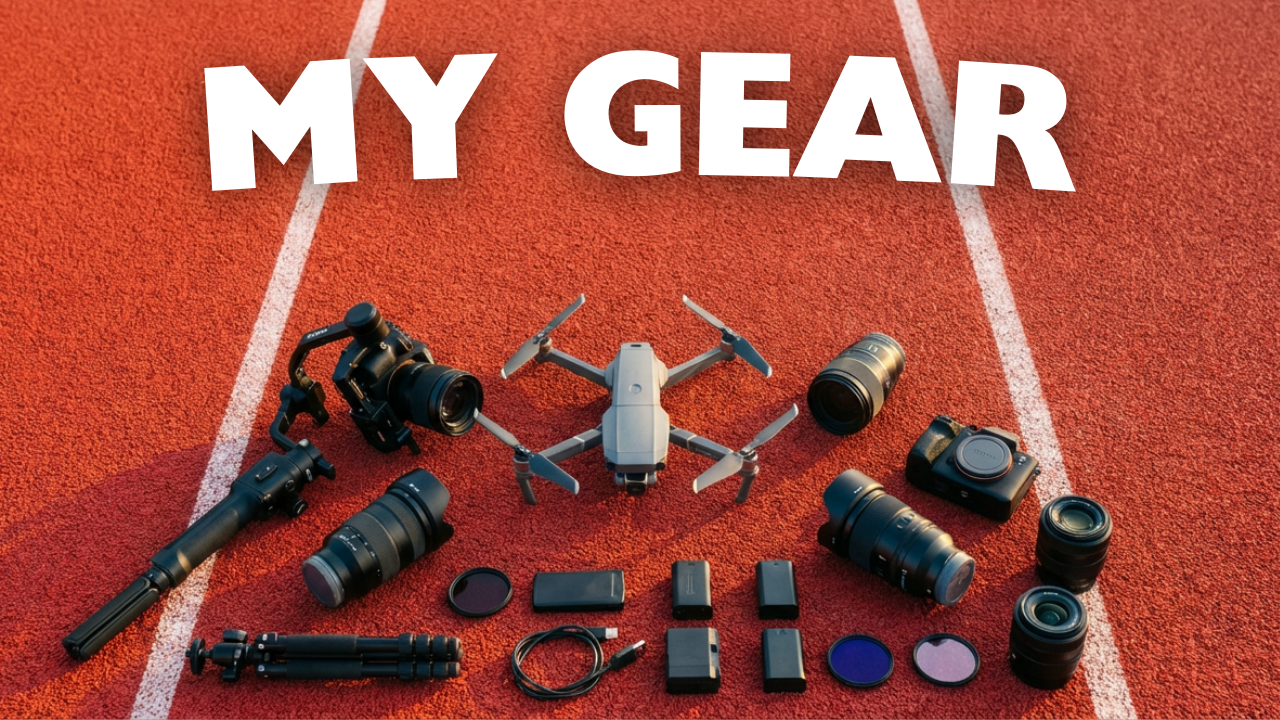
The Gear I Use to Running
Getting great footage while running is all about having the right gear to really capture the action. As a runner and filmmaker, I’ve figured out a setup that works to get those epic shots that show off the joy of the trail or the road. In this article, I’ll walk you through the camera gear I use, from my go-to cameras for harsh conditions to the audio and stabilization tools that help bring running stories to life.
Before we dive into my exact gear, I write a newsletter about outdoor storytelling, creative clarity, and building memorable content. Click here if you want to see more!
Cameras

Primary Camera Body - Sony A7siii
My go-to camera for filming running is the Sony A7siii, and for good reason. This thing is a beast when it comes to shooting in all kinds of light, especially low light, which is huge when you're out in the mountains before sunrise or after sunset. The 4K footage it delivers is super crisp, capturing everything from the details in the snow to the way the light changes on the slopes.
I stick with the A7siii over the FX3 because the FX3 has a fan, and honestly, snow, rain and recipes getting in there is just a recipe for disaster. Plus, the A7siii is more weatherproof, which makes it a better fit for unpredictable conditions. It's a reliable camera that lets me get the shots I need without worrying about the elements.
Secondary Camera Body - Sony A7V or Sony A6700
When it comes to running adventures, I sometimes like to bring along a secondary camera body, and I usually pick between the Sony A7V or the Sony A6700, depending on what I’m after. If I’m mainly focused on getting high-quality photos, the A7V is my go-to. It’s a really solid full-frame camera with great image quality that can really capture everything from epic mountain landscapes for trail running and amazing action shots on the roads or track. It’s super dependable for stills, and when I know I’ll have the time and space to frame up some nice shots, this is the one I’ll grab.
For video, though, the Sony A6700 tends to be my preferred backup. It’s lighter and more compact, which is perfect for bigger expeditions or adventures where I need to move quickly and run alongside an athlete. It’s also an excellent B-cam for video, with solid 4K recording and fast autofocus, so I can keep up with the action. The size makes it super convenient when I need to be agile out there, and I don’t have to sacrifice much in terms of quality.
Most Used Lens (Documentary) - Sony 24-105mm f/4
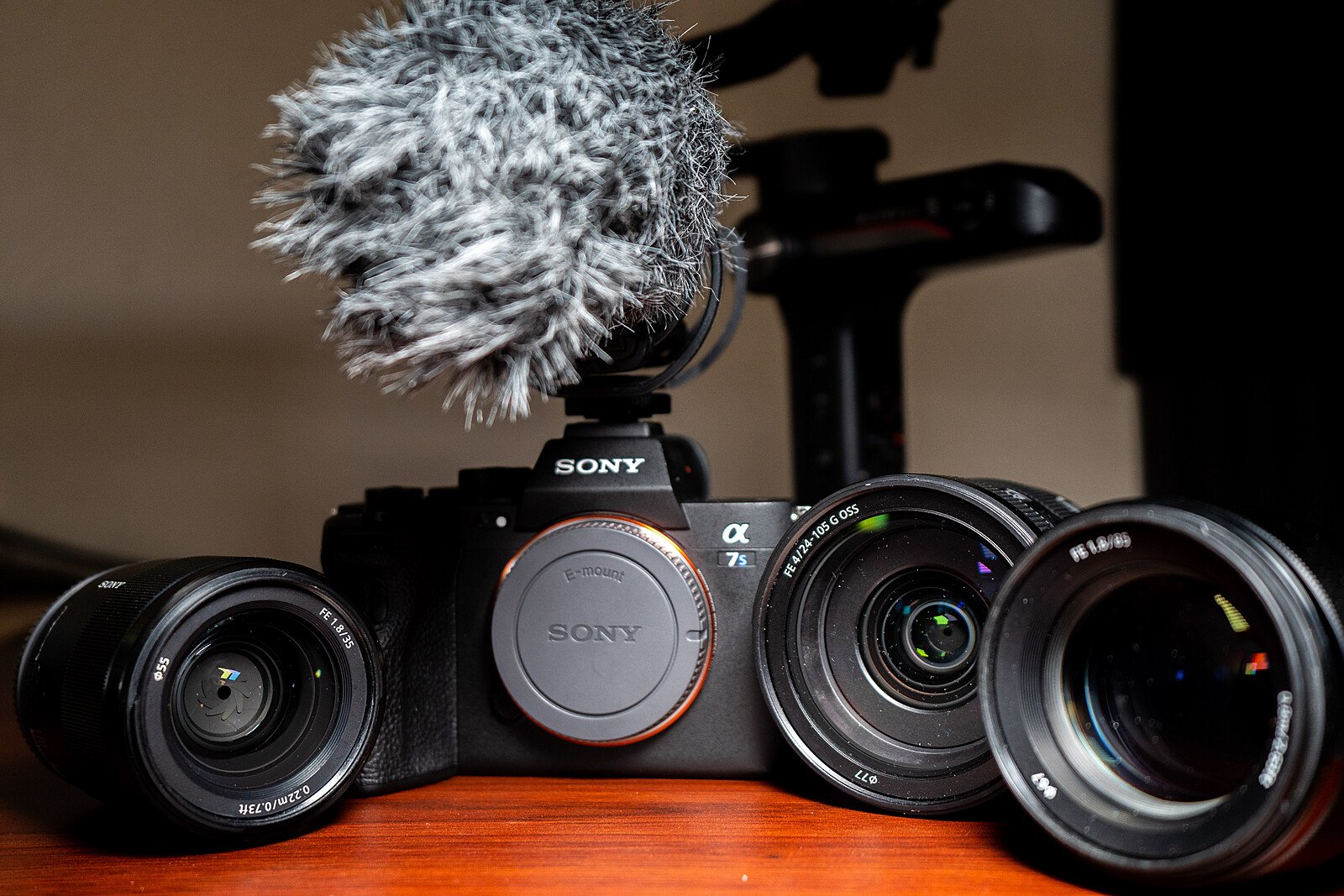
When I’m out filming running, the Sony 24-105mm f/4 lens is a staple in my kit for capturing all the action. Its flexible zoom range makes it easy to switch between wide shots of the expansive trail runnning mountain landscapes and more focused shots on runners in the middle of their track workouts. The constant f/4 aperture ensures smooth performance across all focal lengths, which is crucial when the lighting and conditions are constantly shifting outside. This lens rocks and is on my camera about 95% of the time when I’m making a documentary about running.
Most Used Lens (Commercial) - Sony 35mm f/1.8
When I’m trying to find a more “cinematic” look and have the time to set up a shot, I often reach for prime lenses and my favorite is the Sony 35mm f/1.8 lens. Its wide f/1.8 aperture is perfect for capturing sharp, detailed footage even when the light starts to fade on the mountain or keep that blurry background. The 35mm focal length gives a natural, immersive perspective that brings viewers right into the action without losing that cinematic feel. When I pair it with a 1/4 pro mist filter, it adds a dreamy, soft quality to the footage, elevating the storytelling and making those dramatic running scenes feel almost magical. It’s a great lens for capturing those moody, atmospheric moments on the slopes.
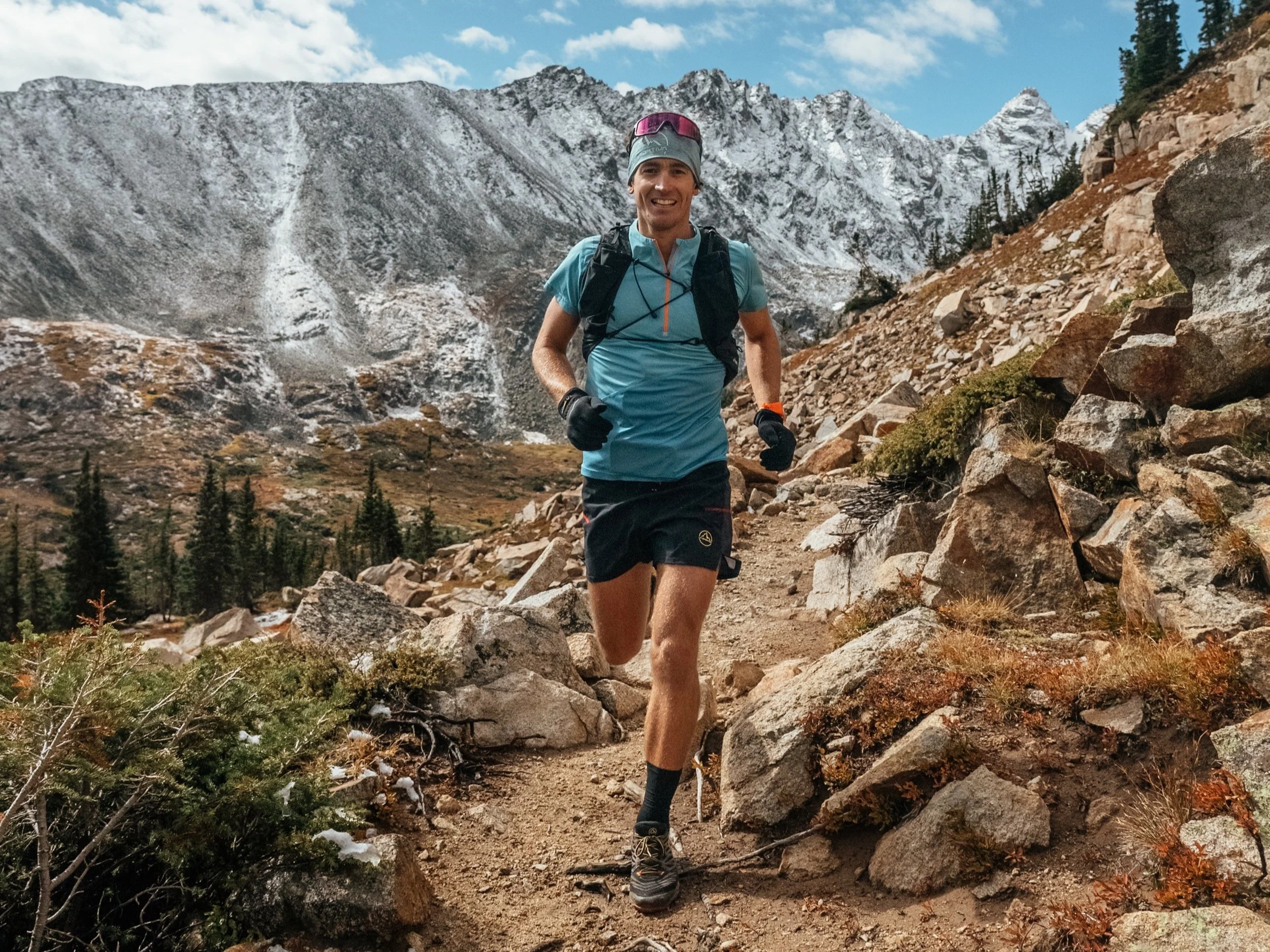
Other lenses I use frequently - Sony 14mm (great for slow mo action shots) and Sony 85mm (great for extra tight details)
To broaden my creative options when filming running, I often bring along two additional lenses. The Sony 14mm lens is ideal for capturing wide, dramatic shots, especially when I want to emphasize the vastness of a landscape or get unique low-to-the-ground angles as runners fly past.
On the flip side, the Sony 85mm lens is perfect for close-up shots, capturing the finer details like a runner’s focused expression or the texture of the dirt being kicked up. Together, these lenses let me add variety to my shots, making the audience feel both the scale of the landscape and the personal intensity of the runner’s experience.
Audio - Tascam DR-10L and Sony ECM-B1M Shotgun Mic
In running films, capturing high-quality audio is just as important as getting the visuals right. For interviews and in-the-moment dialogue, I rely on the Tascam DR-10L lavaliere microphone. Its compact design makes it easy to hide under layers, and it delivers crystal-clear audio even in the unpredictable conditions of a running shoot. When I’m out recording the natural sounds of the mountains - like feet along the trail or the wind across the slopes - the Sony ECM-B1M is my go-to. It picks up those ambient sounds beautifully, adding an immersive layer to the film that really draws viewers into the running experience. Plus, no wires which is rad!
Drone - DJI Mavic Air 2s
I actually use the DJI Mavic Air 2s all the time when filming running because it’s perfect for capturing entire runs and really showcasing the scale of a running in the environment. Its 4K video and great color science allow me to follow skiers from above, giving a unique perspective that you just can’t get from the ground. The drone lets me show the full scope of the terrain, from wide sweeping shots of the mountain ranges to tracking runners as they zoom along the road or track. It’s become an essential part of my kit for adding that extra level of depth and grandeur to my running films.
Gimbal - Zhiyun Cinepeer Weebill 3E
I love using the Zhiyun Cinepeer Weebil 3E gimbal when filming running because it brings a whole new level of smoothness and stability to my shots, especially when the terrain gets rough.
Running is all about speed and motion, and a gimbal allows me to capture that fluidly without the shakiness that can come from handheld filming. Whether I’m following runners along a trail or shooting dynamic side angles, the gimbal ensures my footage stays steady, even in unpredictable mountain conditions.
Plus, the lightweight design makes it easy to carry around all day, which is crucial when you’re constantly moving. Overall, using a gimbal like the Weebil 3E lets me keep the focus on the action while delivering professional-quality shots.
Action Camera - Insta360 X5
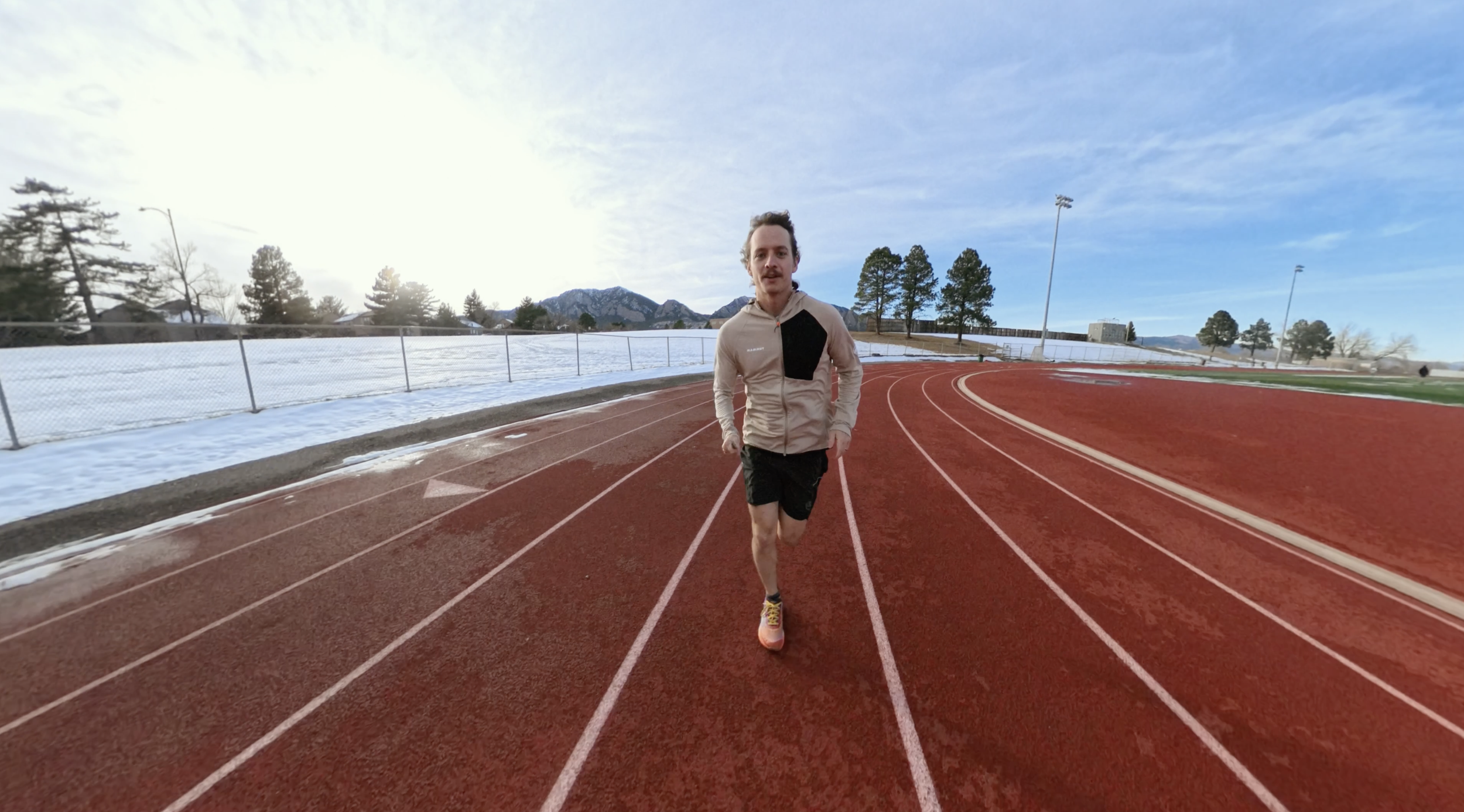
The Insta360 X5 might just be the ultimate 360° camera for running. With 8K resolution and great low-light capabilities thanks to its dual 1/1.28” sensors and PureVideo Mode, it handles everything from sunrise powder laps to bluebird park days with ease. What really sets it apart for mountain use is the Invisible Selfie Stick effect - giving you those epic third-person shots. The biggest thing for me that always frustrated me with action cameras was that they always died in the cold but, thankfully, the X5 solves that issue with cold weather durability down to -4ºF.
While this may not replace a mirrorless camera on higher end productions, it’s a perfect camera for behind-the-scenes footage or a solo creator trying to capture their runs. I’ll usually leave in my camera bag just in case I’ll need it for a last minute creative shot. Stabilization is also great which is a huge perk!
Using Cameras as a Tool For Exploration…
As a dedicated runner and filmmaker, my gear is key to turning my passion for the sport into visually stunning and exciting videos. From my reliable Sony cameras and versatile lenses that capture every turn and detail on the slopes, to the audio and stabilization tools that bring viewers right into the action, each piece of equipment plays a crucial role in telling the story of skiing.
Whether I’m navigating steep trails or capturing the speed of fast-paced track workout, my carefully chosen gear ensures my audience can experience the adventure and beauty of skiing right alongside me.
Why We Should Connect…
When I’m not on this website rambling on about filmmaking, I’m actually out there making films. From crafting memorable branded documentaries to capturing stories and products that move people, I’ve got you covered. Need a filmmaker who can scale mountains, brave the surf, or just tell a dang good story? Let’s chat!
In case I haven’t convinced you, here are three reasons why it might be fun to work together…
I believe in stories that stick with you - like campfire smoke on your clothes. The kind that makes you laugh, cry, or immediately want to call your mom.
I’m just as comfortable at 14,000ft as I am in front of a timeline. You get me in the mountains, in the ocean and in the editing room, making sure the magic out there really shines in the final cut.
I’ve filmed in some pretty wild places, but the best stories are the ones that bring people together. It’s those shared moments -big or small - that remind me why I love what I do.

Let’s Connect!
If you have a video project you need help bringing to life, feel free to reach out :)
Roo is an Emmy nomimated commercial/documentary filmmaker and photographer based in Boulder, Colorado but travels all around the world for his filmmaking career. He has directed documentaries for Patagonia in California, produced films for Outside Magazine throughout Europe and Africa, camera operated for Netflix in the Rocky Mountain West, photographed among indigenous communities in South America, and has received notable recognition in his hometown of Orcas Island in Washington State for his work telling uplifting stories in the outdoor space.