
A practical guide for brands and filmmakers who want better work that's cool and thoughtful and rad and stuff :)
The creative brief is one of the most misunderstood tools in brand storytelling.
In theory, it’s meant to align everyone but in practice, it often does the opposite.
I’ve seen briefs that are ten pages long and somehow say nothing. I’ve seen one-page PDFs that unlock some pretty incredible work. I’ve also seen projects fail not because of budget, talent, or effort but because the brief never gave the story a chance to thrive.
So this isn’t another article about “best practices” in the abstract. I wanted to write a more grounded look into what actually makes a creative brief useful, based on working with outdoor brands, marketing teams, agencies and people just trying to make something meaningful together.
This is for both sides of the table so buckle in my friends :)
The Core Misunderstanding
Most briefs are written as instruction manuals.
Useful briefs are written as alignment documents (yeah, sorry not the catchiest name but let me explain more…)
A bad brief tries to control outcomes.
A good brief creates clarity and leaves room for solid judgment.
When briefs fail, it’s usually because they focus on what needs to be made instead of why it needs to exist.
What a Creative Brief Is (And Isn’t)
A creative brief is not:
A shot list
A mood board with no context
A list of deliverables
A document designed to protect stakeholders from risk
A creative brief is:
A shared understanding of the problem you’re solving
A north star for decision-making
A way to reduce revisions by increasing clarity early
The goal is not to remove ambiguity entirely. The goal is to define the right ambiguity.
The Five Elements Every Useful Creative Brief Needs
1. A Clear Problem Statement
This is the most important part and the one most often skipped.
A useful brief answers this question plainly:
What problem are we trying to solve with this content?
Not:
“We need a video for social.”
“We’re launching a product.”
“We want something cinematic.”
But:
“People don’t understand why this product exists.”
“Our brand feels interchangeable with competitors.”
“We need to rebuild trust with a specific audience.”
If the problem isn’t clear, the creative will drift and when it drifts, revisions multiply.
2. The Intended Audience (Specific, Not Aspirational)
“Outdoor enthusiasts” is not an audience.
Neither is “everyone who loves nature.”
A useful brief defines:
Who this is for
What they already believe
What they’re skeptical of
Where they are emotionally, not just demographically
For example:
“Recreational runners who don’t identify as athletes but want to feel confident showing up.”
That level of specificity changes everything from the tone, to pacing, to casting, to music.
3. The Emotional Takeaway
This is where many briefs get uncomfortable.
They’ll list KPIs and social platforms but they won’t answer the question that actually determines whether a film works:
What should someone feel when this is over?
Inspired?
Seen?
Calmer?
More confident?
Challenged?
If you can’t name the feeling, you can’t design toward it.
This is also where we as filmmakers and photographers can contribute most. Emotional outcomes are our language. Let us help define it. Don’t just bring us on to capture something on the camera, give us a chance to craft how it’ll feel because that’s also what we do best
.
4. The Non-Negotiables
Every project has constraints which is totally normal and not something to be ashamed of.
A useful brief separates what truly cannot change from what is flexible and exploratory.
Non-negotiables might include:
Legal requirements
Brand voice boundaries
Launch timelines
Specific deliverables
What kills creativity is when everything is labeled non-negotiable. That signals fear for us collaborators, not clarity.
Good briefs protect what matters and loosen the rest.
5. Trust, Explicitly Stated
This part is rarely written down but it’s felt immediately.
A strong brief communicates trust by:
Explaining why this creative partner was chosen
Acknowledging their expertise
Giving them room to interpret, not just execute
When brands hire filmmakers and then withhold trust, the work becomes stale, diluted and forgettable.
Trust doesn’t mean no feedback. It means shared ownership of the outcome.
Common Brief Mistakes

Over-referencing other brands
Inspiration is helpful. Comparison is dangerous. “Like Patagonia, but…” usually leads to generic work. As someone who’s worked with Patagonia, I get this one a lot because that’s sometimes why they hired me. Be your own brand, stand for something unique!Too many stakeholders, too late
If everyone weighs in at the end, the brief failed at the beginning. Have one or two decision-makers to clarify what’s good and bad.Platform-first thinking
“This is for Instagram” is not a strategy. Story first and distribution second.Confusing what control looks like
The tighter the leash, the less authenticity the work has.
What Filmmakers and Photographers Can Do
Even if you didn’t write the brief, you can improve it.
Ask questions early:
What problem are we solving?
Who are we really talking to?
What happens if we simplify this?
Offer reframes:
“What if this isn’t about the product?”
“What’s the human moment underneath this?”
The best creative partnerships happen when both sides treat the brief as a living document and a brainstorming session, not a contract carved in stone.
Final Thoughts
A useful creative brief doesn’t guarantee great work but a bad brief almost guarantees mediocre work.
The best briefs I’ve worked from felt less like marching orders and more like invitations. They gave just enough structure to aim at something meaningful and just enough freedom to express it creatively.
If brands want better content, and filmmakers want better collaboration, this is where it starts.
Not with more concrete deliverables but with better questions.
Why We Should Work Together…
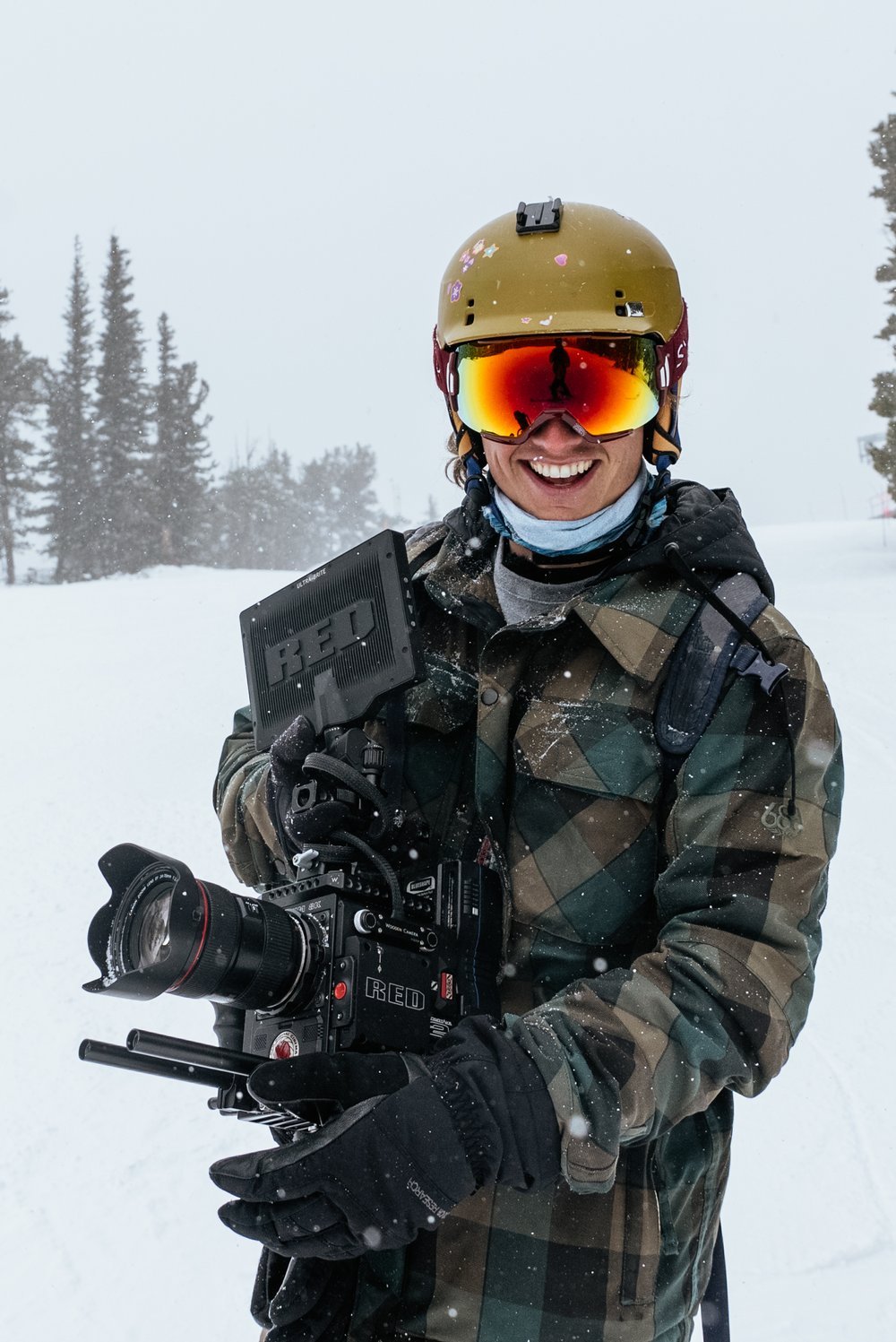
When I’m not on this website rambling on about filmmaking, I’m actually out there making films. From crafting memorable branded documentaries to capturing stories and products that move people, I’ve got you covered. Need a filmmaker who can scale mountains, brave the surf, or just tell a dang good story? Let’s chat!
In case I haven’t convinced you, here are three reasons why it might be fun to work together…
I believe in stories that stick with you - like campfire smoke on your clothes. The kind that makes you laugh, cry, or immediately want to call your mom.
I’m just as comfortable at 14,000ft as I am in front of a timeline. You get me in the mountains, in the ocean and in the editing room, making sure the magic out there really shines in the final cut.
I’ve filmed in some pretty wild places, but the best stories are the ones that bring people together. It’s those shared moments -big or small - that remind me why I love what I do.

Let’s Connect
Roo is an Emmy nominated commercial/documentary filmmaker and photographer based in Boulder, Colorado but travels all around the world for his filmmaking career. He has directed documentaries for Patagonia in California, produced films for Outside Magazine throughout Europe and Africa, camera operated for Netflix in the Rocky Mountain West, photographed among indigenous communities in South America, and has received notable recognition in his hometown of Orcas Island in Washington State for his work telling uplifting stories in the outdoor space.