
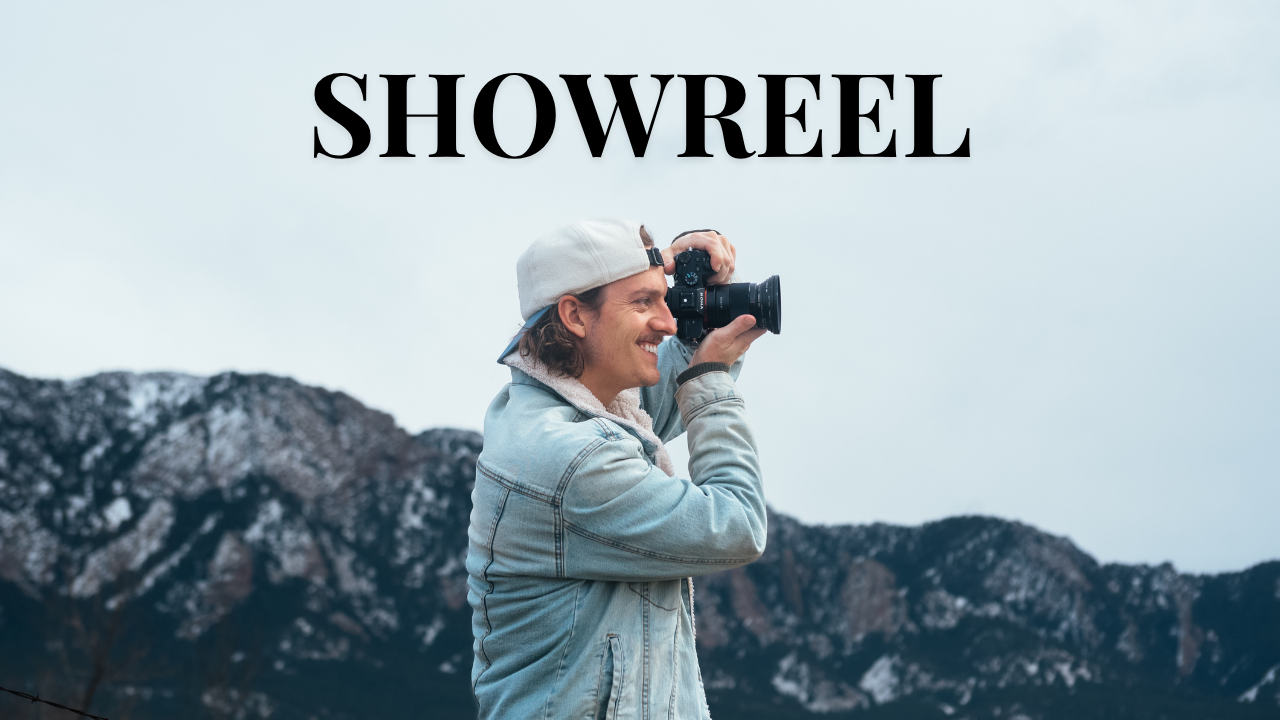
A documentary-style commercial starts with real people and the worlds they spend time in. There’s still a brand brief to answer, but the film needs to feel like a person is talking to you. My job is to bring those pieces together without sanding away everything that makes someone interesting.
The best examples feel like a small story you wandered into. A real voice. A detail you remember later. Getting there takes preparation, but it also takes paying attention when the day gives you something you could never have written in a treatment. Here’s how I approach it.
Start with the person and the purpose
A founder, customer, athlete or employee can bring something to a film that a polished slogan struggles to carry: lived detail. The way they describe a difficult day. The routine they repeat. The work they care enough to keep doing.
Those details give us somewhere to start. Then I look for the connection between the person, the brand and the people watching. The film should let someone sound like themselves. That’s a much better place to work from than handing them a collection of impressive-sounding sentences.
1. Start with a conversation
Before getting excited over cameras and locations, I want to understand what we’re making together. Who is it for? What do you hope stays with them? Those answers help me choose the scenes that belong in the film.
Tell me where people will encounter it, too. A campaign page gives someone a different experience from a short ad in their feed. If a product detail really matters, let’s get that on the table early. We can make it clear and still make something people enjoy watching.
That gives us a shared way to talk through the idea and, later, the edit. A beautiful shot can be a lovely thing. It also needs to belong in this particular film.
For an agency-led project, I want to understand the existing strategy and the creative territory already approved. We can then build a directing approach that supports that work and gives the people on screen room to be themselves.
2. Find the human thread
I listen for the stakes: what someone wants, what makes it difficult and why they keep showing up. That thread helps turn a collection of attractive shots into a story.
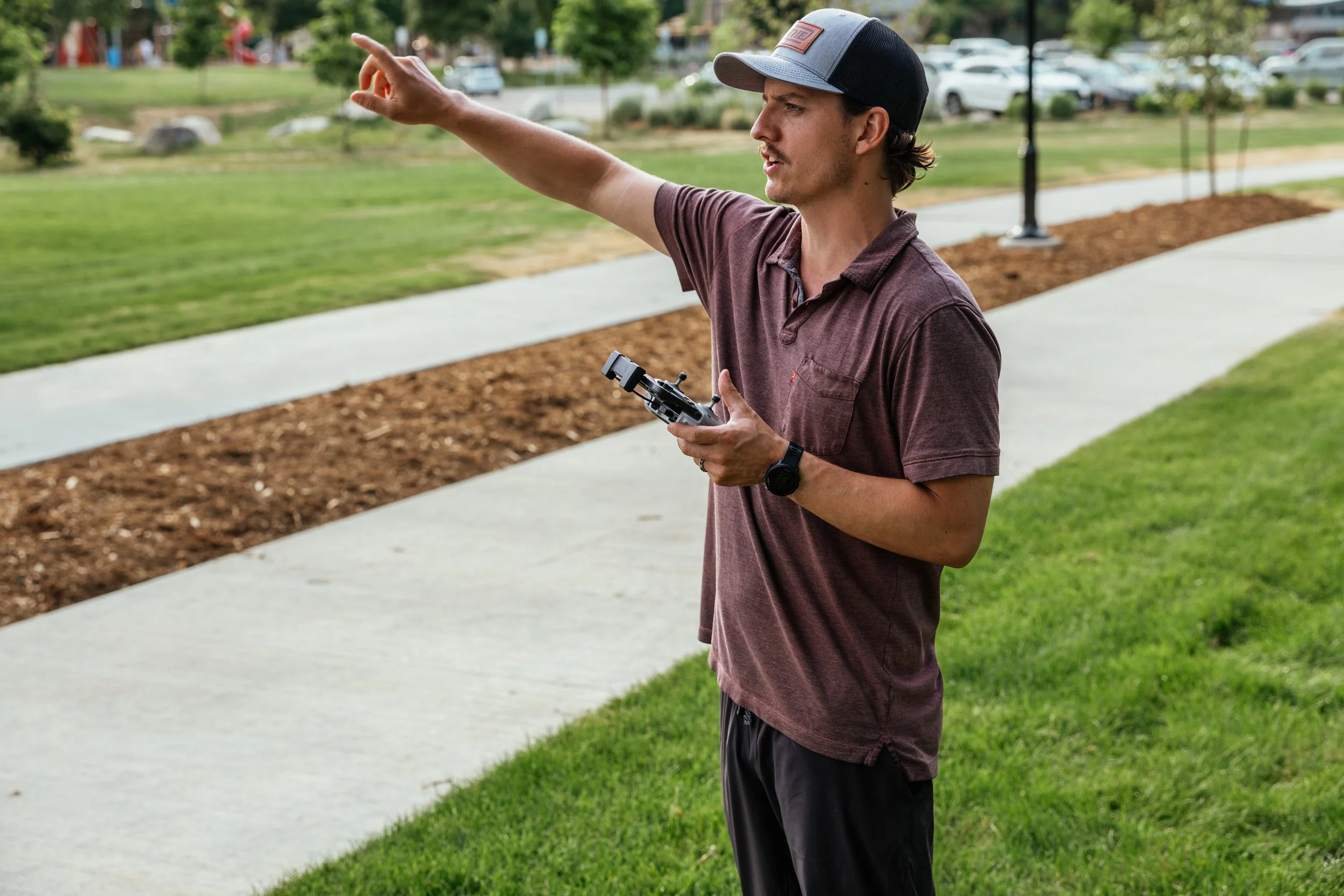
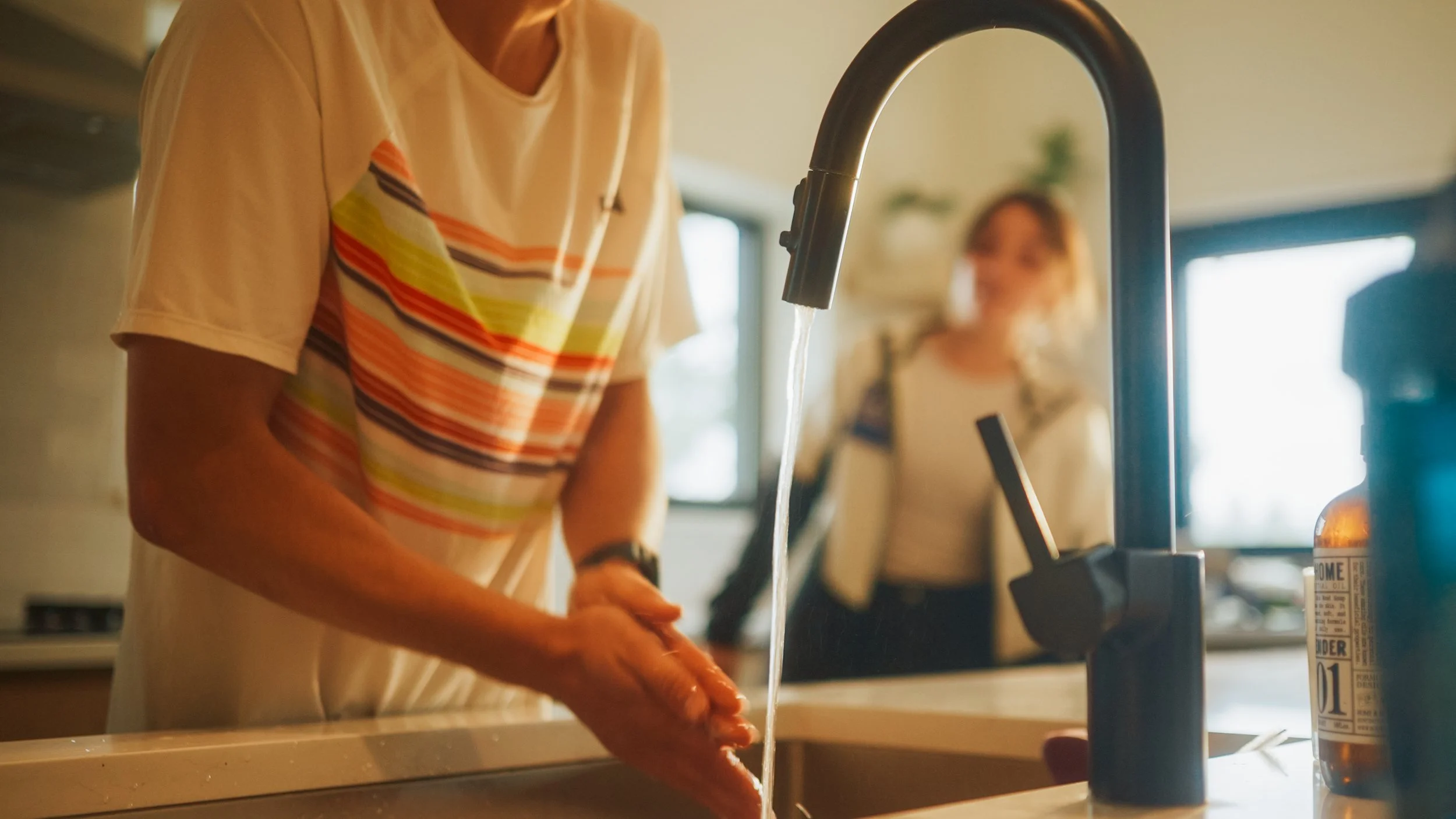
In my film with Hans Troyer, running and training sit alongside life at home. The everyday pieces matter. They let you get to know the person who heads out for the run, which gives the athletic footage more to carry.
Watch the Hans Troyer film and production story.
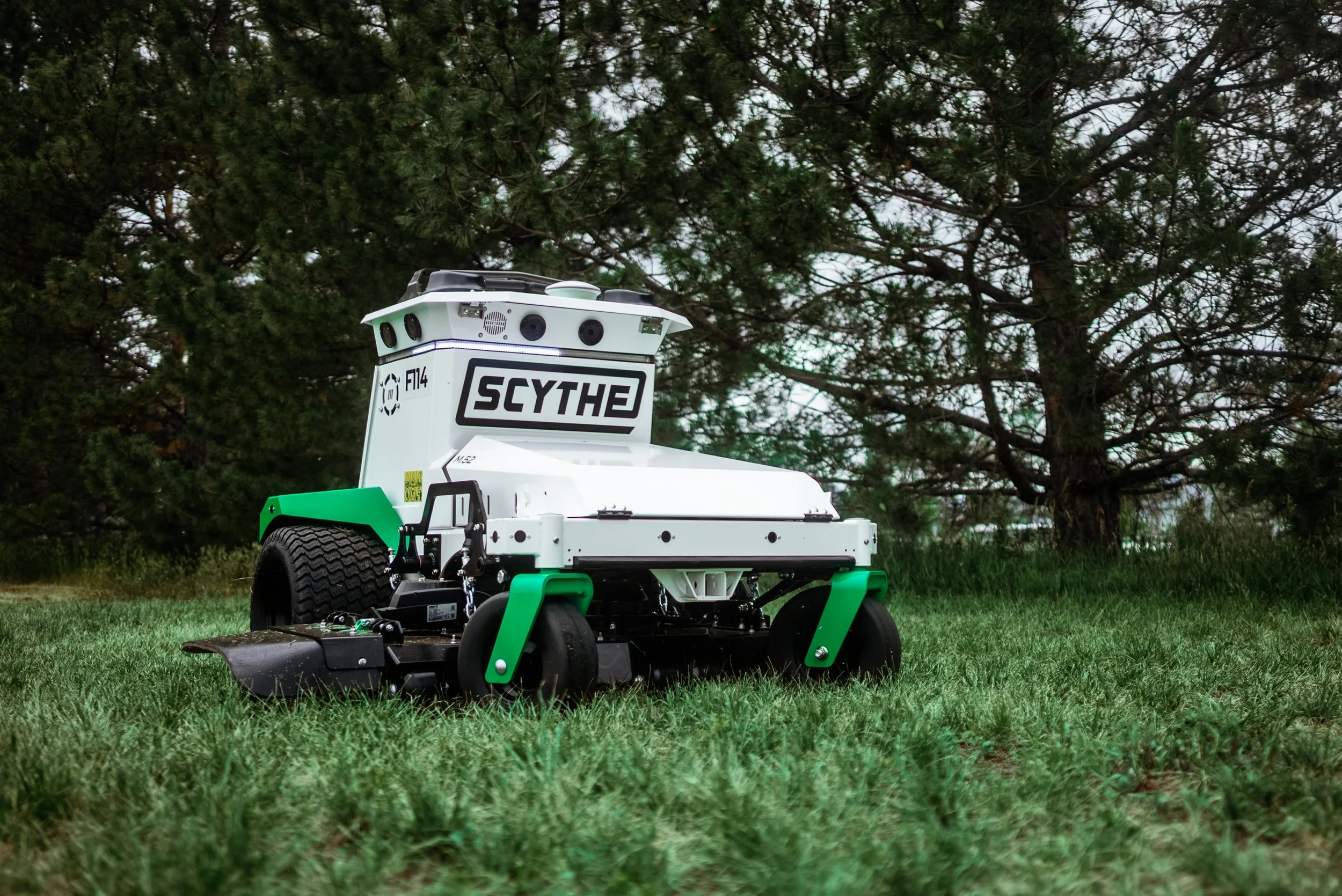
Scythe Robotics takes us into a very different world, but the same curiosity belongs there. We need to see what the machines do, and we need to see the people around them. A technology film becomes easier to connect with when you can picture where the product fits into someone’s day.
3. Build a production plan with room for discovery
A film can feel spontaneous while the day behind it is carefully planned. Access, locations, schedules and crew all need attention. That preparation gives us a little more freedom when something interesting happens.
I think in sequences. For a training scene, that might mean the preparation, the environment, the movement and the recovery. For a company story, it might mean the person doing the work, the tools they use and the decisions they make. These are planning examples; the actual scene list comes from your project.
I want a clear sense of what we need, with room to notice what’s actually happening. A plan is useful. So is being willing to look up from it.
4. Treat interviews as scenes
An interview is a conversation in a particular place, with a camera and a few other moving pieces added. Light, sound and pace all matter. So does whether the person feels comfortable enough to leave the polished answer behind.
I often speak with a subject before filming, with the camera put away. It gives us a chance to understand each other and find specific experiences worth exploring. During the interview, I balance emotional detail with the facts the audience needs.
Specific questions help: walk me through that day, that decision, that change in your routine. Give someone room to remember. Their own words usually have more life than a sentence everyone has approved in advance.

5. Give the visuals a job
I keep asking what we can show that makes the story tangible. Natural movement and real environments often do that beautifully. The location should belong to the person or the idea, whether we’re filming on a trail, inside a workplace or in someone’s home.
Visual polish still matters. Framing, lighting, sound and considered camera movement help the film feel intentional. The crew needs enough time and support to capture those details while respecting the people we’re filming.
6. Shape the story in the edit
I build the cut around a central idea and look for the scenes and dialogue that carry it forward. A repeating action, a revealing line or a change in perspective can give the film its structure.
Music, pacing, color and sound help the film find its rhythm. They should support what’s already there in the footage. I still want you to follow the story, understand the brand connection and feel like you’ve spent time with someone.
Supporting versions need their own attention. A short cutdown may need a different opening, a clearer product moment or captions that work with the framing. We agree on channels, formats, usage and deliverables before production so those needs guide the shoot.
Hans Troyer: running, training and everyday life in a documentary portrait.
Scythe Robotics: commercial filmmaking for an autonomous mowing technology company.
Directing on your crew or building the production team
Some agencies bring an established producer, crew and post-production partner. Others want me to help develop the idea and lead the production through final delivery. We can define my role around either arrangement.
When I’m assembling the team, I build it around the story, locations and deliverables—from a focused documentary crew to a larger commercial production. Sound, lighting, producing, camera support and photography each get considered where they serve the project.
It also helps to know who’s handling what before we get to the shoot. Subjects, locations, creative feedback and the edit all need someone looking after them. Getting that sorted early leaves more room for the part we came here to do: make a good film together.
You can start with the rough version
If you have a brief or treatment, great. If you have three sentences and a link to a film you love, that’s a useful start too. Tell me what you know so far, and which pieces you’re still figuring out. We can fill in the practical details together.
From there, we can discuss access, creative direction and the production approach before shaping a custom scope.
A little more of my work
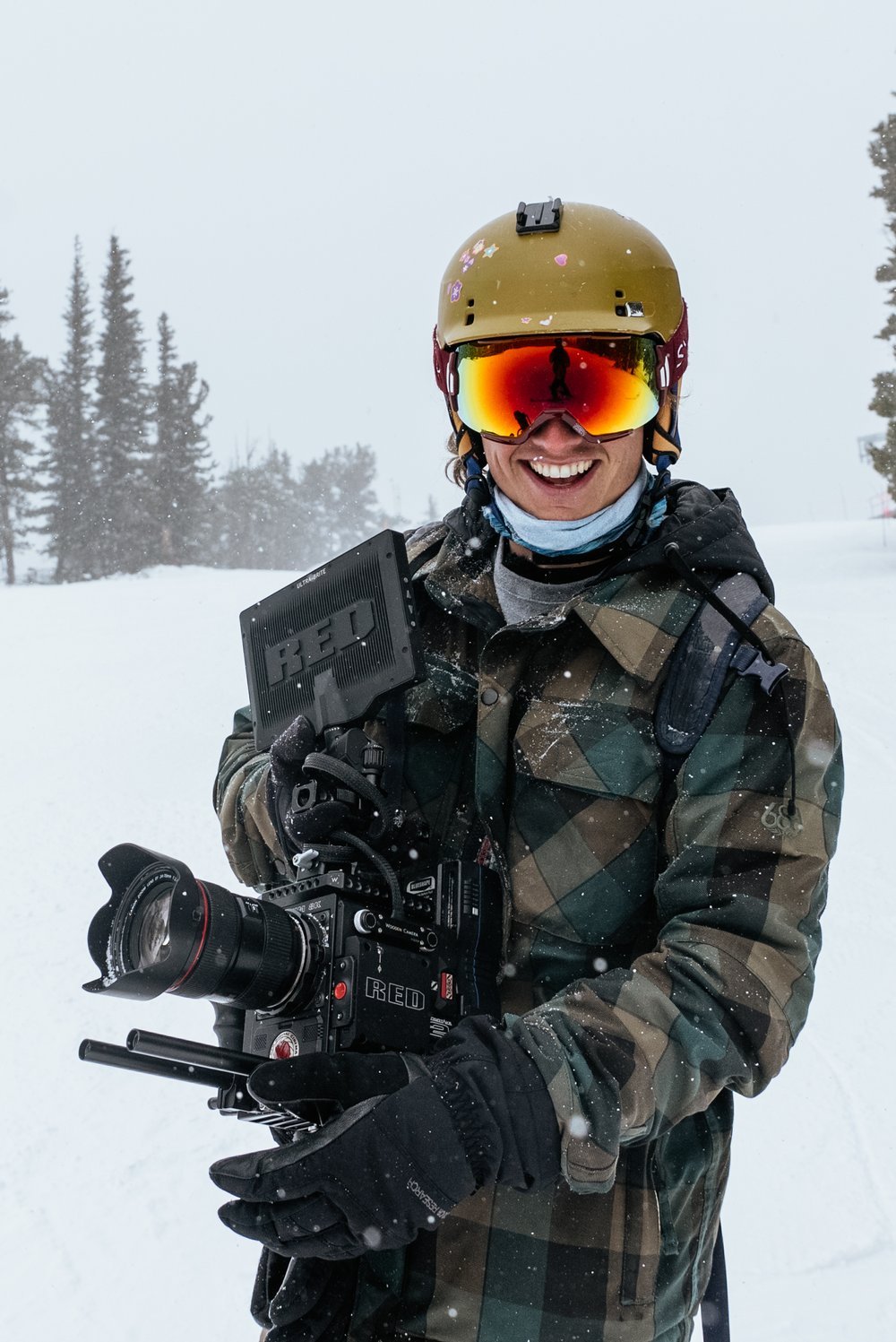
I’m Roo, a 3x Emmy-nominated commercial and documentary filmmaker based in Boulder, Colorado. My work moves between different industries, but people are the thread running through it. Hans and Scythe are two quite different examples of that.
My commercial directing work brings together story development, interviews, visual direction and the editorial decisions that connect the finished film to its brief. Explore my documentary-style commercial directing approach and selected work to see how those pieces come together.
What are you thinking of making?
Send me the idea that keeps coming back to you, the person you’d love to film, or a few references you’re excited by. It can still be a little rough around the edges. That’s a perfectly good place to begin.
Drop me a note below. Let’s see where it could go.