
The Cost of Skipping Pre-Production (and Who Pays It)
Pre-production isn’t sexy but good campaigns are so here's how to glow-up your process.
Most of the time, skipping pre-production looks like momentum at first.
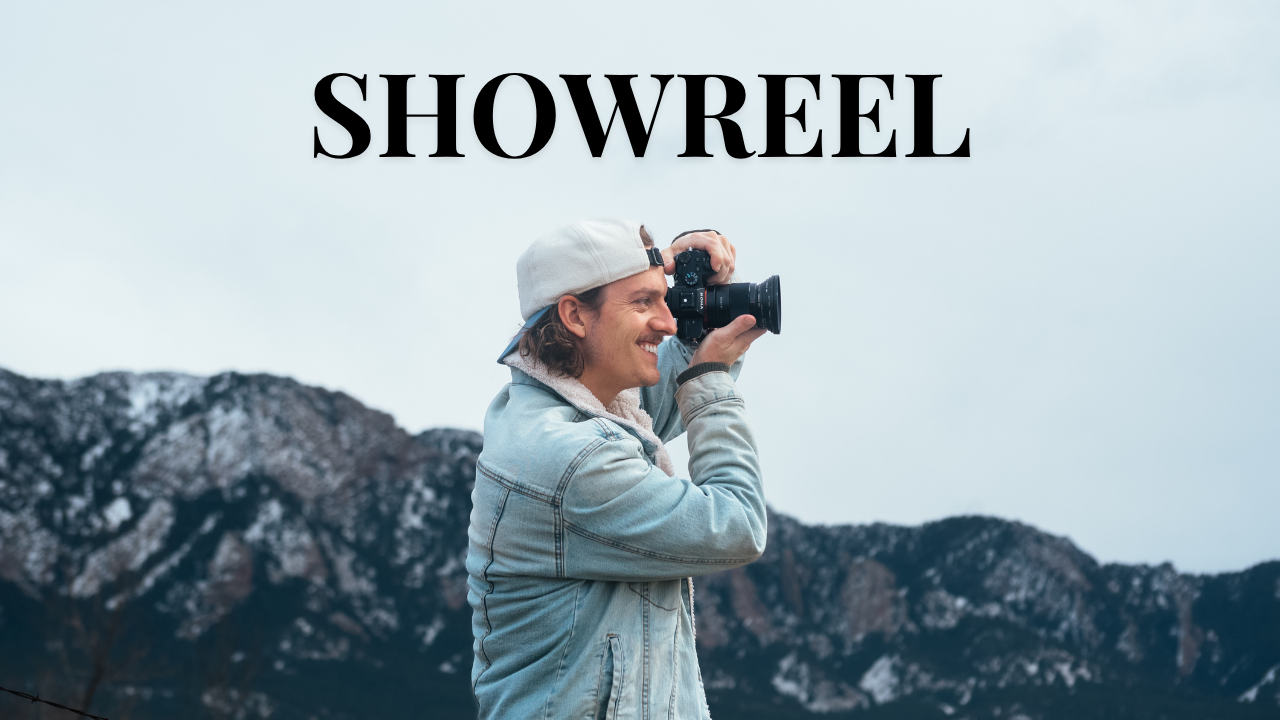
You move fast and start booking the flights. You’re rocking and rolling and showing up with cameras, beaming of confidence. You tell yourself you’ll figure it out when you get there because you always do. And for a while, that belief is reinforced, because something usually comes out the other end. Trust me, I spent years making this mistake because it always worked out in the end. I’d win the award, the video got views, and the client is happy enough. The world doesn’t end.
But someone always pays.
Early in my career, I paid with time. I’d find myself on location, light changing faster than expected, talent unsure of what they were supposed to be doing, the brand rep asking me questions off to the side, and me mentally building the plane while flying it, trying to reverse-engineer a story in real time that should have been decided days or weeks earlier.
I remember shoots where I’d lie awake late into the night trying to fix things in the edit. I’d run the shoot back in my head, replaying moments where I could’ve made one small decision differently if I’d just thought about it beforehand, if I’d written one paragraph, made one call, asked one uncomfortable question earlier in the process.
At some point, I got better, and when you get better you stop paying with obvious mistakes and start paying in subtler currencies. I paid in energy. It cost me presence and my confidence dwindled.
The Outdoor Content Brief is a weekly newsletter about outdoor storytelling, creative clarity, and building memorable content. Subscribe if you want to see more :)
Other times, the client pays.
They pay in revisions that shouldn’t exist. In feedback that sounds vague because the vision was never made concrete early on. In a strange sense of disappointment that’s hard to articulate because technically the work is good, it just doesn’t land the way they hoped.
And sometimes the audience pays, even if they can’t name why.
They might feel as a piece that’s “too long” or “doesn’t have clarity.” They might see it as something that looks fine but doesn’t quite stick with them. They scroll past, not because it’s bad, but because it never had the chance to be fully invested into it.
Pre-production isn’t sexy.
It doesn’t look good on Instagram. It happens in Google Docs and voice notes and half-finished outlines and long conversations where you’re mostly trying to get everyone to say what they actually mean.
Some questions to ask:
What’s the one thing this needs to communicate?
What does success actually look like?
What are we not trying to do?
I learned this most clearly while filming real people in real environments, whether that was an athlete before a race, a founder in their workshop, or someone standing in the middle of a landscape that mattered deeply to them. If I hadn’t done the work beforehand, if I didn’t understand why we were there and what was at stake emotionally, the camera always felt like it was one step behind the truth.
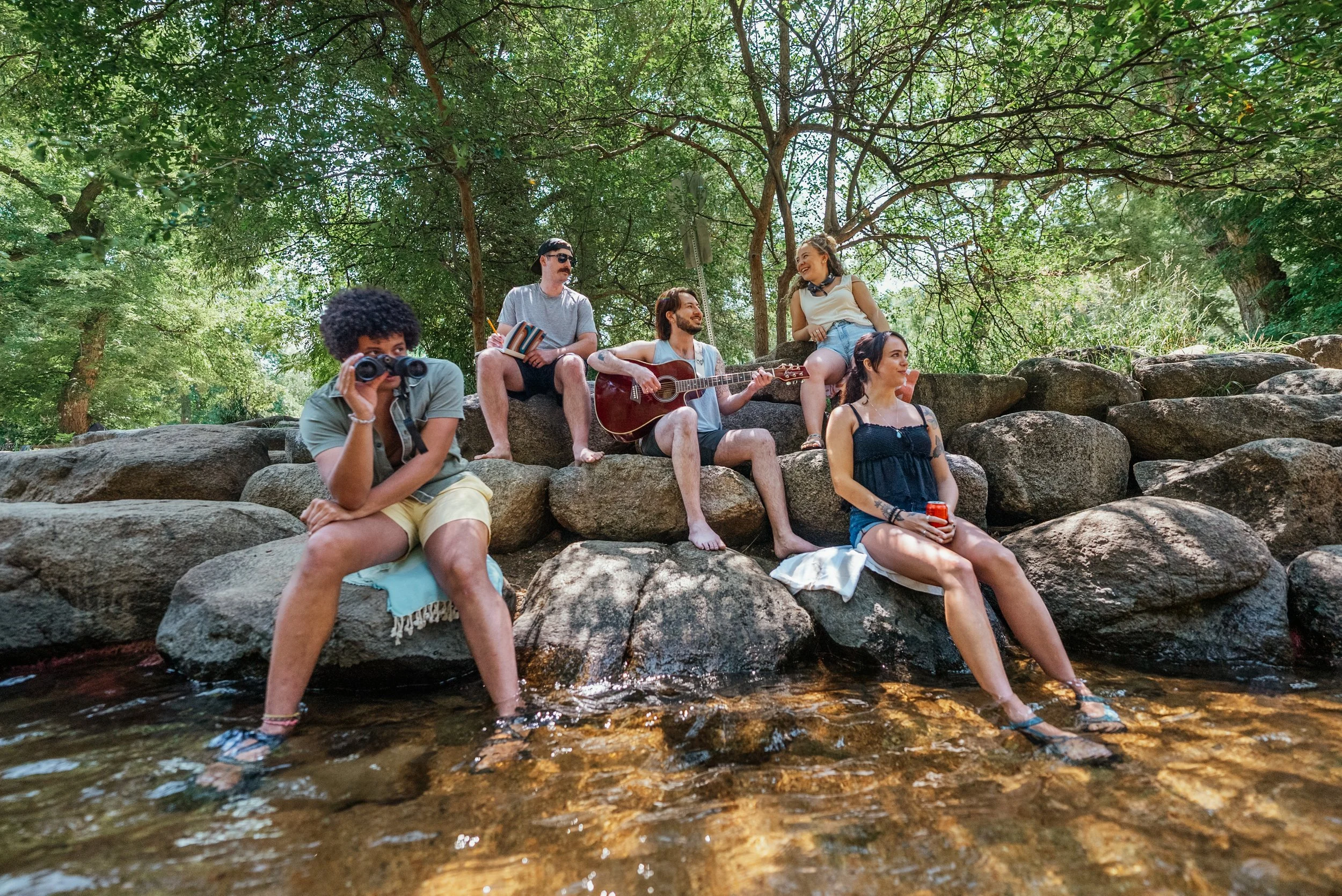
On the projects where we did slow down, where pre-production wasn’t rushed or treated like a checkbox, everything else got easier. People relaxed faster since they knew what they were getting into. Decisions felt lighter since you knew you would be supported in the hard conversations. We weren’t scrambling around trying to chase authentic moments, we were ready for them to appear.
Despite what you might think, pre-production doesn’t make things rigid. It does the opposite. It creates enough clarity that you can adapt without panic when something unexpected happens, which it always does.
Skipping pre-production doesn’t save time. It just moves the cost to a less convenient place like in moments on set or during the nightmare editing process.
You either pay upfront in thought and care, or you pay later in stress, revisions, missed opportunities, and a strong sense that the work could’ve been more than it was.
These days, when I feel the urge to rush, it’s usually a signal that something hasn’t been clarified for the campaign. So I slow down and we figure it out together.
I’ve learned that when pre-production is done well, no one notices it at all, but when it’s skipped, everyone feels it, even if they can’t quite explain why.
Why We Should Work Together…
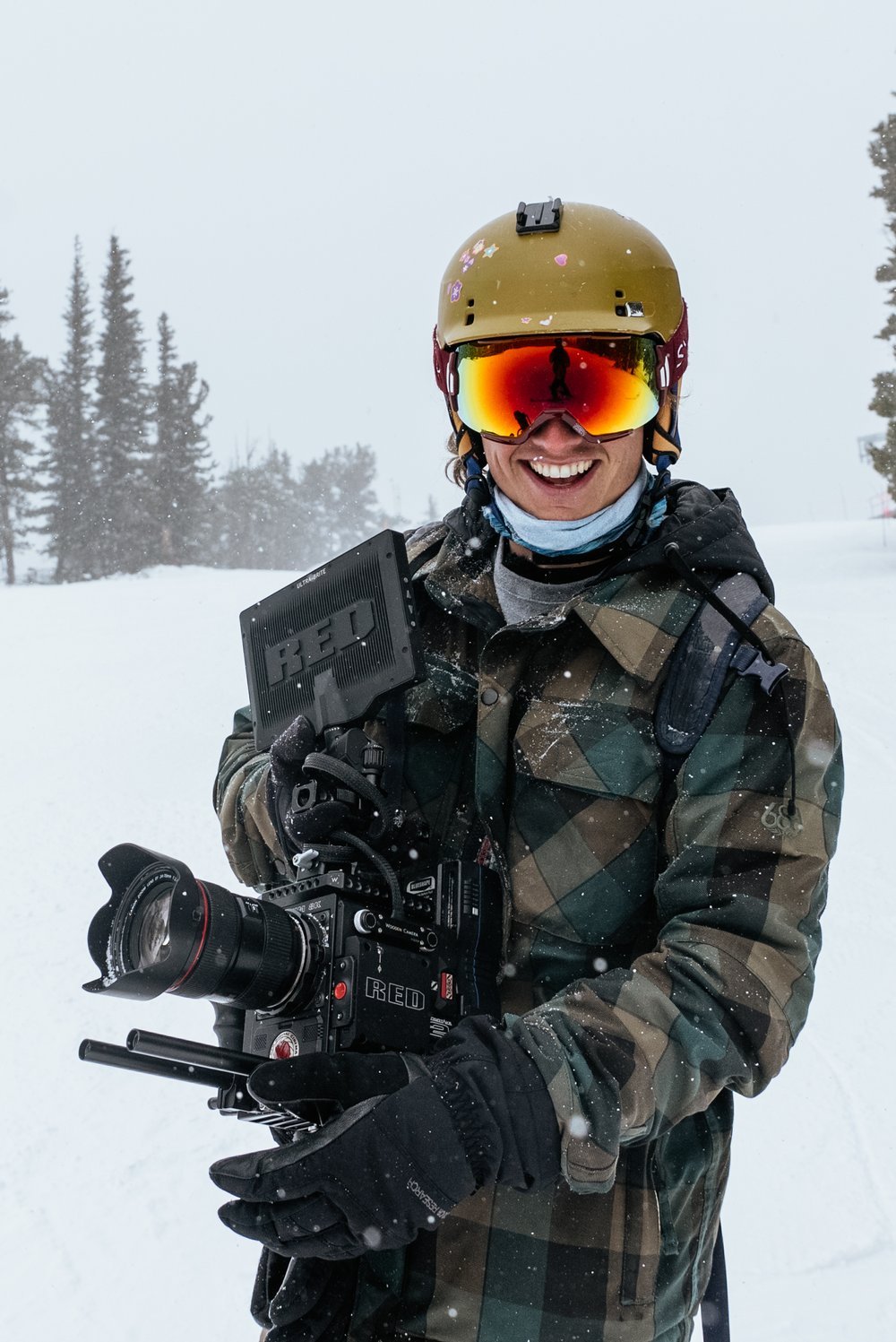
When I’m not on this website rambling on about filmmaking, I’m actually out there making films. From crafting memorable branded documentaries to capturing stories and products that move people, I’ve got you covered. Need a filmmaker who can scale mountains, brave the surf, or just tell a dang good story? Let’s chat!
In case I haven’t convinced you, here are three reasons why it might be fun to work together…
I believe in stories that stick with you - like campfire smoke on your clothes. The kind that makes you laugh, cry, or immediately want to call your mom.
I’m just as comfortable at 14,000ft as I am in front of a timeline. You get me in the mountains, in the ocean and in the editing room, making sure the magic out there really shines in the final cut.
I’ve filmed in some pretty wild places, but the best stories are the ones that bring people together. It’s those shared moments -big or small - that remind me why I love what I do.

Let’s Connect
Roo is an Emmy nominated commercial/documentary filmmaker and photographer based in Boulder, Colorado but travels all around the world for his filmmaking career. He has directed documentaries for Patagonia in California, produced films for Outside Magazine throughout Europe and Africa, camera operated for Netflix in the Rocky Mountain West, photographed among indigenous communities in South America, and has received notable recognition in the outdoor industry for his work telling uplifting stories in the outdoor space.