
While making the first Trail House episode, I had eight days to film and edit a roughly twenty-minute introduction to a group of runners and the life they were building together. Running was the subject. The story also needed rooms, relationships, uncertainty and reasons to care before anyone reached a finish line.
That is the lens I bring to a list of the best Netflix sports documentaries: what can a filmmaker learn from the way a project frames an athlete’s life? A huge sporting moment gives us an event. A documentary has to help us understand the people inside it.
These four titles offer different storytelling problems to study. This is a craft-focused selection, with my analysis separated from the basic premises Netflix describes. Availability varies by country and can change, so check the linked Netflix pages in your own region before planning an evening around one.
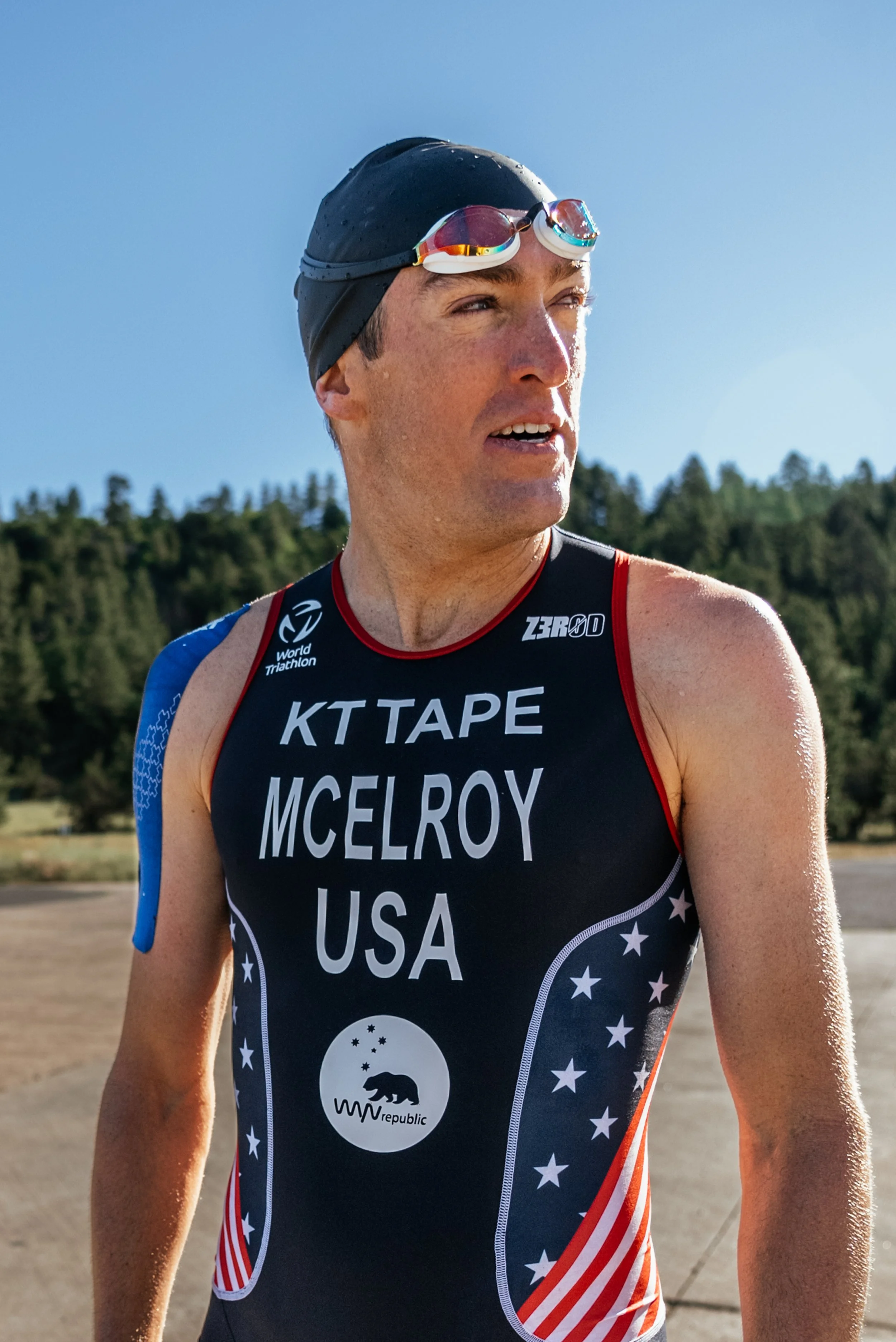
The photographs here come from my own work with sport and outdoor stories. The four Netflix productions offer different examples to study, and I’ve linked their official pages so you can explore each one.
Start with the question behind the competition
I’m interested in what an athlete hopes an achievement will change, including who shares the consequences of pursuing it. That gives the competition a personal scale. A viewer can understand those stakes while knowing very little of the sport.
That is why I find sports documentary structure so interesting. Competition supplies deadlines, rules and visible outcomes, while the rest of an athlete’s life can be much harder to interpret. Someone can achieve a goal and still have a complicated experience, or miss it and discover something that matters more than the result. I want the film to leave room for that possibility.
When studying a film, I’d write down its central question before looking at the ending. Then track the information that changes how you understand it. Is the film widening the question, narrowing it or asking you to reconsider the original premise?
This keeps analysis grounded in decisions. “It was inspiring” describes a reaction. Naming the person, choice and consequence that created the reaction gives a filmmaker something useful to learn from. The goal is to understand the construction while keeping the human experience intact.
SPRINT: make the stakes legible
Netflix’s SPRINT follows elite sprinters and the demands of becoming the fastest. Its subject presents a useful creative challenge: an enormous amount of preparation leads to an event measured in seconds.
For a storyteller, that relationship between long preparation and short performance is rich territory. A viewer needs enough context to understand why a tiny difference matters. The film can explore training, pressure and individual personalities so the race carries more than speed alone.
The craft lesson I’d take into a production is clarity: explain the immediate goal early and help the audience understand what it requires. Then spend time with each person’s relationship to that goal. Two athletes can pursue the same result for very different reasons, and that difference gives the story somewhere interesting to go.
I’d watch for how a sequence moves between preparation and competition, and what changes when the film shifts from the group to an individual. Those are questions to investigate in the viewing, rather than a recipe to copy shot for shot.
For a short branded film, the same principle can work on a smaller scale. Establish what someone is attempting and why it matters today. A clearly understood challenge creates interest without requiring exaggerated stakes. If the audience understands the difference between a routine day and a meaningful attempt, even a familiar action can hold their attention.
It also reminds me to respect how much work sits outside the visible performance. Preparation can reveal character. A training choice, a practical adjustment or a conversation with a coach may give us more insight than another beautiful slow-motion finish.
Simone Biles Rising: let the person define the stakes
Simone Biles Rising is a four-part series following Biles from the aftermath of Tokyo toward Paris. Netflix’s episode descriptions place public pressure, recovery, preparation and a return to the Olympics within that arc.
The storytelling opportunity here extends beyond a comeback headline. A person’s relationship with their sport can change, and the film has to make room for that change. The familiar public story may be only the starting point for understanding what the experience means to the person living it.
For documentary work, I think this is an important distinction. An audience arrives with expectations. A director should stay curious enough to let the subject complicate them. The most useful question may be different from the one that made the initial pitch sound compelling.
I’d study whose perspective defines a scene and how the film frames the relationship between an individual and public expectation. Pay attention to the information that belongs to the athlete’s own experience, then compare it with the assumptions a viewer may bring.
The lesson for a brand production is to discuss that relationship before filming. If the proposed story requires a person to embody a predetermined message, access alone will never solve the creative problem. There needs to be room for their own language, boundaries and understanding of the experience.
That approach asks something of the production team too. Trust develops through clarity, listening and the way people are treated across the process. The finished film is one outcome. The experience of participating deserves care in its own right.
Last Chance U: build a world around the main action
Last Chance U follows junior-college football programs and athletes pursuing another opportunity. Netflix’s series spans several teams and locations, giving the premise a world larger than a single game.
The useful storytelling idea is the relationship between a personal goal and the structures surrounding it. A player’s ambitions exist alongside education, coaches, teammates and daily practical realities. The audience has several ways to understand what is at stake.
That is something I think small productions can learn from. Access to a main character becomes more useful when we understand the people and routines around them. I want to see who helps them and what happens when the main activity is over. Those situations can explain a choice that would otherwise seem difficult to understand.
For a filmmaker, I’d turn those questions into a map before building a shot list. List the relationships and places that influence the central goal. Then identify which ones the production can observe responsibly and with genuine permission. A world begins to emerge through connected scenes.
Trail House offers a different scale of that problem. Rooms, shared training, work, injury and the practical experience of living together all contribute to the story of pursuing running seriously. The house gives the audience a recurring place to return to.
The danger is gathering a lot of activity without a clear reason for it. A scene should help us understand a person, relationship or changing situation. World-building earns its place when it changes what the main action means. A little ordinary context can make the next competition scene much more interesting.

The Deepest Breath: make relationships part of the risk
Laura McGann’s The Deepest Breath centers on a champion freediver and a safety diver, their connection and the risks within the sport. That is the premise described in Netflix’s announcement of the film.
What interests me as a storytelling problem is the way a sporting pursuit involves more than the individual performing it. Support, responsibility and trust can be part of the action itself. A film has an opportunity to reveal those relationships instead of presenting the achievement as a completely solitary experience.
I’d approach this one with attention to how the audience learns the practical context of the sport. Notice which information helps you understand a decision and how that changes the way you feel about the people involved. Those questions can guide a careful viewing without reducing the film to a list of dramatic moments.
For filmmakers working around outdoor activities, this is also a reminder that risk deserves accurate treatment. A dramatic image can leave out the preparation, safety roles and judgment surrounding it. Context matters, both for the story and for how the activity is represented.
The lesson is editorial, rather than a guide to attempting the sport. Talk with qualified people, understand the production requirements and make safety planning part of the work. The story should never depend on creating danger for a camera.
Relationships can deepen an adventure film because they show us who shares the experience. The person supporting an attempt may have a perspective that changes the entire story. Making room for that perspective can give the film a fuller human shape.
Four different ways to create a reason to care
Across these premises, I see four useful questions. SPRINT invites us to understand the pressure behind a brief performance. Simone Biles Rising asks us to consider a person’s relationship with public expectations. Last Chance U gives individual ambitions a wider social world. The Deepest Breath places a demanding pursuit within a relationship of trust and risk.
Those are different starting points, which is encouraging. A sports film can find its center in a deadline, an identity, a community or a relationship. The subject’s actual life should help determine which one carries the film.
For my own work, I would begin by listening for what the person keeps returning to. It might be a result. It might be a friendship, a decision or the practical uncertainty of continuing. That recurring concern can help identify the question the film needs to follow.
Then I’d look for observable situations that bring the question into view. An interview can explain a feeling, while a scene can show the decisions around it. The relationship between those forms is where the film starts to gain shape.
What a smaller production can borrow responsibly
These projects have their own access, resources and editorial circumstances. A brand film with a different schedule needs a plan that fits its reality. The useful thing to borrow is the quality of the questions.
Spend time understanding the person before settling on how to introduce them to the audience. Once the goal is clear, film the relationships that influence it and leave room for ordinary transitions. Those passages can reveal how someone actually moves through the day, including things an interview would be unlikely to uncover.
Build the crew around the story and practical requirements. A focused documentary team can be right for one setting, while a larger commercial crew can be right for another. The choice should support access, safety, sound, images and a respectful experience for everyone involved.
In post-production, check whether the film has earned its strongest emotional moment. The audience needs context to feel a payoff. Music can support the experience, but it has a harder job when the person and situation remain vague.
I’d also resist copying a series’ surface style before understanding its purpose. A visual choice becomes useful when it serves your subject. The film should belong to the people in front of your camera.
Watch once for the people, then again for the choices
For a practical viewing exercise, I’d keep the first pass fairly simple. Follow the people. Notice where curiosity builds, where something becomes clear and where you want more time with a scene.
On a second pass, choose one sequence and ask what information it gives you. Look at the order of the material, the role of sound and the relationship between interviews and observed action. Consider what would change if the sequence began somewhere else.
Keep the exercise specific. One well-understood sequence can teach more than a page of broad praise. You are trying to understand how a choice shaped your experience, then carry that understanding into a different story.
That is why these films are worth studying alongside simply enjoying them. Sport gives filmmakers extraordinary action. The more interesting challenge is helping us feel the lives around it. Back in a running house, on a trail or beside an interview camera, that is the part I want to keep paying attention to.

Why We Should Work Together…
When I’m not on this website rambling on about filmmaking, I’m actually out there making films. From crafting memorable branded documentaries to directing and producing , I’ve got you covered. Need a filmmaker who can scale mountains or producer/director who can bring your $100k campaign to life? Let’s chat!
Let’s Connect
Roo is an Emmy nominated commercial/documentary filmmaker and photographer based in Boulder, Colorado but travels all around the world for his filmmaking career. He has directed documentaries for Patagonia in California, produced films for Outside Magazine throughout Europe and Africa, camera operated for Netflix in the Rocky Mountain West, photographed among indigenous communities in South America, and has received notable recognition in the outdoor industry for his work telling uplifting stories in the outdoor space.