
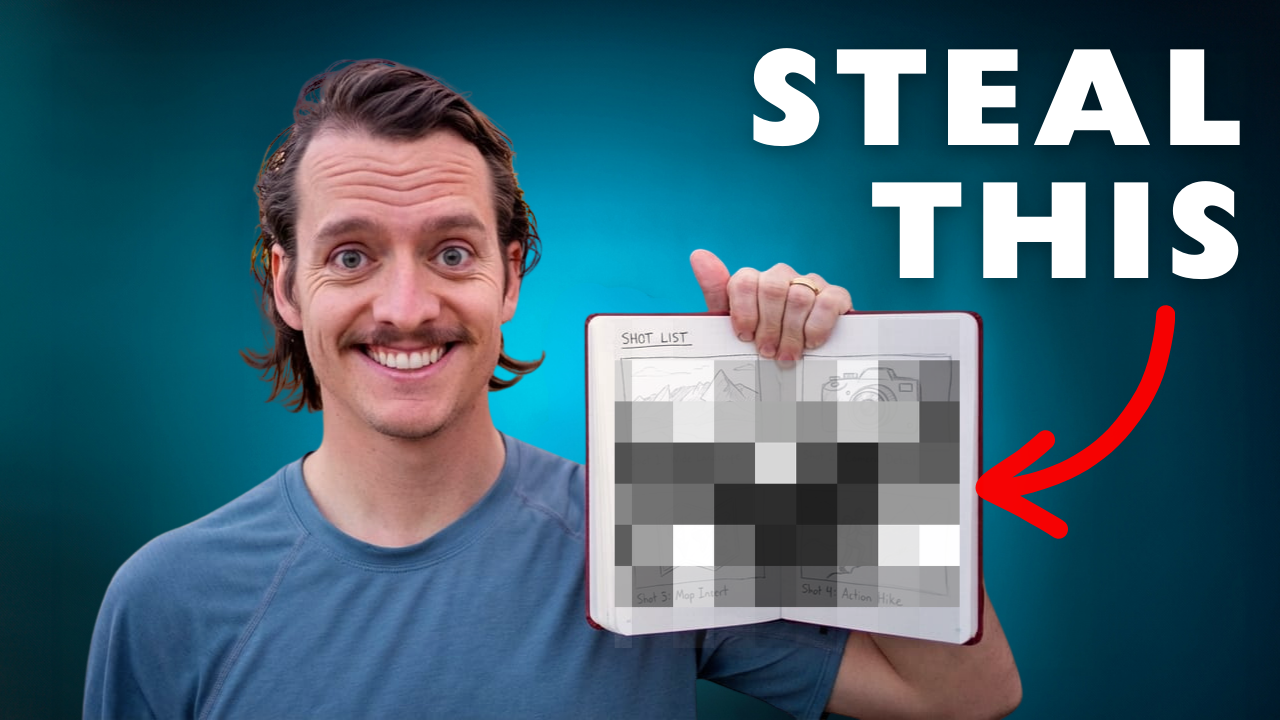
How I Plan a Running Film
Pre-Production for Commercials, YouTube, and Documentaries
Most people skip this step.
They grab a camera, hit the trail, and start filming whatever looks cool. Sometimes that works. Most of the time, it doesn’t. The footage looks fine, but it doesn’t stick. There’s motion, but no emotion. Energy, but no meaning.
If you want to film running in a way that actually stays with people, whether it’s for a brand, a YouTube video, or a documentary, you need a plan.
Episode 4 of the How to Film Running Masterclass is all about pre-production. Not in a stiff, corporate way. In a grounded, practical, creative way. This is how I go from “let’s just shoot something” to intentional running films that feel cohesive, emotional, and purposeful.
This post expands on that episode and breaks down exactly how I think about planning before I ever press record.
Why Pre-Production Matters in Running Films

Running is unpredictable. Light changes fast. Athletes get tired. Weather shifts. Trails don’t cooperate.
That’s exactly why pre-production matters more for running than almost any other subject.
Planning doesn’t kill spontaneity. It protects it.
When you’ve already thought through the idea, the story, and the basic structure, you’re free to respond to what actually happens in front of you. Without a plan, you’re just reacting. With a plan, you’re adapting.
Pre-production is how I show up calm, present, and ready to make better decisions in the field.
Part 1: The Three Types of Running Films I Make
I don’t plan every running film the same way. The process changes depending on the type of project. Over time, I’ve realized most of my work falls into three buckets: commercial projects, YouTube running films, and running documentaries.
Each one demands a different kind of preparation.
1. Planning Commercial Running Projects
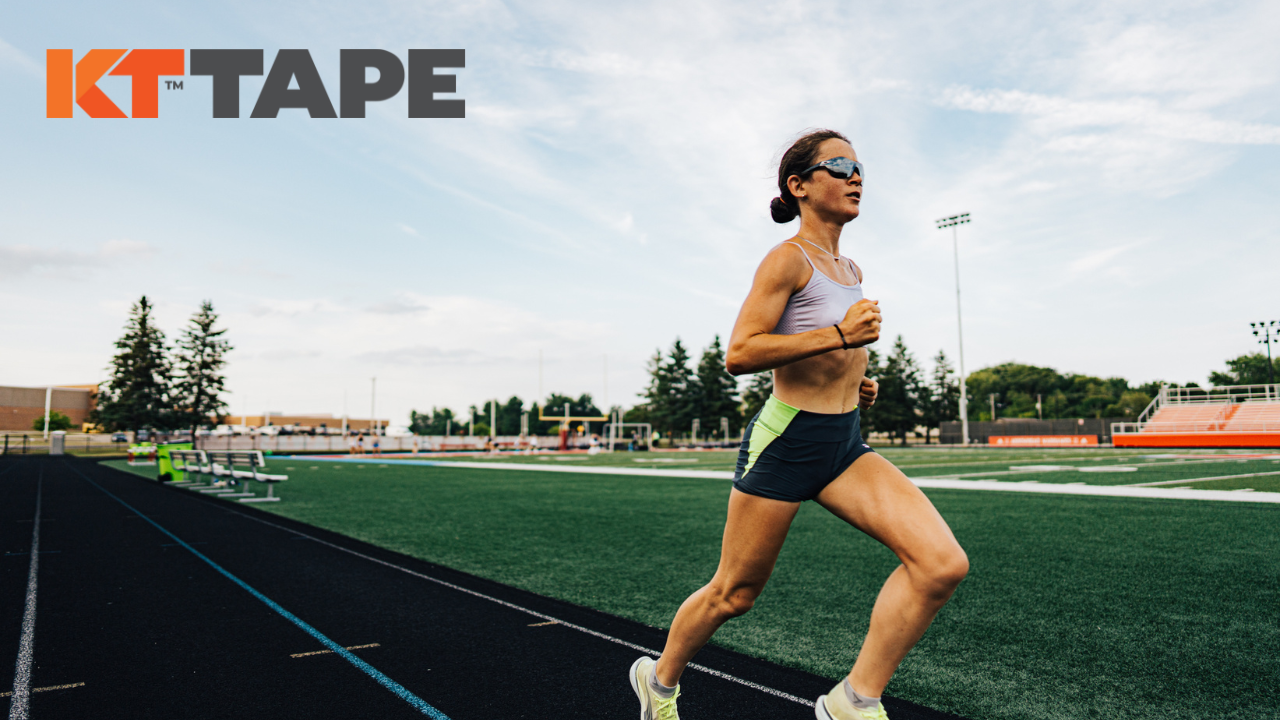
When I’m filming a commercial for a running brand—shoes, apparel, supplements—the product is never the story. The feeling the product supports is the story.
Pre-production for commercial running films usually starts with a creative brief. Sometimes it’s detailed. Sometimes it’s vague. Either way, my job is to translate it into something emotional and visual.
Here’s what that planning phase usually includes:
Concept development
I ask one core question early: What should someone feel at the end of this film? Everything flows from that.
Location scouting
I look for places that feel cinematic but also make sense for the runner and the brand. A location should support the vibe, not overpower it.
Casting the runner
Skill matters. So does presence. So does availability. The best runner on paper isn’t always the best subject on camera.
Shot lists and storyboards
Nothing fancy. Just clarity. I want to know what moments I need so I don’t miss them.
Time-of-day planning
Golden hour is almost always worth building around. If I can’t have it, I plan how to work with what I’ll get.
Client approvals
Scripts, voiceover direction, wardrobe, and music references all get aligned early so nothing derails the shoot later.
My goal is simple: bring emotion, movement, and message together in one short film. Pre-production is where that synthesis happens.
2. Planning YouTube Running Films
YouTube gives me more freedom, but that doesn’t mean I wing it.
If you want someone to click on and finish a running video, you need a real idea. Pretty footage alone won’t carry it.
I almost always start with the title.
If the title is clear and intriguing, the video already has direction. Ideas like:
I ran 50km across an abandoned railroad
What trail running every day for 30 days did to me
Why I run without a watch
If the title works, the film has a purpose.
From there, I build around a single idea or question. Something I’m genuinely curious about. Something running can help me explore—place, routine, identity, social themes, or simply presence.
My pre-production for YouTube usually looks like this:
One strong idea or question
A minimal shot list, usually five to ten scenes
A plan for visual variety: wide, medium, tight, emotional detail
A rough sense of pacing, often guided by music I’ve already chosen
An intentionally light kit: one camera, one lens, one mic
When I’m shooting solo, I treat YouTube running films like a journal, not a campaign. I want them to feel personal, observational, and honest. Planning gives the piece shape, not polish.
Some of my favorite films started with one sentence. The plan just helped me recognize the moments when they showed up.
3. Planning Running Documentaries
Documentaries are where running becomes a thread instead of the subject.
In these projects, pre-production isn’t about shots. It’s about story.

I start with conversations. Pre-interviews. Long walks. Listening. I’m trying to understand what the run represents in someone’s life, not just when or where it happens.
Planning for running documentaries usually includes:
Identifying the real emotional arc
Scheduling around the runner’s life, not ideal light
Mixing planned sequences with true observational moments
Building trust before the camera ever comes out
I don’t rely on detailed shot lists here. I rely on themes, access, and patience.
The best documentary moments can’t be scheduled. But you can create the conditions for them to happen. Pre-production is how you earn that access.
Part 2: Universal Pre-Production Tools I Always Use
No matter the type of running film, there are a few planning tools I use every time.
Build a Shot Map
I don’t always storyboard. I always make a shot map.
It’s a simple list:
Wide
Medium
Tight
Details
Emotional beats
Drone (if applicable)
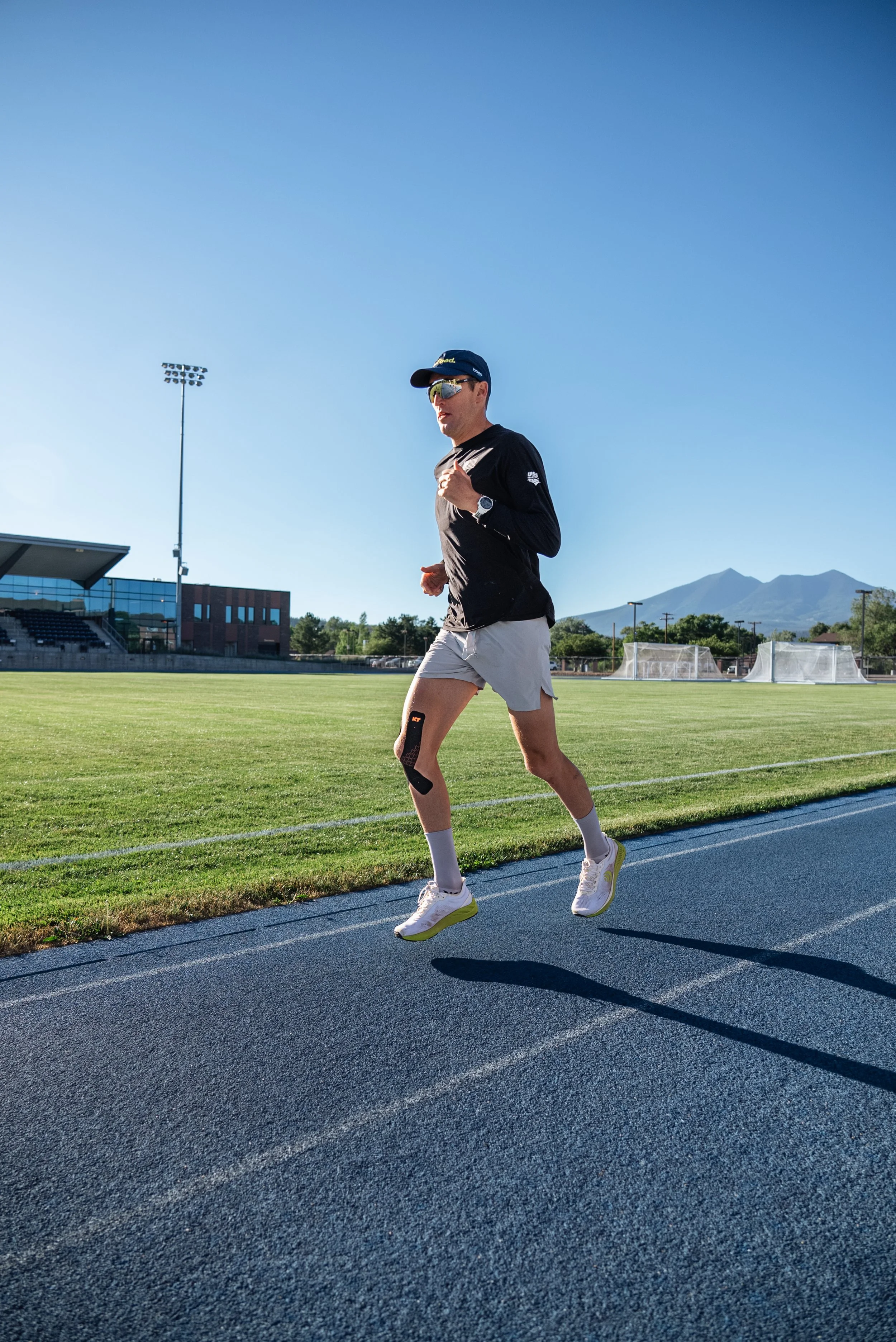
This keeps me from overshooting one type of shot and missing another. It’s not restrictive. It’s a safety net.
Scout in Person or Digitally
If I can scout on foot, I will. Feeling elevation, turns, and light direction changes everything.
If I can’t, tools like maps, trail apps, and satellite views are lifesavers. I look for:
Sun direction
Line of sight
Natural choke points
How long a runner can realistically hold a pace
The more you know before the shoot, the fewer surprises you’ll fight later.
Time Everything
Running isn’t static. Your window for a great shot might be ten seconds.
I plan timing obsessively:
Light apps for sun position
Test runs to feel pacing
Buffer time for resets
Even when you nail it on the first take, plan for a redo. Fatigue, wind, or light might change the moment.
Keep the Plan Adaptable
Trails get muddy. Athletes get tired. Clouds roll in.
A good plan doesn’t assume perfection. It leaves room for chaos.
When reality shifts, I don’t abandon the plan. I adjust it. That’s the difference between preparation and rigidity.
The Real Purpose of Pre-Production
Pre-production isn’t about control. It’s about presence.
When you’ve already done the thinking, you can stay open. You can notice small moments. You can respond instead of scramble.
Whether I’m filming for a brand, myself, or a long-form documentary, planning is how I show up ready to tell a better story.

Why We Should Work Together…
When I’m not on this website rambling on about filmmaking, I’m actually out there making films. From crafting memorable branded documentaries to capturing stories and products that move people, I’ve got you covered. Need a filmmaker who can scale mountains, brave the surf, or just tell a dang good story? Let’s chat!
In case I haven’t convinced you, here are three reasons why it might be fun to work together…
I believe in stories that stick with you - like campfire smoke on your clothes. The kind that makes you laugh, cry, or immediately want to call your mom.
I’m just as comfortable at 14,000ft as I am in front of a timeline. You get me in the mountains, in the ocean and in the editing room, making sure the magic out there really shines in the final cut.
I’ve filmed in some pretty wild places, but the best stories are the ones that bring people together. It’s those shared moments -big or small - that remind me why I love what I do.

Let’s Connect
Roo is an Emmy nominated commercial/documentary filmmaker and photographer based in Boulder, Colorado but travels all around the world for his filmmaking career. He has directed documentaries for Patagonia in California, produced films for Outside Magazine throughout Europe and Africa, camera operated for Netflix in the Rocky Mountain West, photographed among indigenous communities in South America, and has received notable recognition and awards in the outdoor industry for his work telling uplifting stories in the outdoor space.