

A commercial budget can tell you surprisingly little about what the finished film will look like. Two productions can spend the same amount and arrive at completely different images, because one is buying travel and another is buying time with an excellent performer. The number becomes useful when it is attached to a specific idea.
So let’s give $25,000 a job. Imagine a small lifestyle brand introducing a well-made everyday bag, with a film about one person moving from a quiet morning at home into the start of their working day. The product is present in the action, and the story depends on the character’s small preparations rather than a list of features.
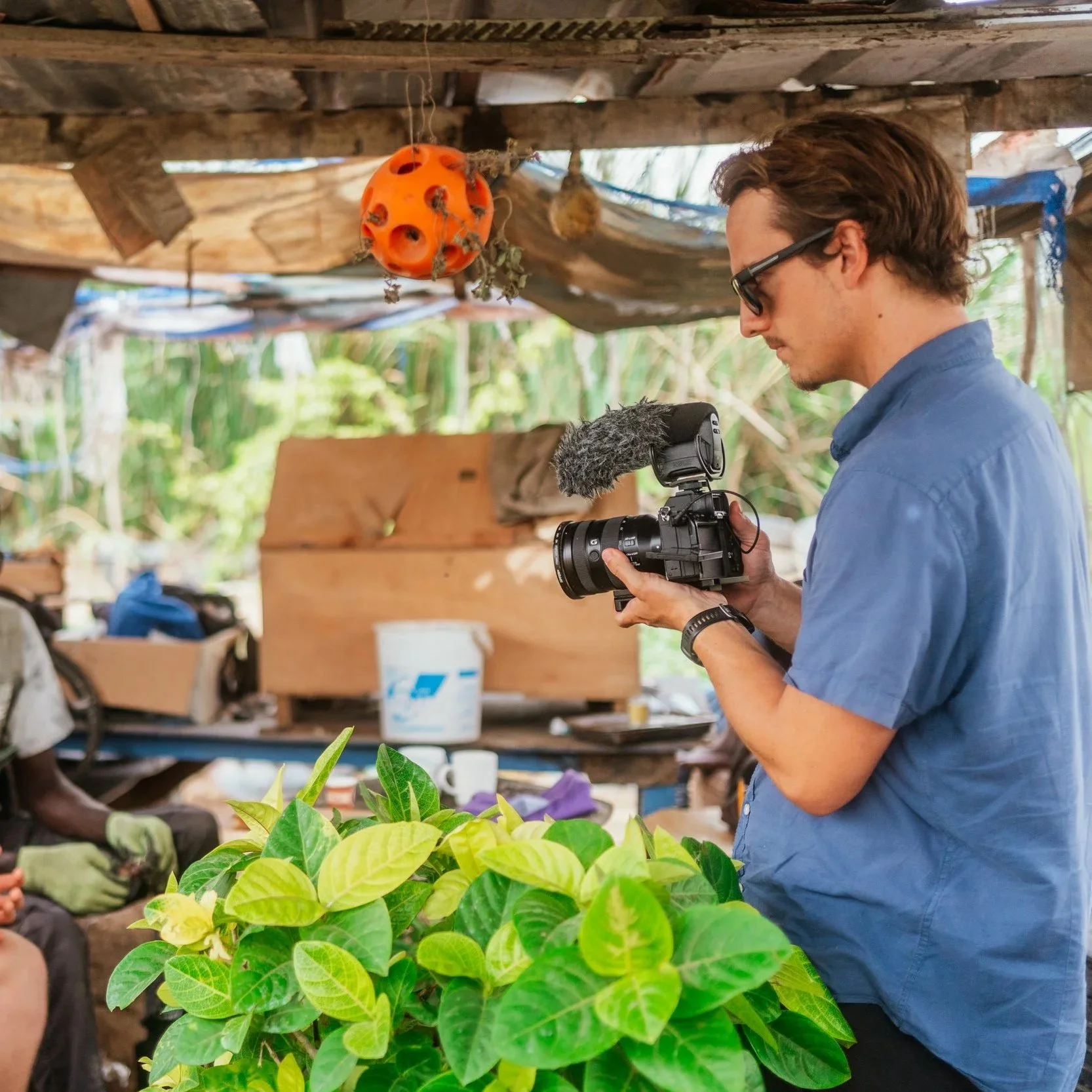
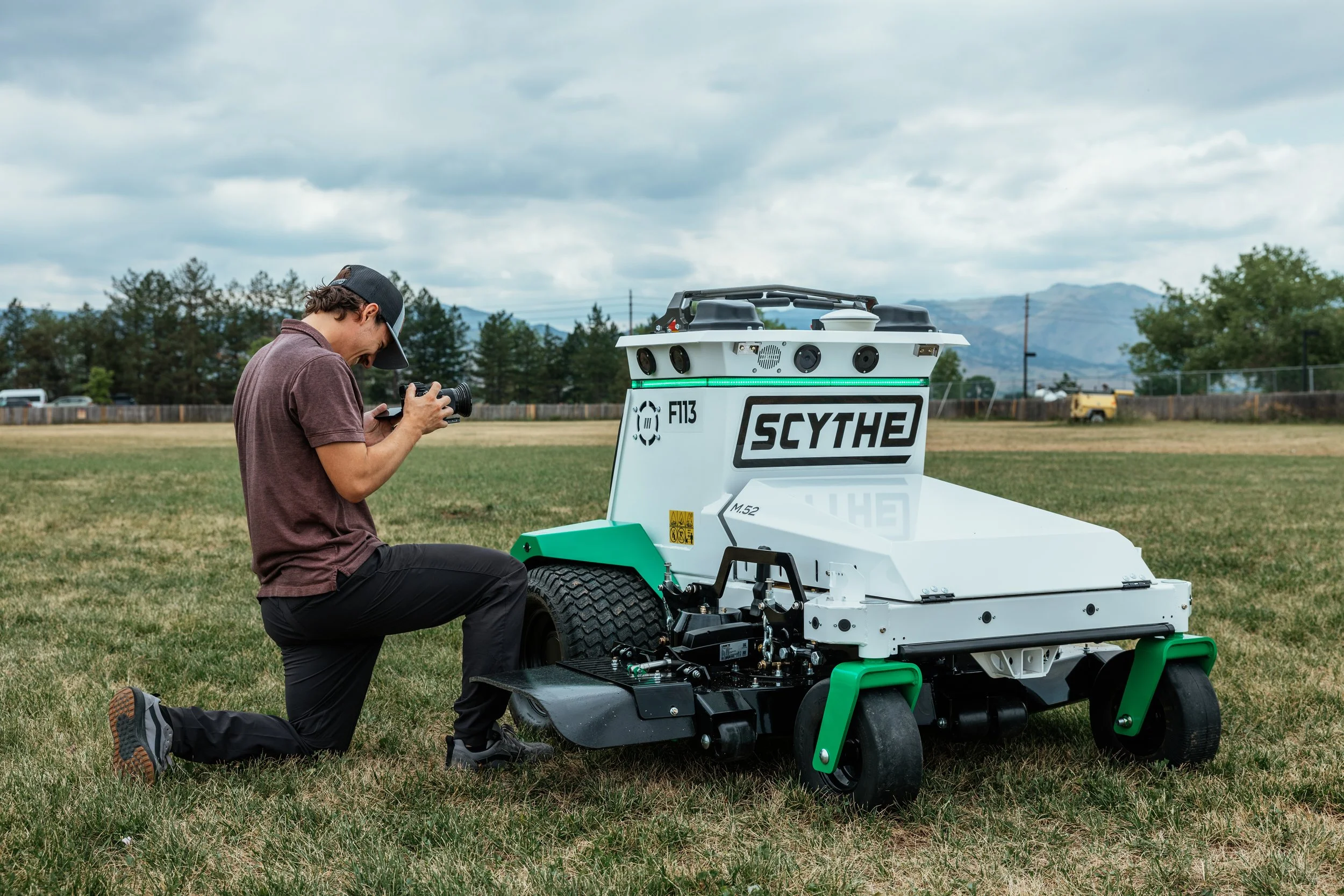
This is a hypothetical planning exercise in US dollars, not a real client budget, a quote from my company, or a claim about standard 2026 rates. The allocations below are illustrative spending limits that would need to be tested against actual bids. The photographs throughout this article are illustrative images from my existing library, not documentation of this imagined production or evidence of what those shoots cost.
Give the idea a manageable shape
For this example, the plan is one local shoot day, one principal performer, and one main location with a usable exterior nearby. There is no travel unit, celebrity, stunt sequence, elaborate set build, or custom visual-effects world. Those are creative boundaries, and a good concept should make them feel intentional.
The main deliverable is a 30-second commercial with a 15-second version and three short vertical edits made from the same planned material. We will assume one language, simple titles, licensed library music, and two consolidated rounds of client feedback. Any talent and music agreements would have to cover the specific channels, territory, and term approved before the shoot.
The $25,000 is the production envelope in this exercise. Paid media, a separate still-photography campaign, a new website, extensive localization, and later usage extensions sit outside it. Applicable sales tax also needs to be established separately, rather than quietly absorbed by a line that was meant to pay for the edit.
A possible allocation
Creative development and directing preparation: $2,500
Production planning and management: $2,500
Shoot-day crew: $6,000
Camera, lighting, grip, and sound equipment: $2,000
Location, art direction, wardrobe, and shoot expenses: $2,000
Casting, performer fee, and agreed usage: $2,500
Editing, color, sound, music, and delivery: $4,500
Contingency: $3,000
Those eight amounts total $25,000. They are envelopes for conversation, not a rate card for hiring individual people, and a real estimate should make the producer’s fee, insurance, payroll costs, and any applicable burdens explicit within the relevant lines. If the actual bids exceed these assumptions, the scope changes before the team commits.
What the audience would actually see
The opening could be a close view of someone making space on a crowded kitchen table. A bag is opened, an object is considered, and something is left behind. The character gathers what they need, responds to a small interruption, and heads out with a sense of intention that the product quietly supports.
That treatment could produce a warm, tactile film with careful compositions and a recognizable human presence. It would not need to look inexpensive simply because the production is contained. The quality would come from choosing the right person, finding a location with useful depth and light, and giving a few actions enough attention to become specific.
It would also be a mistake to promise that result from the number alone. A difficult location, an unsuitable performer, or an idea requiring too many setups could consume the same money without giving the film much character. The budget supports a set of choices, and those choices still have to be good.
Preparation makes the shoot smaller
The first $2,500 is assigned to developing the concept, shaping the script or action, and preparing a visual approach that the client understands. The next $2,500 covers production planning and management, with the detailed estimate accounting for the relevant administration and overhead. These lines need distinct responsibilities so the same work is not accidentally counted twice.
The location recce is especially valuable in this imagined project. A room that looks lovely in a photograph may have traffic noise, limited access, or the wrong light during the hours available to us. Discovering those constraints before the shoot gives the team a chance to solve them while solutions are still relatively simple.
I would also plan the vertical versions before choosing every composition. The performer and product need room to remain readable in more than one frame shape. That does not mean forcing every shot into a compromise, but it does mean knowing which actions need dedicated coverage.
The people behind a simple-looking image
The $6,000 crew envelope has to be built around the actual demands of the day. It might support a compact combination of directing, camera, lighting, sound, assistance, and production support, with exact staffing determined by the location and treatment. It should not depend on pretending that safety, breaks, overtime, or specialist work will somehow take care of themselves.
Some roles can be combined on a genuinely small production. Other combinations create a bottleneck that costs more in lost time than it saves in the estimate. Asking one person to solve lighting, record clean sound, move equipment, and watch performance at the same moment is an organizational choice with visible consequences.
The equipment envelope is similarly tied to the plan. A modest camera package and a lighting setup suited to one location may serve the story beautifully. Renting a more elaborate package has value when it makes a specific shot possible or improves the team’s working conditions, rather than merely making the equipment list look impressive.

Where the same money makes a different film
Imagine shifting $1,500 from equipment into location and art direction. The film might gain a room with better proportions, more controllable windows, and a few carefully chosen objects that tell us something about the character. If the original camera package already met the delivery needs, that trade could be visible in almost every frame.
Now imagine moving $1,500 from postproduction into an additional production setup. The shoot may gain another attractive scene, but the edit has less time to find the strongest arrangement of the existing material. That trade could be worthwhile for a simple product demonstration and much less useful for a performance-led story whose shape emerges in the cut.
Neither change is a recommendation to reduce someone’s agreed fee. The point is to change scope and priorities before commitments are made. An honest budget conversation should describe what the film gains and what the team is giving up.
Talent is more than a face in the frame
The $2,500 talent envelope includes casting, the performer’s work, and a defined usage assumption that would need approval from the relevant parties. It is not a promise that any particular actor or campaign license is available for that amount. A wider territory, longer term, different media plan, or union requirement can change the calculation substantially.
For this imagined commercial, casting should test the small actions the film actually needs. Someone might photograph beautifully yet feel uncomfortable performing an ordinary task while remaining attentive to the camera. A short, relevant casting exercise can reveal more than a polished portrait.
Wardrobe and objects deserve the same specificity. A bag filled with items chosen only for color may look considered while telling us very little about its owner. One useful object with a clear role in the action can contribute more to the story than several decorative purchases.
Protect the work after the shoot
The $4,500 postproduction envelope covers a deliberately limited set of deliverables. Editorial time, color finishing, sound work, a suitable music license, captions where required, and final exports all need a place within the estimate. An offline edit is not the same thing as a finished commercial ready for every placement.
Feedback structure matters because the same available time can be spent refining the film or reconciling contradictory notes. A single client contact can collect comments and identify the decisions that genuinely need discussion. Two consolidated rounds should mean two coherent rounds, with a clear point at which a new direction becomes a change in scope.
The contingency exists because a production is a real event, not a perfectly behaved spreadsheet. In this exercise, $3,000 remains available for approved unexpected costs. It should have a clear decision-maker and a written understanding of how unused money is handled. Spending it in advance on an optional extra removes the protection it was meant to provide.
The brief decides how far the budget goes
A second shoot day, distant location, larger cast, or additional campaign concept could all be sensible choices for a different project. Adding them to this one would require a new estimate. The answer may be more money, fewer deliverables, a different creative approach, or a production schedule with a smaller footprint.
It is useful to separate the essential idea from the details that merely appeared in the first treatment. If the story depends on a relationship between two people, removing one performer could damage the whole concept. If it depends on a small moment of departure, moving from a spectacular house to a more accessible apartment might preserve everything that matters.
What I would want to know before quoting
I would want a clear account of the audience, the product’s role, and where the finished work will run. I would also want the deliverable list, approval process, timing, and any genuine non-negotiables. Those answers allow a producer to propose a workable approach instead of guessing what the headline number is supposed to include.
That is the conversation I would bring to my directing and production work. A useful estimate connects resources to creative decisions in language everyone can understand. The goal is for the team to know why the film has the shape it does, and where an extra dollar or an extra hour would actually help.
A $25,000 commercial could be intimate, funny, elegant, or quietly observational. It could also try to do too much and feel unfinished. I would rather give a specific idea the conditions it needs to work, then make every part of the production serve that idea with care.
Why We Should Work Together…
When I’m not on this website rambling on about filmmaking, I’m actually out there making films. From crafting memorable branded documentaries to directing and producing , I’ve got you covered. Need a filmmaker who can scale mountains or producer/director who can bring your $100k campaign to life? Let’s chat!

Let’s Connect
Roo is an Emmy nominated commercial/documentary filmmaker and photographer based in Boulder, Colorado but travels all around the world for his filmmaking career. He has directed documentaries for Patagonia in California, produced films for Outside Magazine throughout Europe and Africa, camera operated for Netflix in the Rocky Mountain West, photographed among indigenous communities in South America, and has received notable recognition in the outdoor industry for his work telling uplifting stories in the outdoor space.