
If you’re trying to budget for a technology company video, here’s a useful starting point: $5,000–$10,000 for a focused small project, $10,000–$25,000 for a director-led production, $25,000–$50,000 for a campaign, and $50,000+ for a larger commercial production.
Use these as planning ranges in US dollars. The final scope determines the quote. A founder interview filmed at your office and a product launch involving three facilities, animation, and twelve finished videos are very different jobs. Even if the final videos are both two minutes long.
I’m Roo Smith, a documentary and commercial filmmaker based in Boulder, Colorado. My approach starts with people: what they’re working on, why they care, and what changes for someone else when their work succeeds. I want to make complicated companies understandable and human.
That could mean following an engineer through a robotics test, helping a scientist explain a research challenge, or showing what a software product actually changes in a customer’s day. The budget should give that story room to happen.
Here’s how I’d think through it.
Start with the job your video needs to do
Before I recommend a crew or a camera, I want to know who’s watching and what you want them to understand.
A biotech recruiting film needs something different from a medtech product introduction. An AI customer story has a different job from a climate company’s launch campaign. Trying to serve every audience in one video usually makes the message harder to follow.
Pick a primary goal: help buyers understand the product, give potential employees a reason to join, support a sales conversation, or introduce the company to people who have never heard of it.
Then we can figure out what belongs on screen. Maybe it’s a customer explaining the afternoon they lose to a repetitive task, or an engineer walking us through a prototype. Something a person outside your company can follow. That’s where the production plan starts getting useful.
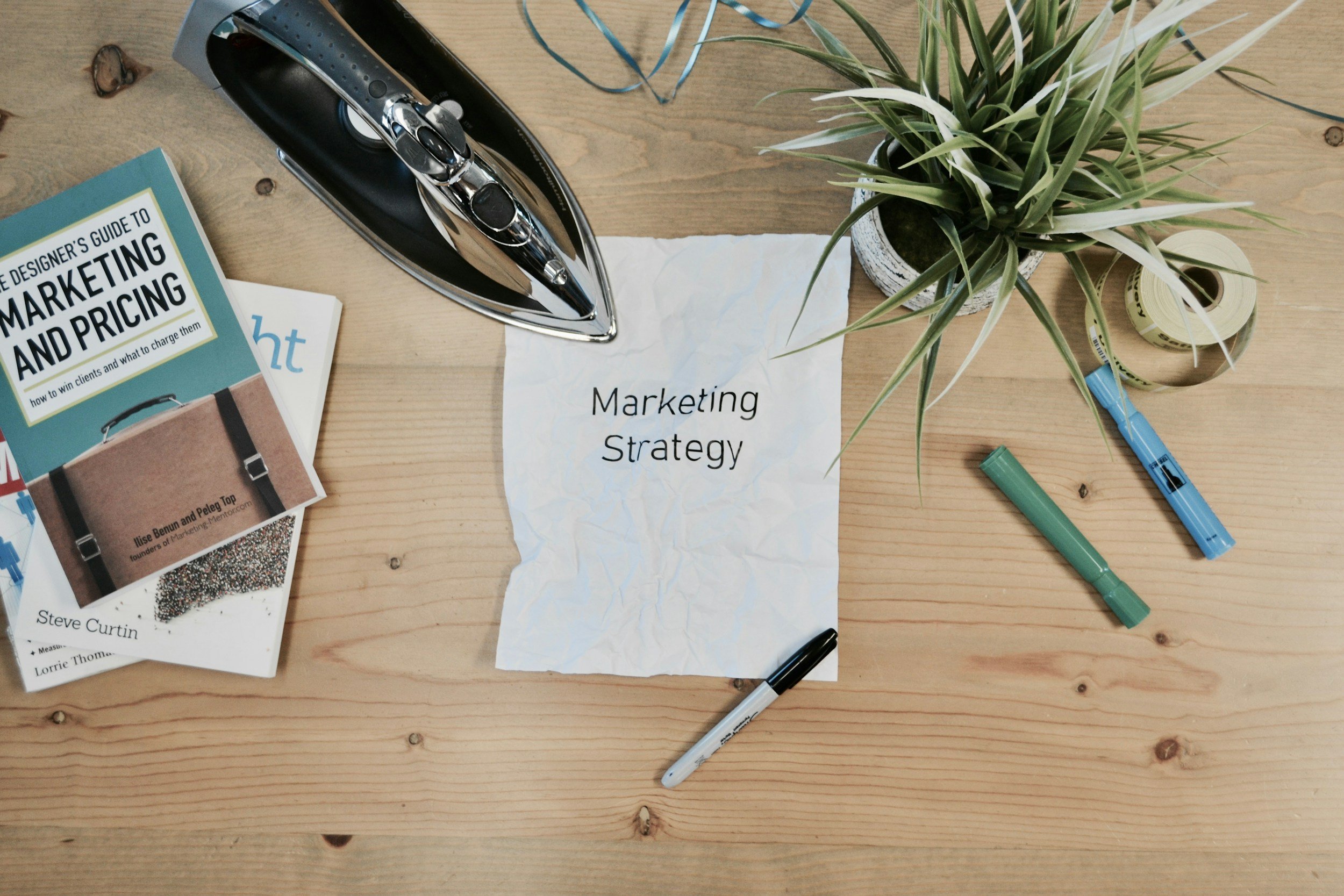
Technology video production costs: four budget ranges
$5,000–$10,000: small, focused projects
At this level, I’d build around one clear story and a manageable filming footprint. Think one local shoot day, one location, a small crew, one or two interviews, and supporting footage of the actual work.
A founder profile, a concise customer testimonial, or a short product story could fit here. For example, a B2B software company might pair an interview with a customer and carefully planned screen recordings.
The edit would have a defined length, licensed music appropriate to the intended use, basic titles, sound work, color, and agreed revision rounds. Exact inclusions depend on the quote.
Extensive travel, custom 3D animation, several facilities, and a long list of different edits would stretch this budget quickly. I’d narrow the idea until we can execute it properly. A simple film with a thoughtful interview can carry a lot of weight.
$10,000–$25,000: director-led productions
This is a useful starting range for a company that wants a developed story, deliberate cinematography, and support from planning through the final edit.
A possible scope is one or two shoot days, a small specialist crew, pre-interviews, location planning, and a main film with a few carefully chosen shorter versions. The mix matters more than checking every box.
For a robotics company, I might propose spending time with the person using the machine, then filming the team behind it. We’d need to see the task, the challenge, and the practical difference the technology makes.
Director-led means I’m shaping the creative approach and bringing in the right people to help execute it. Depending on the project, I might also operate camera and edit. Having dedicated sound or lighting support can make a meaningful difference when we’re balancing interviews with a working facility.
$25,000–$50,000: campaigns with multiple uses
Here, I’d start thinking through how the production can support a launch or several months of communication.
A campaign might involve multiple shoot days, employees and customers, more than one location, a producer, dedicated camera and sound support, photography, and a broader post-production plan. We’d choose the pieces that serve the campaign and price them together.
For an energy company, that could mean a central brand film, a customer story, short product-focused edits, and workplace photographs. Each asset should answer a different question while feeling like part of the same company.
This range can also create time for the less predictable parts of documentary storytelling: someone getting comfortable, a process taking longer than expected, or a useful moment happening between the planned scenes.
$50,000+: larger commercial productions
Larger campaigns may need more locations, casting, art direction, several departments, complex product visualization, or separate photo and motion teams. Paid media usage and a large number of versions can also affect the estimate.
A multi-location advanced manufacturing launch with detailed animation is a different undertaking from a local interview film. Some projects will go well beyond $50,000.
The additional budget pays for coordination, time, specialist work, and the ability to control more of what appears on screen. I’d still want a simple answer to the same question: why should the audience care?
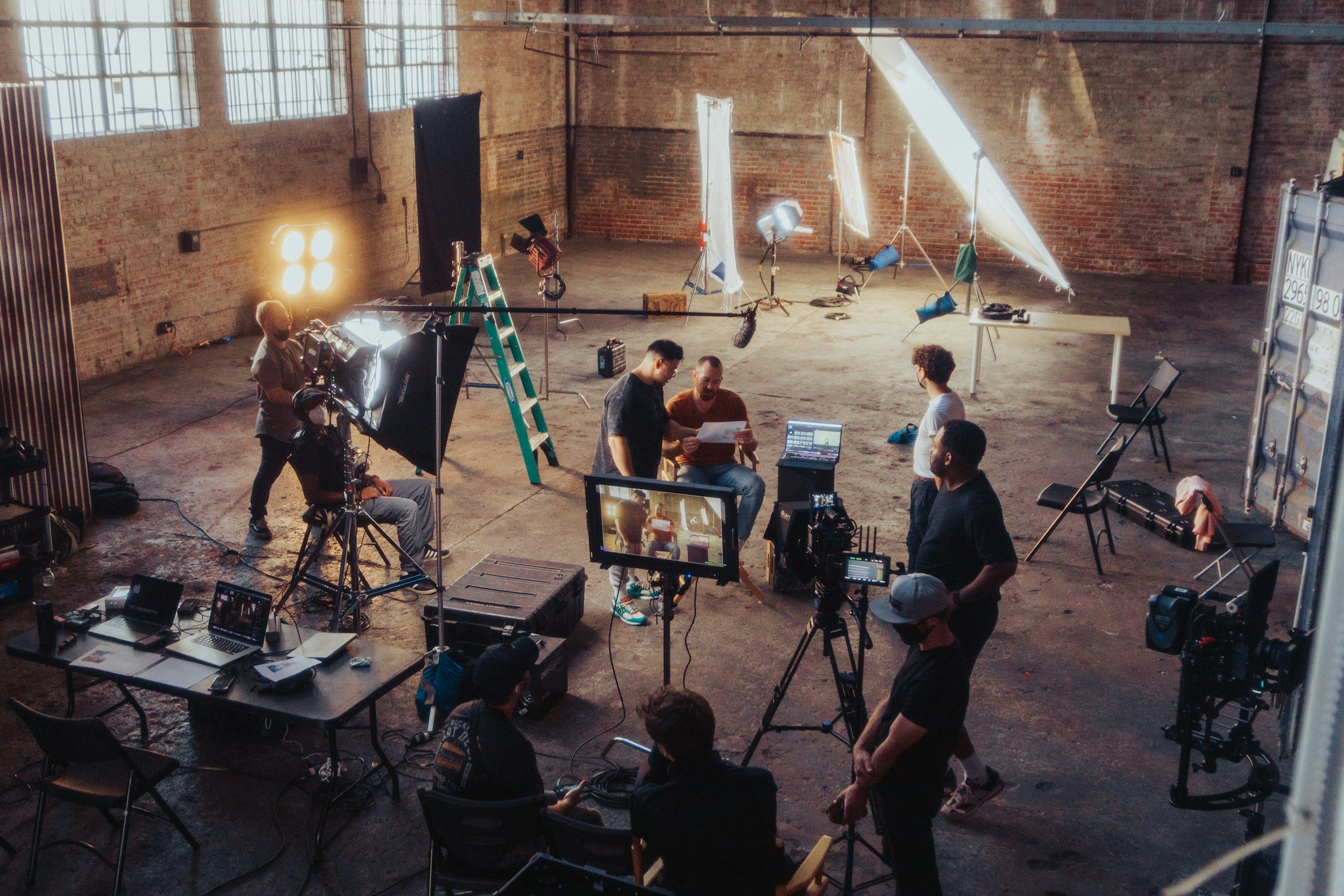
What actually changes the production budget?
Shoot days and access to your facility
A filming day includes arrival, lighting, audio setup, interviews, moving equipment, and packing out. Eight interviews plus a factory tour is a lot to squeeze into one day.
For technical companies, access can be as important as the schedule. We should know when the machine runs, which spaces are available, who can accompany the crew, and what your team has cleared to appear in the background. A scout or walkthrough helps us plan around the actual environment.
Crew and equipment
I build the team around what we need to capture. An office interview might need a compact setup. A loud production floor can justify a dedicated sound recordist, lighting support, and someone coordinating the day.
The camera package is one piece of the estimate. Crew time also covers preparation and making everyone look and sound good while your business keeps operating.
Interviews and story development
Early in my career, I put a lot of energy into tutorials and cinematography courses. Over time, I’ve realized how much the work depends on connecting with the person in front of the camera. Learning their interests, finding something we share, being someone they feel comfortable spending a day with. That work shows up in the film.
Explaining years of technical work in a few sentences is its own skill. Add a camera and a couple of lights and it can feel pretty strange. Helping you settle into that conversation is part of my job.
I’d ask an engineer to walk me through a specific problem they solved: what they tried, where they got stuck, and what finally clicked. Pre-interviews help us find those stories and understand unfamiliar language.
We also need time to listen. A room away from the machinery and a few extra minutes between interviews can do a lot for the conversation. Those choices belong in the budget, too.
Motion graphics and screen recordings
Sometimes the important thing is invisible: a biological process, an energy system, or software working behind a screen. Motion graphics can help explain it.
A few labels and a simple diagram are a different scope from custom 3D animation. I’d identify the sequences early and have your technical expert review the explanation before detailed animation begins. For software, we should plan clean demo accounts and purposeful screen recordings. A cursor wandering around a dashboard rarely explains much by itself.
Travel and location logistics
Flights and hotels are part of travel, alongside travel days, transport, equipment baggage, meals, and sometimes local crew or rentals.
I’m based in Boulder and travel for projects. If your team is spread across offices, I’d compare each location’s value with its cost. Sometimes bringing a customer to one location makes sense. Sometimes seeing their actual workplace is essential.
Music, talent, and footage licensing
Tell me where the video will run: your website, organic social, paid advertising, events, or another channel. We can then scope the music, stock or archival footage, and any talent usage.
The quote should spell out the included rights. Additional territories, future uses, or a longer campaign may require a different license. Clear expectations make the film easier for your marketing team to use.
Editing and multiple deliverables
A two-minute brand film, a thirty-second ad, and a vertical customer story require different editorial decisions. A shorter cut can take a surprising amount of work. We still have to find its beginning, middle, and ending.
Define the edits, lengths, aspect ratios, captions, graphics, languages, and revision rounds before filming. Choose someone to consolidate feedback. Five people sending contradictory notes at different stages can make the editing schedule complicated fast.
Photography alongside video
Photography can extend a shoot into website images, recruitment materials, presentations, and press assets. But a still photograph deserves attention of its own.
If you need portraits, product images, and workplace coverage while we’re filming interviews, I may recommend a dedicated photographer. For a smaller photo list, we can reserve specific windows. Either way, it needs a place in the schedule.
Discuss your production budget
A sample $20,000 technology video budget
Here’s an illustrative allocation for a hypothetical local production with two filming days, a small crew, a main film, and a few shorter edits:
- Creative development, pre-interviews, and planning: $3,000
- Two shoot days, including crew and equipment: $8,000
- Editing, color, sound, simple graphics, and agreed versions: $6,000
- Music and modest local production expenses: $1,000
- Contingency allowance: $2,000
Total: $20,000. This assumes accessible locations and defined feedback rounds. Major travel, custom animation, dedicated photography, substantial talent fees, paid media spend, and applicable taxes need separate consideration. Change the assumptions and the allocation changes, too.
Finding the human story inside a technical company
The budget categories stay similar across industries. What we need to show changes.
For biotech and medtech, I’d look for the people behind the research and a clear explanation of the problem. Your subject experts can help define which claims and visuals accurately represent the work.
For climate and energy, I’d connect the system to a tangible use: who depends on it, how it fits into their day, and what evidence supports its benefit.
For AI and B2B technology, I’d follow a real workflow. Show the person making a decision and where the product helps. Give the audience something concrete beyond a list of capabilities.
For robotics and advanced manufacturing, movement, scale, testing, and the people operating equipment can give us strong visual material. We need the right access and timing to capture it.
For aerospace and defense-adjacent companies, I’d plan around approved spaces, available subjects, and material your team has cleared for public use.
For financial services, a customer or employee story can make an abstract service feel concrete. We’d plan demonstrations and interview review with your team so the film communicates accurately.
Each is a starting point for a conversation. The interesting part is finding what’s specific to yours.
A focused production in practice: Scythe Robotics
My Scythe Robotics campaign produced three videos and seventy-five photographs from a focused six-hour shoot. We planned product action, human interaction, and design details for a website rebrand and advertising use. That is a useful example of defining the assets and coordinating access before the cameras arrive.
Explore branded documentary budgets
How to get more value from your video production budget
First, give the film a clear home. A homepage introduction, sales follow-up, and recruiting campaign need different openings and calls to action. Decide where the work will live before we shoot it.
Then make your people available. A thoughtful hour with the right customer or scientist can be more valuable than another room full of equipment. Help us find someone who can tell a concrete story.
Plan useful variations early. If sales needs a customer clip and recruiting needs an employee perspective, put those on the interview plan. Capturing them deliberately is easier than hoping they appear in the footage.
Bring your marketing lead, technical expert, and other required reviewers into the process early. Agree on the central message before filming and consolidate notes during editing.
And share your budget range. It helps me recommend a realistic scope. We can reduce locations, simplify graphics, or prioritize fewer finished assets when we need to spend less.
Alongside views, look at whether the film supports qualified inquiries, sales conversations, product understanding, or applications. Give it a practical role in your business.
Let’s make your company easier to understand
My work combines documentary curiosity with commercial purpose. I can help develop the story, plan the production, direct interviews, assemble the crew, and shape the footage into films, photographs, and shorter pieces your team can use.
You can explore my film portfolio to get a feel for how I tell stories, or read my guide to branded documentary pricing.
If you’re building something complicated and want people to understand why it matters, share your company’s story and the video you have in mind. Send the audience, timeline, and a rough budget if you have one. We’ll start there and figure out how to make something meaningful together.
Let’s Connect!

If you’re looking for creative partner to lead a story-driven campaign from start to finish, I’m here to help you create work that actually moves people.
My goal isn’t just to make beautiful content, it’s to make something that you feel good about, the audience feels great about and everybody leaves the process full of joy.
Fill out the form and tell me a bit about your vision.
I personally read every inquiry and usually respond within 24 - 48 hours.
This isn’t just a contact form - it’s the start of making something meaningful together :)