What Outdoor Brands Should Know Before Hiring a Video Production Company
Outdoor brands sell more than gear. They sell motion, trust, identity, and a reason to get outside. A strong film can make a runner lace up before sunrise, make a skier believe in a shell during rough weather, or make a climber feel understood by a company that speaks their language. The right video production company turns product value into a human story that people remember.

Outdoor work has its own demands. Weather shifts fast. Athletes move quickly. Trails, rivers, cliffs, roads, and mountain passes create logistical puzzles. Gear needs to look good while being used hard. Crews need to move through wild places safely while still capturing images that feel polished and intentional.

Before hiring a video production company, outdoor brands should look beyond a reel. A reel shows taste. A hiring decision should also account for field experience, story instincts, pre-production, safety, deliverables, usage, and whether the crew understands the culture of your audience.

Start With the Business Goal

Every outdoor brand film should begin with a clear outcome. Are you launching a new product? Building brand awareness? Creating paid social ads? Giving retailers a campaign asset? Recruiting ambassadors? Supporting a seasonal collection? Each goal shapes the structure of the video.

A product launch film may need tight details, clear benefits, and multiple short cutdowns for paid ads. A brand documentary may need a stronger emotional arc and a slower reveal. A social campaign may need several hooks, vertical edits, captions, and thumbnail options. A website hero film may need to communicate the feel of the brand in the first three seconds.

Many outdoor brands come to a production company with a simple request: “We need a video.” A stronger starting point is: “We need a campaign asset that helps this audience take this next step.” That shift gives the creative team a target. It helps the production company build the right treatment, crew size, schedule, edit structure, and deliverables list.

Before you hire anyone, define the audience, the platform, the call to action, and the success metric. Views are useful. Sales, signups, retailer interest, email growth, and improved ad performance may carry more weight. If a production company only talks in terms of cameras and shoot days, keep looking.

Hire for Field Experience as Much as Film Skill

Outdoor production asks for more than a polished camera package. A crew filming trail running, skiing, climbing, biking, paddling, or surfing needs to understand the pace and risk of the activity. They need to know where to stand, how to move, when to back off, and how to capture athletes without interrupting the flow.

A crew with field experience will build smarter schedules. They will know that alpine light disappears behind ridgelines earlier than a weather app suggests. They will know that a trail runner can cover miles quickly, while a camera team carrying gear may need extra time. They will know that high-output movement creates sweat, fatigue, and wardrobe issues. They will know that winter conditions can turn a simple access road into the biggest variable of the day.

Athletes can feel the difference between a crew that understands the sport and a crew that only understands framing. When the people behind the camera know the rhythm of the activity, athletes relax. They move naturally. The footage feels earned instead of staged.

For outdoor brands, this is one of the biggest reasons to hire a specialized outdoor video production company or commercial filmmaker. A general studio may create clean corporate content. A field-tested crew can create a campaign that feels native to the sport.

Look for Story Instincts Beyond Pretty Footage

Outdoor films can easily lean on epic scenery. Mountains, waves, forests, and desert light are visually powerful, yet scenery alone rarely creates a lasting brand asset. The best outdoor brand video production starts with story structure.

Who is the character? What do they want? What stands in their way? Where does the product fit into that journey? How does the film build tension, then release it? Why should the audience care after the first shot?

This applies to commercials as much as documentaries. A thirty-second ad still needs a beginning, middle, and end. A three-minute brand film still needs a clear emotional spine. A product video still needs to show the problem before the solution.

Ask potential partners how they develop story before shoot day. Do they write treatments? Build interview questions? Create scene lists? Plan for narrative turns? Shape character arcs? The more care they put into story before the shoot, the stronger the final film will be.

Make Sure They Understand Your Audience

Outdoor audiences are sensitive to work that feels fake. Trail runners can spot awkward running form. Climbers can see poor rope handling. Skiers know when snow conditions make sense for a shot. Surfers can sense when a scene was built by people far from the culture.

Your production company can lack elite skill in every sport, but they should respect the details. They should know when to bring in athlete consultants, mountain guides, safety staff, or local fixers. They should ask the right questions. They should care how gear is used, how athletes speak, and how the landscape is represented.

Audience fluency also helps with casting. The best athlete for a brand film may be the person with a more compelling story, rather than the biggest follower count. A skilled production partner can help identify people who align with your values, your product, and your campaign goals.

For running, this could mean choosing an athlete with a strong training arc or community presence. For skiing, it could mean choosing someone who can speak to risk, patience, and mountain sense. For climbing, it could mean choosing a character whose relationship with fear gives the film depth. Outdoor consumers connect with skill, honesty, and lived experience.

Plan for More Than One Hero Film

One of the most common missed opportunities in outdoor commercial video production is treating the shoot as a single deliverable. If you are paying for locations, athletes, permits, travel, crew, and editing, you should build a content system from the start.

A strong production plan might include a hero film, paid social cutdowns, vertical reels, website loops, product clips, still frames, thumbnails, ad hooks, behind-the-scenes pieces, and retailer assets. Each deliverable should have a purpose. A fifteen-second paid ad has different pacing than a three-minute documentary. A homepage banner needs room for text. A YouTube thumbnail needs a clear visual idea. A retailer video may need product clarity sooner.

The best time to plan these assets is before the shoot. That way the crew can capture vertical framing, clean product details, alternate intros, sound bites, and platform-specific shots. Trying to create every format after the edit often leads to compromise.

Ask the production company how they think through campaign ecosystems. Can they build a deliverables map? Can they capture both hero storytelling and product utility? Can they help your team leave with a full content library instead of a single film? This approach often creates greater value from the same production investment.

Be Clear on Budget and Scope

Outdoor shoots can look simple from the outside. A small crew, a trail, an athlete, some golden light. In practice, the cost can include creative development, pre-production, location scouting, permits, insurance, producer time, director time, camera crew, sound, drone, assistants, safety staff, athlete fees, travel, lodging, gear transport, editing, color, sound mix, music licensing, revisions, and usage rights.

A lower bid may remove pieces that protect the quality of the project. A higher bid may include planning and deliverables that save your team time later. The best production partner should explain what is included, what is optional, and where the budget creates the greatest creative return.

Be direct with your budget range early. This helps the production company design a realistic approach. A $10,000 project and a $75,000 project can both be effective, but they require different structures. One may be a lean documentary piece with a small crew. The other may involve multiple locations, a larger team, paid talent, extensive post-production, and a full campaign package.

Clarity prevents frustration. Ask for line items. Ask how many shoot days are included. Ask how many rounds of revisions are included. Ask who owns raw footage. Ask which usage rights are covered. Ask what happens if weather shifts the schedule. A professional company should welcome these questions.

Clarify Usage Rights Before the Shoot

Usage can create confusion if it gets addressed late. Outdoor brands often need content across paid ads, organic social, retail, web, email, trade shows, and internal decks. Each platform may carry different value and different licensing terms.

Before production begins, define where the video will live, how long it will be used, which markets it will serve, and whether paid media is included. Confirm rights for music, talent, locations, stock footage, drone footage, photography, and raw assets. If athletes appear in the film, their agreements should match the campaign plan.

Raw footage should also be discussed. Some companies include select raw clips. Others charge for raw transfer, storage, organization, or licensing. Neither approach is wrong. The key is clarity.

Usage rights are part of the value of the work. A video used for a one-month organic campaign has a different scope than a film running in paid ads for several years. Discussing this early protects both the brand and the production company.

Ask How They Handle Weather and Risk

Outdoor production involves variables. Wind can ruin audio. Smoke can erase mountain views. Snow can close roads. Rain can damage gear. Heat can slow athletes. Altitude can affect crew performance. Surf can disappear. Trails can become unsafe. Fire restrictions can change access. Permits can shift.

A good outdoor video production company will have backup plans. They may build weather holds into the schedule, scout alternate locations, carry protective gear, plan sunrise and sunset windows, and work with local experts. They should also understand when to stop. No shot is worth putting athletes, crew, or the public at risk.

Ask potential partners how they evaluate safety. Do they use guides for technical terrain? Do they carry communication tools in remote areas? Do they have insurance? Do they understand drone restrictions? Do they have a plan for first aid, transport, and weather delays?

These questions may feel less exciting than discussing creative style, yet they are essential. A crew that handles logistics well gives the creative team more freedom. When the plan is solid, the athlete can perform, the brand team can trust the process, and the edit has more to work with.

Choose a Partner Who Can Direct People

Outdoor filmmaking often involves athletes, ambassadors, founders, customers, guides, and employees who have limited experience on camera. Strong directing helps them feel natural while still serving the story.

Interview skill is especially valuable. A good director knows how to ask questions that lead to specific, human answers. They can help a subject move past generic phrases and into lived detail. They know when to push for clarity, when to give space, and when to let silence do the work.

Direction also applies during action. The best filmmakers know how to guide movement without making it feel fake. They can ask for one more pass, adjust pacing, shape a scene, or simplify the blocking while keeping the athlete comfortable.

For outdoor brands, this can make the difference between a film that feels like a commercial and a film that feels like a true story with a clear brand purpose.

Review Their Post-Production Process

Editing is where the film becomes a brand asset. Ask how the production company approaches story selects, music, pacing, sound design, color, graphics, captions, and revision rounds. Ask who edits the project. Ask whether the director stays involved through the final cut.

Outdoor footage can be stunning, yet the edit needs discipline. Too many drone shots can slow the piece. Too many product details can feel forced. Too many interview lines can flatten momentum. A good editor shapes rhythm, emotion, clarity, and platform fit.

For paid social, the first three seconds are vital. For YouTube, the opening needs a hook and a reason to continue. For a website film, the pacing may need to feel premium and immersive. For a sales deck, clarity may beat atmosphere. Each version should be cut for its destination.

A polished post-production workflow also protects your team from endless revisions. Clear milestones, organized feedback, and decision-makers listed upfront will help the project move smoothly.

Look for a Creative Partner, Rather Than a Vendor

The best outdoor video production company will help sharpen the idea. They will ask why this project exists, who it serves, and how the audience should feel after watching. They will challenge vague concepts. They will bring location ideas, story angles, visual references, and campaign thinking.

A vendor waits for instructions. A creative partner brings perspective. Outdoor brands usually get better work when they invite the production team into the strategic process early. This gives the filmmaker room to find stronger characters, better scenes, more efficient production plans, and more useful deliverables.

As a Boulder-based outdoor filmmaker working across running, skiing, climbing, cycling, surfing, and documentary-style brand films, I have seen how much stronger a project becomes when the crew understands both the sport and the business goal. The film has to feel true to the athlete, useful for the marketing team, and strong enough to stand out in a crowded feed.

That combination comes from trust, preparation, and a shared standard for the work.

Final Thoughts

Hiring a video production company is a creative decision, a business decision, and a trust decision. Outdoor brands need a partner who can handle weather, terrain, athletes, story, deliverables, and strategy. The right team will help you create more than a beautiful film. They will help you build a campaign asset with purpose.

Before you sign a contract, look closely at the company’s field experience, story process, audience fluency, safety planning, post-production workflow, deliverables, usage terms, and ability to collaborate. Ask specific questions. Share your goals. Bring your production partner in early.

Great outdoor films come from more than scenery. They come from people who understand why the audience gets outside, what your product helps them do, and how to turn that truth into a story worth watching.

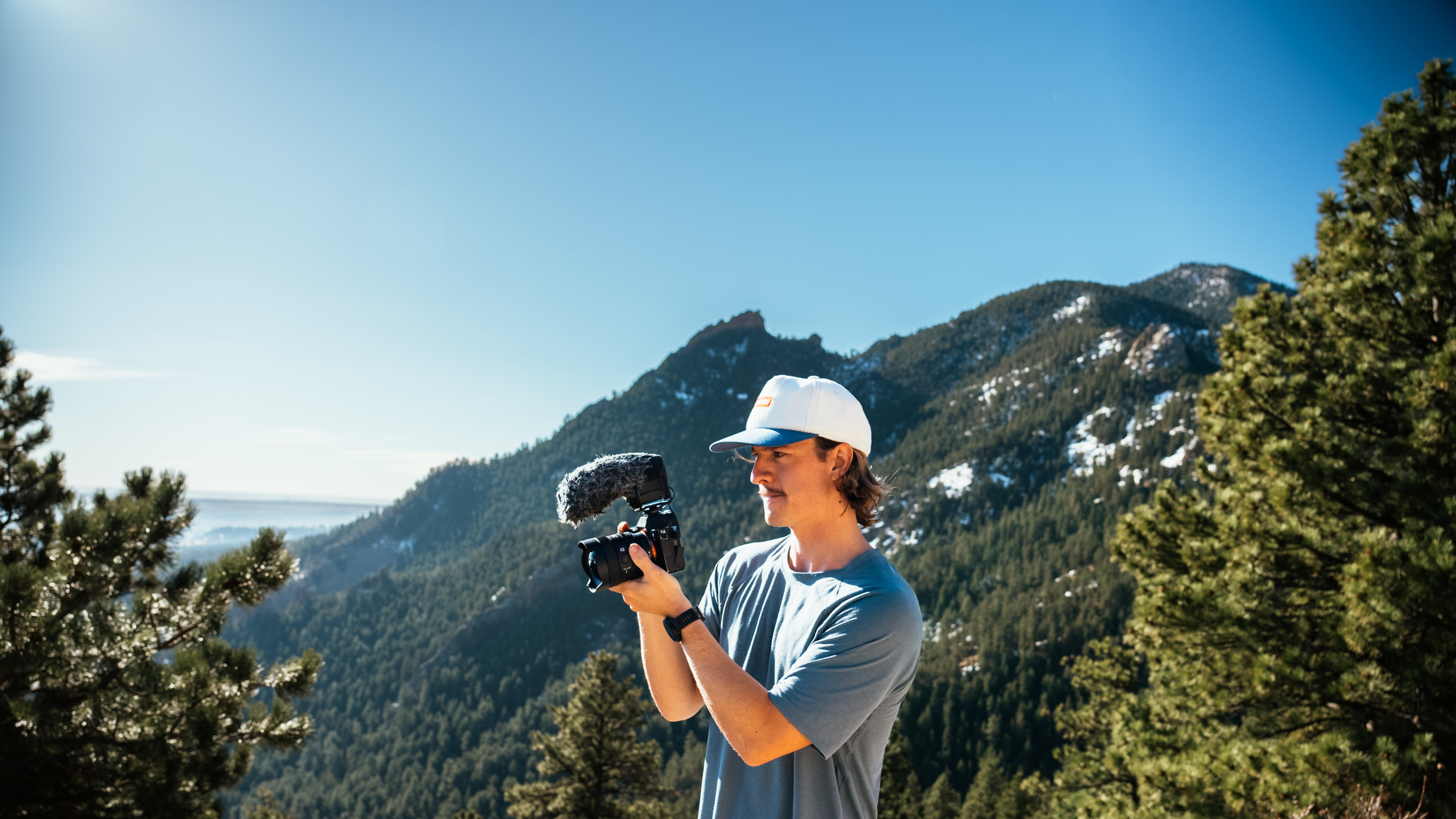
Roo holding a camera in snow

Why We Should Work Together…

When I’m not on this website rambling on about filmmaking, I’m actually out there making films. From crafting memorable branded documentaries to capturing stories and products that move people, I’ve got you covered. Need a filmmaker who can scale mountains, brave the surf, or just tell a dang good story? Let’s chat!

In case I haven’t convinced you, here are three reasons why it might be fun to work together…

  • I believe in stories that stick with you - like campfire smoke on your clothes. The kind that makes you laugh, cry, or immediately want to call your mom.

  • I’m just as comfortable at 14,000ft as I am in front of a timeline. You get me in the mountains, in the ocean and in the editing room, making sure the magic out there really shines in the final cut.

  • I’ve filmed in some pretty wild places, but the best stories are the ones that bring people together. It’s those shared moments -big or small - that remind me why I love what I do.


Roo camera in Boulder with lots of sky

Let’s Connect

Roo is an Emmy nominated commercial/documentary filmmaker and photographer based in Boulder, Colorado but travels all around the world for his filmmaking career. He has directed documentaries for Patagonia in California, produced films for Outside Magazine throughout Europe and Africa, camera operated for Netflix in the Rocky Mountain West, photographed among indigenous communities in South America, and has received notable recognition in the outdoor industry for his work telling uplifting stories in the outdoor space.

Next
Next

Building a Running-Focused Video Production Company in Boulder, Colorado