
I have spent plenty of time thinking through pitch decks, projects and the next thing I want to make. Some of the clearest thinking I have shared here has come from stepping outside filmmaking for a while, whether I’m running, writing songs, reading or spending time with people.
Making more content is easy to put on a to-do list. Making something that feels like a person made it, with curiosity and a little joy, asks for a different kind of attention. That is the part I want to keep getting better at.
I want my work to feel authentic, fun and memorable, and those words become useful when they turn into choices. Deciding who speaks and which detail stays in the edit affects how someone experiences the film. Leaving room for personality changes it again. Those are decisions I can work with as a filmmaker who still wants to enjoy making things.
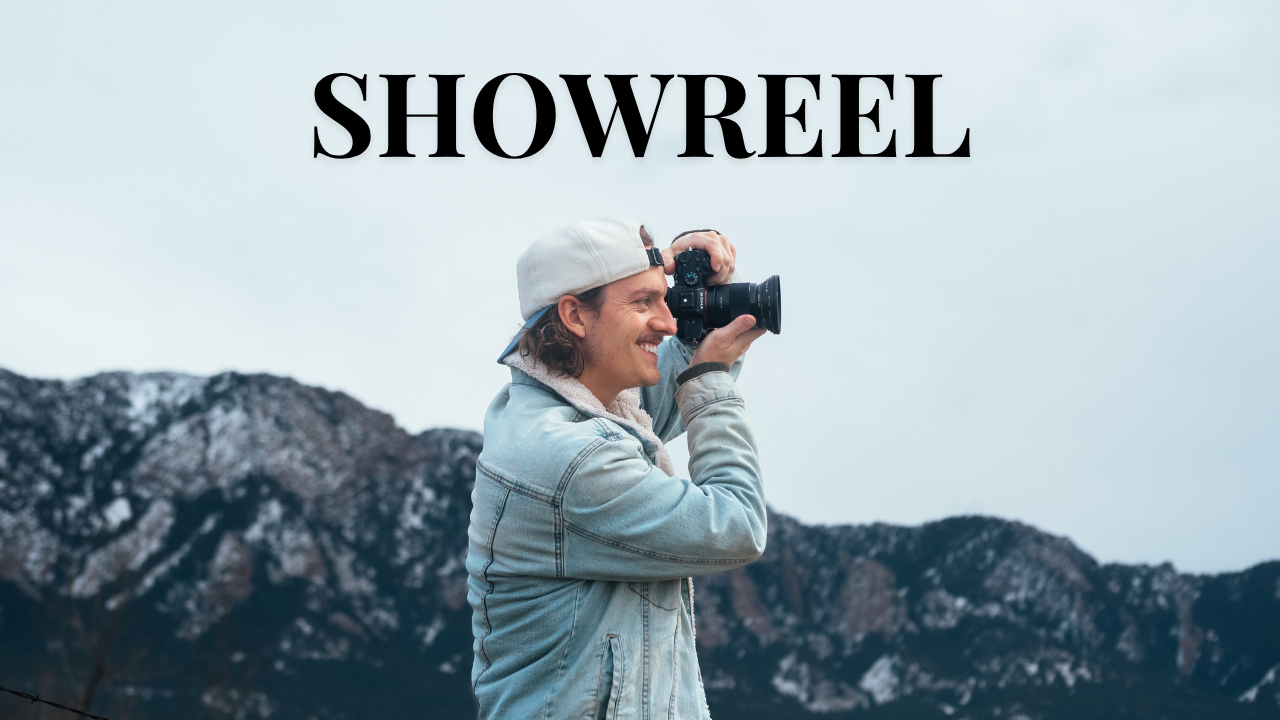
Start with something you actually want to explore
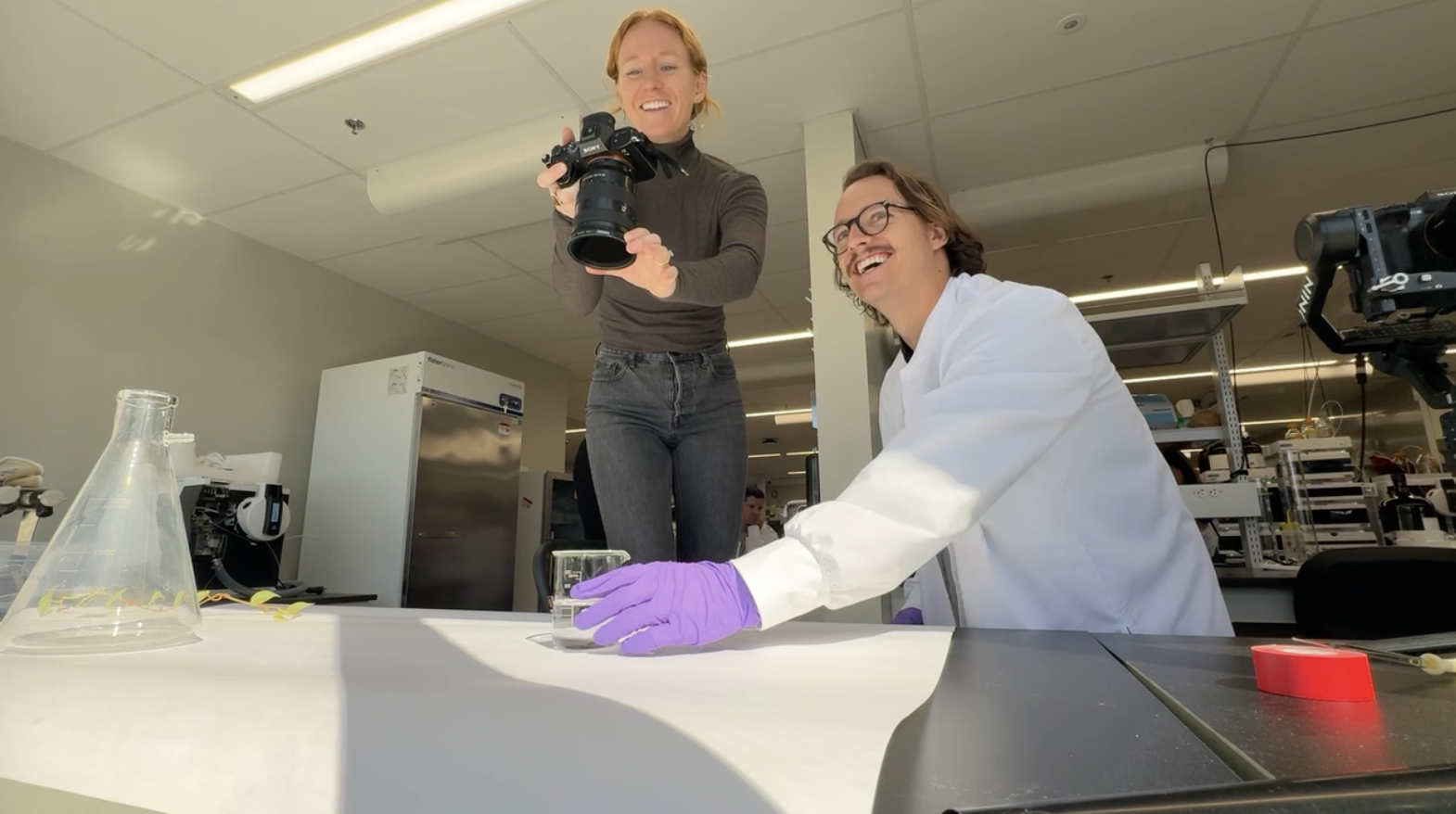
I think a good starting point is a question that makes you want to spend time with a person, visit a place or understand how something works. Curiosity gives you a reason to keep looking after the obvious images are covered. It also helps you notice when the person is showing you something more interesting than the answer you expected.
That sounds simple, but it changes the energy of a project. If the only starting point is an empty slot in a publishing calendar, the process can become a search for something to fill it. If there is a person or an idea you genuinely want to explore, the calendar becomes a way to share that interest.
There is a place for practical content. A clear explanation can be incredibly useful. A short demonstration can save someone time. The point is to know what makes this particular piece worth a viewer’s attention, even if that reason is wonderfully modest.
I like the idea of being able to finish this sentence in plain language: I want to make this because I am curious to see what happens when... The end of that sentence might involve an athlete trying something, a scientist explaining a process or a person returning to a place that matters to them. Those are different subjects, but each contains a reason to follow along.
For a brand, that curiosity should have an honest connection to the work the company does. A useful film can start with the people who make, use or care for a product. Their actual experience gives the project something firmer to stand on than a broad claim of being passionate.
For a personal project, wanting to understand something or make work with particular people can be enough to begin. The purpose may become clearer as you spend time with it. I like leaving room for that uncertainty while still taking the first attempt seriously.
Specific details give a story its fingerprints
In my behind-the-scenes account of a climbing project in Mexico, there is a point where I am waiting to film Noah and Jaidon finishing their climb. I had hiked up with a camera, water, a drone and a mango. The mango makes it into the story because it was part of the day.
It is also a pretty useful reminder of how ordinary life continues inside a big adventure. There can be a huge rock wall and a complicated filming problem, and someone still needs a snack.
A general sentence tells us a project was challenging. A specific sequence shows what the challenge looked like. We understand where someone was, what they were trying to do and which choices were available. The story becomes easier to picture because it has its own shape.
For me, memorable content often starts with a gesture or the particular way someone explains their work. A small detail that belongs to this person gives the audience something concrete to recognize. It can carry more personality than a whole paragraph telling us how interesting they are.
You can look for those details in almost any setting. In a workshop, a person might have a distinctive way of preparing their tools. In a lab, a repeated task could reveal the care behind a process. Those are possibilities to investigate, rather than scenes to invent in advance.
That distinction matters. The camera is there to discover and shape real material. If a detail feels too generic, spending more time with the people involved may be more useful than writing a cleverer line.
I want the audience to feel they have encountered someone particular, with a life that continues beyond the film. Paying attention to their habits and choices gives us a way to show that. A person becomes easier to remember when we have seen something of how they move through an ordinary afternoon.
Make room for fun before you get to the edit

It is hard to add a feeling of play after a production has squeezed every playful moment out of the day. The tone of the process has a way of showing up in the footage.
That makes me interested in how we create together. Clear communication helps. So does giving people room to contribute, being curious when an idea changes, and remembering that the people around the camera are having an experience too.
On my climbing projects with Noah, I have described the way ideas and responsibilities move between us. One person suggests a scene, the other finds a way to film it. We contribute to the project from different angles. That collaborative energy is a real part of why I enjoy working together.
Fun also means allowing the work to have a personality. A film can be thoughtful and lightly funny in the same minute. A useful article can sound like a conversation. A behind-the-scenes piece can show the slightly awkward parts of figuring something out.
There is a difference between inviting play and requiring people to perform cheerfulness. I would rather make enough space for something natural to emerge. Sometimes that means leaving a camera running a little longer. Sometimes it means putting it down and having an actual conversation.
The goal is to make an experience people can comfortably participate in. A bit of ease can travel a long way, from the production day into the finished piece.
Authentic can still look beautifully made
The word authentic can get tangled up with a particular visual style, such as handheld footage or casual speech recorded on a phone. Those choices can fit a project. I’m more interested in whether the film represents the person fairly and gives their words enough context to mean what they meant when they said them.
A carefully lit interview can be honest. A planned scene can show a real process clearly. A considered edit can preserve someone’s meaning while helping an audience understand it. Craft and sincerity have plenty of room to work together.
For me, that means giving someone a fair chance to express themselves and making sure the scene represents something they actually do. In the edit, I want to understand what we lose when we remove context. A beautifully delivered line still needs to belong to the experience the person was describing.
In commercial work, a strong creative idea can provide the structure. Documentary attention can help fill that structure with details grounded in people’s lives. The balance will look different from project to project, which is part of what makes the work interesting.
I also think audiences deserve clarity when something is constructed. A dream sequence, a playful visual metaphor or a scripted commercial can be enjoyable on its own terms. The problem comes when the work implies a real event or testimonial that the material cannot support.
There is so much freedom available without that confusion. We can make something cinematic, imaginative and emotionally engaging while being clear with ourselves and our collaborators on what we are showing.
That is the version of high-quality production I want to keep pursuing. The image can be lovely. The sound can be carefully shaped. The whole piece can feel considered, while the people at its center remain recognizable to themselves.
Give one idea enough space to become memorable
A film gets harder to follow when every sentence introduces another priority. The audience is trying to understand what matters, while the piece keeps changing its mind.
I find it useful to choose one thing I want someone to carry away. That could be an understanding of a person, a new way of looking at a process or a feeling connected to a place. It gives the edit a center.
The same applies to short content, where a complete thought can fit inside a simple sequence. We can understand what someone wants, see a moment of effort or discovery and arrive somewhere slightly different. The beginning and ending belong together because something changed along the way.
I want to respect the viewer’s time without treating attention like a race. Sometimes the kindest creative decision is to make the idea clearer. Sometimes it is to allow an image or an answer another few seconds so its meaning can arrive.
A life outside the camera gives the work more to draw from
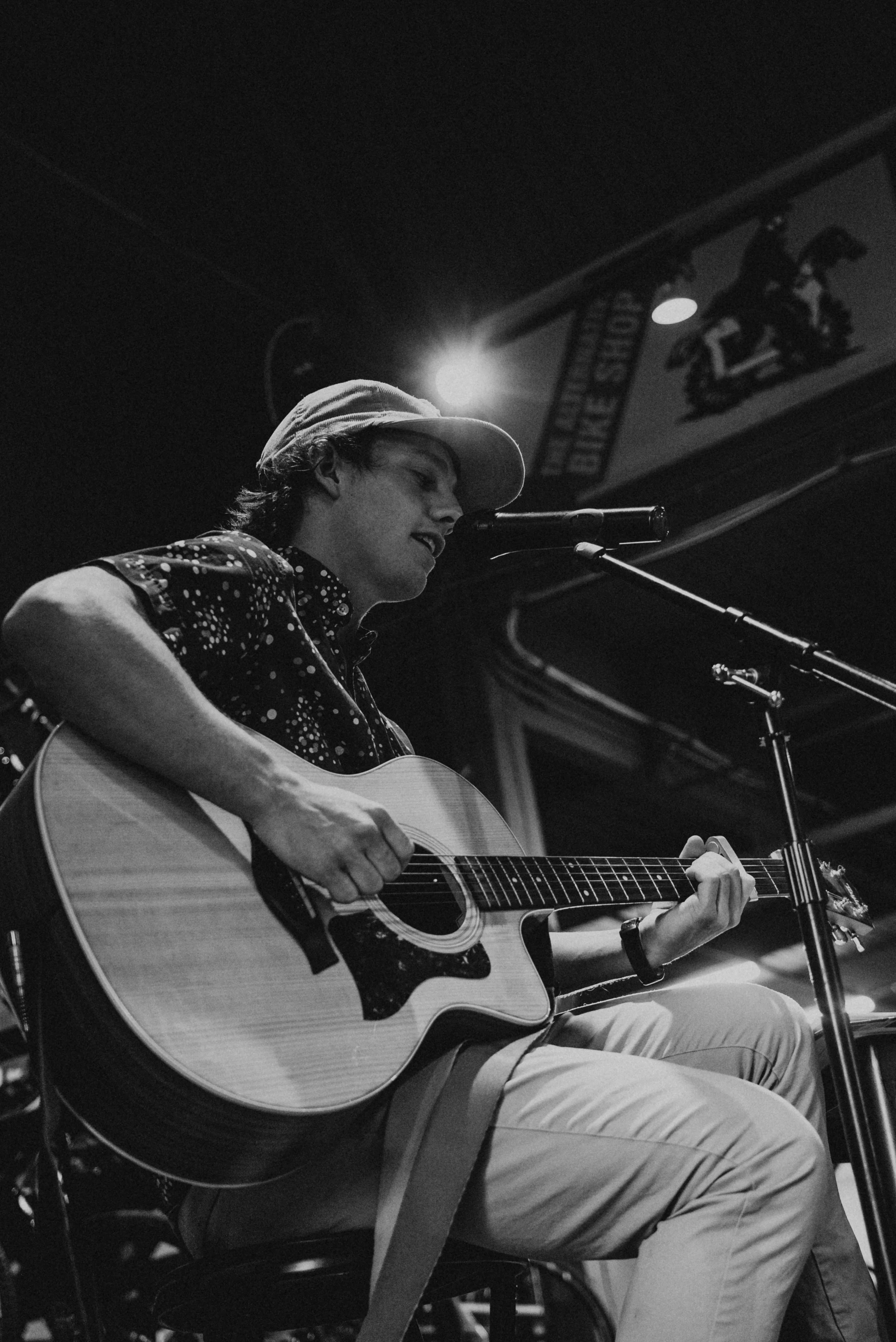
I have written before that becoming a better person matters to my filmmaking. My earlier expectation was that growth would mostly come through technical learning. Over time, I began putting more value on the things that help me connect with other people.
Reading, music and time with friends can bring me into conversations I would otherwise miss. Learning something outside my usual professional world also reminds me what it feels like to be new at something.
Those things matter in their own right. They also give me more ways to enter a conversation and recognize something interesting in another person’s life. A camera can record an answer, but curiosity is part of what helps you ask a useful question in the first place.
This is the part of making content that can be difficult to put into a tidy workflow. Time spent outside the work can still shape the work. A conversation or a song might change what you notice, without producing an immediately obvious deliverable.
There is a practical boundary here too. An experience can be worth having even if it stays off the internet. Keeping some moments for the people who are actually there feels compatible with making thoughtful films. It gives life room to be life.
When I do pick up a camera, I want there to be something specific I am excited to share. It might be a person whose way of looking at the world interests me, or a place I want to understand. That curiosity gives the work direction while leaving room for the people involved to change my mind.
I think this helps the creative process stay human. The work draws from an actual relationship with the world, rather than from a constant need to react to whatever appeared on a screen five minutes ago.
Make something you would be happy to share with a friend
A production needs a clear purpose, including who it serves, where people will encounter it and what we hope they’ll understand afterward. I work through those decisions with clients because they affect both the creative approach and the practical plan. Knowing the purpose makes it easier to judge which ideas deserve more time.
I also like a more ordinary test: would I feel good sending this to a friend? It brings the intended audience close enough that I can imagine a real response.
That question brings the work back to human scale. It asks whether there is something enjoyable, useful, surprising or moving here. It asks whether the piece gives someone a reason to spend a few minutes with it.
A view count can tell us something of reach. Other responses can tell us something different: a thoughtful message, a specific question, a conversation that carries beyond the original post. For commercial work, a relevant inquiry can matter far more than a large audience with little connection to the project.
For me, the most useful next step is spending time with people whose experience I want to understand. I can then shape the film around details that belong to them, leaving room for a bit of play as we make it. I want the finished work to carry some of the care and enjoyment that went into paying attention.
There is already so much content. I still think there is plenty of room for something with a bit of heart and a recognizable point of view.
If you have an idea that feels a little unusual, personal or hard to squeeze into a standard brief, I would love to hear it. Send me the rough version. A good conversation is a pretty lovely place to start.
Why We Should Work Together…
When I’m not on this website rambling on about filmmaking, I’m actually out there making films. From crafting memorable branded documentaries to directing and producing , I’ve got you covered. Need a filmmaker who can scale mountains or producer/director who can bring your $100k campaign to life? Let’s chat!
Let’s Connect
Roo is an Emmy nominated commercial/documentary filmmaker and photographer based in Boulder, Colorado but travels all around the world for his filmmaking career. He has directed documentaries for Patagonia in California, produced films for Outside Magazine throughout Europe and Africa, camera operated for Netflix in the Rocky Mountain West, photographed among indigenous communities in South America, and has received notable recognition in the outdoor industry for his work telling uplifting stories in the outdoor space.