
Episode 6 of the How to Film Running Masterclass
Filming running isn’t just something I do for fun. It’s one of the ways I make a living.
If you love running, filmmaking, and storytelling, there’s a real path here. Not a “get rich quick” path. A craft-first, community-driven, portfolio-built career where you get to spend time outside, make meaningful work, and eventually get paid for it.
This post breaks down the practical ways to make money as a running filmmaker: how to pick a niche, build a portfolio without clients, land paid work with athletes and brands, monetize your own platform, and build a career that doesn’t burn you out.
If you want to work with brands, grow on YouTube, or direct documentaries in the running world, this is the framework.
Part 1: Find Your Niche and Your Edge
You can’t be everything to everyone. If you want a career in this space, you need to stand for something.
Running is huge. That’s good news and bad news. Good news because there are endless stories to tell. Bad news because “running filmmaker” is still vague. People hire specialists. Specialists are easier to trust.
Start by choosing your lane:
Do you film races and events or do you focus on training and lifestyle?
Are your films solo adventures or community-driven?
Is your tone gritty, polished, poetic, humorous, observational, real-time, or cinematic?
Are you most interested in fast-turn social content or slow-burn story films?
None of these is “right.” The mistake is trying to do all of them at once.
Your edge is the overlap between:
what you’re genuinely obsessed with,
what you’re good at, and
what people will pay for.
My personal edge is simple: I don’t just shoot running. I tell stories about why people run. That single shift—motion to meaning—changes who your work attracts. It pulls in brands that care about emotion. Athletes who want to be seen as humans. Viewers who want to feel something.
The most important line in this whole post is this:
Start by making the projects you want to be hired to make.
If you want to get hired for lifestyle running films, don’t only post race recaps. If you want to direct poetic documentaries, don’t only post gear montages. Your future clients are watching your current work as a preview of what they’ll get.
Part 2: Build a Portfolio Without a Client
Before anyone pays you, you have to show them what you can do.
That’s not gatekeeping. It’s how creative careers work. The portfolio comes first. The money follows.
Here’s the fastest way to build a running filmmaking portfolio without waiting for permission:
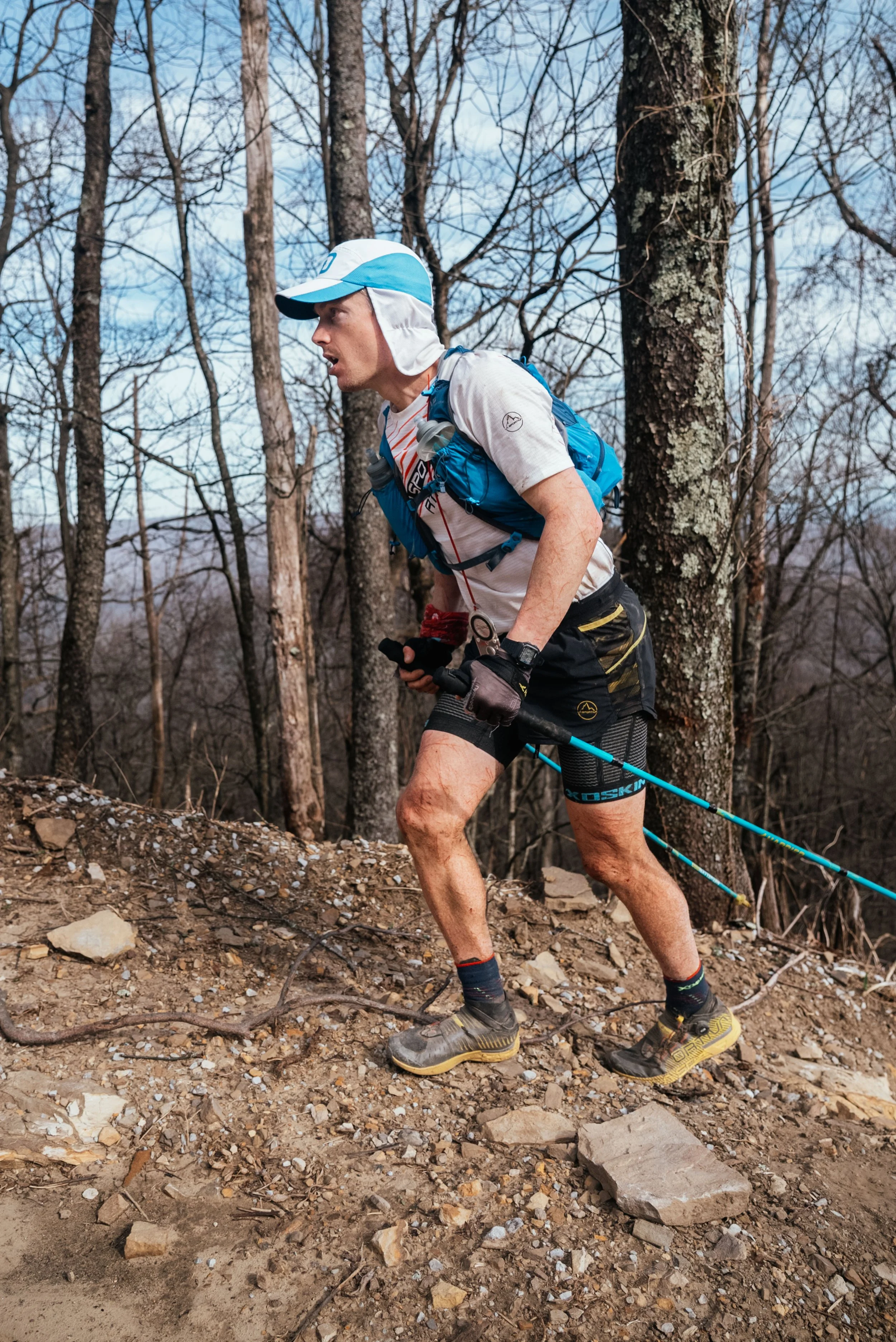
Make spec work
Spec work is unpaid work that looks like paid work. A short branded-style film with a clear story arc, even if there’s no client attached.
A good spec running film has:
a clear idea (one sentence)
a visual plan (wide/medium/detail, movement variety)
sound design (breath, footsteps, texture)
a beginning, middle, and end
It doesn’t need to be long. Honestly, 30–90 seconds is plenty if it’s intentional.
Collaborate with runners and small brands
Local runners, clubs, coaches, stores, races, and small brands are your training ground. They’re not “less than.” They’re the community that builds your career.
Reach out with something specific:
“I want to make a 60-second film about your training routine.”
“I want to create a mini-doc about your first ultra.”
“I want to shoot a short promo for your run club.”
When you collaborate early, you build relationships that grow with you. Some of the work I get hired for now came from projects I made for free first.
Post consistently where your work lives best
Consistency doesn’t mean posting daily. It means building a home for your work and showing up regularly enough that people start to remember you.
The best places for running filmmakers tend to be:
a website with clean portfolio pages (for clients)
YouTube (for trust and depth)
Instagram/Reels (for discovery and proof)
You don’t need to do everything at once. Pick one platform to grow and one platform to convert.
Part 3: The Real Ways Running Filmmakers Make Money
A sustainable career usually comes from multiple income streams, not one perfect client.
Here are the most practical paths.
1) Work with athletes

Athletes need content constantly. Sponsors want deliverables. Training cycles and races create natural story arcs.
Paid deliverables you can offer:
Personal highlight reels (training, race, lifestyle)
Sponsorship deliverables (sponsor clips, testimonials, product use)
Race day recaps from the athlete’s perspective
Mini-documentaries (injury comeback, first ultra, identity shifts)
A smart tip here: work with athletes who have multiple sponsors. One strong relationship can lead to multiple content needs and more exposure.
2) Cover races and events
Race organizers have a recurring need: content that helps them sell next year’s race. That’s marketing. That’s budget.
Services you can sell:
Event recap films
Athlete spotlights
Sponsor content (separate deliverables for partners)
Fast-turn social reels
Live coverage or same-day edits (higher price if you can deliver)

Event work becomes more profitable when you package it well. Instead of selling one recap video, sell a content bundle:
one hero recap
five short reels
three sponsor clips
two athlete features
You’re not just filming a race. You’re solving marketing.
3) Collaborate with brands
This is where the budgets can grow, especially if you position yourself as a storyteller rather than a camera operator.
Brands need:
product launches
lifestyle storytelling
social campaigns
athlete features
brand documentaries
The mistake is pitching “I can film your shoes.” The better pitch is:
“I can tell a story that makes people feel what your product supports.”
If you can combine emotion, movement, and message in a short running film, you move from vendor to creative partner. That’s how you get repeat work.
Start building relationships with marketing teams. Learn what they’re judged on: performance, deadlines, clarity, consistency. The more you can make their job easier, the more valuable you become.
4) Monetize your own platform
This is the long game and the most freeing game.
If you build an audience around running filmmaking, you can monetize through:
YouTube ad revenue
affiliate links (gear you actually use)
digital products (LUTs, presets, templates)
courses (exactly what this masterclass is)
workshops or communities
The key is a niche audience. You don’t need millions of viewers if the viewers are the right people.
If your channel attracts runners, filmmakers, and outdoor brands, your monetization options become clean and aligned.
5) Sell stock footage
This is not glamorous. It’s also real money if you treat it like a system.
Stock that sells tends to be:
well-lit
stabilized
cleanly framed
diverse (locations, seasons, runners, angles)
usable for ads (not overly stylized)
Great stock categories for running:
trail running b-roll
scenic routes (wide landscapes)
training sessions (warmups, drills)
lifestyle beats (lacing shoes, hydration, recovery)
Think of stock as passive income from shoots you’re already doing.
6) Offer education
If you’ve built real experience, you can teach it.
Education paths include:
in-person workshops
virtual workshops
mentorship programs
speaking engagements
consulting for brands creating content internally
The key is specificity. “Filmmaking coaching” is broad. “How to film and edit running content” is concrete.
7) Diversify with related projects
You can stay anchored in running while expanding into adjacent outdoor work:
cycling
hiking
skiing
climbing
general outdoor lifestyle campaigns
Diversifying reduces dependency on one niche and can keep your calendar full without diluting your identity. Running can remain your signature, not your limitation.
Part 4: Sustainability and Career Longevity
This job can burn you out if you let it.
Running + filmmaking is physical. Editing is intense. Client work can pile up. Social media can make you feel behind even when you’re doing fine.
Here’s what keeps this sustainable for me:
Don’t say yes to everything
Early on, you say yes to learn. Later, you say no to protect your energy and your taste.
Plan your year around your own projects
Your personal films are not a hobby. They’re your future. Make space for them.
Stay in shape
This sounds obvious, but it matters. If you’re filming running, you’re carrying gear, moving fast, hiking, and working long days. Take care of your body. It’s part of your kit.
Build a community
Athletes, filmmakers, creative peers. People who understand the work. Community keeps you grounded and it creates opportunity naturally.
Shooting trail running for a living is awesome. If you’re not careful, you’ll end up doing it in ways that drain the joy out of it. Protect the joy. That’s the fuel.
Closing Thoughts
Being a running filmmaker is one of the most fulfilling things I’ve ever done.
You get to tell stories about effort, emotion, and the beauty of the outdoors. You get to work with athletes who are chasing something real. You get to make films that feel like breath and dirt and sunlight.
But it takes time. Intention. Consistency.
Start small. Build with purpose. Don’t wait for permission to make your first great film.
Over these seven episodes, we’ve gone from golden hour trail shoots to gear to gimbals to planning to editing, all the way to building a career out of it.
Now go make something. Even if it’s messy. Even if it’s solo. Especially if it’s honest.

Why We Should Work Together…
When I’m not on this website rambling on about filmmaking, I’m actually out there making films. From crafting memorable branded documentaries to capturing stories and products that move people, I’ve got you covered. Need a filmmaker who can scale mountains, brave the surf, or just tell a dang good story? Let’s chat!
In case I haven’t convinced you, here are three reasons why it might be fun to work together…
I believe in stories that stick with you - like campfire smoke on your clothes. The kind that makes you laugh, cry, or immediately want to call your mom.
I’m just as comfortable at 14,000ft as I am in front of a timeline. You get me in the mountains, in the ocean and in the editing room, making sure the magic out there really shines in the final cut.
I’ve filmed in some pretty wild places, but the best stories are the ones that bring people together. It’s those shared moments -big or small - that remind me why I love what I do.

Let’s Connect
Roo is an Emmy nominated commercial/documentary filmmaker and photographer based in Boulder, Colorado but travels all around the world for his filmmaking career. He has directed documentaries for Patagonia in California, produced films for Outside Magazine throughout Europe and Africa, camera operated for Netflix in the Rocky Mountain West, photographed among indigenous communities in South America, and has received notable recognition in the outdoor industry for his work telling uplifting stories in the outdoor space.