
How to Film Running - The Ultimate Guide to Filming Running
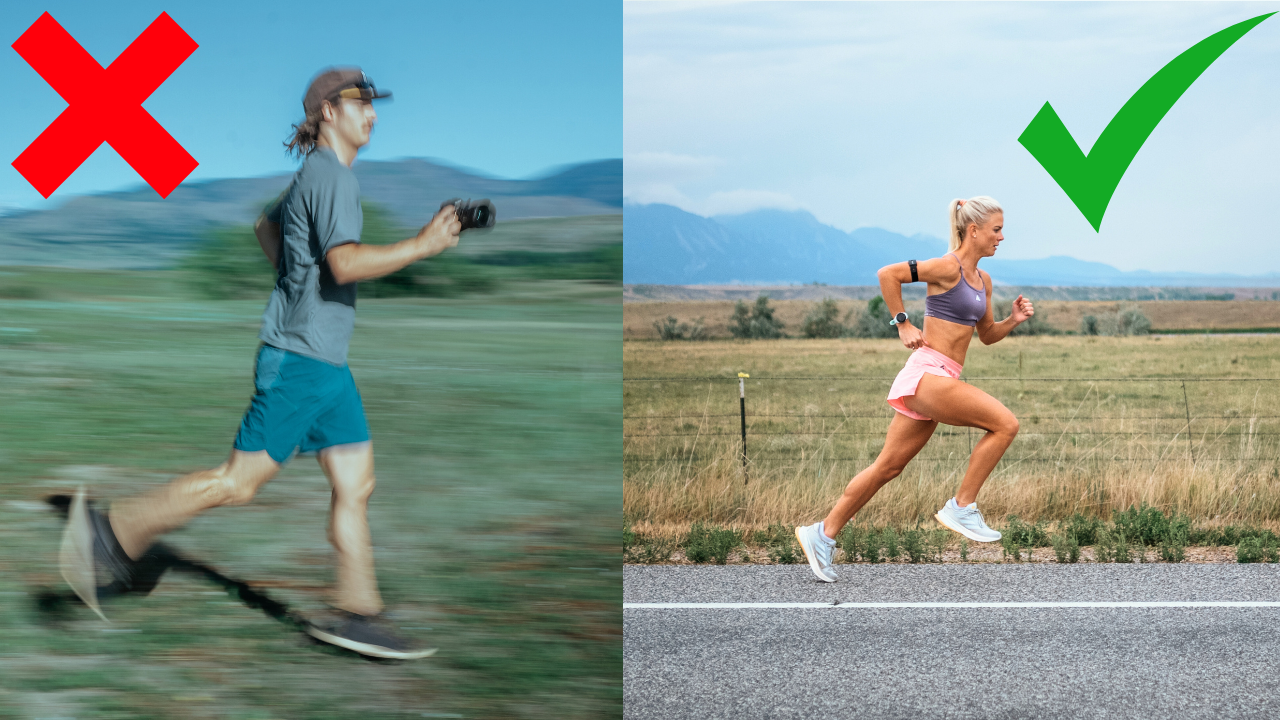
Running looks simple. One foot in front of the other. Forward motion. Repetition. Rhythm.
Filming it well is anything but.
I’ve filmed runners on roads, trails, ridgelines, snowfields, deserts, and city streets. I’ve chased athletes in training, documented race days, and built brand campaigns around movement that lasts only a few seconds at a time. And the thing I’ve learned most clearly is this: running is one of the hardest sports to film convincingly.
This guide breaks down how to film running in a way that feels cinematic, emotional, and alive, not stiff, slow, or generic. It’s written for filmmakers, photographers, and directors who want to understand why running is difficult to capture and how to approach it with intention.
Whether you’re filming trail running, road running, or ultra-distance athletes, the fundamentals remain the same. You’re not just recording motion. You’re translating effort, rhythm, and inner experience into images.
What Makes Running Hard to Film
At first glance, running seems straightforward. There’s speed. There’s repetition. There’s a clear direction of travel. But those same qualities are exactly what make it challenging.
Running creates constant forward momentum, which means the subject is almost always moving away from you, toward you, or past you. Unlike sports with frequent pauses or defined play zones, running rarely gives you time to reset, reframe, or rethink a shot mid-action.
There’s also the issue of scale. A runner alone on a trail can feel small, even insignificant, if filmed incorrectly. On the flip side, tight shots without context can feel disconnected and generic. Balancing intimacy and environment is one of the core challenges of running cinematography.
Then there’s repetition. Every stride looks like the last one. Without intentional variation in angle, pacing, and framing, running footage quickly becomes visually monotonous. This is why so many running videos blur together online. They show motion, but they don’t communicate experience.
Finally, running exposes mistakes. Poor camera movement, sloppy focus, incorrect shutter choices, or uninspired framing are immediately obvious when the subject is moving continuously. There’s nowhere to hide.
The Difference Between Filming Running and Other Sports
If you’ve filmed skiing, surfing, climbing, or cycling, you might assume those skills transfer cleanly to running. Some do. Many don’t.
Most sports offer moments of stillness or compression. A skier stops at the top of a line. A climber rests at a stance. A surfer waits between sets. These pauses allow you to build tension visually.
Running doesn’t stop.
That means your filmmaking approach has to shift. You can’t rely on single hero moments or dramatic peaks. Instead, running films succeed when they embrace rhythm. The cadence of footsteps. The rise and fall of breath. The subtle changes in posture as fatigue sets in.
Running is also uniquely internal. The most important moments are often happening inside the athlete’s head, not in their external movement. This is why filming runners requires a stronger emphasis on storytelling than pure action coverage.
If you approach running like an action sport, you’ll end up with footage that feels impressive but hollow. If you approach it like a documentary about human effort, it starts to click.
Camera Movement vs Runner Movement
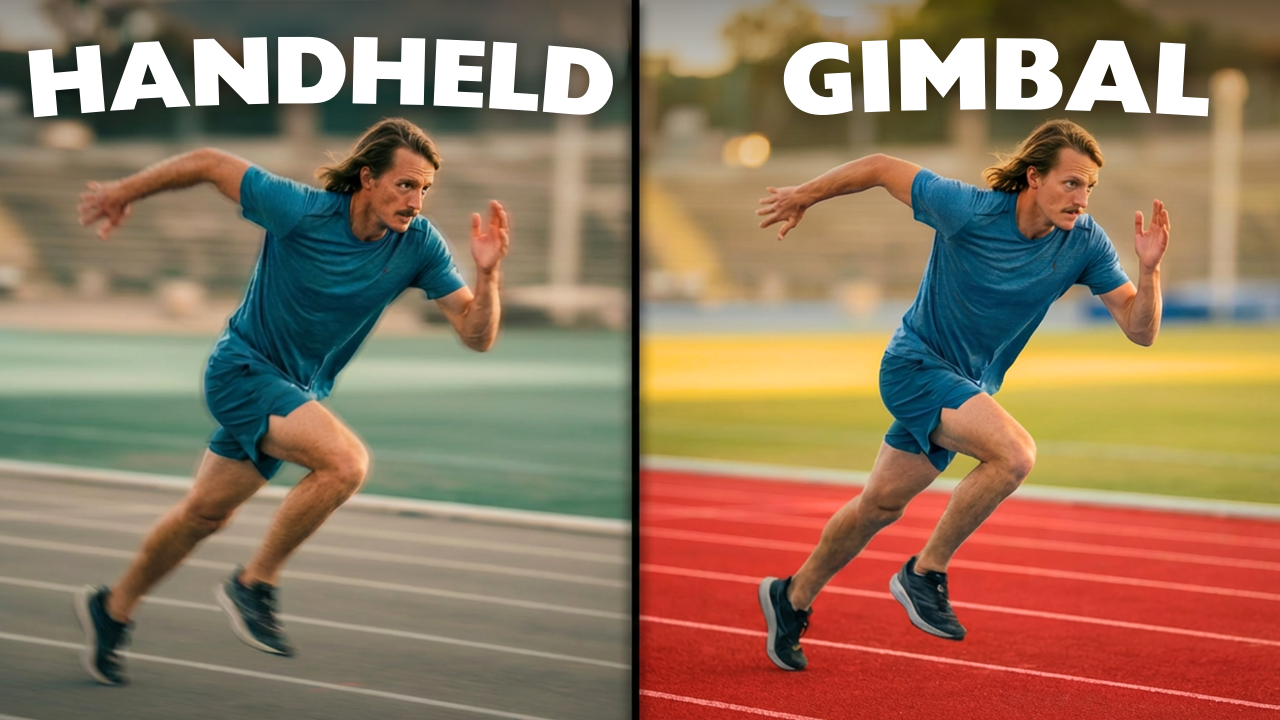
One of the most common mistakes in filming running is trying to match the runner’s movement too literally.
When both the camera and the subject are moving aggressively, the result often feels chaotic or overly “produced.” Smoothness matters, but so does restraint.
The goal isn’t to eliminate motion. It’s to choose where the motion lives.
Sometimes the runner moves and the camera stays still. This creates a sense of speed and direction. Other times, the camera moves while the runner holds a consistent position in frame, creating intimacy and connection. The mistake is trying to do both at once without intention.
Handheld footage can work beautifully for running when it reflects effort rather than instability. A slight natural sway can communicate breath and fatigue. Overcorrecting with heavy stabilization often strips away that feeling and makes the footage feel synthetic.
The best running cinematography treats camera movement like punctuation. Used sparingly. With purpose. Never just because you can.
Story First, Not Just Form
Good running form is visually appealing. Clean posture. Relaxed arms. Light footstrike.
But form alone doesn’t make a compelling film.
If you want your running footage to resonate, you have to decide what the story actually is. Training for something. Returning from injury. Finding rhythm in solitude. Pushing through discomfort. Running as meditation. Running as rebellion. Running as joy.
Once you know the story, every technical decision becomes easier.
You stop asking “What’s the coolest shot?” and start asking “What does this moment need?”
A runner tying their shoes can matter more than a perfect slow-motion stride. Heavy breathing at the end of a climb can communicate more than a drone shot ever will. The quiet moments before a run often carry more emotional weight than the run itself.
This is where running filmmaking separates itself from generic sports content. The goal isn’t to show that someone runs. It’s to show why they run.
Gear Overview
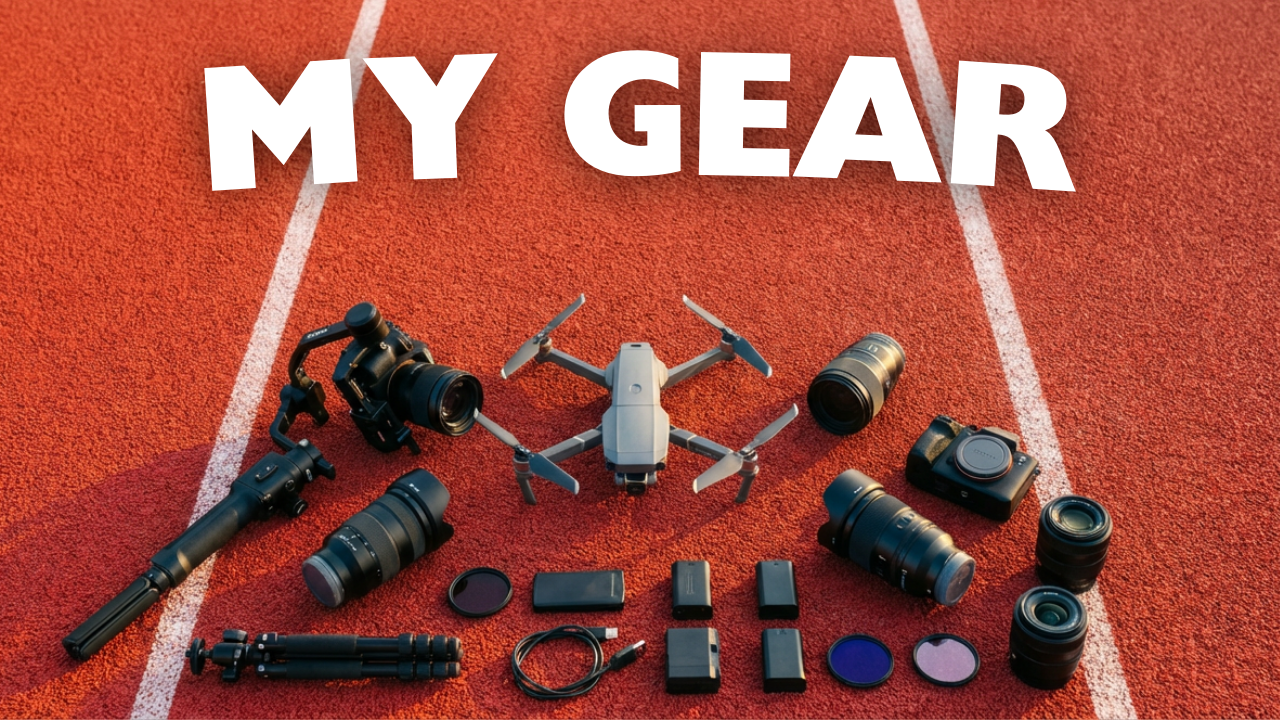
Gear matters, but less than most people think.
A lightweight, reliable camera you can move with will always outperform a heavier setup you hesitate to deploy. Autofocus that can track faces and eyes helps, but knowing when to let focus fall off matters more.
Lenses that allow you to work close without distortion and far without compression extremes tend to be the most useful. Audio matters more than expected. Footsteps, breath, wind, and ambient sound ground running footage in reality.
I’ll break gear choices down in detail in dedicated posts, but the takeaway is simple: choose tools that keep you present, not tools that slow you down.
Filming Road Running vs Trail Running vs Ultra Running
Not all running is filmed the same way, and treating it as one category is a fast way to end up with footage that feels off.
Each discipline carries a different emotional texture, pace, and visual language. Understanding those differences is key to strong running cinematography.
Filming Road Running
Road running is controlled. Predictable. Often solitary, even in groups.
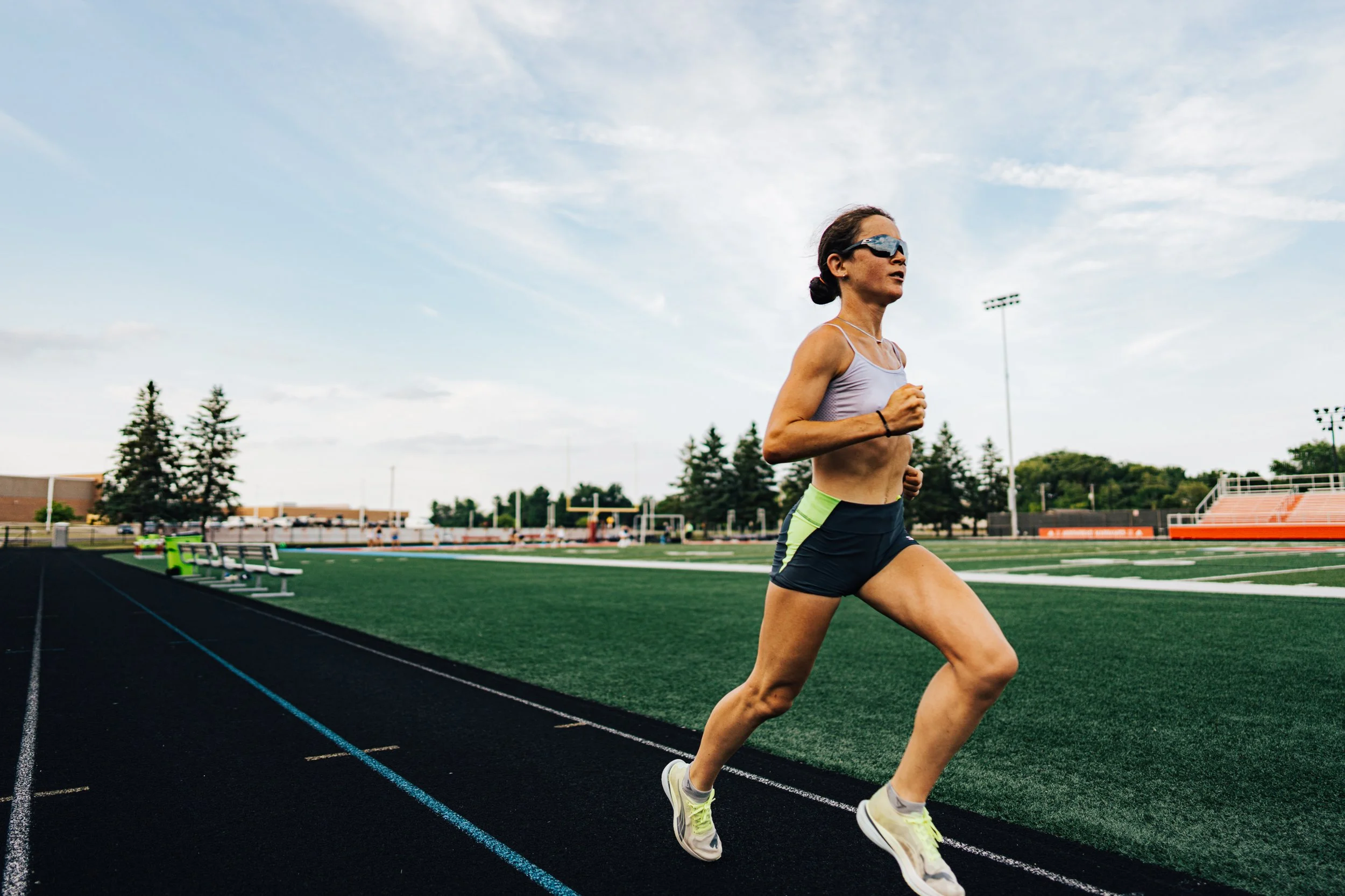
Visually, this means repetition is your biggest enemy. Straight lines, consistent cadence, and uniform surfaces can quickly flatten your footage if you aren’t intentional.
When filming road runners, lean into:
Rhythm over chaos
Graphic composition like leading lines, shadows, and symmetry
Micro-variations in stride, breath, and expression
Road running films benefit from cleaner frames and longer takes. Lock-offs, slow push-ins, and lateral movement often work better than aggressive chase shots. The emotional story tends to live in discipline, routine, and internal dialogue rather than spectacle.
Urban environments add another layer. Crosswalks, early morning light, empty streets, and traffic noise can all support a narrative about commitment and repetition if you let them.
Filming Trail Running
Trail running introduces unpredictability, and that’s a gift.
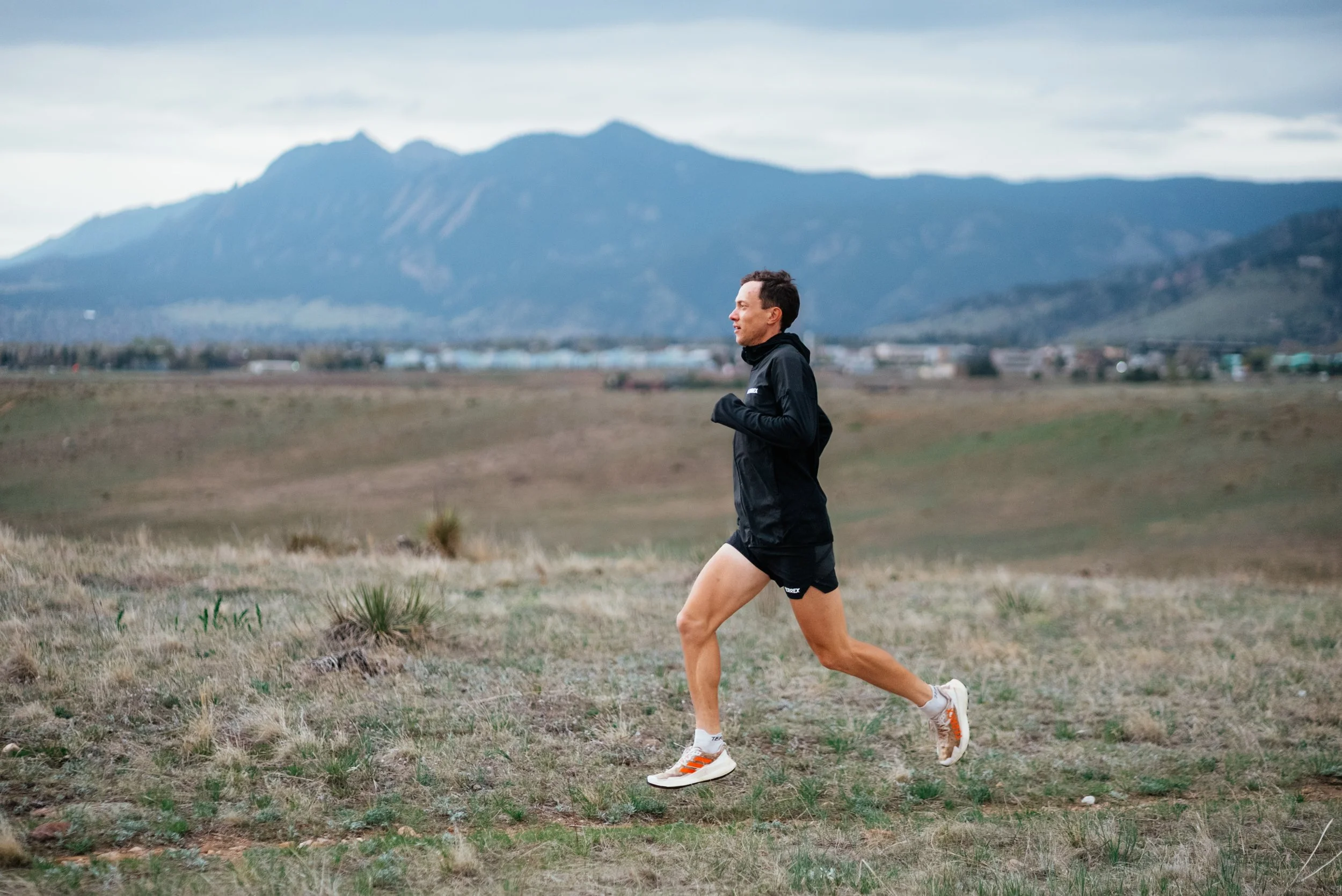
Terrain changes constantly. Light shifts. The runner reacts to roots, rocks, climbs, and descents. This gives you visual variation for free, but it also demands more awareness as a filmmaker.
Trail running cinematography works best when you:
Let the environment share the frame
Vary focal lengths frequently
Embrace elevation changes and imperfect movement
Trail footage should feel alive. Slight camera shake, changing light, and uneven pacing often enhance the experience rather than detract from it. The goal is not perfection. It’s presence.
One mistake filmmakers make here is overusing wide shots. Landscapes are powerful, but without proximity, the runner disappears emotionally. Alternate between scale and intimacy. Let the audience feel both the size of the terrain and the effort required to move through it.
Filming Ultra Running
Ultra running is less about speed and more about time.
Fatigue, resilience, doubt, and persistence become the story. The visuals need to slow down to match that reality.
When filming ultra-distance running:
Prioritize faces and body language
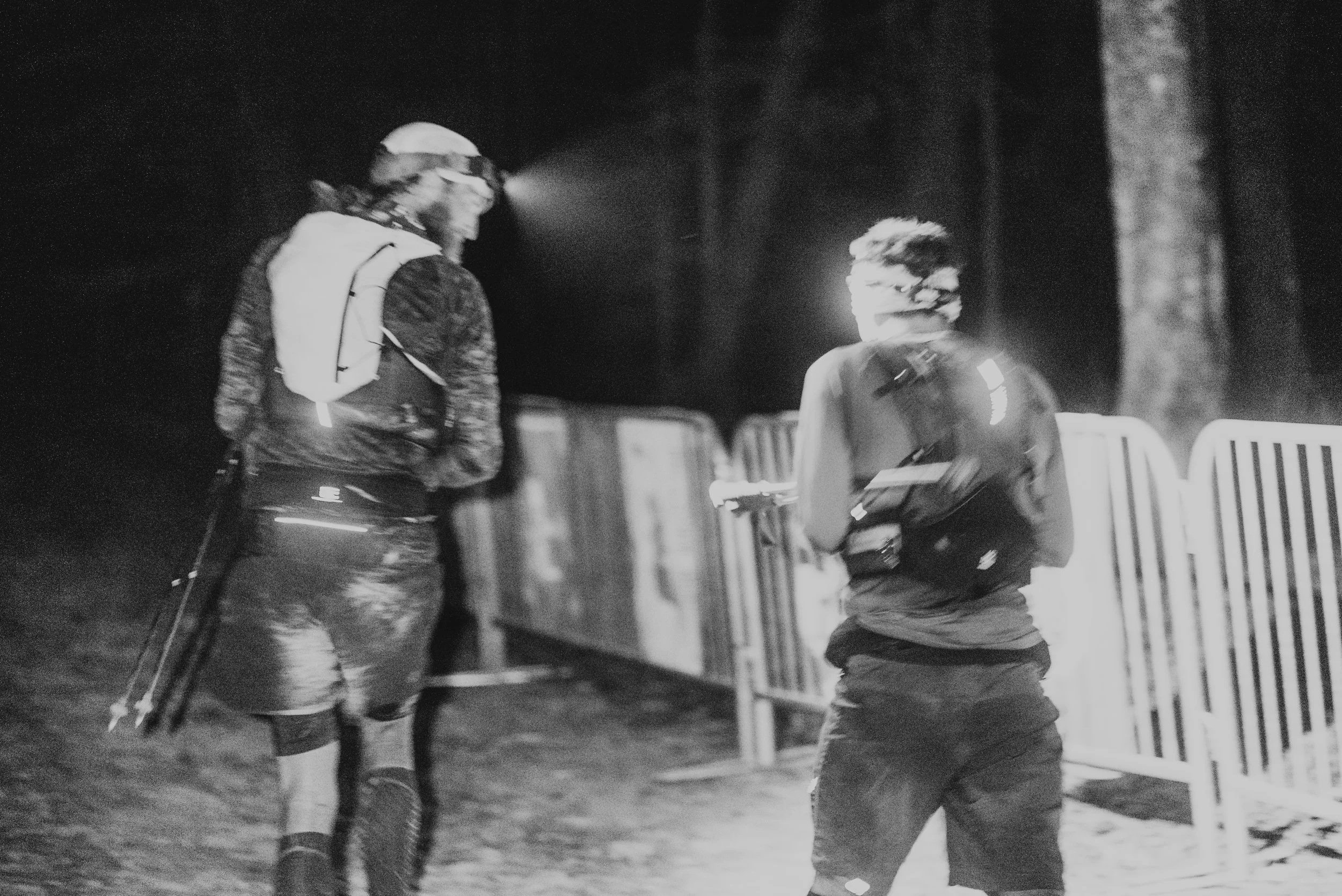
Capture transitions: aid stations, gear changes, pauses
Let moments breathe
This is where observational filmmaking shines. You don’t need constant motion. Stillness becomes meaningful. A runner sitting down. Staring at the ground. Laughing through exhaustion.
Ultra running films often fail when they try to make the sport look fast. Instead, they should make it feel long.
Common Mistakes When Filming Running
Even experienced filmmakers fall into predictable traps when shooting running. Avoiding these alone will instantly improve your work.

Making Runners Look Slow
This usually comes down to camera placement and lens choice.
Filming head-on with a long lens compresses motion and kills speed. Shooting from behind without foreground elements removes visual reference. Overusing slow motion drains energy.
Speed is communicated through parallax, foreground movement, and changing scale. If nothing in the frame is moving relative to the runner, the footage will feel static, no matter how fast they’re actually going.
Over-Stabilizing Everything
Stabilization has its place, but when every shot is perfectly smooth, running footage can feel sterile.
Running is effort. Effort includes instability.
Let the camera breathe. A little movement reminds the viewer that a human is behind the lens, keeping up, reacting, and adjusting. That shared effort creates connection.
Chasing Instead of Anticipating
Following a runner reactively almost always results in rushed framing and missed moments.
Strong running filmmakers move ahead of the athlete mentally. They anticipate where effort will show. Where posture will break. Where the terrain will force adaptation.
This means scouting routes, understanding pacing, and communicating with the runner ahead of time. The best shots often come from being ready before something happens.
Treating Running Like B-Roll
Running isn’t filler. It’s the story.
If you only film running as connective tissue between interviews or voiceover, it will feel secondary. The audience will feel that.
Let running moments carry narrative weight. Let silence exist. Let footsteps and breath tell the story without explanation.
How Brands Should Think About Running Films
Most running brand content looks polished, aspirational, and forgettable.
The problem isn’t production value. It’s intent.
Brands often focus on:
Perfect form
Ideal conditions
Peak performance moments
What audiences connect with are:
Process
Struggle
Imperfection
Motivation
Running films work best when they respect the viewer’s intelligence. When they don’t over-explain. When they don’t rely on hype language. When they allow space for interpretation.
A good running filmmaker doesn’t just make athletes look fast. They make running feel meaningful.
For brands, this means trusting quieter moments. Letting training matter as much as race day. Showing runners as people first, athletes second.
Examples From My Own Work
Every running project I’ve worked on has reinforced the same lesson: the footage that feels most important on paper is rarely what carries the film.
It’s the unscripted moments. The breath before a climb. The pause to retie a shoe. The look between effort and doubt.
I’ve chased shots that looked incredible technically and left them on the cutting room floor because they didn’t serve the story. I’ve also built entire sequences around imperfect, handheld moments because they carried emotional truth.
Running filmmaking rewards restraint. It rewards patience. It rewards filmmakers who listen more than they direct.
Running Cinematography as a Long-Term Niche
If you want to become known as a running filmmaker, consistency matters more than any single film.
Running is a sport built on repetition, and the same is true of filming it well. You don’t master running cinematography by nailing one perfect shoot. You build it by returning to the same ideas over and over, refining your eye, and developing a point of view.
What separates a specialist from a generalist is not gear or access. It’s familiarity. Knowing how runners move when they’re fresh versus tired. Understanding how pace changes on climbs. Anticipating when form will break down. Recognizing when someone is running for joy versus obligation.
These are things you only learn by spending time with the sport.
From an SEO and positioning standpoint, this matters too. When you write, film, and publish consistently about running, Google, brands, and athletes all start to associate your name with that niche. You don’t need to say “running filmmaker” once. You demonstrate it over time.
Why Consistency Beats Viral Moments
A single high-performing running video might get attention. A body of work builds trust.
Running audiences are skeptical. They can tell when something is surface-level. They know when a filmmaker doesn’t actually run or hasn’t spent time with the culture. Authenticity isn’t about credentials. It’s about observation.
Consistent running filmmaking allows you to:
Develop visual language
Refine pacing instincts
Build thematic continuity
Earn credibility organically
From a storytelling standpoint, repetition allows nuance. You stop chasing novelty and start exploring depth. From a business standpoint, it makes you easier to hire. Brands don’t have to guess what you’ll deliver. They already know.
This is especially important if you want to work with running brands, endurance athletes, or campaigns built around long-term narratives rather than one-off content.

Positioning Yourself as a Running Filmmaker
If you want to attract work as a running filmmaker, your positioning should be quiet and confident.
Avoid trying to be everything. You don’t need to film every sport equally. You don’t need to brand yourself as a “sports filmmaker” if running is where your insight lives.
Instead:
Write about running regularly
Share behind-the-scenes process from running shoots
Explain why you make certain creative choices
Let your understanding show naturally
When someone lands on your site and sees multiple articles about how to film running, running cinematography, filming trail running, and working with runners, the positioning does the work for you.
You’re no longer pitching yourself. You’re being discovered.
Common Questions Filmmakers Ask About Filming Running

Over time, a few questions come up repeatedly when people start focusing on running filmmaking.
Do I need to be a runner to film running?
No. But it helps.
You don’t need elite fitness or race results. You do need empathy. Understanding what effort feels like changes how you frame it. Even casual running builds awareness of breath, cadence, and fatigue that shows up in your work.
Is running too visually repetitive to sustain interest?
Only if you let it be.
Running is repetitive physically, but emotionally it’s dynamic. Confidence, doubt, frustration, calm, joy, and determination all surface over time. Your job is to notice those shifts and translate them visually.
Is running filmmaking commercially viable?
Yes, especially when paired with high-quality storytelling.
Running brands increasingly value authenticity and long-term narratives. Athletes want representation that feels human. Media outlets want stories that go beyond race results. If you can bridge performance and emotion, there is real demand.
Final Thoughts on Filming Running
Running doesn’t need to be made cinematic. It already is.
The challenge is learning how to see it.
When you stop trying to impress and start trying to understand, the footage changes. When you let go of perfection and embrace effort, the story deepens. When you prioritize meaning over movement, the work lasts.
Filming running well is less about chasing athletes and more about staying curious. Curious about why people run. Curious about what effort reveals. Curious about how motion shapes identity.
If you approach running filmmaking with patience, respect, and intention, it becomes one of the most rewarding subjects you can work with.
And if you commit to it long-term, it can become a niche you truly own.
Let’s Connect!
If you have a video project you need help bringing to life, feel free to reach out :)
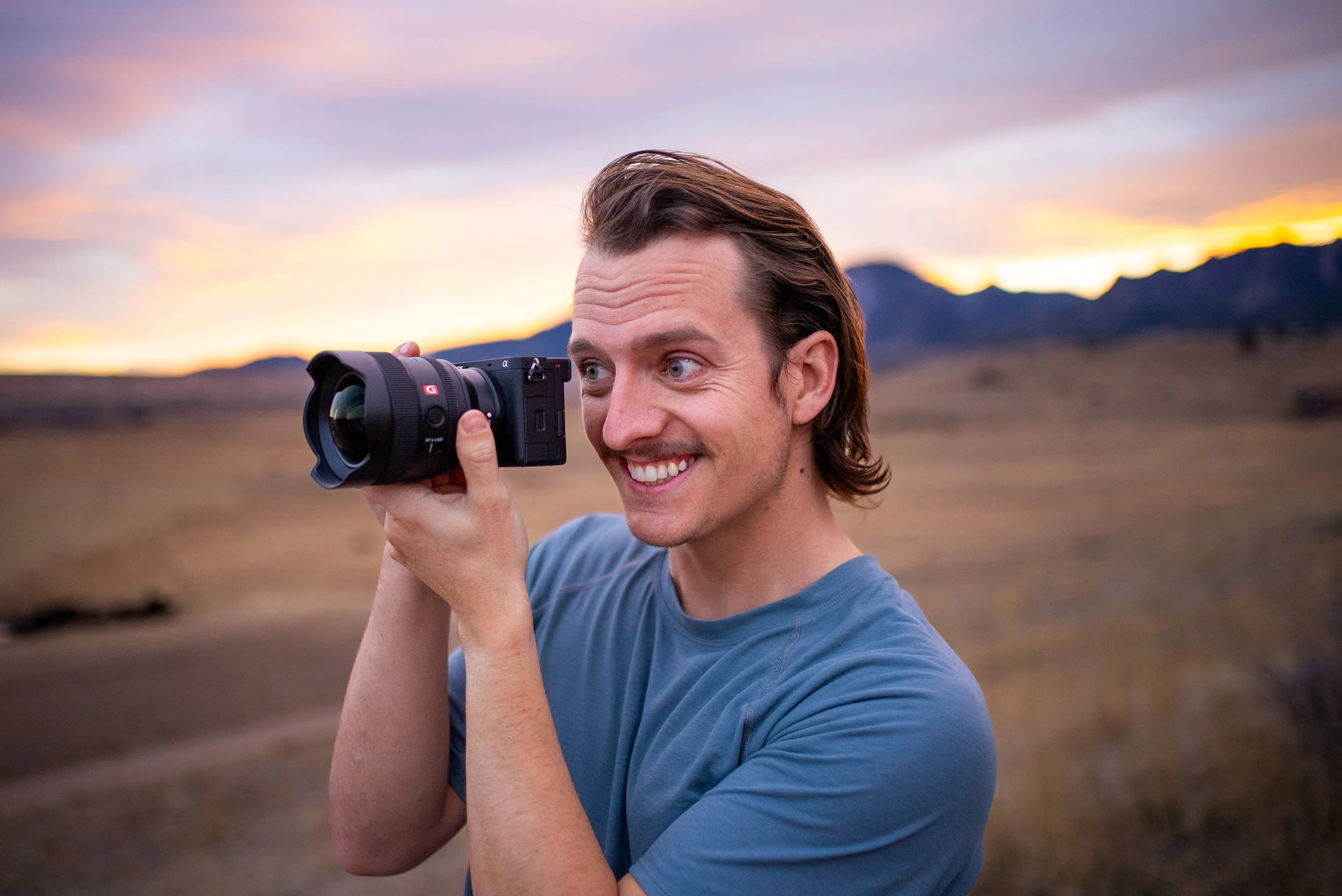
Roo is an Emmy nomimated commercial/documentary filmmaker and photographer based in Boulder, Colorado but travels all around the world for his filmmaking career. He has directed documentaries for Patagonia in California, produced films for Outside Magazine throughout Europe and Africa, camera operated for Netflix in the Rocky Mountain West, photographed among indigenous communities in South America, and has received notable recognition and awards in the outdoor industry for his work telling uplifting stories in the outdoor space.