
There’s a popular idea in filmmaking and photography that real moments only count if you don’t touch them.
If you don’t direct or intervene and just show up to the most beautiful moments, then you can capture authenticity.
But, I’m here to challenge that idea that authenticity can’t be curated.
My home is truly authentic to me and my wife. My custom surfboard hangs above my fireplace beckoning for adventure. My wife’s stain-glass art hangs from our windows showing her creativity. Our kitchen is full of whole food, plant based ingredients. It’s true to who we are and how we live our life - but it is very carefully curated.
In storytelling (photo/video/writing), I used to believe that authenticity was something you either captured or destroyed.
If you directed too much, you crossed a line and the work became manufactured. If it was overproduced, it was fake.
So I tried to stay out of the way.
I’d show up, roll cameras, and wait. Give people space and let things happen naturally.
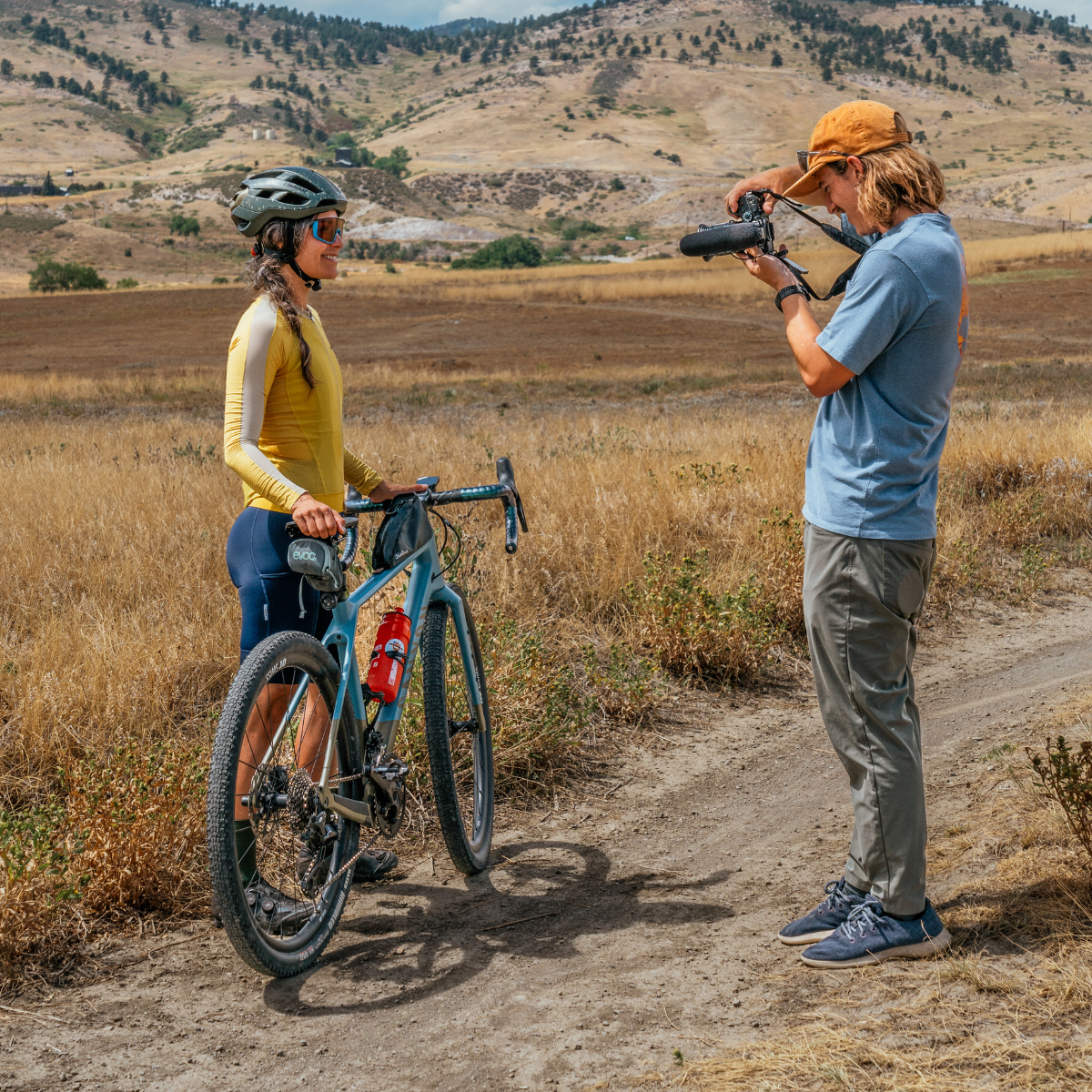
What actually happened was a lot of standing around.
People don’t relax just because you tell them to be themselves. They get stiff, they overthink, they look for cues and when you don’t offer it to them things get awkward pretty quick. Real life doesn’t suddenly get cinematic because you’re observing it from afar.
That was the first lesson.
The second came once I started working on commercial projects where “waiting for magic” wasn’t an option. There were timelines, locations, budgets, and expectations. Clients needed moments that told a story clearly and consistently.
Here’s the part I don’t totally love admitting:
Most of the films in my portfolio are pretty carefully manufactured.
They’re often heavily directed - whether in-person or in the editing room.
They just don’t look like it! Truly, check them out here.
Take this clip of me and my dog walking in the mountains of Colorado this fall as a smaller example. Yes, it’s real but I set up a camera, walked back and forth a few times until I liked it. Then, it was color graded, and posted to Instagram with a song I enjoyed…
Early on, I thought directing meant control.
I gave precise instructions to manufacture exact movements. Get the shot, move on.
That kind of direction showed and I believe audiences can spot it instantly. People look like they’re doing something instead of living it.
What I do now is a bit more gentle.
I spend more time setting conditions than giving commands. Choosing the right environment. Paying attention to light, timing, and energy. Putting the right people together. Creating enough structure so no one feels lost, then backing off.
You decide where to start and (hopefully) know where you’re roughly headed but what happens in-between is the truly authentic moments.
Those in-between moments are where documenting and directing stop being opposites.
True documentary work isn’t directionless. It takes a lot of practice to pull on the right threads that make a story cohesive. Direction in documenting authentic moments is knowing when not to interfere.
On a similar note, commercial work doesn’t have to feel stiff or overproduced. It just requires acknowledging that creating authenticity usually needs help getting started.
Models are a little different. Some need room to settle into the scene while others need reassurance. Every shoot is an exercise in reading the room and adjusting in real time.
The job isn’t to force moments into existence. The job is to clear the path so they can happen.
When something feels real on screen, it’s rarely an accident. Someone made a series of intentional decisions to protect that reality. Someone knew when to speak and when to keep quiet.
Directing real life means stewarding the best parts of it.
Good direction shouldn’t replace reality, it should give us the space to heighten it.
If you can’t tell what was documented and what was directed, that’s not a failure.
That’s the point.
Important caveat -
Of course, this has all sorts of ethical implications with advertising and AI - making something seem real when it isn’t. What I’m talking about here, is how to create photos, films and campaigns that reflect the best parts of reality to showcase real people doing real things.
Why We Should Work Together…
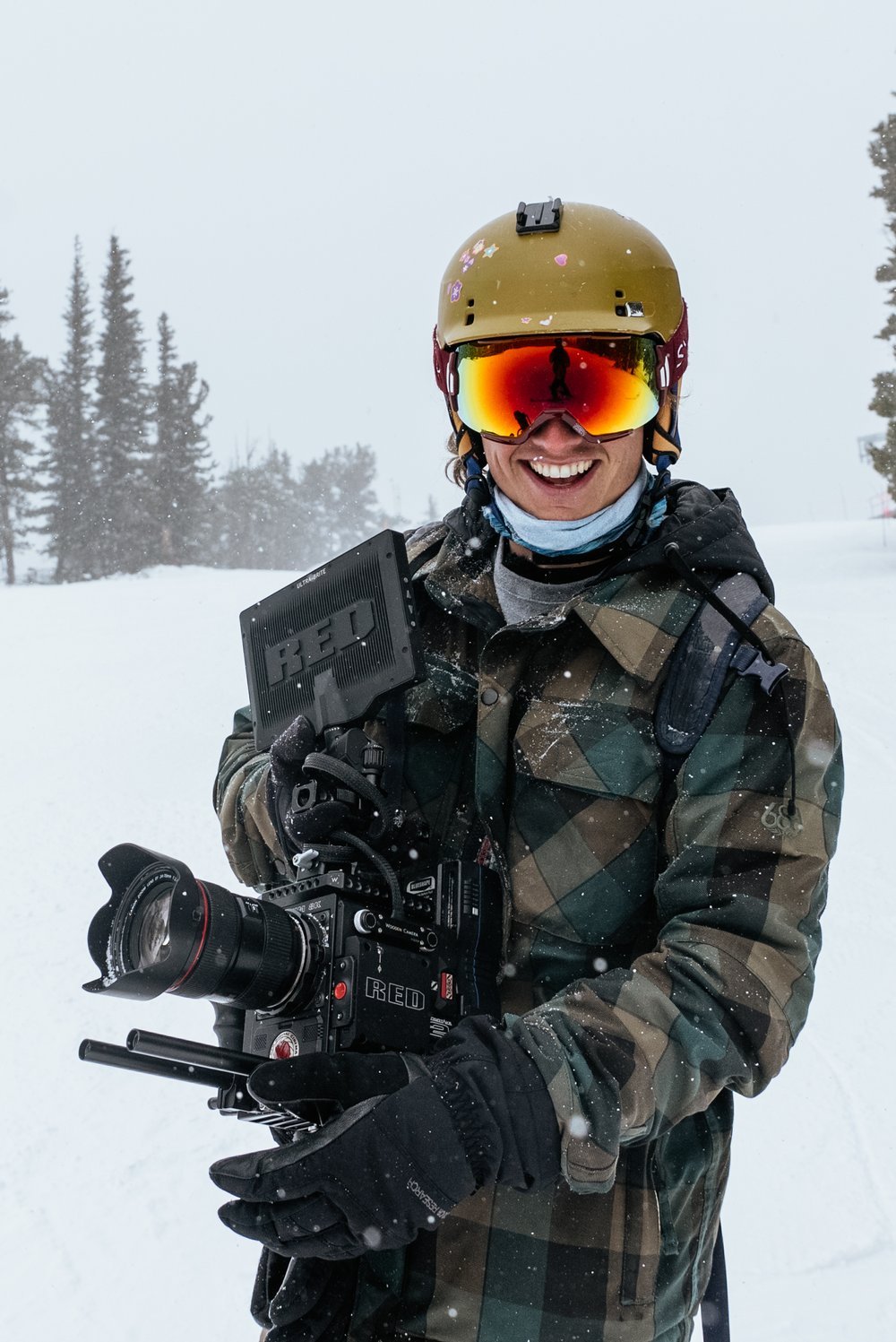
When I’m not on this website rambling on about filmmaking, I’m actually out there making films. From crafting memorable branded documentaries to capturing stories and products that move people, I’ve got you covered. Need a filmmaker who can scale mountains, brave the surf, or just tell a dang good story? Let’s chat!
In case I haven’t convinced you, here are three reasons why it might be fun to work together…
I believe in stories that stick with you - like campfire smoke on your clothes. The kind that makes you laugh, cry, or immediately want to call your mom.
I’m just as comfortable at 14,000ft as I am in front of a timeline. You get me in the mountains, in the ocean and in the editing room, making sure the magic out there really shines in the final cut.
I’ve filmed in some pretty wild places, but the best stories are the ones that bring people together. It’s those shared moments -big or small - that remind me why I love what I do.

Let’s Connect
Roo is an Emmy nominated commercial/documentary filmmaker and photographer based in Boulder, Colorado but travels all around the world for his filmmaking career. He has directed documentaries for Patagonia in California, produced films for Outside Magazine throughout Europe and Africa, camera operated for Netflix in the Rocky Mountain West, photographed among indigenous communities in South America, and has received notable recognition in the outdoor industry for his work telling uplifting stories in the outdoor space.