
The cost of video production in Colorado depends on what it takes to make your particular film: creative development, shoot days, crew, locations, deliverables, licensing and post-production. A useful estimate connects those pieces to the story you want to tell.
If you’re trying to put a number in a planning document, “it depends” can feel like a spectacularly unhelpful answer. Fair enough. Let’s make the variables a little easier to see.
I’m Roo, a 3x Emmy-nominated commercial and documentary filmmaker based in Boulder. I lead productions across industries and build the team around the work. Every project is custom-scoped. Here’s what I’d talk through with you before putting an estimate together.
The idea comes before the equipment list
A finished film’s runtime tells us very little on its own. A short commercial with several carefully built scenes can take more preparation than a longer conversation filmed in one place. Start with what happens in the film, who appears, and what the viewer needs to understand or feel.
Creative development might include research, conversations with contributors, a treatment, scripting, storyboards or location scouting. An agency arriving with an approved concept needs different support from a founder arriving with the first spark of an idea. Both are welcome; we just need to know where we’re starting.
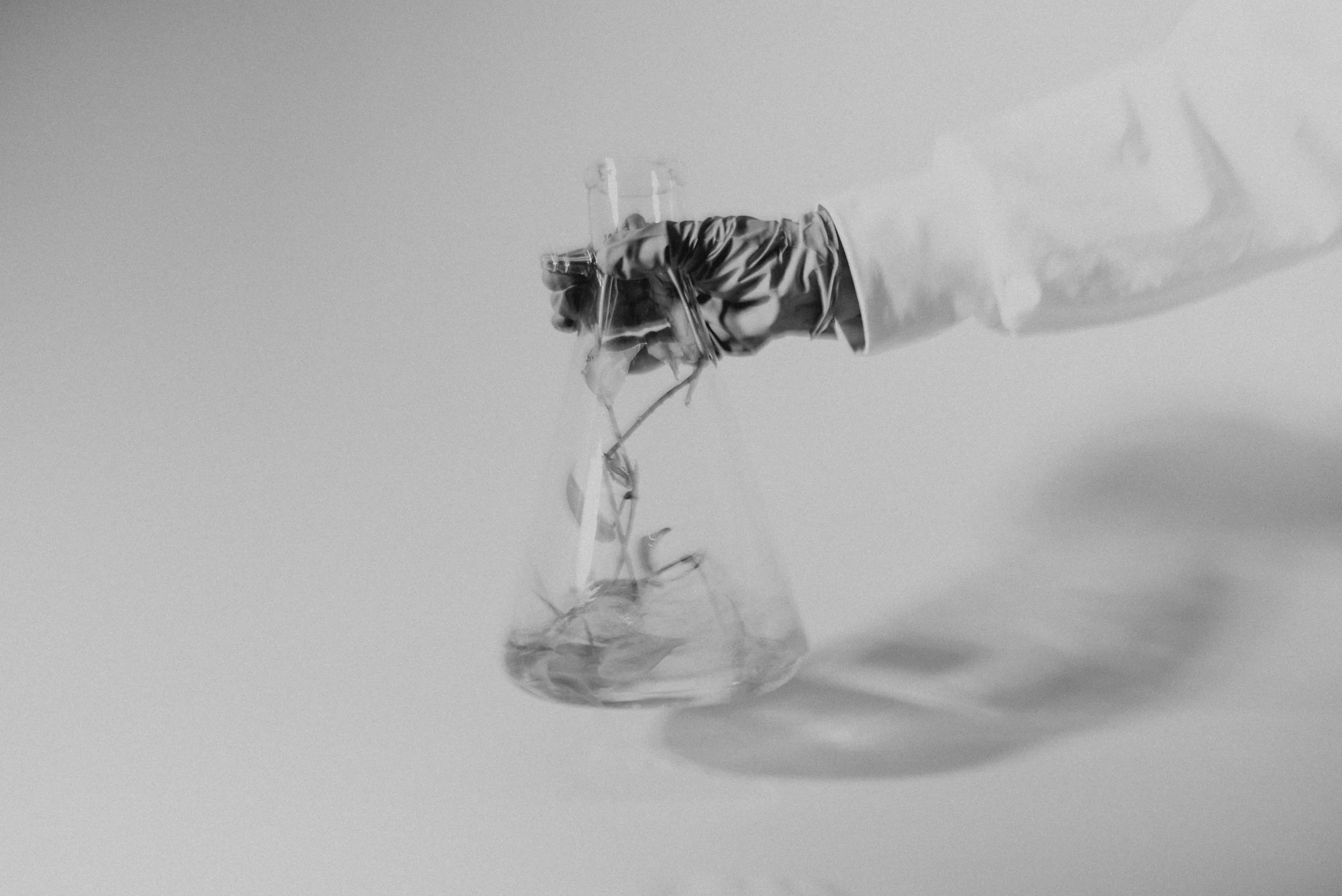
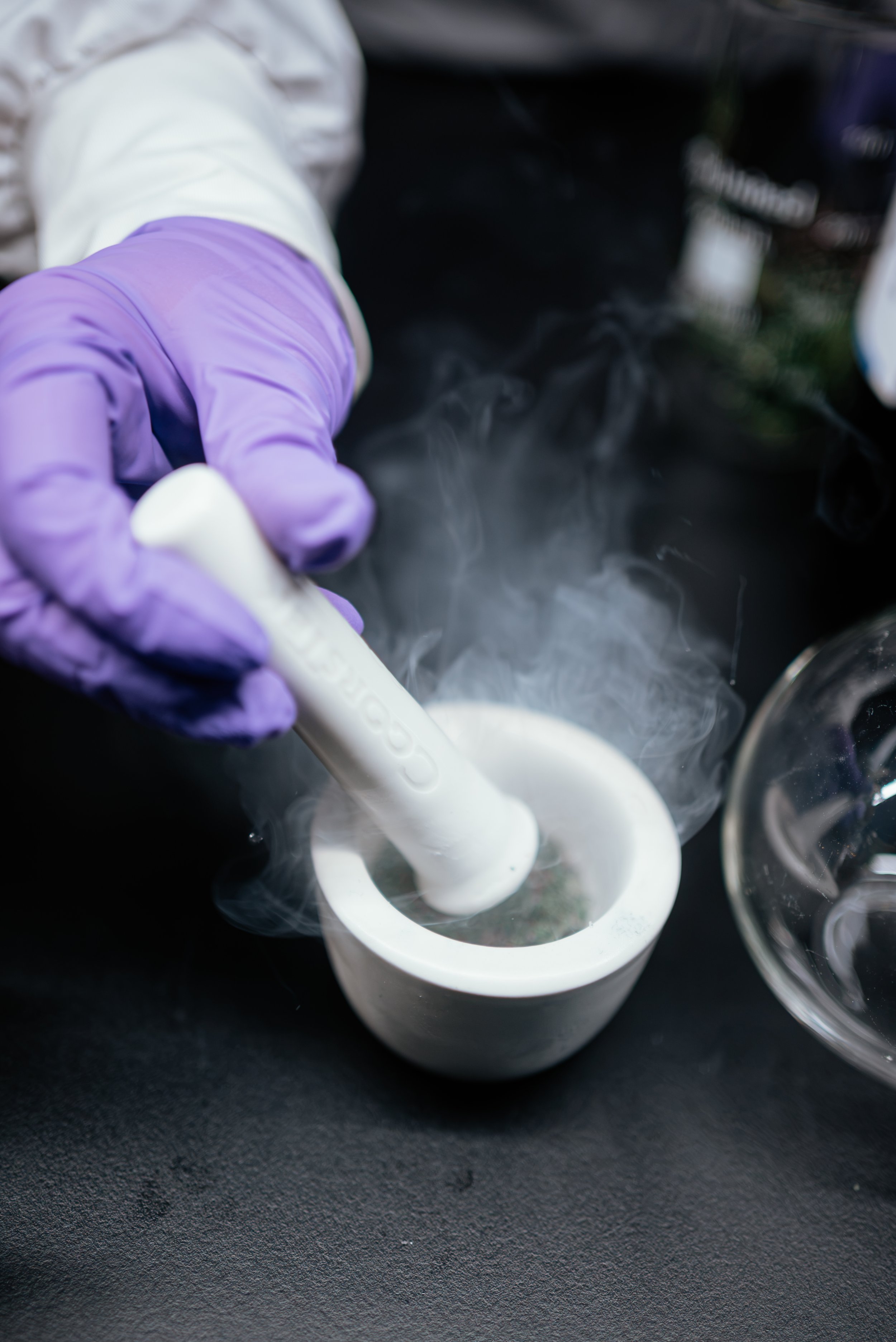
For my Enveda production in Colorado, the creative involved making a lab and warehouse feel cinematic while showing the work accurately. A probe lens, a white product backdrop and a blacklight setup each had a specific visual job. The interesting question is what a setup adds to the film, rather than how impressive its name sounds on a quote.
Explore the Enveda film and photography.
Shoot days are more than time with the camera rolling
A filming day includes setup, lighting, sound, directing, breaks, moves and packing down. Additional locations or complicated scenes affect what we can do well within it. Travel and preparation may also need their own days.
A concentrated plan can help a budget go further. I’d look at whether scenes can share a location, which moments matter most and where more time would improve the work. Trying to fit everything into a crowded day often just moves the difficulty somewhere else.
The crew should have a reason to be there
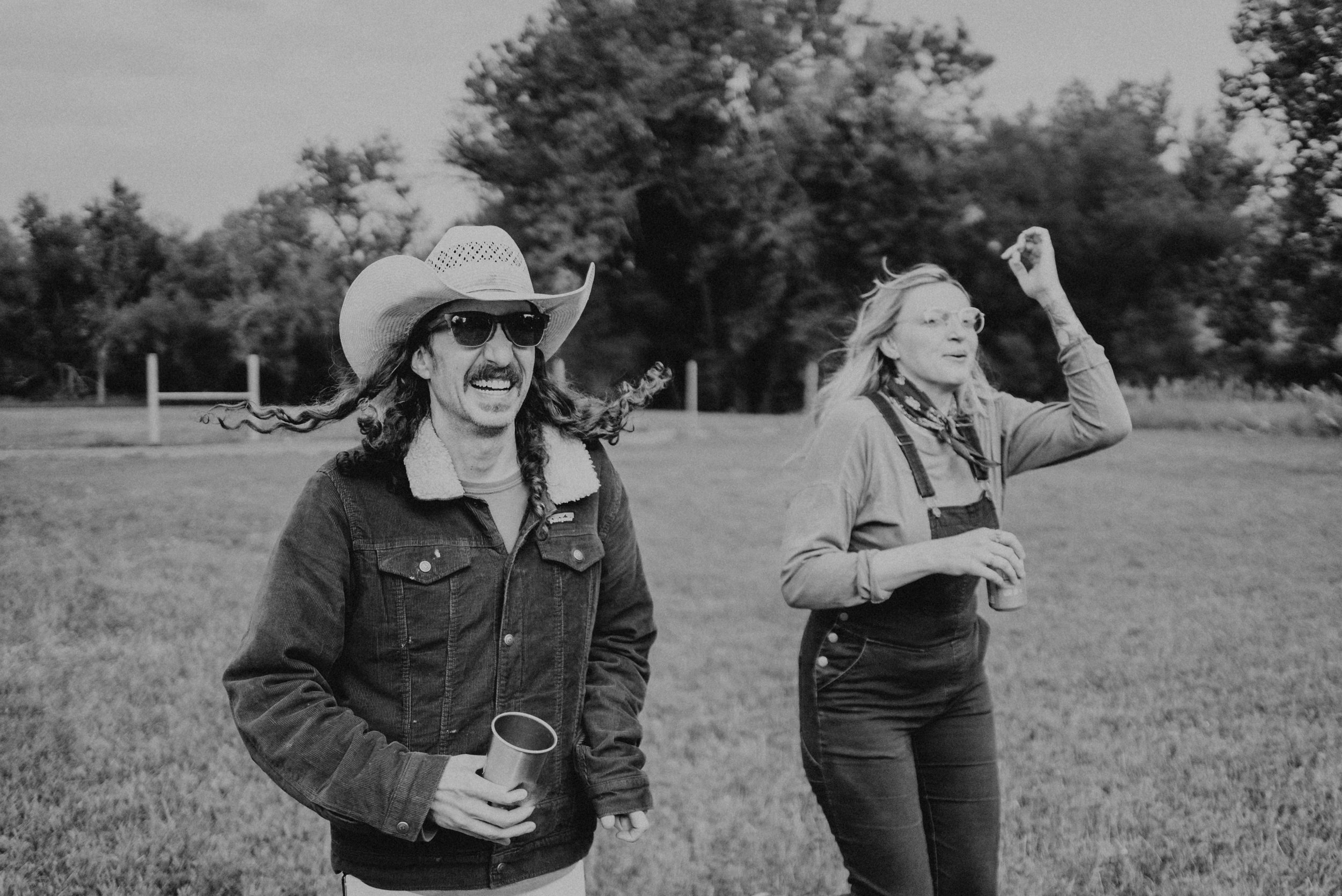
I build the crew around the story, locations and deliverables—from a focused documentary team to a larger commercial production. Producing, camera, sound, lighting, styling, hair and makeup, photography and specialist roles can each change the plan and the estimate.
Ask what the proposed team makes possible. Dedicated sound matters when the film depends on a conversation. Styling can help an environment feel lived in. Another camera setup may help us cover a moment, while also adding equipment and footage to manage.
Small and large crews both have a place. The useful comparison is whether the team is right for the work you want to make.
Photography and supporting films need their own plan
WishGarden’s Meet the Moment campaign combined ten videos, campaign photography, and vertical and horizontal edits. I worked across creative development, producing, directing, filming and editing, alongside styling, hair and makeup, photography and the client team.
That collection needed a coordinated plan. A still photograph, a main film and a shorter edit each ask something different of the shoot and the finishing process. The number of outputs alone gives you only part of the picture.
Read the WishGarden campaign story for a closer look at the work. Its deliverables describe that project’s scope; your production will have its own shape.
When we discuss your film, we’ll list the actual pieces you need: their purpose, length, shape, language, delivery date and intended use. That makes the estimate much clearer than a promise of “lots of content.”
Locations and usage can change the estimate
Location fees, access, travel, accommodation, equipment needs and any applicable permissions belong in the planning conversation. A place may offer a wonderful frame and still take work to film in. We’ll weigh both.
Usage matters too. Tell your production partner where the work will appear, whether paid advertising is involved, and what duration or territory your team needs. Music, performers, archive material and other licensed elements should be considered against that plan. Future uses can be discussed when they become concrete.
Post-production is part of the production
Editing is where the film takes shape. The estimate should account for the work after filming: organizing footage, building the story, sound, color, graphics where needed, review rounds and the final versions.
Clarify who gathers feedback and who approves each stage. Ask which revisions are included and how changes in direction or additional deliverables would be scoped. Agreeing on that early gives everyone a much easier path through the edit.
For documentary-specific questions, my branded documentary pricing guide goes further into story development and the time a real-world story may need.
Compare what the estimates actually include
Put the proposed scope side by side. Look for the same creative starting point, filming assumptions, locations, crew responsibilities, deliverables, usage and post-production work. Check travel and expenses, review rounds, delivery timing and how changes are handled.
Then watch the work. Does the filmmaker’s eye feel right for your project? Can they explain how they would approach your story? A quote should make the plan understandable, and the portfolio should help you imagine what that plan could become.
There’s a human part here, too. You’ll be making decisions together, often while the idea is still taking shape. Clear, generous conversation is worth paying attention to.
Working backward from the budget you have
Share the budget or range you’re planning around, if you have one. It helps me suggest a creative approach with a realistic crew and scope. We might focus on fewer, stronger scenes, simplify location moves or prioritize the pieces your team needs first.
I want the tradeoffs to be visible. If an idea needs more time or a different setup, we can talk through why and decide where it belongs. The goal is a film we’re excited to make and a plan everyone understands.
My Colorado video production page has more examples of the director-led work I do, from commercial campaigns to documentary storytelling.
Have an idea and a few budget question marks?
Send them my way. A rough outline, a reference you love, or “here’s what we’re trying to figure out” is enough to get a conversation going.
I’d love to hear what you’re imagining. We can work out the shape of it together.