
To compare corporate video production quotes in Denver, put the scope beside the price. Check who develops the idea, who leads the shoot, how much filming is included, what happens in the edit, and exactly which assets your team receives. The most useful proposal makes those decisions visible.
A price attached to “one corporate video” leaves a lot open. One company may be quoting a camera operator and a basic edit. Another may include creative development, interview direction, a lighting and sound crew, graphics, several versions, and a managed review process. Both could be responding honestly to a brief that needs more detail.
I’m Roo Smith, a commercial and documentary filmmaker based in Boulder, serving Denver and clients throughout Colorado. I work as a production partner from creative development through final delivery. Here is how I would help a marketing team make sense of the proposals on its desk.

Give every production partner the same starting point
Write a short brief that explains the audience, the message, and where the video will appear. Include your deadline, known filming locations, available speakers, and a working investment range.
You can leave room for creative recommendations. The point is to give everyone the same problem to solve. A clear question such as “How do we help potential customers understand our onboarding experience?” can lead to a more thoughtful proposal than a request for a two-minute video.
If your internal team is still choosing the direction, say so. Discovery and concept development can be part of the engagement. They should have a clear place in the proposal, with an explanation of what you will review before the production moves forward.
Look for creative leadership in the scope
The visual standard of a film starts well before someone places a camera in the room. A production partner needs to translate your business goal into an approach that can hold a viewer’s attention.
Look for a description of creative development, research, story structure, interview preparation, and the planned visual treatment. Find out who leads that work and who stays involved through the edit.
For my projects, I bring a documentary and commercial perspective to those decisions. The aim is to find the people, situations, and details that can make your message feel specific. My finished commercial and documentary work gives you a better sense of that approach than a list of cameras ever could.
Compare shoot days and crew roles together
A filming day has a capacity. Setup, lighting changes, interviews, company moves, supporting footage, breaks, and packing equipment all share the schedule.
Ask what the proposed day is designed to accomplish. How many speakers are included? How many locations? Is a product demonstration part of the plan? Will someone capture still photography while the video team works?
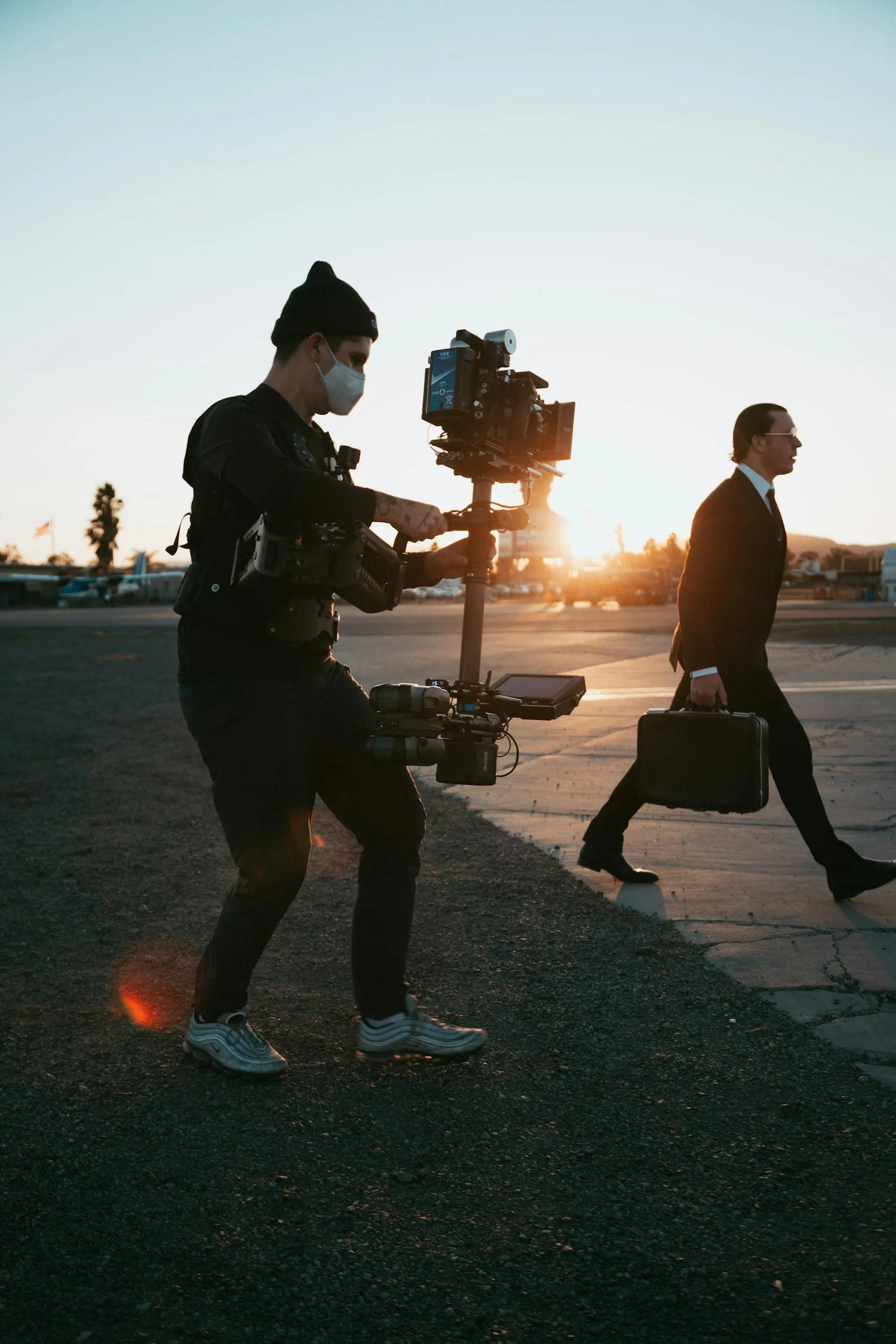
Then look at the crew. A compact team can be an excellent fit for a focused interview or company story. A larger campaign may need dedicated sound, lighting, production support, styling, photography, or additional camera coverage.
Each role should have a reason. High-end production means giving the creative work the attention and resources it needs. Sometimes that means a small, experienced team. Sometimes it means bringing together several specialists and coordinating them carefully.
Read the post-production section closely
The shoot creates the material. Post-production turns it into a film with a clear shape.
An editing scope should explain the main deliverable, the anticipated review process, and the finishing work. Look for color grading, sound editing and mixing, music, titles, captions, and any motion graphics the project needs.
Ask whether the proposal includes story development in the edit or assumes a locked script. An interview-led film requires time to review conversations, find the useful details, build a structure, and connect the answers to the visuals.
Also distinguish a new edit from a version. A vertical adaptation of a finished film and a new customer story assembled from the same footage are different tasks. A clear proposal describes which one you are buying.
Make the delivery list specific
Write down every finished asset your team expects to use. Include its purpose, approximate length, aspect ratio, and destination.
For example, a scope might include a main website film, three short LinkedIn edits, a vertical recruitment clip, and a selection of still photographs. That is an illustrative asset list; your plan should reflect your actual campaign.
Ask which files arrive with captions, whether clean versions are included, and how thumbnails or cover images are handled. If a paid-media team has delivery requirements, bring those into the conversation before the shoot.
This level of detail helps a premium production investment keep working after launch. It also makes it much easier to see why two proposals have different totals.
Clarify review rounds and changes
A review round works best when one person gathers the company’s feedback into a coherent set of notes. Different stakeholders may care for different parts of the film, and those priorities need to be reconciled.
Ask how many rounds are included, what each round is intended to resolve, and how long your team has to respond. Confirm who signs off on the creative approach, interview topics, first cut, and final delivery.
Changes can be perfectly reasonable. Adding another speaker, a new filming day, or a fresh series of edits simply creates more work. Agree on how those requests will be estimated and approved so the project stays predictable.
Discuss usage, files, and future access
Tell the production partner where the work will run: your website, organic social channels, paid campaigns, internal presentations, events, or broadcast. The plan for licensed music, stock material, participants, and other assets should reflect those uses.
Ask what you receive at delivery and what stays with the production team. Finished videos, selected footage, camera originals, and editable project files are different things. The agreement should specify what is included and how a future request would be handled.
It is also useful to discuss retention. If your team returns next year for another edit, knowing how the footage is stored and what retrieval involves saves uncertainty on both sides.
Account for the practical costs of filming in Colorado
Local production still has logistics. Travel between Denver and another location, building access, parking, location fees, equipment transport, and overnight stays can all affect a proposal.
Ask which expenses are fixed, which are estimated, and which depend on decisions you have yet to make. A one-location office shoot and a campaign moving between several Colorado towns call for different plans.
For a broader discussion of production investment, my Colorado video production budget guide explains the factors behind an estimate. Use that context to start a conversation, then build the actual quote around your project.
Choose the team whose thinking you trust
After comparing the scope, return to the work and the working relationship. Watch complete films. Ask what the proposed director contributed to the examples you like. Listen for thoughtful questions and a clear explanation of the next step.
I have led production that stretches from shaping concepts and coordinating people through filming, editing, color, sound, and final versions. My WishGarden Herbs campaign case study shows how those responsibilities come together across a multi-video project.
The useful question is whether your production partner can carry the idea all the way through. A beautiful image matters. So does knowing how the story, schedule, team, and delivery fit together.
Bring me your corporate video brief
If you are comparing corporate video production companies in Denver or elsewhere in Colorado, I would love to hear what you need to make. I offer director-led production with a team and scope built around the project, from a focused company film to a broader campaign.
Use the form below to share your audience, target launch date, filming location, and budget range. I’ll help you work toward a clear creative direction and a proposal that explains the investment, the process, and the finished work your team can expect.

Bring me your audience, your idea, and the deadline you are working toward. I can help shape the creative direction, assemble the right production team, and carry the project through filming and final delivery.
Use the form below to share your company, the videos you need, and your timing. I personally read every inquiry and usually respond within 24–48 hours.