
Corporate video production works best when the company has a clear communication need and the film has a specific job. Start by choosing the audience, the story, and the next step you want someone to take. Then build the production around those decisions.
I’m Roo Smith, a documentary and commercial filmmaker based in Boulder, Colorado. I help companies make their work understandable and human through story-driven films, campaigns, interviews, and photography.
This guide walks through how I’d plan a corporate production, from the first conversation to the finished assets. It is written for the marketing team, founder, or creative lead who wants a meaningful film and a process they can actually follow.
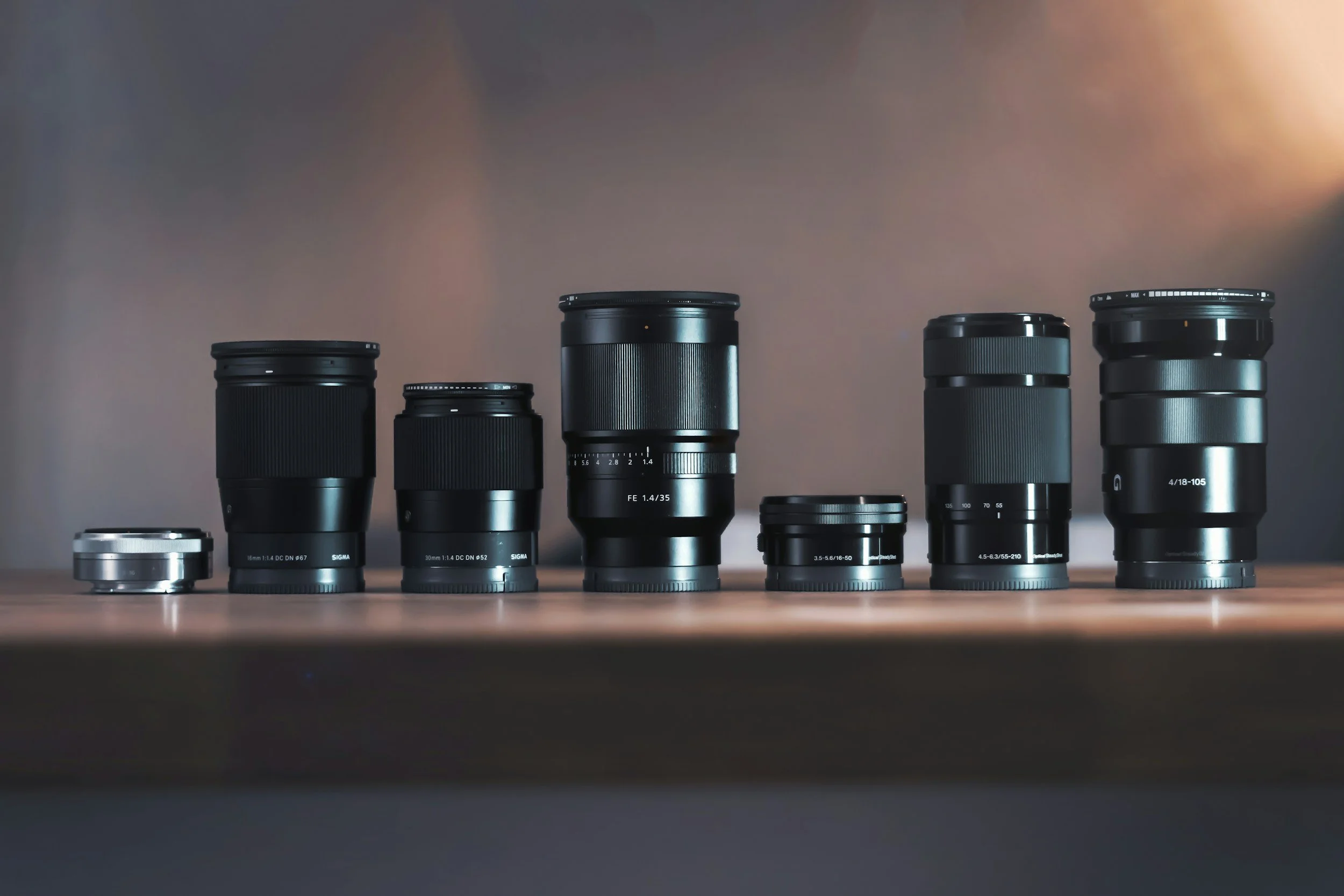
Choose the kind of corporate video you need
The phrase corporate video covers several different jobs. A company introduction, a recruiting film, a customer story, and a product campaign can all use a camera, interviews, and editing while asking very different things of the audience.
I’d begin by identifying the situation where the video will be used. Is someone arriving at your website for the first time? Is a sales team answering the same question repeatedly? Is a prospective employee trying to picture the people they would work with?
Company films and branded documentaries
A company film can introduce the work and the people behind it. A branded documentary can spend more time with a character or story connected to the company’s values. Both benefit from a point of view and a reason to care.
Customer stories and product films
A customer story can make a service concrete through someone’s experience, with the appropriate permissions and review. A product film can show a tool in use, explain a workflow, or demonstrate a feature in a setting the viewer recognizes.
Recruiting and internal communication
A recruiting film can help candidates understand the team and the work. An internal film may support a specific change, introduce a process, or bring people into a shared project. The audience and context should shape the tone.
We can plan several assets together when they share locations, people, or footage. Each finished piece still needs its own purpose. That keeps a larger production focused and gives your team a clearer way to use the work.
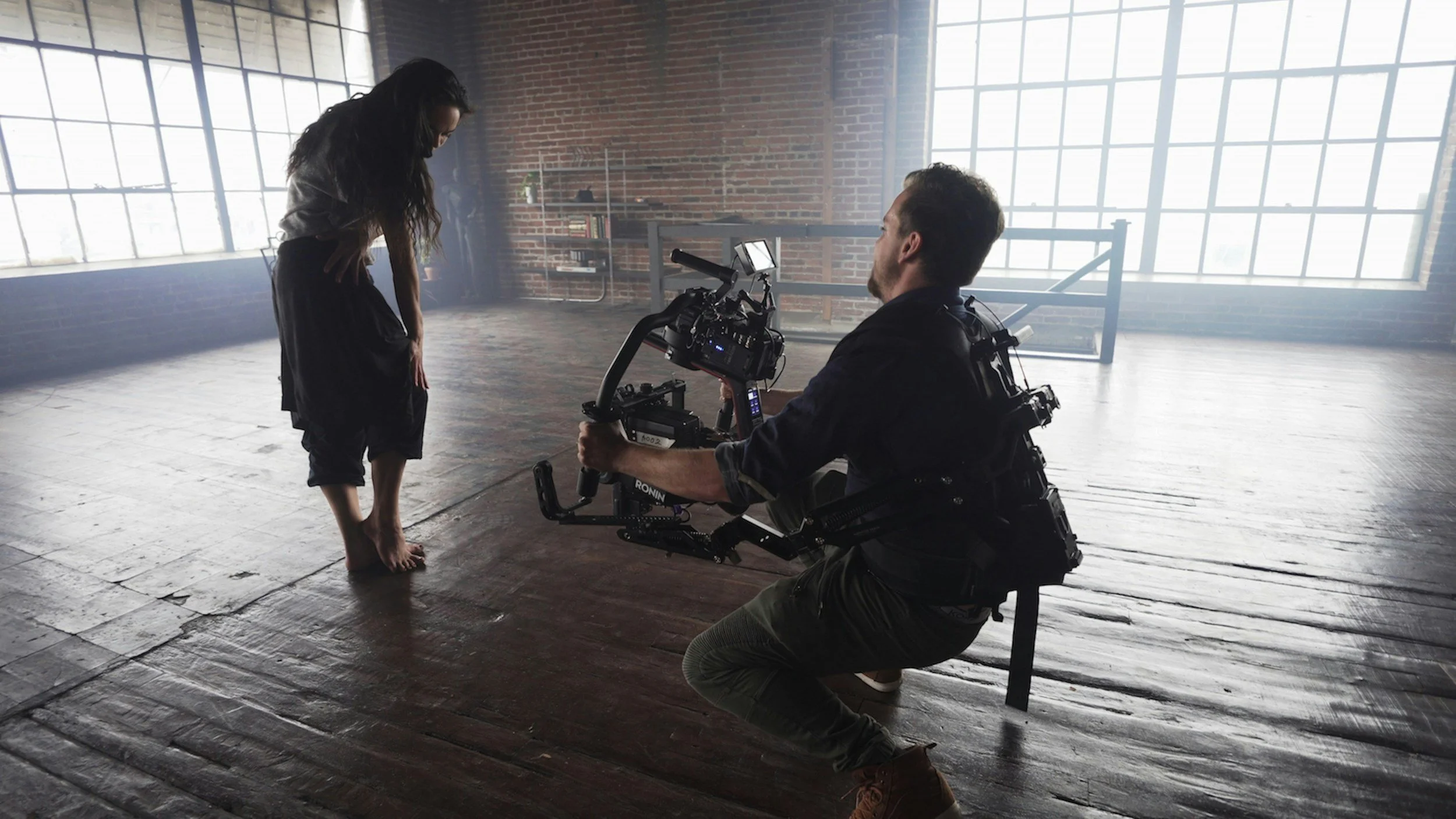
Write a brief that helps the filmmaker make decisions
A useful brief can be short. I want to understand the audience, the communication challenge, the desired next step, the launch date, and the places the video will appear. Examples of work you like can help explain the tone you have in mind.
Tell me what is already available, too. That might include access to employees, approved customer stories, a product demonstration, existing photography, or a location with an interesting process to film. Those details influence the creative possibilities.
I’d also ask who will lead the project internally and who needs to review it. A clear decision-making process helps the production move from an interesting idea to a finished film.
Set the budget around the actual scope
For an initial planning conversation, I’d think in broad ranges. A focused small project may fall around $5,000–$10,000. A director-led production may sit around $10,000–$25,000. A campaign with more coverage and deliverables may reach $25,000–$50,000. Larger commercial productions can move beyond $50,000.
Those are starting points for discussing scope, with the final estimate based on the creative approach and deliverables. Shoot days, crew, travel, locations, motion graphics, music, licensing, photography, and editing all affect the proposal.
Ask what each line makes possible
A sound recordist can protect an interview. A lighting team can help a scene feel intentional and keep the day moving. A producer can coordinate a complicated schedule. Additional edit time can support several versions with different jobs.
I’d explain those choices in relation to the film. My branded documentary pricing guide gives more context for how scope shapes the investment.
Develop the story before the shoot
Creative development turns the brief into a plan we can film. I’d talk with key people, explore potential scenes, and write a treatment that describes the story, visual approach, and intended feeling.
For my Elevations Credit Union campaign, I directed and produced two thirty-second commercials with the internal team and Cultivator. The stories centered on a community river cleanup and Marco’s Hot Dogs & Tacos in Longmont. Real people and places gave the financial brand a human setting.
The restaurant shoot took place during business hours, with the lunch rush happening around us. Preparation and flexibility both mattered. You can read the Elevations commercial case study for the process behind the spots.
Plan the day around people and access
Before filming, we need a schedule that accounts for the scenes, interviews, setup time, and the people involved. A location walk-through can reveal useful backgrounds, sound challenges, power needs, and the best time to capture particular activity.
I’d confirm approved filming areas, participant permissions, and the access the crew needs. If your team works in a lab, a manufacturing facility, or another sensitive setting, we would identify the material that can appear on camera before the day begins.
Make interviews feel like a conversation
I want the person on camera to understand what we are doing and feel comfortable taking a moment to think. A short conversation before recording helps establish that relationship.
Specific prompts usually give the edit more to work with. Walk me through a typical task. What changed when you tried this? Which detail do people tend to miss? Follow-up questions help an answer become a story someone can picture.
Capture scenes that carry meaning
Interview footage needs images that help explain what the person is saying. I’d plan a mix of wide views, human interactions, and useful details. We should leave time to observe the work as well as capture the planned shots.
For Colorado College’s Come Curious commercial, I worked as co-director, producer, and director of photography. It is an education example, with a useful lesson for corporate films: people, places, and activity can make an organization’s identity tangible.
Watch how the Colorado College film combines individual moments into a larger impression of the place. That relationship between detail and overall story is something I bring into production planning.
Use post-production to shape the experience
Editing brings the material into a sequence the viewer can follow. I’d build the story from the strongest scenes and interview moments, then shape the pacing, music, sound, color, and graphics around it.
The first review should focus on the larger structure and message. Later reviews can refine wording, timing, and finishing details. Your proposal should explain how many review rounds are included and how feedback will be collected.
Give feedback the editor can use
Time-coded notes help identify a specific moment. A clear explanation of the concern is even more useful. If a section feels confusing, tell me what the viewer needs to understand. If a claim needs adjustment, provide the approved wording or the reviewer who can resolve it.
One internal lead can combine feedback and flag conflicting requests. That keeps the edit moving toward a coherent final film.
Define delivery, rights, and reuse
Before we begin, I’d list the finished assets: lengths, aspect ratios, captions, still photographs, thumbnails, and any graphics or language versions. We should also clarify which files are included in the handoff and how future changes would be handled.
Usage belongs in the scope. Music, talent, locations, and other licensed material need terms that fit the intended channels, duration, and campaign use. Bring any plans for paid media or broader reuse into the first conversation so they can be accounted for.
Plan photography as its own deliverable
A photo of an employee, a product detail, or a scene from the workplace can support the website and campaign alongside the film. Dedicated photo time helps produce images composed for those uses.
If you need both mediums, I’d build the schedule and crew around that request. The most useful combination depends on the production and the assets your team actually needs.
Plan your corporate video project
Give the finished film a clear home
A film should arrive where the audience already needs the information. That might be a service page, a sales follow-up, a recruiting page, an event, or a planned campaign. Pair it with a clear next step.
Choose success measures that match that job. Your team might track qualified inquiries, use in sales conversations, audience engagement, or candidate feedback. A useful review after launch can guide the next production.
Work with a filmmaker who can lead the process
I can help with the story, production plan, crew, directing, cinematography, interviews, editing, and photography. I’m comfortable collaborating with an internal creative team or helping shape a project from its first conversation.
Bring me the communication challenge, the audience, and the opportunity you see. We can build a production that fits the company and make a film people remember for the work and the humans inside it.
Let’s Connect!

If you’re looking for creative partner to lead a story-driven campaign from start to finish, I’m here to help you create work that actually moves people.
My goal isn’t just to make beautiful content, it’s to make something that you feel good about, the audience feels great about and everybody leaves the process full of joy.
Fill out the form and tell me a bit about your vision.
I personally read every inquiry and usually respond within 24 - 48 hours.
This isn’t just a contact form - it’s the start of making something meaningful together :)