

Behind the camera during Olympic qualification events in Aspen.
To hire a docu-style commercial director, start with complete films, then talk through how they would approach your people, your story and the production itself. You’re choosing a creative point of view and a person your team will spend time with.
A reel can make you want to know more. A full film tells you whether you want to keep watching. And a conversation helps you imagine what making something together would actually feel like.
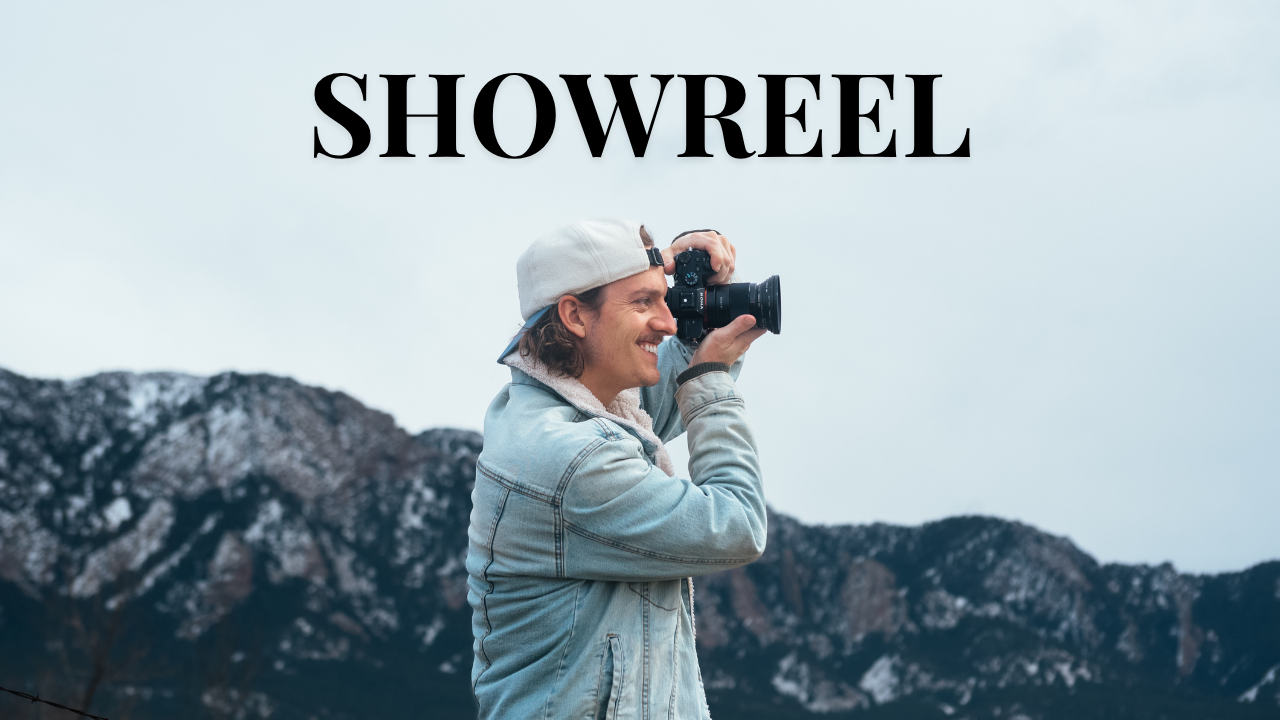
I’m Roo, a 3x Emmy-nominated commercial and documentary director based in Boulder, Colorado. Here are the things I’d pay attention to if we were sitting together, looking at work and talking through your campaign.
Who is Hans Troyer? A portrait I produced, directed, filmed and edited.
Watch what happens between the beautiful shots
Look for a person who sparks your curiosity, a scene that takes you somewhere and an ending that feels earned. Notice the conversation, the small actions and the rhythm. Those choices tell you a lot more than a camera or lens list.
In my film with Hans Troyer, running is part of the story alongside the gym, time at home, his wife and dog, and his own thoughts on the life he’s building. His humor matters as much as the athletic footage. The aim was to make a portrait of a person, with enough energy and warmth to feel like him.
Watch the Hans film above, then read the story behind the shoot. As you watch a director’s work, ask which moments stay with you and why.
Look for an approach that travels across industries
Relevant experience can mean understanding the kind of person, access or storytelling challenge your project involves. A filmmaker can bring a strong documentary approach to a runner, a scientist, a customer or a founder. Ask how they would learn your world and work with your team to get the details right.
My Elevations Credit Union work uses documentary-style thirty-second spots to show community banking through people. My Olympic cinematic portraits follow another world entirely. I directed, produced and filmed that series, with editing by Michael Bounyavong. Different settings, different collaborators, the same interest in what makes someone worth watching.
Explore the Elevations commercials and the Olympic portraits. Look for creative judgment and a connection with people, alongside the sector experience your particular production needs.
Ask how they work with people who live outside a set
Your subject might be a customer, researcher or community member who has never had a camera pointed at them for a full day. Ask the director how they introduce the process, prepare for interviews and help people feel comfortable.
I want an interview to feel like a conversation with a direction. Preparation helps me ask better questions and notice the detail in an answer. It also gives the person room to speak in their own words. We can identify what the film needs while staying interested in what they actually have to say.
Ask for a real example of how that approach worked on a previous film. Listen for the decisions, rather than a string of reassuring adjectives.
Talk through a treatment before the shoot
A treatment gives the team a shared view of the film: the people, visual approach, tone, possible scenes and the connection to your brand. It should explain what the director wants the audience to experience and how the production could create it.
For documentary-style work, distinguish the things we can plan from the moments we hope to discover. We can arrange access, choose an interview setting and prepare scenes. The person still brings their own personality and experience. That’s a large part of the appeal.
If you’re working with an agency, be clear on what’s already developed and where the director can contribute. A good collaboration gives the creative team, client and director a way to make decisions together.
Clarify the director’s role and the production team
Are you hiring a director to work with an established producer and crew, or a partner to carry the production from development through delivery? Put the responsibilities in writing so the estimate and working relationship reflect the same plan.
For a director-led production with me, I build the crew around the story, locations and deliverables. A focused documentary team may suit one project; a larger commercial crew may suit another. The approach should serve the work and give each part of it enough attention.
Ask who handles producing, cinematography, sound, logistics, client communication and post-production. Confirm availability for preparation and the edit, as well as filming dates.
Agree on the pieces your team will receive
Discuss the main film, shorter edits, formats, photography where useful, and the intended channels. Confirm who reviews the work, how feedback comes together and which approval stages belong in the schedule.
Usage, music, contributor permissions and any third-party material also need a clear owner and an agreed plan. Your production partner should explain how these fit the actual project, including paid placements where relevant.
Every production is custom-scoped around creative, shoot days, crew, locations, deliverables, licensing and post-production. A clear scope lets us spend more energy making the film good.
A few questions worth bringing to the call
Which of your films feels closest to the approach this story needs, and why?
How would you get to know the person or people in our film?
What would you want to develop with our creative team before filming?
Which production responsibilities would you take on, and who else belongs on the crew?
What access, approvals and time would you need from us?
How would the main film and supporting pieces be planned together?
Listen for specific answers and useful questions in return. The conversation should help the idea become clearer. It’s also a chance to see whether you enjoy thinking together—there will be plenty of that along the way.

Want to see how I’d approach your story?
My docu-style commercial director page brings together more work and the way I approach these collaborations. Have a look, then send me the idea that keeps coming back to you.
Maybe you already have a treatment. Maybe there’s a person your team keeps saying someone should make a film with. I’d love to hear either version.
Say hello below. We can trade a few ideas and see what feels worth making together.