
Creating Social Media Content for a Skiing Brand

Eight reels sounds like a tidy line on a deliverables list. Open the edit and it becomes eight openings, eight little structures, a lot of decisions on text and graphics, and a very practical question: can someone actually understand the skiing idea we are showing them?
That was the assignment for a startup helping people learn to ski. The brand team brought educational topics, scripts and shot lists. I joined the production to help turn those ideas into films, adding camera choices, coverage, transitions and the work of shaping the edits.
The Colorado shoot was planned around two days at Arapahoe Basin with ski instructor Katie White. The aim was a collection of useful social videos that could help a skier recognize a habit, understand a movement or take better care of their gear.
I’m keeping the company unnamed here and focusing on the process. The eight films below show the work itself. They also give me a chance to explain some of the decisions that sit behind making short content feel clear, engaging and genuinely useful.
Start with something a skier actually wants to know
The subjects were practical: carving, parallel skiing, habits on the first day back, equipment choices, drills and seasonal care. That gave each reel a reason to exist beyond filling a publishing calendar.
I like that starting point. A useful question creates a relationship with the viewer immediately. They can recognize the problem, decide whether it applies to them and understand what the film promises to help with. A clear subject also gives the edit a way to choose what belongs.
The brand team led the educational briefs and scripts. My contribution was to help translate those ideas visually and shape the footage into a coherent experience. That division matters. A strong collaboration lets subject knowledge and filmmaking knowledge meet without pretending one person supplied everything.
For a similar project, I’d want that conversation early. What does the audience already understand? What needs demonstrating? Which words have a precise technical meaning? The answers affect framing, coverage and pacing long before anyone chooses a soundtrack.
Build the collection before filming the individual pieces
The original plan called for up to eight reels, with the final amount dependent on conditions. Each had a defined brief. That structure made it possible to think of the shoot as one coordinated production while still giving every film its own purpose.
During preparation, we reviewed scripts and shot lists. I was invited to add angles, shots and transition ideas, while the brand team organized a shared master shot list. Equipment planning sat alongside those creative conversations.
Some of the preparation was wonderfully specific. The team asked whether I had a waxing iron, a brush and an older pair of skis showing wear on the bases. Those are the kinds of details that turn a general idea of educational content into scenes a crew can actually film.
A practical prop can do more explanatory work than a paragraph. If we want to show maintenance, the object needs to make the issue visible. If we want to explain a movement, the framing needs to show the relevant relationship. Preparation helps us arrive with the things the lesson requires.
Make the opening promise visible
The carving reel opens with a comparison: two versions of skiing placed together, with text asking whether the viewer is actually carving. The image and the question work on the same idea. You have something specific to look for from the start.
That is what I want from a hook. It should lead into the lesson the film can deliver. A dramatic opening that sends the viewer toward an unrelated explanation uses attention badly, however energetic it looks.
The brand team shared examples of approaches they had used, including split screens, quick cuts between drills and strong images supported by graphics. Those references gave us a common language for discussing openings. They were creative inputs, rather than evidence that any particular new reel would produce a guaranteed result.
For educational social content, I think clarity is part of the appeal. A viewer can enjoy the skiing while also understanding what they are being invited to notice. The opening gives the rest of the film a direction.
Let the camera explain the movement
A beautiful skiing shot and a useful teaching shot can overlap. They can also need different things. If the lesson depends on what the skis are doing, the viewer needs enough information to see it. If the lesson concerns body position, the frame has to preserve that relationship.
That makes camera placement an editorial decision. The angle determines which part of the explanation becomes visible. Distance changes how much context remains. A close view can clarify a detail, while a wider view helps the audience understand how the action fits into the full movement.
I approach the coverage as material for an explanation. What does this image help someone understand? What would the voice need to describe if we left it out? Is there a clearer view of the same idea?
The finished collection includes demonstrations on snow alongside practical material away from the slope. That range fits the subjects. A lesson on home drills belongs in a different environment from a lesson on carving. The production follows the useful information instead of asking every topic to look like the same ski montage.

Give each reel its own little structure
The eight films share a production world, but their subjects ask for different shapes. A comparison can begin with two examples. A maintenance piece can move through a sequence of checks. A group of drills can establish the purpose and then make each action understandable.
I want the viewer to feel progress. The opening raises a question, the middle gives enough explanation to follow and the ending completes the thought. A short runtime still has room for that movement.
Pace comes from the relationship between those parts. Quick cuts can keep a sequence lively, but an important action needs enough time to be seen. Text can help identify the point, but too much text asks the viewer to read while trying to study movement.
This is why I think of these as small films. Each has a central idea and a particular viewing experience. The edit needs to serve that experience, even when a collection has a shared visual style and a coordinated delivery plan.
Review the whole series, then handle the urgent exception
I sent the end-of-season piece first, followed by the remaining reels and further versions. Feedback lived in Frame.io, which gave the team a shared place to identify changes in the actual films.
Once the notes began arriving, I suggested gathering feedback across the collection before making the next round of revisions. Color and graphics affected several reels, so handling those decisions together helped keep the set consistent.
There was also a practical exception. The end-of-season reel needed attention sooner because the team wanted to use it that week. We prioritized that piece while continuing to work through the rest of the collection.
I think that balance is useful for brand productions. A coordinated workflow creates efficiency, but the publishing needs of the team still matter. Agree on what can be reviewed together, identify the piece with a real deadline and make the priority visible. Then the production can respond without turning every individual note into a separate emergency.
Snow deserves its own finishing conversation
Snow can look wonderful in a frame and still need careful attention in the grade. During review, the team flagged bright areas in several reels and shared a look they used for their content. That gave us a concrete starting point for adjustments.
I also raised an issue with differences between what I was seeing in the editing preview and the exported files. The useful thing was to review the actual output and keep the conversation tied to the images people would receive.
That is a practical reminder for any video project. The edit timeline is one viewing environment. The delivered file is the thing a client uses. Check both, and communicate clearly when a technical issue affects how a creative decision is being judged.
For snow footage, the lesson is to preserve the information that makes the image readable while keeping the collection visually coherent. A bright mountain day should still give the viewer enough detail to understand the skiing. The grade serves the demonstration as well as the mood.
Design captions and graphics to work together
The final delivery included versions with subtitles and versions without them. The team wanted room to add illustrations and graphics later, and embedded subtitles could occupy the same area of the frame.
That sounds like a small delivery choice. It changes how useful the material is after the project leaves the edit suite. The brand team can adapt a piece without rebuilding it from a flattened version that has every element permanently attached.
I also supplied the Premiere project and supporting assets so the team could make further adjustments. A handoff like that belongs in the agreed scope, with the relevant rights and asset requirements understood. It is a practical production decision, rather than an automatic inclusion in every job.
The wider lesson is to discuss the life of the files early. Who will use them? What may change before publishing? Which graphics need space? Which versions are required? Good delivery planning keeps the finished work useful to the people who have to work with it next.
Watch the eight films as different answers to real questions
The collection includes Are You Actually Carving?, The Key to Parallel Skiing and Four Drills to Break the Intermediate Plateau. Those subjects ask the viewer to observe a movement and connect it with an explanation.
Three Habits to Break on Your First Day Back Skiing and Two Pre-Season Drills for Home have a different kind of timing. Their usefulness connects with someone returning to the sport or preparing for the season. Five Tips for End of Season follows that same practical thinking at the other end of the calendar.
Stop Using the Wrong Poles and Three Checks to See if Your Skis Need Tuning bring equipment into the conversation. The object becomes part of the lesson, with a clear reason to show it closely.
Together, the films show why a collection benefits from distinct topics. Each gives someone a specific reason to watch. The brand appears through the value of the information and the consistency of the experience. I find that a much more interesting creative brief than making eight interchangeable versions of a general promotional message.
Useful content still needs personality
Educational material can become stiff if every moment is treated as a line that must be delivered perfectly. I want the expert to remain a person the viewer can spend time with. Clear instruction and a comfortable human presence can support each other.
As the filmmaker, my work is to make the explanation easy to enter. Keep the important action visible. Let the pacing feel natural to the information. Use text and graphics where they help, and leave enough room for the person and the skiing to carry the piece.
I also want to be careful with the outcome story. This article explains the production and delivery process. It makes no claim that the reels produced a particular number of sales, views or customers. Those conclusions would need the relevant reporting and a clear understanding of what it can show.
What I can share is the work: a coordinated set of eight educational films, developed with a brand team, revised through a shared process and delivered in versions they could use. That is a concrete foundation for a useful conversation with another company trying to make better social content.
Make the next useful thing
My favorite part of this kind of assignment is how specific it can become. A broad request for ski content turns into a question someone might actually have while looking at their equipment or thinking of their next day on snow.
Then the production has something to solve. Find the right way to show it. Build a clear opening. Give the expert room to explain. Shape the edit so a viewer leaves with one useful idea.
That approach fits into a larger commercial production, but it keeps the individual film close to a human need. The audience gets a reason to watch, and the brand has a reason to keep making work that helps.
Eight reels. Eight small opportunities to make someone’s next ski day a little more understandable. That feels like a pretty good use of a camera.
Three Habits to Break on Your First Day Back Skiing. A specific moment in the season shapes the subject.
The Key to Parallel Skiing. The coverage needs to make the movement readable.
Five Tips for End of Season. Practical gear care gives the film a timely purpose.
Are You Actually Carving? A visual comparison introduces the lesson.
Three Checks to See if Your Skis Need Tuning. Close detail supports a practical equipment question.
Four Drills to Break the Intermediate Plateau. A sequence of practical actions gives the edit a clear structure.
Two Pre-Season Drills for Home. The setting follows the lesson, with useful content away from the slope.
Stop Using the Wrong Poles. Equipment earns its screen time by helping explain a useful choice.
Let’s Connect
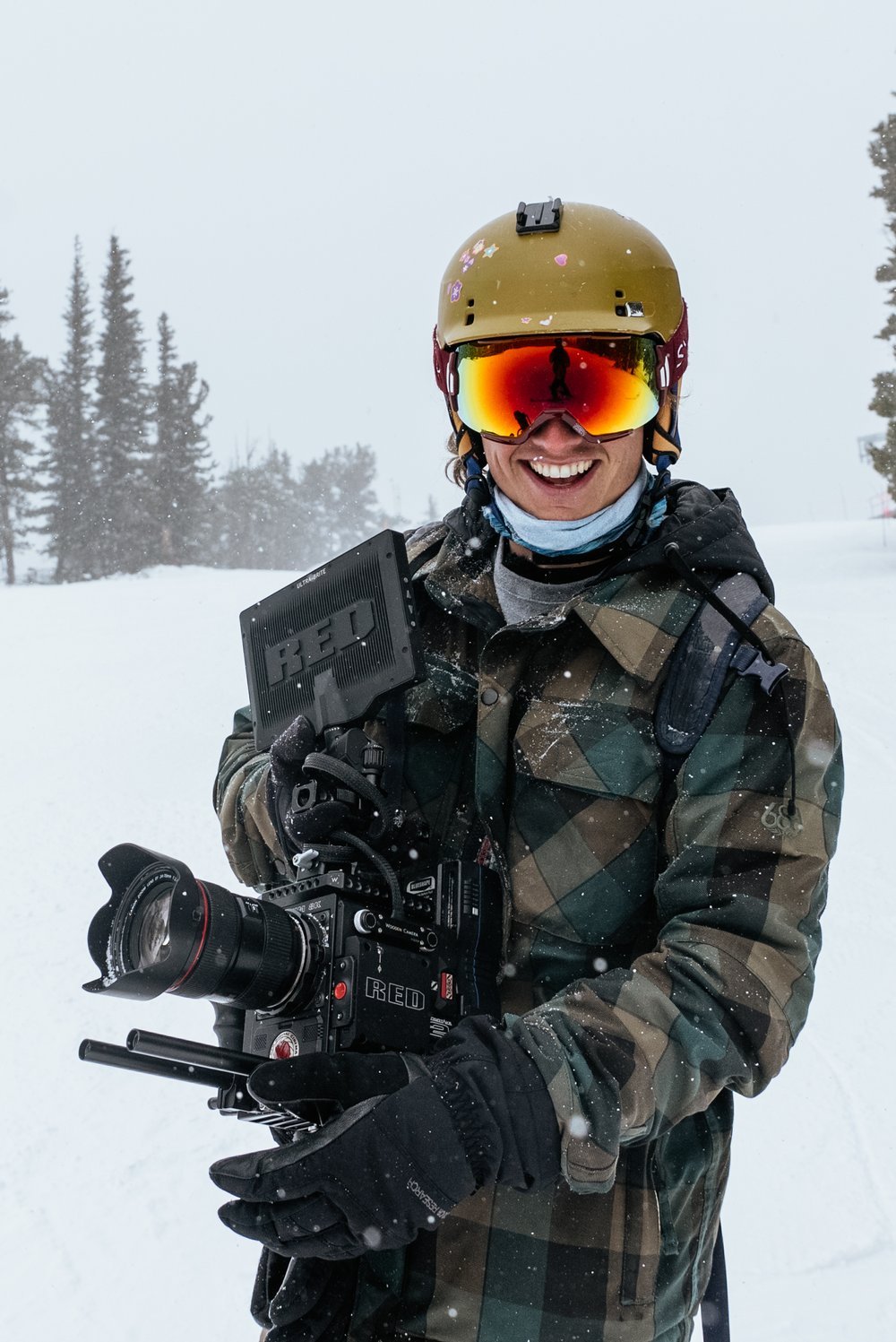
Roo is an Emmy nominated commercial/documentary filmmaker and photographer based in Boulder, Colorado but travels all around the world for his filmmaking career. He has directed documentaries for Patagonia in California, produced films for Outside Magazine throughout Europe and Africa, camera operated for Netflix in the Rocky Mountain West, photographed among indigenous communities in South America, and has received notable recognition in the outdoor industry for his work telling uplifting stories in the outdoor space.